Picking the best budget wine isn’t rocket science, it’s a little adventure. Just focus on labels—look for familiar grapes like Malbec or Chenin Blanc, and don’t be scared to try bottles from under-the-radar regions like Portugal or South Africa. Price tags lie, so trust your nose, grab bottles with good reviews (skip the jargon-filled ones), and pair with your favorite pizza or taco night. Pop the top, pour, and enjoy—stick with me and you’ll uncork some real gems.
Key Takeaways
- Read labels for grape variety, region, and vintage to ensure authenticity and better predict quality.
- Explore lesser-known regions like Hungary, Portugal, and South Africa for unique, affordable wines.
- Cross-reference multiple reviews and focus on consistent, specific feedback rather than just high ratings.
- Consider grape varieties known for value, such as Malbec, Chenin Blanc, and Tempranillo.
- Don’t rely on price or fancy packaging; trust your own taste and aroma preferences when choosing.


Understanding Wine Labels and What They Mean
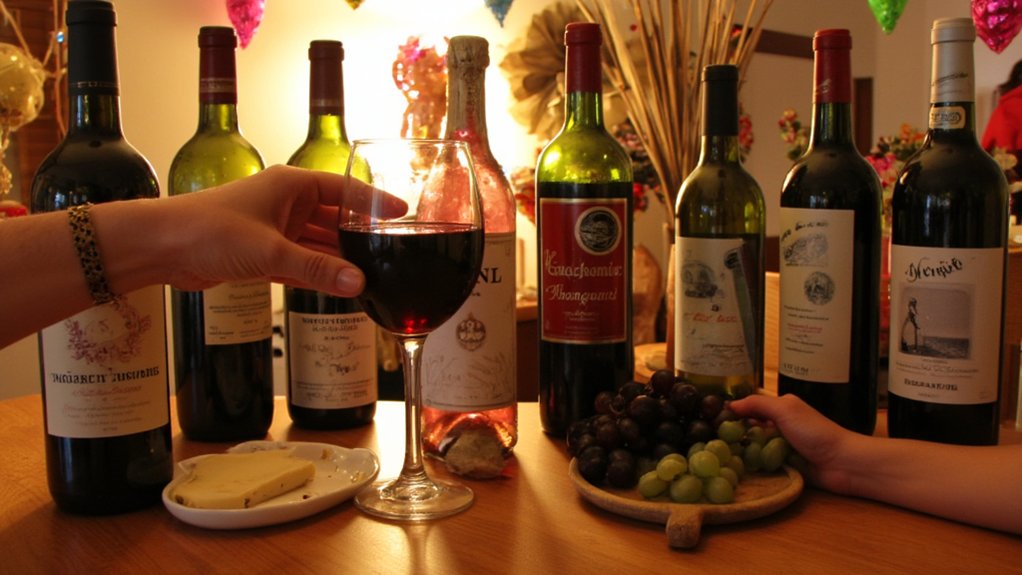
Even if you’ve never given a wine label more than a passing glance, it’s about time you did—it’s like a secret decoder ring for what’s inside the bottle. Seriously, those fancy fonts and foreign words aren’t just there to impress your dinner guests. They tell you all sorts of things: grape variety, region, and year. You’ll see terms like “vintage,” “estate bottled,” or “appellation.” That’s wine terminology, and yeah, it matters. Label regulations make sure the info’s not just a bunch of marketing fluff. If a bottle says “Pinot Noir,” for example, label regulations require it to actually be mostly Pinot Noir grapes. So, don’t just grab the bottle with the cutest animal on it—read the label and impress yourself with your new secret skills! For example, understanding terms like “off-dry” or wine sweetness can help you pair your wine better with foods that have varying spice levels.
Choosing the Right Wine for Your Occasion

Whether you’re planning a Netflix binge with pizza or hosting a fancy-ish dinner for your in-laws, picking the right wine can totally level up your night. You don’t have to be a wine tasting pro to make a solid choice—just match your wine to the vibe. Light reds like Pinot Noir are pizza’s best friend, while a crisp Sauvignon Blanc wows with salads or seafood. Wondering about cork vs. screw cap? Here’s a cheat sheet:
| Occasion | Go-To Wine Suggestion |
|---|---|
| Movie Night | Screw cap Shiraz |
| Dinner Party | Cork-sealed Merlot |
| Casual BBQ | Screw cap Chardonnay |
Don’t stress—taste beats tradition. Screw caps are easy and keep wine fresh, while corks add a touch of old-school flair. If you’re serving turkey or similarly mild dishes, picking a wine pairing for turkey can make a big difference in highlighting the meal’s flavors.
Exploring Lesser-Known Wine Regions
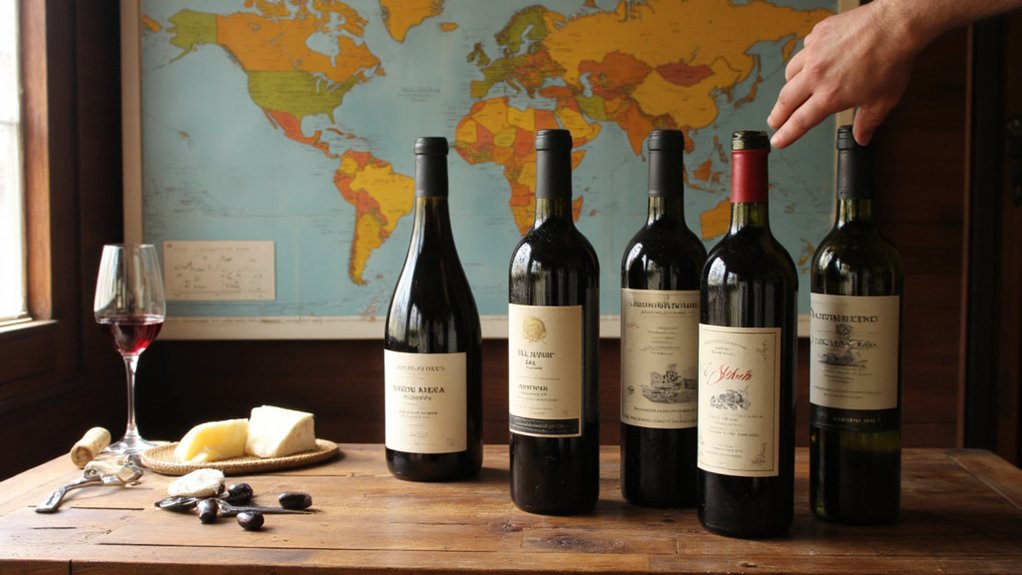
You’re missing out if you’re only grabbing bottles from the usual suspects like France or California. There are some incredible bargains hiding in emerging European wine regions and from underrated New World producers, just waiting to surprise your taste buds (and not drain your wallet). Seriously, who knew a Tuesday night could taste this good with a Portuguese red or a South African Chenin Blanc? For adventurous drinkers, Croatian wines like Pošip and Plavac Mali offer unique flavors and excellent value outside the mainstream.

Emerging European Wine Regions
While France and Italy tend to hog the spotlight, there’s a whole world of European wine just waiting to crash your dinner party—and trust me, these hidden gems are worth the invite. Ever tried a crisp white from Hungary or a bold red from Portugal? If not, you’re missing out. These regions offer incredible value and flavor. Plus, wine tasting their bottles lets you travel with your taste buds—no passport required.
When you pick up a bottle, don’t stress over cork vs. screwcap. Both can deliver great quality, especially from these up-and-coming spots. Here’s a quick cheat sheet for your next shopping trip:
| Region | Try This Wine |
|---|---|
| Hungary | Furmint (white) |
| Portugal | Baga (red) |
| Greece | Assyrtiko (white) |
Underrated New World Producers
Someone once said the best wines are the ones you haven’t discovered yet, and honestly, they might’ve been onto something. If you’re hunting for a killer budget bottle, don’t just stick to Napa or Mendoza—there’s a whole world of underrated New World producers waiting to surprise you. These hidden gems often offer fantastic quality, unique bottle design, and sometimes even organic certification, all at wallet-friendly prices.
Here’s what you should keep an eye out for:
- South Africa’s Swartland region: bold reds and zesty whites, often organic.
- Uruguay’s Tannat: punchy, food-friendly, and criminally overlooked.
- Canada’s Okanagan Valley: cool-climate wines with labels so pretty, you’ll want to Instagram ‘em.
Get adventurous. Your taste buds will thank you.
Decoding Price vs. Quality
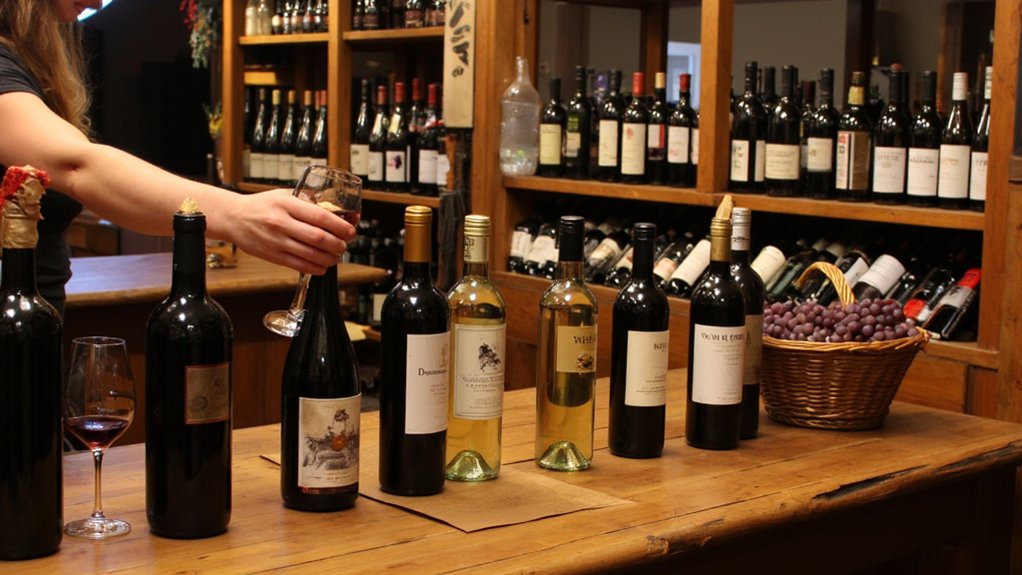
Ever wonder why some bottles of wine cost about as much as a sandwich, while others are priced like a weekend getaway? It’s not just marketing magic. Sure, a fancy bottle presentation can catch your eye, but it’s what’s inside that truly counts. Sometimes, budget wines deliver knockout wine aroma and flavor, even if the label isn’t screaming “luxury.” Price doesn’t always equal quality, so don’t get fooled by a high price tag. Here’s a quick cheat sheet to help you compare:
| Price Range | Wine Aroma | Bottle Presentation |
|---|---|---|
| Under $10 | Light, fruity, simple | Basic, minimal design |
| $10–$20 | Fresh, balanced, lively | Modern, nice graphics |
| $20–$30 | Complex, layered | Heavier, elegant bottle |
| $30+ | Deep, nuanced, rich | Fancy, possibly overkill |
When pairing wine with food—like the flavor profiles in macarons—consider both the sweetness and acidity to enhance your tasting experience. Trust your nose, not just your wallet!
Popular Grape Varieties That Offer Value
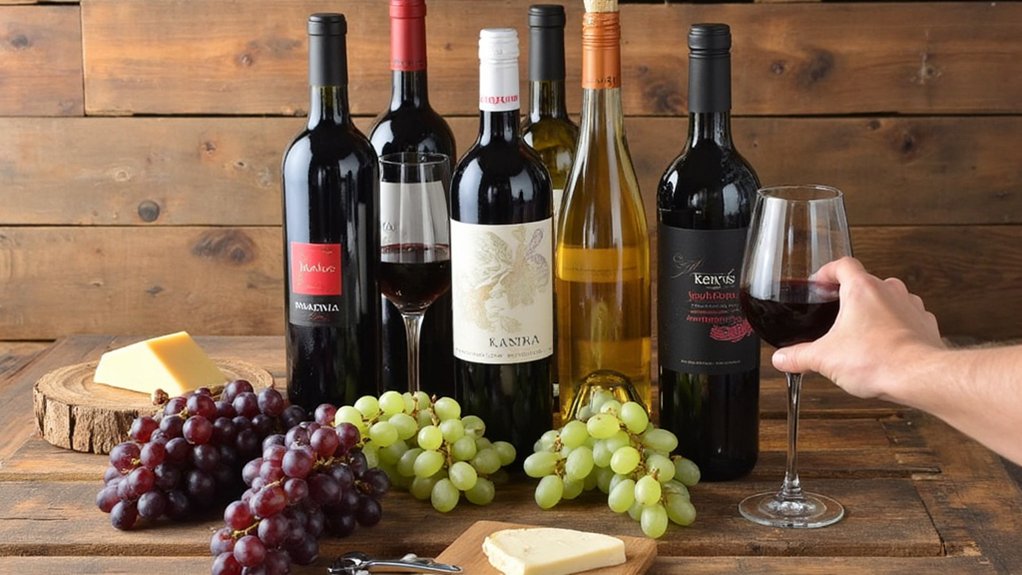
Sniffed your way past the price tags? Now it’s time to let your taste buds do the talking. When you’re hunting for budget wine, knowing which grape varieties deliver the best bang for your buck is a game-changer. Forget fancy labels—focus on grape flavor profiles and use simple wine tasting techniques to guide you.
Here are three grape varieties that consistently wow without breaking the bank:
- Malbec: Juicy, bold, and loaded with plum and blackberry flavors. Argentina’s secret weapon for wallet-friendly reds!
- Chenin Blanc: Crisp and zesty, with flavors ranging from apple to honey. South Africa often nails this one at low prices.
- Tempranillo: Spain’s workhorse grape. Earthy, cherry-packed, and perfect for everyday sipping.
For those interested in rosé, exploring Grenache-based blends—like those found in the Rhône Valley’s Tavel—can offer both value and impressive complexity. Taste, compare, and savor the value!
The Importance of Vintage in Budget Wines

Why does vintage even matter when you’re just looking for a good bottle on the cheap? You might think, “Hey, it’s wine, not a time machine!” But trust me, vintage importance is real even with budget wines. Some years serve up perfect weather, while others, well, let’s just say the grapes need therapy. A great vintage can make a $10 bottle taste like a $25 splurge, and who doesn’t want that?
Now, don’t expect aging potential miracles from most budget bottles. They’re meant to be popped open soon, not hidden away in a secret cellar. Still, if you spot a wine from a praised year, grab it. It’s like finding a five-dollar bill in your old jeans—unexpected, but totally worth celebrating. Even for wallet-friendly bottles, checking vintage charts can help you score the best possible value for your money.
Shopping Tips for Big-Box Stores and Local Shops
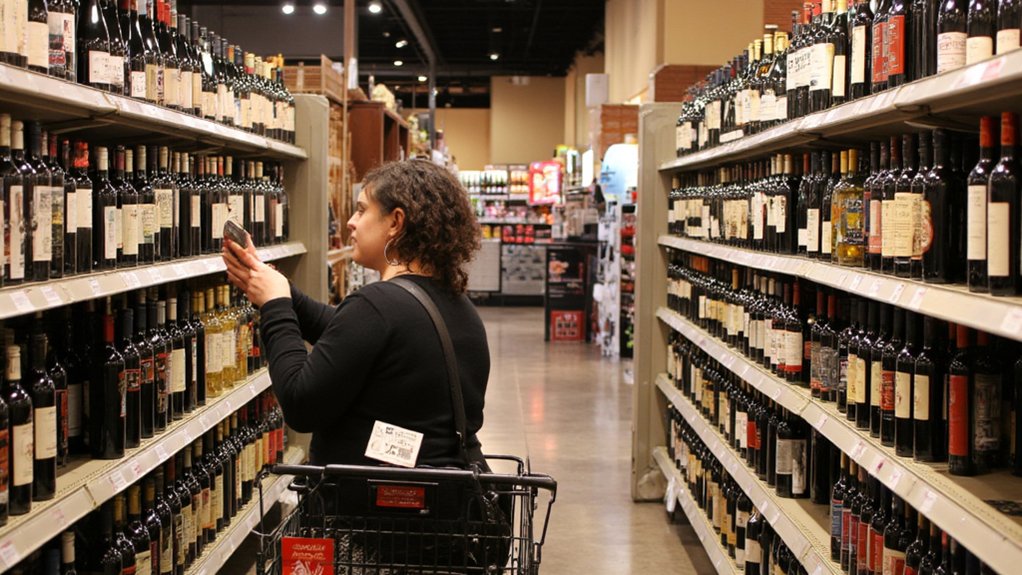
If you’ve ever wandered the towering aisles of a big-box store or squeezed through the cozy corners of your neighborhood wine shop, you know the hunt for a great budget bottle can feel like a game show—equal parts luck, skill, and a little bit of showmanship. To maximize your chances, keep your eyes peeled and your senses sharp. Don’t be shy about chatting up staff—they’ll spill secrets about hidden gems. Mind the wine storage, too; dusty bottles under a buzzing fluorescent light aren’t ideal. Also, think about what you’ll be eating. The perfect wine pairing can make a cheap bottle taste like a million bucks. If you’re planning a cheese platter, consider picking a wine that complements soft cheeses like Brie or other favorites for a more elevated experience.
- Ask staff for their favorite under-$15 picks.
- Check for proper wine storage conditions.
- Match your wine choice to your dinner plans.
Reading Reviews and Ratings Wisely

You’ve probably seen those wine ratings—95 points here, 87 points there—and wondered if they actually mean anything in the real world. Let’s crack the code on what those numbers really tell you, and which reviews you can actually trust (spoiler: your cousin who only drinks boxed rosé probably isn’t your best source). Trust me, if you know how to spot the good stuff, you’ll look like a wine wizard at your next dinner party—cape optional. When reading reviews, pay attention to references about acidity balance in wines, as this can make a huge difference in how well your wine pairs with a variety of foods, especially vegetable-based dishes like sautéed spinach.
Decoding Wine Rating Systems
Although wine ratings might look like a secret code only sommeliers understand, let’s be real—anyone can crack them with a little know-how. Don’t let those big numbers and fancy words intimidate you. Most wine rating systems—like the 100-point scale or star ratings—give you a quick peek at how pros judge the wine’s taste, aroma, and even factors like bottle design. But remember, a high score doesn’t always mean you’ll love it; your taste buds are unique!
Here’s how to make those ratings work for you:
- Check what’s being rated: Is it taste, wine aroma, bottle design, or something else?
- Look for patterns in what you like and how those wines are rated.
- Don’t ignore low-rated wines—they can be hidden gems!
Spotting Reliable Sources
While it might be tempting to trust the first shiny five-star review you spot, not all wine advice is created equal. You’ve got to be a bit of a detective. Look for reviews from folks who actually mention wine tasting, not just “tastes good with pizza.” Immerse yourself in sources that talk about wine pairing ideas, because someone who knows their stuff often throws in clever food combos. Don’t just trust one website—mix it up. If you see the same bottle getting love from wine critics, bloggers, and your neighbor’s cousin who hosts wine nights, you’re likely onto something. And hey, if a review uses too many fancy words without saying much, skip it. Trust your instincts, and have some fun with it!
Pairing Budget Wines With Food
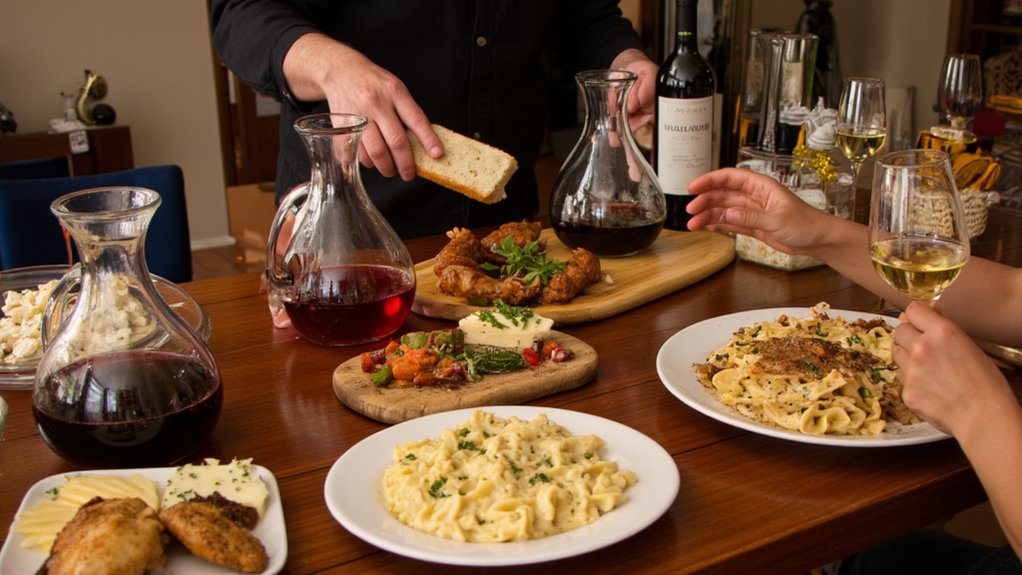
Even if your wine budget’s on the lighter side, there’s no reason your dinner table should feel left out of the fun. Food pairing with budget wines is all about flavor matching and just having a good time. You don’t need a sommelier’s diploma—just a sense of adventure and maybe a corkscrew that actually works. Here’s how to make your wallet-friendly wine sing with your meal:
- Pair crisp whites (like Sauvignon Blanc) with zesty salads or grilled chicken—they’ll bring out each other’s best sides.
- Go for bold reds (think Cabernet or Malbec) with burgers or pizza; you’ll be surprised how well they hang out together.
- Off-dry rosés? Try them with spicy tacos or salty snacks. It’s a fiesta in your mouth!
And if you want to make your meal even healthier, remember that red wines bring antioxidant properties to the table, supporting your overall wellness while you enjoy your pairing.
Storing and Serving to Maximize Flavor
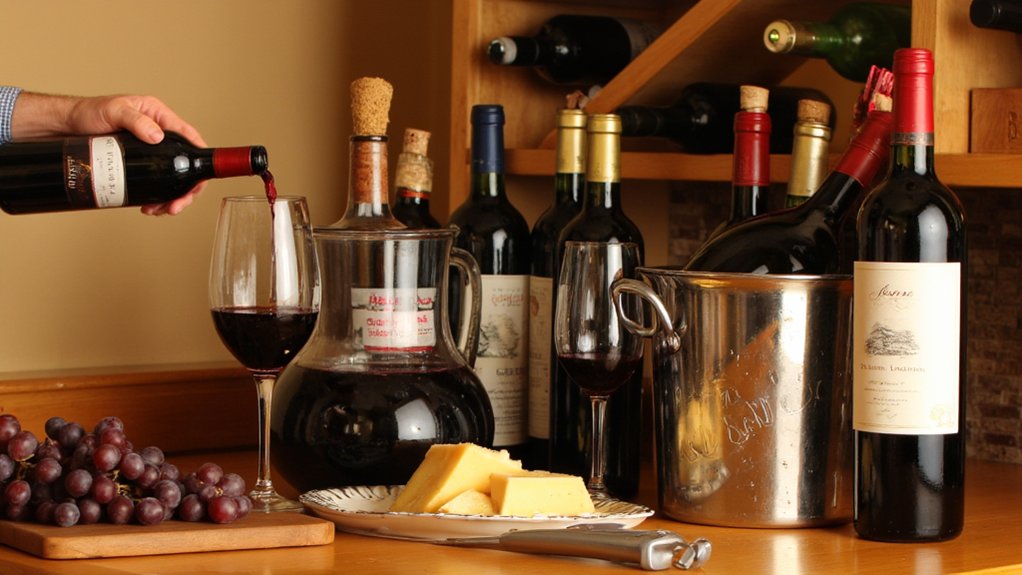
If you’re hoping to get the most flavor out of your budget wine, a little know-how goes a long way—trust me, it’s not rocket science, and you definitely don’t need a wine cellar that looks like a Bond villain’s lair. Let’s keep it simple: for wine storage, find a cool, dark spot—think closet or pantry, not your sunny kitchen counter. Lay bottles on their side if they’ve got corks.
Now, about serving temperature. Reds aren’t meant to be sweating it out at room temp; chill them for about 15 minutes in the fridge before serving. Whites and rosés? Give them 45 minutes to an hour. Too cold, and you’ll miss the flavors. Too warm, and they taste flat. Play it Goldilocks-style—just right!
For the best sipping experience, consider using proper glassware to enhance the aromas and flavors of your wine, as even budget bottles can taste noticeably better in the right glass.
Frequently Asked Questions
Can Budget Wines Be Used for Cooking?
Yes, you can use budget wines for cooking. Just make sure it’s a wine you’d drink. Think about wine pairing with your dish, and follow proper storage tips so your wine stays fresh for your next recipe.
Are Organic or Vegan Budget Wines Available?
Yes, you’ll find organic options and vegan certifications even among budget wines. Check labels or ask store staff to help you spot these choices. Don’t assume higher standards always mean higher prices—you’ve got accessible, ethical picks!
How Long Do Budget Wines Last After Opening?
After opening, you’ll usually get 3–5 days before budget wines lose their freshness. Wine aging doesn’t occur once opened, so use good storage techniques—recork, refrigerate, and keep it upright—to extend its drinkability a bit longer.
Do Budget Wines Contain More Additives?
Yes, you’ll often find budget wines have more additives. If you’re worried about additive concerns or flavor additives, check the label or research the winery. It’s common for cheaper wines to use additives for consistency.
Is Boxed Wine a Good Budget Option?
Yes, boxed wine’s a great budget option if you want quantity and freshness. Follow storage tips—keep it cool and out of sunlight. You’ll find tasting notes on the box, so you know what flavors to expect.