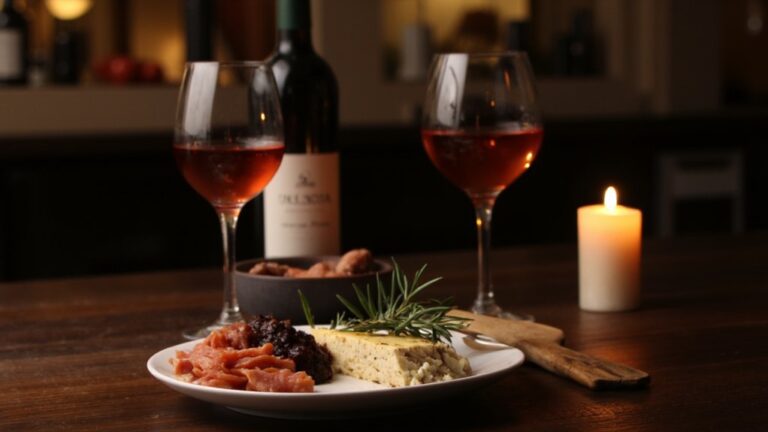
Ever wondered what makes Tavel wine so famous? Picture a dry rosé with a punchy character, bursting with watermelon and spice, hailing straight from France’s sun-drenched Rhône Valley. It’s not your average pink drink—it’s got a royal history, a bold attitude, and, rumor has it, even Napoleon couldn’t resist a glass. So, what’s the secret sauce behind Tavel’s charm, and why do wine lovers chase after it like it’s treasure? Let’s spill it.
Key Takeaways
- Tavel is a renowned dry rosé wine from the Rhône Valley in France, often called the “king of pinks.”
- It is primarily made from Grenache grapes, blended with Cinsault, Mourvèdre, and Syrah for added complexity.
- Tavel wines are known for bold red fruit flavors, herbal spice, and a distinctive watermelon and cracked pepper character.
- Traditional winemaking methods, including hand-harvesting and aging in ancient stone cellars, preserve its historic quality.
- Tavel pairs well with a wide range of foods and is best served chilled in a white wine glass.

France’s Iconic Dry Rosé

Three little words can make any wine lover’s heart skip a beat: French dry rosé. You know the type—pale pink, crisp, and packed with character. But let’s talk about the real superstar: Tavel. This isn’t your average rosé, it’s the king of pinks, and it owes everything to Tavel terroir. The rocky, sunbaked soils and breezy climate give Tavel wines a unique depth. You’ll taste layers of fruit and spice that set it apart. Tavel history goes way back; it’s got centuries of winemaking wisdom in every bottle. If you’re craving a dry rosé that doesn’t blend into the crowd, Tavel is the name to remember. Go ahead, pour a glass and taste the legend.
Historic Rhône Valley Roots
Tavel may steal the spotlight among French rosés, but let’s zoom out for a second—because the Rhône Valley is where the real magic starts. When you wander through this legendary region, you’re stepping into centuries of historic production. It’s not just grapes growing on vines; it’s generations of winemakers passing secrets down like family recipes. They stick to traditional methods, not because they have to, but because they want to honor the land and their ancestors. You’ll find hand-harvested grapes, ancient stone cellars, and a stubborn devotion to quality that’s honestly kind of inspiring. Even the sun seems to shine a little brighter on these vineyards. Isn’t it wild how a glass of wine can connect you to hundreds of years of history?
Grenache-Led Grape Blend

If you’re wondering what gives this wine its signature punch of color and flavor, search no further than Grenache—it’s the real star in the glass. Grenache characteristics are bold and lively, with juicy red fruit and a charming hint of herbal spice. But Tavel doesn’t stop there. Oh no, it likes to play with its friends. Winemakers use clever blending techniques, mixing Grenache with grapes like Cinsault, Mourvèdre, and Syrah to create layers of complexity. It’s kind of like assembling an all-star band, each instrument bringing something special to the song. Grenache leads the way, but the blend guarantees you get a harmonious finish, never boring or flat. You’ll taste the difference, and your glass will thank you.

Notes of Watermelon and Spice

You can thank that lively Grenache blend for the show-stopping colors, but the real fun begins when you stick your nose in the glass. Instantly, you get hit with a fresh watermelon aroma—like summer in a bottle. Take a sip, and it’s not just juicy fruit; those spicy undertones sneak up and add a playful kick. Imagine biting into a watermelon sprinkled with cracked pepper—unexpected, but oddly perfect. The flavors dance around, teasing your tastebuds, never feeling heavy or boring. You’ll find each glass is a little like a fireworks show, full of surprises. So if you thought rosé was always sweet and simple, Tavel’s mix of watermelon aroma and spicy undertones will definitely make you think again.
Famous Tavel Wine Brands
While some wine regions have just a handful of star players, the world of Tavel is packed with standout producers, each one adding their own twist to this legendary rosé. If you want to explore the best of Tavel wine history and dive deep into Tavel wine production, you’ve got to know the names that keep popping up at wine tastings and dinner tables. Here are four brands you really shouldn’t miss:
- Château d’Aquéria – Bold, classic, and always reliable.
- Domaine de la Mordorée – Consistently wins awards and hearts.
- Domaine Lafond Roc-Epine – Famous for its fresh, vibrant style.
- Domaine Maby – This one’s for the adventurous sipper.
Ready to taste the history? Each producer offers something unique, so start exploring!
Popular Tavel Choices For Any Budget

You don’t need to break the bank to sip a great glass of Tavel—there are tasty bottles out there that go for less than $20, so your wallet can relax. If you’re feeling a bit fancy, mid-range Tavels between $20 and $100 open up a world of richer flavors and show-off potential. And hey, if you’re ready to splurge, high-end Tavel wines above $100 will make you feel like royalty, or at least like you’ve won the wine lottery for the night!
Bargain Tavel Wines Under $20
- Château de Trinquevedel (Tavel) – dry, raspberry, floral, lively acidity, versatile
- Domaine Lafond Roc-Epine (Tavel) – fresh, berry-rich, mineral, well-balanced, crowd-pleaser
- Domaine Maby La Forcadière (Tavel) – vibrant, cherry, herbal, crisp, great value
- Domaine de la Mordorée La Dame Rousse (Tavel) – structured, spicy, red fruit, long finish
- Domaine des Carabiniers (Tavel) – organic, wild strawberry, zesty, invigorating, eco-friendly
Mid-Range Tavel Wines Between $20-$100
- Château d’Aqueria (Tavel) – elegant, floral, red currant, balanced, persistent finish
- Domaine Prieuré de Montézargues (Tavel) – refined, peach, spice, silky texture, invigorating acidity
- Château de Manissy Cuvée des Lys (Tavel) – organic, raspberry, white pepper, mineral, food-friendly
- Domaine Pélaquié (Tavel) – lush, ripe strawberry, herbal, vibrant, medium-bodied
- Domaine La Rocalière (Tavel) – expressive, cherry, citrus zest, savory, lingering minerality

High-End Tavel Wines Above $100
- Château de Trinquevedel Cuvée Traditionnelle (Tavel) – structured, complex, wild berry, floral, long finish
- Domaine de la Mordorée “La Reine des Bois” (Tavel) – intense, layered, black cherry, spice, exceptional aging
- Château d’Aqueria Prestige (Tavel) – elegant, concentrated, red fruit, mineral, harmonious, limited production
- Domaine Lafond Roc-Epine Prestige (Tavel) – powerful, aromatic, raspberry, garrigue, silky, collectible
- Domaine Maby “La Forcadière” Prestige (Tavel) – vibrant, lush, strawberry, white pepper, long-lived, premium
Classic Tavel Wine Food Pairings

When it comes to classic Tavel wine food pairings, you’re in for a treat—this isn’t just any rosé, after all. Tavel wine has a boldness that begs for equally flavorful foods, and you’ll find it right at home with all sorts of classic dishes and summer cuisine. Ready to impress your taste buds? Here are some classic pairings you should totally try:
- Grilled herbed chicken—the wine’s structure stands up to the juicy, savory flavors.
- Niçoise salad—the boldness of Tavel lifts the whole dish.
- Charcuterie boards—think salty meats and tangy cheeses, a total flavor explosion.
- Spicy shrimp tacos—the wine’s fruitiness balances the heat.
Perfect for picnics or patio dinners, right?
Napoleon’s Favorite Rosé Wine
If you’ve ever wondered what kind of rosé could win over a guy like Napoleon, search no more than Tavel. Picture him—hat tilted, steely gaze, probably plotting his next campaign—yet even he melted for a glass of this legendary pink wine. Napoleon’s preferences were famously picky, but he had a soft spot for the bold, dry character of Tavel. That’s historical significance you can literally taste!
Imagine swirling the same wine that once graced the emperor’s table. Not just any wine makes history books, but Tavel does. It stood out in a world full of reds and whites, earning a reputation as the rosé of kings, conquerors, and, let’s be honest, anyone with good taste. Even you. Napoleon knew what was up.
Does Tavel Wine Age Well?
Although most rosés beg you to pop the cork while they’re young and lively, Tavel doesn’t play by those rules. You’ll discover Tavel has real aging potential, which isn’t something you can say about every pink wine. In fact, if you stash a bottle in good wine storage—cool, dark, and not next to your laundry detergent—it’ll reward your patience. Over time, Tavel’s flavors deepen, getting richer and more complex. The wine’s structure stands up, so you don’t have to worry it’ll fade into a sad memory of strawberries. Instead, you’ll find new notes: dried herbs, spice, and sometimes a touch of earthiness. It’s like the wine goes on a journey—and you get to taste every stop. Cool, right?
Tavel Wine Serving Tips

Ever wondered how to make Tavel sing in your glass? Well, you’re in the right place. Tavel’s bold rosé style deserves a little ceremony. First, chill it—but not too much. You want the flavors to dance, not hide in the cold! Your ideal serving temp is about 50–55°F (think: cool cellar, not arctic blast). Glass selection matters, too. Skip the tiny flute. Go for a white wine glass to let those aromas bloom.
Here’s a quick cheat sheet:
- Chill to 50–55°F for ideal serving.
- Use a white wine glass for the best aroma.
- Don’t overfill—let it swirl!
- Pair with food, or sip solo, but always enjoy.
Now, raise that glass. Let the Tavel magic begin!
Similar Wines to Tavel Wine
Plenty of wines out there can scratch that Tavel itch, especially when you’re in the mood for a rosé that isn’t shy about showing off. If you love Tavel, you’ll find similar rosé wines in regions like Provence—think Bandol rosé, which brings a little extra muscle to the glass. Head to Spain and you’ll run into Navarra rosado, a bold pink that can go toe-to-toe with Tavel’s savory punch. Italy’s Chiaretto from Lake Garda? Also a winner. These comparable wine regions all have their own swagger, but they share Tavel’s attitude: more flavor, more color, more fun. Basically, if you want a rosé that’s loud and proud, you’ve got options. Don’t be shy, explore ’em all!
Frequently Asked Questions
Is Tavel Wine Suitable for Vegans or Vegetarians?
If you’re looking for vegan wine or vegetarian options, you should check the label or contact the producer. Not all Tavel wines are vegan-friendly, as some may use animal-based fining agents during production, so always verify.
What Is the Average Alcohol Content of Tavel Wine?
You’ll find the average alcohol content of Tavel wine ranges from 13.5% to 14.5%. These Tavel characteristics give the wine body and structure, making it perfect for Tavel pairings like grilled meats or Mediterranean dishes.
Are Organic or Biodynamic Tavel Wines Available?
You can find Tavel wines with organic certification and some that follow biodynamic practices. When shopping, look for labels indicating these methods, as producers increasingly embrace sustainable approaches. You’ll enjoy wine crafted with environmental responsibility in mind.
Can Tavel Wine Be Used in Cooking Recipes?
You can definitely use Tavel wine in cooking recipes. For cooking tips, try adding it to sauces or reductions. Its robust flavor enhances recipe pairings with roasted chicken, seafood, or Mediterranean dishes, giving your meals extra depth.
How Is Tavel Wine Affected by Climate Change?
You’ll notice climate change impacts Tavel wine through temperature variations, which can speed up grape ripening. That means you’ll see earlier harvest timing, potentially altering the wine’s balance, flavor, and signature freshness you expect from Tavel.