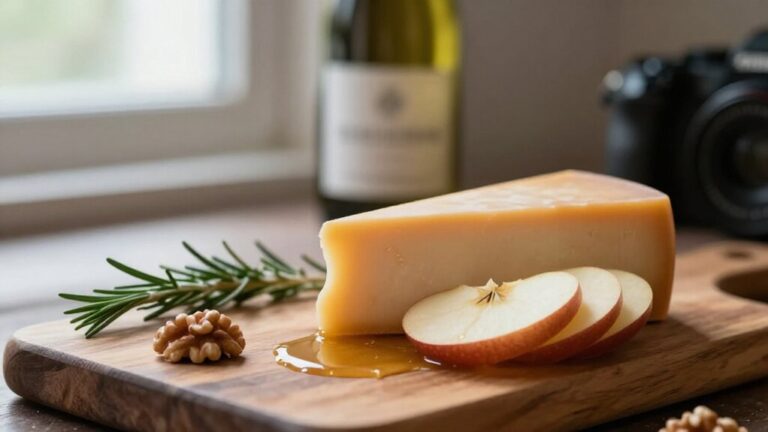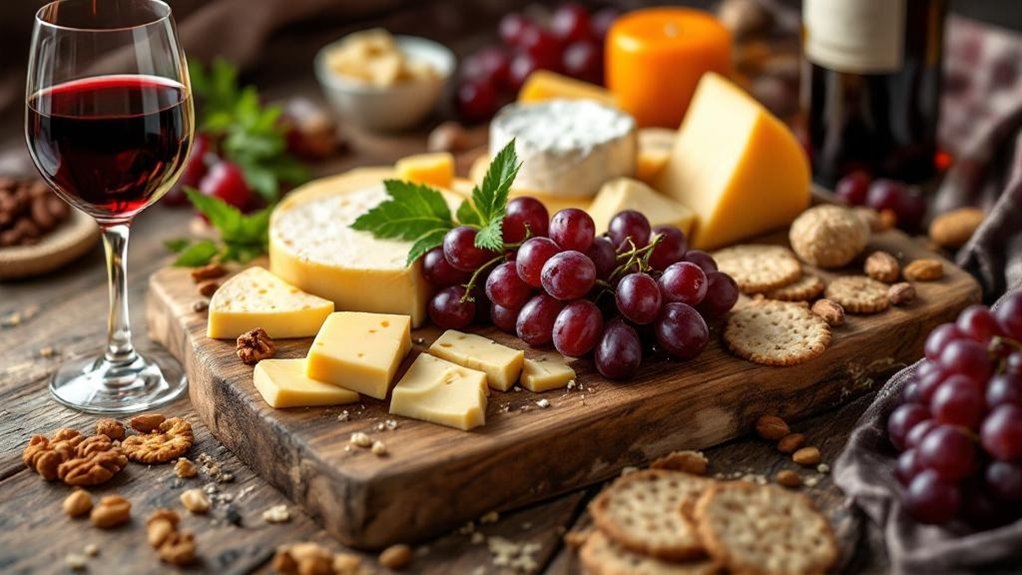
You’ll create a spectacular cheese platter by pairing soft cheeses like Brie with sparkling wines, aged cheddars with tannic Cabernets, and blue cheeses with sweet ports or Sauternes. Arrange 3-5 varieties on a wooden board with dried fruits, honey, and spiced nuts for contrast and visual appeal. Don’t forget regional pairings—cheeses often match perfectly with wines from the same area! Trust your tastebuds and experiment; there’s a whole world of delicious possibilites waiting to be discovered.
Key Takeaways
- Regional pairings excel naturally—try Spanish Manchego with Rioja or Italian Parmigiano with Chianti for harmonious flavor profiles.
- Soft cheeses like Brie and Camembert pair wonderfully with sparkling wines and Champagne, creating a luxurious taste experience.
- Aged hard cheeses complement high-tannin red wines—pair aged Gouda or Cheddar with Cabernet Sauvignon to enhance both flavors.
- Blue cheeses require bold, sweet wines like Port or Sauternes to balance their pungent saltiness.
- Create visually appealing platters with 3-5 cheeses of varying textures, accompanied by honey, nuts, and fruits for complete flavor profiles.
Understanding the Fundamentals of Cheese and Wine Pairing

While many folks believe that pairing cheese and wine is complex and intimidating, it’s actually more intuitive than you’d think. The key is understanding how cheese maturation affects flavor, and how wine tannins interact with different cheese textures. You’ll notice that aged cheeses, with their strong, crystalline texture, stand up beautifully to bolder red wines!
Think of pairing like a dance between contrasts and compliments. Creamy brie? Try a crisp champagne. Sharp cheddar? Reach for that cabernet sauvignon. The fun is in the experimentation, and trust me, there are no real “wrong” answers here – just some pairings that’ll make your tastebuds happier than others.
Remember this cheese wisdom: when in doubt, pair regional wines with cheeses from the same area – they’ve evolved together! Additionally, consider incorporating dessert wines into your pairings, as their sweetness can enhance the flavors of certain cheeses, creating a delightful balance.
Soft Cheese Selections: From Brie to Burrata
When you’re delving into the world of soft cheeses, you’re really exploring the most luxurious, creamy side of dairy indulgence! These heavenly treats require specific cheese storage techniques to maintain their gooey perfection, typically in wax paper rather than plastic wrap. The cheese aging process for softies is generally shorter than hard varieties, giving them that melt-in-your-mouth quality we all crave.
- Brie – The “Queen of Cheeses” with its bloomy rind and buttery interior
- Camembert – Brie’s more rustic, earthy French cousin
- Burrata – A cream-filled mozzarella pouch that’s basically dairy heaven
- Chèvre – Tangy goat cheese that’s incredibly versatile
- Taleggio – A washed-rind Italian cheese with a bark worse than its bite (the smell is stronger than the taste!)
To enhance your experience, pairing these soft cheeses with the right wine, such as Champagne and sparkling wines, can elevate the overall tasting adventure.
Aged and Hard Cheeses: Perfect Wine Companions

Moving from the pillowy-soft world of Brie and Burrata, let’s get acquainted with their firmer, more mature cousins – aged and hard cheeses!
When you’re exploring aged cheddars, goudas, or parmesans, you’re diving into a wonderland of complex flavors created through the cheese aging process. These cheeses have developed personality, much like that quirky uncle who tells the same jokes at every family gathering! They’ve got bite, crystallization, and depth that pairs beautifully with wines containing higher wine tannins.
Try matching a 24-month aged gouda with a robust cabernet sauvignon – the cheese’s caramel notes will dance delightfully with the wine’s structure. Additionally, aged Gouda’s crystallized texture complements the tannins in bold red wines, enhancing the overall tasting experience. Or perhaps pair a sharp pecorino with a chianti, where the cheese’s saltiness balances the wine’s acidity. These pairings aren’t just compatible, they’re downright magical!

Blue Cheese Adventures: Bold Wines for Strong Flavors
Now that we’ve explored the mature personalities of aged cheeses, let’s plunge into the wild world of blue cheese! These funky, pungent varieties demand bold wines that can stand up to their intense flavors. You’ll want something with enough character to complement, not compete with, these moldy marvels.
- Port wine’s sweetness creates a heavenly contrast with the saltiness of Roquefort
- Cabernet Sauvignon pairs wonderfully with milder blue cheeses like Gorgonzola dolce
- Sweet dessert wines (Sauternes) balance the pungency of strong blues
- Robust reds like Syrah can match the intensity of Stilton
- Sparkling wines cut through the creamy richness of buttery blue cheeses
Don’t shy away from experimenting! Blue cheese might seem intimidating, but they’re actually the life of the party when matched with the right bold wines. Remember, focusing on sweeter wines can significantly enhance your pairing experience!
Creating a Balanced Cheese Board: Texture, Variety, and Presentation

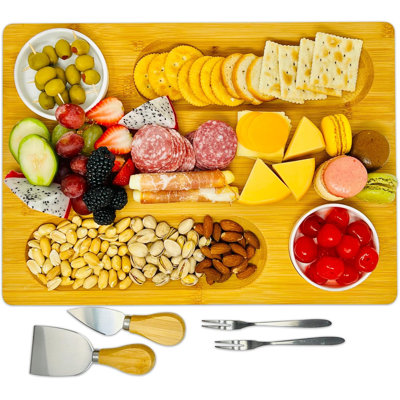
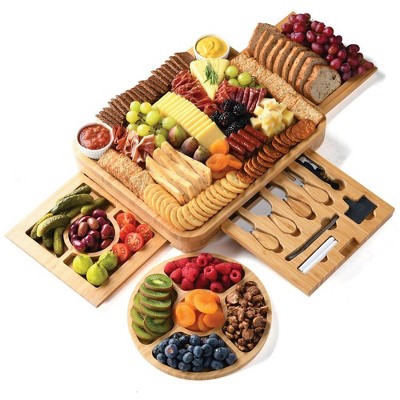
Beyond the domain of blue cheese lies the creative canvas of the balanced cheese board! When crafting your platter, consider texture, flavor, and visual appeal to wow your guests. Start with 3-5 cheeses, mixing soft (brie), semi-firm (gouda), and hard (aged cheddar) varieties for textural contrast.
Your cheese board arrangement should follow the rule of odds—three or five focal points create more dynamic platter aesthetics than even numbers. Don’t forget the accompaniments: honey, nuts, fresh and dried fruits, and quality crackers that complement rather than overwhelm your cheeses.
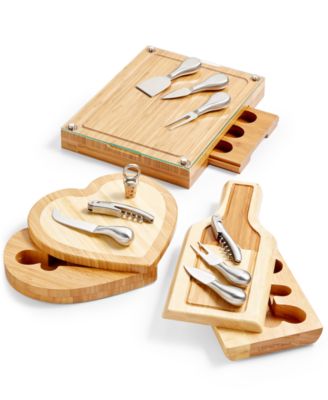
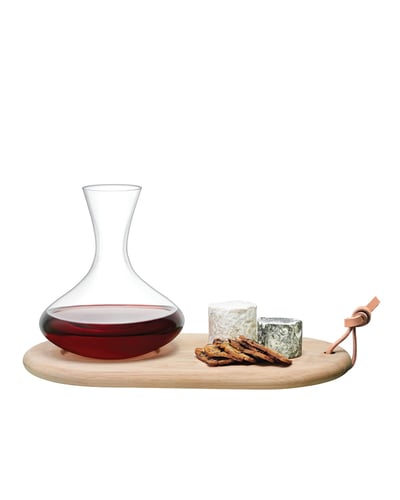
Space things out in clusters, leaving breathing room between groups. Remember, we eat with our eyes first! A wooden board or slate provides the perfect backdrop for your dairy masterpiece, making those creamy whites and golden yellows really pop. Additionally, pairing wines with cheese can enhance the tasting experience, as acidity in wine helps cleanse the palate between bites.
Seasonal Pairing Suggestions for Year-Round Entertaining
When you’re planning summer gatherings, you’ll find that light, fresh cheeses like feta, mozzarella, and goat cheese pair wonderfully with crisp rosés and chilled whites, perfect for those sun-drenched picnics in the park. As winter creeps in, it’s time to shift towards hearty, aged cheddars, robust blues, and nutty Gruyères that stand up beautifully to full-bodied reds and warming ports, creating that cozy atmosphere we all crave. Your seasonal cheese board isn’t just food—it’s a reflection of the world outside your window, changing and evolving just like the weather, with each season offering its own delicious possibilities to explore. Additionally, incorporating Sauvignon Blanc’s bright acidity into your pairings can enhance the enjoyment of fresh feta dishes during the warmer months.
Summer Picnic Inspirations
As the sun blazes overhead and outdoor gatherings become the highlight of the season, summer picnics call for cheese and wine combinations that won’t wilt in the heat. You’ll want invigorating pairings that can withstand warmer temperatures while still delivering that perfect cheese tasting experience. Think crisp whites and light-bodied rosés alongside firmer cheeses that won’t turn into puddles!
- Feta with Sauvignon Blanc – the saltiness and citrus dance together beautifully
- Fresh goat cheese paired with Provence rosé – a match made in picnic heaven
- Aged manchego and crisp Albariño – suprisingly delightful in the sunshine
- Smoked gouda with chilled Pinot Noir – for those who insist on red wine
- Mini mozzarella balls with Prosecco – bubbly fun for wine tasting on the go!
Winter Warming Combos
While summer calls for invigorating pairings, winter evenings demand robust cheese and wine combinations that’ll warm you from the inside out! Think aged cheddars, smoked goudas, and hearty blues paired with full-bodied Cabernets or spicy Syrahs. Pour these winter winners into large-bowled wine glasses to capture their rich aromas—trust me, proper glassware makes all the differance!
For cheese storage during winter months, keep your selections at room temperature for 30 minutes before serving, but never let them sit out for your entire gathering (eww, sweaty cheese!). A wooden board near the fireplace creates the perfect staging area for these cold-weather treats. And don’t forget some dried fruits and spiced nuts to round out your platter, they’re like the cozy scarves for your cheese experience!
Frequently Asked Questions
Can Lactose-Intolerant Individuals Enjoy Any Options on Cheese Platters?
Yes, you can enjoy lactose-free cheeses like aged cheddar or gouda on cheese platters. Many dairy alternatives made from nuts or soy are also excellent options for your dietary needs.
How Far in Advance Can I Prepare a Cheese Board?
You can prepare your cheese board 24 hours ahead. Store cheeses separately wrapped, then arrange on your platter 30-60 minutes before serving for ideal temperature and presentation.
What Non-Alcoholic Beverages Pair Well With Different Cheeses?
You’ll love fruit infused waters with fresh cheeses and herbal tea pairings with aged varieties. Apple juice complements cheddar, while sparkling cider works beautifully with brie and camembert.
How Much Cheese and Wine Should I Plan per Guest?
Plan 2-3 oz of cheese per person with various cheese serving sizes. For wine, estimate half a bottle per guest. You’ll need less if you’re offering other drinks too.
Are There Nut-Free Alternatives for Adding Texture to Cheese Boards?
You’ll love nut-free crackers and dried fruits for texture on your board. Try seed-based toppings like sunflower or pumpkin seeds, plus honeycomb, olives, and roasted chickpeas as crunchy alternatives.