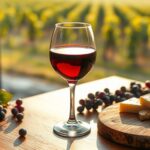
You’ll find that red wine is far more approachable than its sophisticated reputation suggests. Start with friendly varieties like smooth Merlot or light Pinot Noir, serving them at the ideal temperature of 60-65°F to reveal their full potential. When tasting, remember to swirl, sniff, and sip while noting the flavors that dance across your palate. From bold Cabernets to spicy Syrahs, there’s a whole world of exciting flavors waiting to be discovered.
Key Takeaways
- Learn the five basic red grape varieties: Cabernet Sauvignon, Merlot, Pinot Noir, Syrah, and Zinfandel, each offering distinct flavor profiles.
- Master essential tasting techniques by examining appearance, swirling to release aromas, and taking short sniffs to identify flavors.
- Serve red wines at proper temperatures between 60-65°F (15-18°C) to experience optimal flavor and aroma development.
- Match wine intensity with food: lighter reds for poultry, medium-bodied for pork, and bold reds for beef dishes.
- Start with budget-friendly brands like Bogle and Columbia Crest to explore different styles without significant investment.

Understanding the Basic Red Wine Grape Varieties

Starting on your red wine journey can feel like entering a deliciously complex maze, but don’t worry – we’ll start with the essential grape varieties that form the backbone of red wines worldwide. You’ll discover that Cabernet Sauvignon brings bold, dark fruit flavors, while Merlot characteristics lean toward smooth, plummy notes that’ll make you smile. If you’re seeking something lighter, Pinot Noir’s your delicate dance partner, and for spicy adventure, explore the Syrah differences that’ll wake up your taste buds. Love bold flavors? Zinfandel notes pack a punch with jammy intensity, while Malbec profile offers velvety dark chocolate vibes. Don’t forget to explore Spanish Tempranillo origins and the versatile Grenache varieties – they’re like the unsung heroes of the red wine world! Additionally, understanding the importance of terroir can enhance your appreciation of how these grape varieties express themselves in different regions.
The Art of Wine Tasting: Sight, Smell, and Sip
Now that you’re familiar with the major grape varieties, let’s put your newfound knowledge into action with the exciting world of wine tasting! With some basic tasting techniques under your belt, you’ll be swirling and sipping like a pro in no time.
Start by examining your wine’s appearance, holding the glass against a white background – and no, your friend’s crisp dress shirt doesn’t count! Next, immerse yourself in the aroma wheel adventure by giving your glass a gentle swirl and taking short sniffs to identify those fascinating flavor profiles. During your sensory evaluation, don’t forget proper wine etiquette: hold the glass by its stem, practice palate cleansing between sips, and keep track of your tasting notes. Just remember, if something smells like wet cardboard, that’s not an exotic flavor profile – it’s probably one of those pesky wine faults! Additionally, becoming familiar with the wine tasting basics can enhance your overall experience and appreciation of different wine styles.
Decoding Wine Labels and Terminology

While wine labels might look like cryptic puzzles designed to confuse even the savviest wine enthusiasts, they’re actually treasure maps packed with valuable information about what’s in your bottle. Once you’ve got a handle on label reading basics, you’ll reveal a whole new world of wine appreciation!
Your terminology guide to wine classifications starts with understanding regional influences, from French AOCs to Italian DOCGs. The vintage significance tells you about the growing season’s weather, while flavor descriptors give you a sneak peek into what’s waiting in your glass. Don’t forget to check the alcohol content, which can range from a gentle 11% to a bold 15%. Bottle sizes have fancy names too – from tiny splits to massive Nebuchadnezzars – and producer reputation often speaks volumes about what you can expect from those carefully crafted tasting notes.

Perfect Serving Temperature and Storage Tips
Ever wondered why your favorite red wine tastes different at various temperatures? It’s all about finding that sweet spot! The ideal temperature for most red wines falls between 60-65°F (15-18°C), though fuller-bodied reds can go a few degrees warmer. When served too cold, those gorgeous flavors hide like a shy teenager at prom, but too warm, and your wine becomes a hot mess!
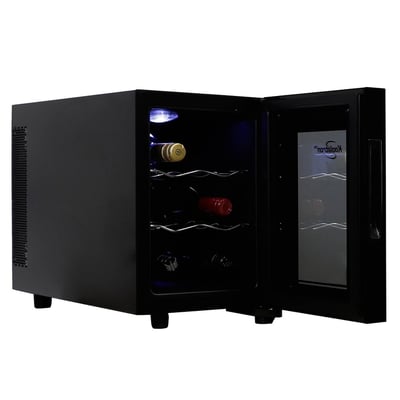
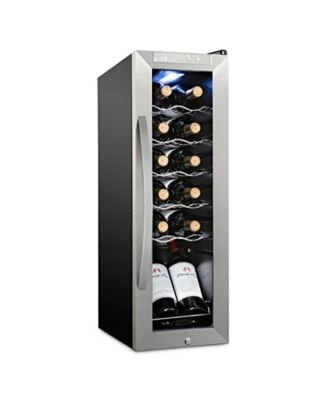
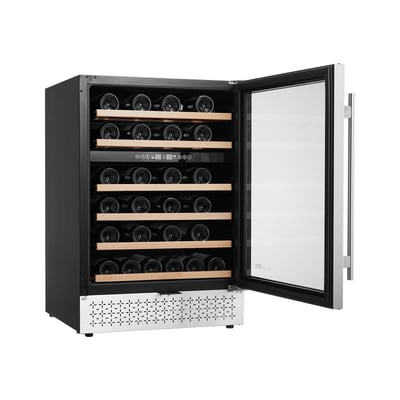
For proper storage, think like a wine-loving vampire: dark, cool, and peaceful. Keep your bottles away from direct sunlight and heat sources, storing them horizontally at a consistent temperature around 55°F (13°C). And please, don’t stash them above your fridge – that’s like sending your wine to a steamy sauna! If you’re serious about your reds, consider investing in a wine fridge.
Popular Red Wine Regions Around the World

The world of red wine spans across continents like a grape-loving explorer’s dream map, with each region telling its own delicious story through the vines. You’ll find legendary Bordeaux blends strutting their stuff in France, while Tuscan treasures and Italian varietals dance through Italy’s rolling hills. Napa gems sparkle on California’s coast, and Oregon Pinot delivers delicate magic in the Pacific Northwest. Don’t forget Spain, where Spanish classics like Rioja reign supreme, or Australia’s bold Australian Shiraz that packs a punch down under. South African Pinot offers elegant surprises, while South America brings its A-game with Chilean favorites and the irresistible Argentine Malbec. Each region’s unique climate and tradition create wines that’ll make your taste buds feel like they’ve earned frequent flyer miles!
Food and Red Wine Pairing Fundamentals
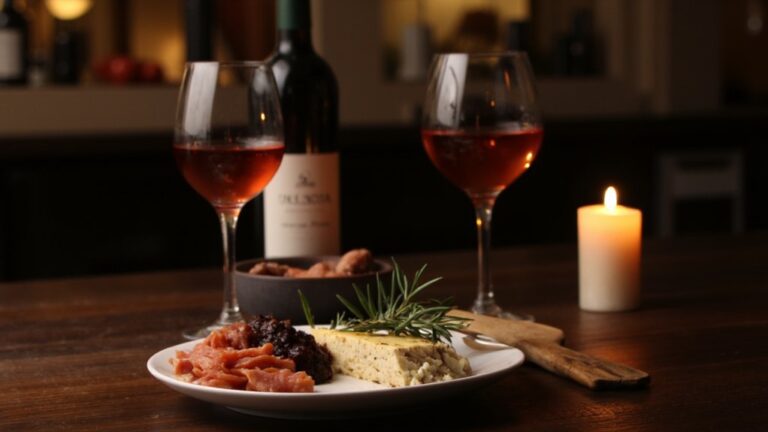
Matching food with red wine isn’t rocket science, but it’s definitely an art that’ll elevate your dining experience from “meh” to “magnificent!” Just as a great dance partner brings out your best moves, the right wine pairing can make your favorite dishes sing and your taste buds do a happy dance.
| Wine Style | Food Pairings | Cooking Methods |
|---|---|---|
| Light Reds | Grilled chicken, seafood | Poaching, steaming |
| Medium Reds | Pork, mushrooms | Roasting, sautéing |
| Bold Reds | Beef, lamb | Grilling, braising |
| Spicy Reds | Mexican, Indian | Smoking, stir-frying |
| Sweet Reds | Chocolates, fruits | Baking, caramelizing |
You’ll want to take into account flavor profiles and regional cuisines when making your match. Remember, texture matching is just as important as taste contrasts – think of how a robust Cabernet stands up to a juicy steak, while a lighter Pinot Noir dances perfectly with seasonal dishes like roasted salmon.
Common Red Wine Characteristics and Flavors

Diving into red wine’s flavor profiles is like exploring a treasure chest of sensory delights, where each bottle tells its own unique story through aromas and tastes. You’ll discover tannin levels that range from gentle to bold (think silk versus sandpaper), and flavor profiles that dance between fruit-forward bursts and earthy undertones.
When you’re tasting, pay attention to the acidity balance and body types – some wines are light and playful, while others are as full-bodied as your grandmother’s holiday gravy! Aroma characteristics can whisk you away to a French countryside or a sun-drenched California vineyard, thanks to terroir influence. The finish length tells you how long these flavors linger, while vintage variations remind us that Mother Nature’s yearly mood swings keep things deliciously unpredictable.
Essential Wine Tools and Accessories
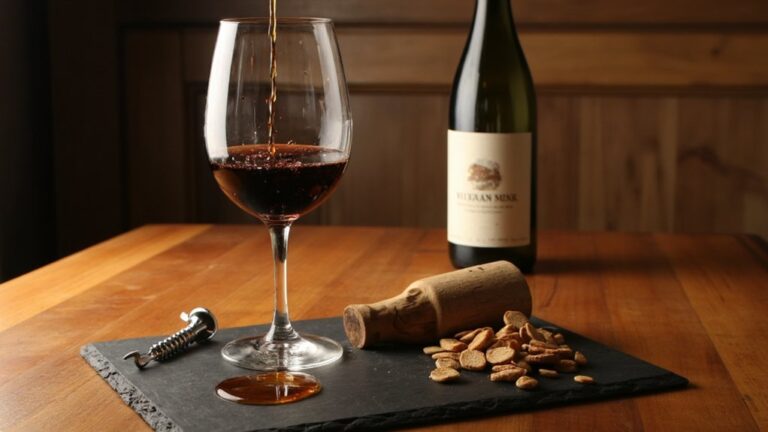
Savvy wine enthusiasts know that proper tools can transform an ordinary wine experience into something extraordinary, much like how a maestro needs their baton to conduct a symphony. From basic wine opener types like the trusty waiter’s friend to those fancy rabbit-style contraptions that’ll make you feel like a sommelier-in-training, you’ll want to start building your collection.
Don’t forget about proper glassware selection – those big-bellied Bordeaux glasses aren’t just for show! Add some aeration tools and a beautiful decanter to help your wine breathe (and look stunning on your table). For wine preservation, you’ll want a vacuum pump system to keep your opened bottles fresh, because let’s face it – sometimes you can’t finish that bottle in one sitting (though we won’t judge if you do!).
The Aging Process: What You Need to Know

The art of aging wine transforms an ordinary bottle into something magical, much like Father Time working his enchanting spell. As your wine matures, fascinating oxidation effects and barrel aging create complex layers of flavor that’ll make your taste buds do a happy dance. You’ll notice tannin development smoothing out those once-harsh edges, while flavor evolution brings out hidden notes you never knew existed.
Keep in mind that vintage variations can be as unpredictable as your aunt’s mood swings, so proper storage conditions are essential. You’ll want to maintain ideal temperature and humidity levels while ensuring cork integrity remains intact. Remember, bottle age isn’t just about waiting – it’s about patience and anticipation, like watching your favorite TV show’s season finale, but with a much tastier reward at the end.
Building Your Red Wine Collection on a Budget
Building an impressive red wine collection doesn’t require a Wall Street salary, even if your budget’s tighter than a cork in a bottle. Start by exploring budget brands like Bogle, Ravenswood, and Columbia Crest, which consistently deliver quality without breaking the bank.
Smart collector tips include signing up for wine club memberships at local shops, where you’ll score discounts and early access to sales. Don’t shy away from lesser-known regions – while everyone’s chasing expensive Bordeaux, you can discover hidden gems from Argentina, Chile, and Spain at fraction of the cost. Keep an eye on seasonal clearance sales, and remember: wine shops are like dating – sometimes the perfect match is sitting quietly on the bottom shelf, just waiting to be discovered.
Frequently Asked Questions
Can Red Wine Stains Be Completely Removed From Clothing and Carpets?
You’ll successfully remove red wine stains with quick stain removal action. Apply salt, club soda, or white vinegar immediately, then blot. Don’t rub. For stubborn spots, try cleaning tips like enzymatic cleaners.
Does Red Wine Actually Help Prevent Heart Disease?
You’ll find antioxidant benefits in red wine can support heart health when consumed moderately, but don’t start drinking just for these effects – a healthy diet matters more overall.
Why Do Some People Get Headaches Specifically From Drinking Red Wine?
You’re likely experiencing histamine sensitivity or tannin reactions. Your body may struggle to process these compounds found in red wine, triggering headaches when you drink it.
How Long Can an Opened Bottle of Red Wine Last?
Did you know 57% of opened wine goes to waste? You’ll get 3-5 days from your opened red if you fight oxidation effects through proper storage tips: recork tightly and refrigerate.
Is It True That Red Wine Can Help You Sleep Better?
While red wine may initially make you drowsy, it can actually disrupt your sleep quality later. You’re better off avoiding alcohol before bedtime for truly restful sleep.