
Did you know that 25% of adults believe red wine is good for their health? You’re not alone if you’ve ever justified that evening glass of Merlot as “heart medicine,” and there might be some truth to your clever reasoning. While the jury’s still debating the full scope of red wine’s benefits, mounting evidence suggests this ancient beverage packs more than just a pleasant buzz – from heart-boosting antioxidants to gut-friendly compounds that could make your nightly sip a smart health move.
Key Takeaways
- Red wine contains powerful antioxidants like polyphenols that protect cells from damage and help maintain healthy blood pressure.
- Moderate consumption may reduce heart disease risk and increase beneficial HDL cholesterol levels by up to 16%.
- Resveratrol in red wine fights cancer by regulating mutant proteins and enhancing chemotherapy effectiveness.
- Regular wine consumption supports cognitive function and may help prevent protein buildup associated with Alzheimer’s disease.
- Red wine polyphenols improve gut health by promoting beneficial bacteria diversity and helping manage blood sugar levels.



Understanding Red Wine’s Antioxidant Properties
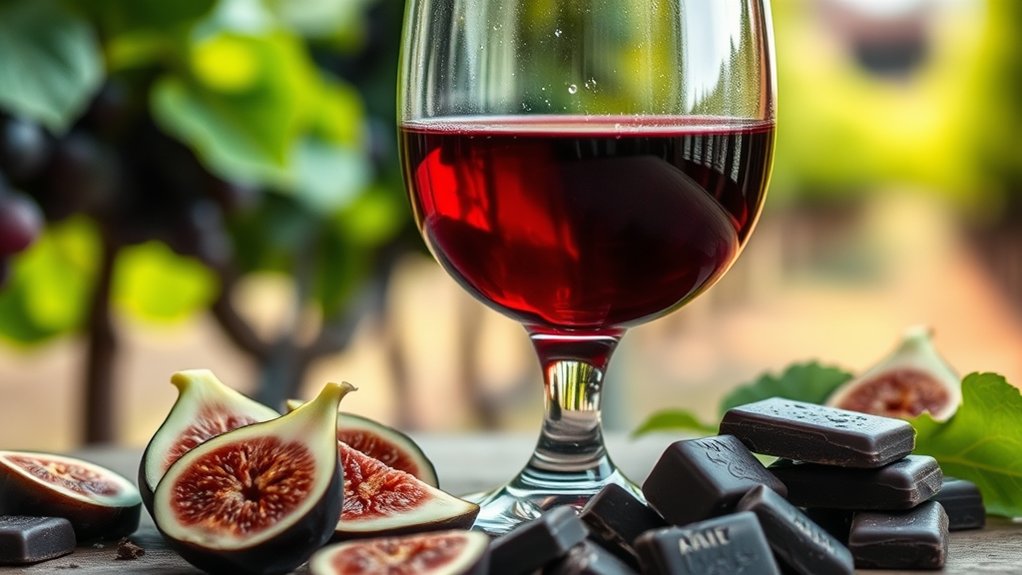
While you might think of red wine simply as a delightful dinner companion, it’s actually a powerhouse of antioxidants that can work wonders for your health. Those rich, deep colors in your glass aren’t just for show – they’re coming from polyphenol sources like grape skins used during fermentation, packed with compounds such as catechin, quercetin, and anthocyanin.
The antioxidant mechanisms at work in your favorite Cabernet or Merlot are truly fascinating. These clever compounds patrol your bloodstream like tiny superheroes, fighting off harmful oxidative stress and protecting your cells from damage. They’re especially good at keeping your heart happy, helping to maintain healthy blood pressure and keeping your blood vessels flexible. Who knew your evening glass of red was working so hard behind the scenes? Scientists have discovered that these polyphenols offer significant anti-inflammatory properties that benefit overall wellness.
The Power of Resveratrol in Red Wine
Among the many health-promoting compounds found in red wine, resveratrol stands out as the superstar that’s got scientists and wine enthusiasts equally excited. You’ll find this powerful antioxidant primarily in grape skins and seeds, which explains why red wine, with its extended grape skin contact during fermentation, packs such a healthy punch.
When it comes to resveratrol sources and health implications, here’s what you need to know:
- It’s your heart’s best friend, helping to lower blood pressure and keep those blood vessels happy
- Your brain will thank you, as it may help fight cognitive decline
- It’s nature’s inflammation fighter, tackling everything from diabetes to arthritis
Recent laboratory research suggests resveratrol could be a game-changer for joint health, as it protects cartilage deterioration in arthritis-affected joints. Who knew that sipping your favorite Pinot Noir could be such a health-savvy move? Just remember, moderation is key to revealing these benefits!
Heart Health and Red Wine Consumption

Since scientists first uncorked the mysteries of red wine’s relationship with heart health, there’s been quite a buzz around its potential cardiovascular benefits. While you might’ve heard that a glass of red wine keeps the cardiologist away, it’s not quite that simple!
Studies show that moderate red wine consumption is associated with lower heart disease risk, but don’t pop that cork just yet. The benefits might actually come from the lifestyle habits of wine drinkers, who tend to follow healthier diets and exercise more. While red wine’s antioxidants may help protect your blood vessels and boost good cholesterol, you can get similar benefits from grape juice or blueberries. One key compound found in red wine is resveratrol in grape skins. Remember, if you’re thinking about raising a glass to your heart health, stick to no more than one drink daily for women or two for men.

Red Wine’s Impact on Cholesterol Levels
Understanding red wine’s effects on cholesterol is like solving a complex puzzle, with different pieces fitting together in surprising ways. When it comes to cholesterol management, you’ll be thrilled to know that moderate red wine consumption actually boosts your HDL benefits by up to 16%! While it won’t budge your LDL levels, that HDL boost is like sending tiny cleanup crews through your arteries.
Here’s what makes red wine’s cholesterol impact fascinating:
- It’s the alcohol, not just the antioxidants, that gives HDL that helpful kick
- Your total cholesterol stays stable, so you’re not adding to the problem
- The HDL increase helps sweep away arterial buildup, like nature’s own street sweeper
For women, the recommended serving is 200 ml per day to achieve these benefits. Who knew being heart-smart could be so enjoyable? Just remember, moderation is your best friend in this wine-and-wellness adventure.
Cancer-Fighting Properties of Red Wine

When it comes to battling cancer, red wine’s secret weapon, resveratrol, packs quite a punch in the fight against those unwanted cells. Recent studies show that resveratrol helps regulate mutant p53 proteins that are commonly found in cancer tumors. As part of smart cancer prevention strategies, moderate red wine consumption might just be your new favorite health habit – and certainly one of the more enjoyable ones! Scientists have discovered that resveratrol works like a microscopic superhero, swooping in to stop cancer cells from multiplying while giving healthy cells a fighting chance. Additionally, red wine contains antioxidants that contribute to overall health and wellness.
| How Resveratrol Fights Cancer | What This Means for You |
|---|---|
| Blocks bad cell growth | Helps prevent tumor formation |
| Triggers cancer cell death | Supports natural defense systems |
| Reduces inflammation | Less cancer-friendly environment |
| Enhances chemotherapy | Better treatment outcomes |
While it’s not a miracle cure, this fascinating compound shows promise in making those cancer cells think twice about causing trouble!
Blood Sugar Management and Red Wine
If you’ve ever wondered about red wine’s effects on blood sugar, you’re in for some sweet news! Research shows that moderate red wine consumption can actually help manage blood sugar levels and reduce insulin resistance, especially in people with type 2 diabetes. Those amazing grape-based benefits aren’t just from the alcohol – it’s those powerful polyphenols doing the heavy lifting!
Studies have found that dealcoholized red wine provides similar blood sugar benefits, proving it’s not just about the alcohol content.
Here’s what moderate red wine consumption can do for your blood sugar management:
- Improve glucose control during meals (goodbye, post-dinner spikes!)
- Boost insulin-mediated glucose disposal by a whopping 43%
- Enhance sleep quality, which indirectly helps stabilize blood sugar
Before you pop that cork, remember that moderation is key – we’re talking about health benefits here, not hosting a wine tasting marathon! And if you’re taking diabetes medications, check with your doctor first to avoid any unwanted blood sugar surprises.
Red Wine’s Effects on Gut Microbiota

Your gut’s about to raise a toast to red wine! Those amazing polyphenols found in red wine aren’t just antioxidant superheroes – they’re also your gut bacteria’s favorite dinner party. When you sip that glass of cabernet, you’re actually feeding the good guys in your digestive system, helping them thrive and multiply.
Unlike other alcoholic beverages, red wine’s unique polyphenol sources – including grape skins, seeds, and stems – create a five-star dining experience for your beneficial gut bacteria. Studies show that even occasional red wine drinkers have more diverse gut microbiomes than their non-wine-drinking friends. And here’s the cherry on top: this improved bacterial diversity is linked to better heart health, lower BMI, and reduced cholesterol levels. The research recommends one glass daily for optimal health benefits. Just remember, moderation is key to keeping your gut’s party going!
Brain Health Benefits of Red Wine
Speaking of healthy microbes, let’s toast to what red wine can do for your brain! You’ll be amazed to learn about the neuroprotective effects of those magical polyphenols swimming in your wine glass. These compounds don’t just make you feel groovy – they’re actually helping your brain stay sharp and healthy!
Recent studies show that regular wine consumers perform better on cognitive tests compared to those who abstain. The cognitive enhancement benefits of red wine are seriously impressive, especially when consumed in moderation. Here’s what’s happening up there:
- Resveratrol and other polyphenols fight inflammation and oxidative stress
- Wine compounds can help prevent the buildup of proteins linked to Alzheimer’s
- Your brain actually shows increased activation during cognitive tasks
Who knew your favorite Cabernet was such a brainy beverage? It’s like sending your neurons to a spa day, where they get pampered with antioxidants while fighting off stress hormones!
Recommended Serving Sizes and Guidelines

Every wine enthusiast should know that proper serving sizes aren’t just arbitrary numbers – they’re carefully calculated portions that maximize your wine-drinking pleasure while keeping you safe and sensible. For your regular red wine adventures, stick to a 5-ounce pour, which is just enough to let those complex flavors dance on your palate while keeping your judgment intact! A smooth and elegant pour into the glass can be enhanced by proper pouring technique when serving guests.
Keep in mind that alcohol content matters when determining your perfect pour. If you’re sipping on higher-alcohol reds like Zinfandel (you bold soul, you!), consider scaling back to 4.5 ounces. On the flip side, if you’re enjoying lighter wines with lower alcohol content, you can safely pour up to 6 ounces – because sometimes, more really is merrier!
Potential Risks and Safety Considerations
While we’ve covered the sweet spot for serving sizes, let’s not forget that wine isn’t all sunshine and roses (even if it comes from them!). Even moderate drinking comes with some serious health factors that you should keep in mind before popping that cork.
Women need to be especially cautious since alcohol stays longer in their bodies compared to men.
Here are some key risks you’ll want to evaluate:
- Regular wine consumption can lead to alcohol dependence, especially if you’re using it to manage stress
- Your liver doesn’t care if it’s fancy Bordeaux or cheap boxed wine – excessive drinking can cause liver damage
- Wine is still a Group 1 carcinogen, increasing your risk of certain cancers
Think of wine like that friend who’s fun at parties but shouldn’t babysit your kids – enjoyable in the right context, but requiring careful boundaries and respect for potential consequences.
Frequently Asked Questions
Does Red Wine’s Alcohol Content Decrease When Cooking With It?
Like watching ice melt on a summer’s day, you’ll see alcohol evaporation happen in your red wine dishes. Higher cooking temperatures and longer cooking times considerably reduce the alcohol content.
Can Red Wine Interact With Specific Medications or Supplements?
You’ll need to exercise caution with red wine, as it can cause serious medication interactions and supplement effects, especially with antibiotics, blood thinners, blood pressure medications, and antidepressants.
How Long Can an Opened Bottle of Red Wine Retain Its Benefits?
Like a fresh apple turning brown, your opened wine gradually oxidizes. You’ll want to consume it within 3-5 days, using proper storage methods to preserve its beneficial compounds.
Does the Wine Glass Shape Affect the Health Benefits of Red Wine?
You won’t get different health benefits from various wine glass shapes. While glass design can affect your perception of wine’s aroma and taste, it doesn’t impact the actual health properties.
Are Organic Red Wines More Beneficial for Health Than Conventional Ones?
You’ll get more health benefits from organic wines due to their higher organic antioxidants and lower sulfite levels. They’re free from synthetic chemicals and contain up to 80% more resveratrol than conventional wines.
Conclusion
You’ll find that red wine, like life itself, offers a delicate balance of pleasure and prudence. While its antioxidants and resveratrol can boost your heart health and protect your brain, remember that moderation is key. Think of it as nature’s sophisticated medicine cabinet – a little goes a long way. So go ahead, raise a glass to good health, but keep your pours modest and your expectations realistic.