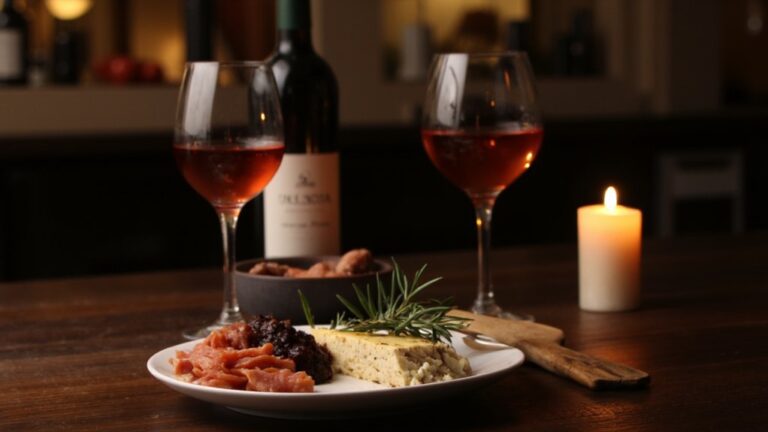
Non-alcoholic wine isn’t just fancy grape juice—no way! Non-alcoholic wine starts with real grapes and goes through the full winemaking process, making it complex and layered, just without the buzz. Grape juice skips fermentation, so it’s much sweeter, like jam in a glass, while non-alcoholic wine has that grown-up tartness, subtle tannins, and even some antioxidants thrown in. So if you want something sophisticated and dinner-party ready, there’s a world out there to uncork next.
Key Takeaways
- Non-alcoholic wine is made by removing alcohol from real wine, while grape juice is simply pressed, unfermented grape liquid.
- Non-alcoholic wine goes through fermentation and alcohol removal, retaining wine’s complexity, whereas grape juice is sweet and straightforward in flavor.
- Both start with the same grapes, but non-alcoholic wine offers acidity, tannins, and layered aromas absent in grape juice.
- Non-alcoholic wine typically contains less sugar than grape juice and tastes less sweet due to its balanced acidity and tannins.
- Grape juice is pasteurized and rich in vitamin C, while non-alcoholic wine preserves some wine antioxidants like polyphenols and resveratrol.

Understanding the Basics of Non-Alcoholic Wine
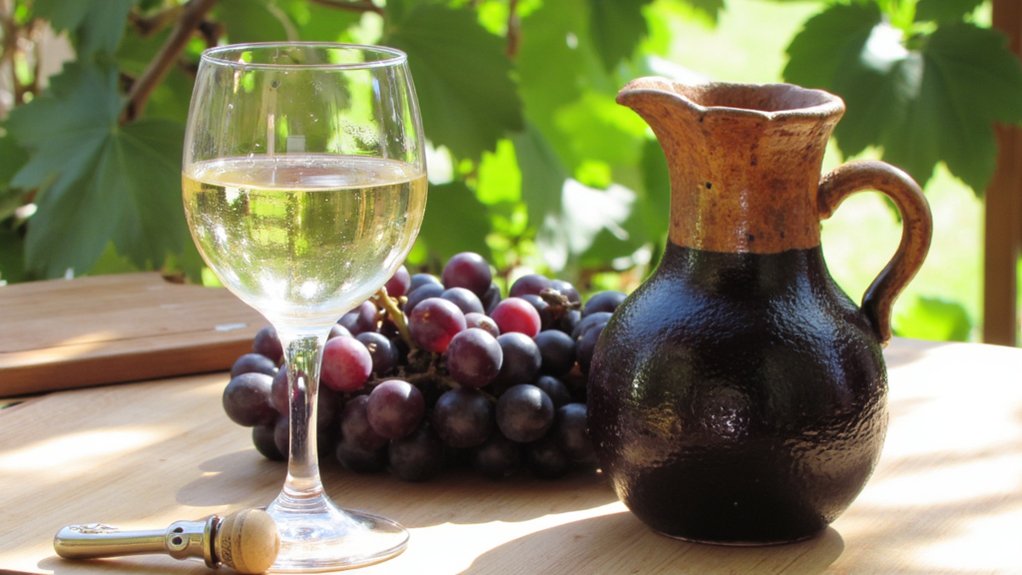
So, what’s the real deal with non-alcoholic wine, anyway? You’ve probably seen those bottles hanging out on store shelves, looking just like the regular stuff. Here’s the scoop: non-alcoholic wine is real wine, just minus the booze. It’s not grape juice, so don’t expect a sugar bomb—think more grown-up, less juice box.
Pairing suggestions? Try a crisp non-alcoholic white with grilled veggies or seafood, and go bold with a red alongside pizza or pasta. Honestly, you can even jazz up brunch with a sparkling version.
As for storage tips, treat it like regular wine: cool, dark place, and pop it in the fridge after opening. Drink it within a few days—it’s not immortal, just impressive.
If you’re wondering about non-alcoholic wine safety for pregnant women, it’s generally considered safe but always best to consult a doctor before sipping.
The Winemaking Process: Alcoholic vs. Non-Alcoholic
Let’s talk about how non-alcoholic wine actually gets made because, spoiler alert, it’s not just grape juice pretending to be fancy. You’ll find some pretty cool differences in both the fermentation process and the types of grapes winemakers use, and the way they zap the alcohol out is almost like magic—science-y, delicious magic. It’s honestly wild how much goes into making a wine that’ll let you skip the hangover but still join in on the cheers. Just like traditional wines, proper wine storage conditions such as temperature and humidity are important to maintain the freshness and quality of non-alcoholic wine after it’s been made.
Fermentation and Alcohol Removal
While most people think wine’s just grapes getting cozy with yeast until they turn into a boozy beverage, there’s actually a bit more magic (and science) going on—especially when you’re talking about non-alcoholic wine. Here’s the scoop: both regular and non-alcoholic wine start with the same fermentation process, where yeast turns grape sugar into alcohol. It’s like the yeast throws a wild party and everyone’s invited. But here’s the twist: with non-alcoholic wine, the alcohol doesn’t stick around. Instead, winemakers use fancy tricks like vacuum distillation or reverse osmosis for alcohol removal, kind of like giving the wine a gentle spa treatment to strip it of its buzz. The result? You get all the wine vibes, minus the hangover. Cheers to science!

Grape Selection Differences
Even though both traditional and non-alcoholic wines start their lives in the same vineyard, not every grape makes the cut for a booze-free bottle. You might think any grape will do, but winemakers are picky—like, “I’ll taste ten before I pick one” picky. Vineyard location matters a ton. Grapes grown in cooler climates can bring out brighter, zippier flavors, while warmer spots pump up sweetness and richness. For non-alcoholic wine, they usually select grape varieties that’ll keep their character even after alcohol gets the boot. So, you’re not just sipping fancy grape juice. You’re tasting the best of the bunch, chosen for flavor, aroma, and how well they play without alcohol. Honestly, it’s like casting the perfect actors for a blockbuster movie.
How Alcohol Is Removed From Wine

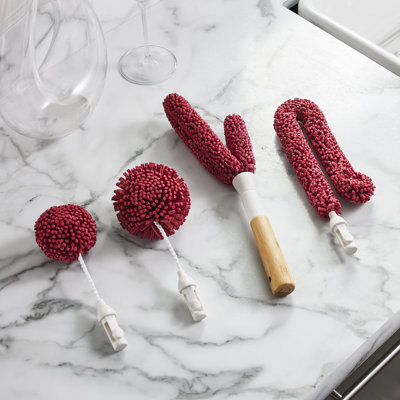
So, you’re probably wondering—how do they actually get the booze out of wine? It’s not magic, it’s science, with cool names like vacuum distillation, reverse osmosis, and spinning cone columns doing the heavy lifting. Trust me, these methods sound like something out of a superhero movie, but they’re real, and each one has its own way of keeping your wine tasting just right. For the best results after enjoying your favorite bottle, using a wine glass cleaning brush ensures your glass stays sparkling clear and ready for your next pour.
Vacuum Distillation Process
If you’ve ever wondered how winemakers magically zap the alcohol out of wine without turning it into sad grape juice, let’s talk about the vacuum distillation process. Picture a wine spa day, where steam and gentle heat work together under super low pressure. This low-pressure environment lets alcohol evaporate at way cooler temps, so the wine’s delicate flavors and aromas don’t just run for the hills. Instead, you get flavor enhancement and impressive aroma preservation, so it still tastes like real wine—not some fancy juice box. It’s almost like the wine gets a makeover, losing the alcohol but keeping its character. So next time you’re sipping a non-alcoholic vino, you’ll know your drink’s been pampered in the best possible way. Cheers!
Reverse Osmosis Technique
While vacuum distillation might sound fancy, reverse osmosis is where things get downright sci-fi in the world of non-alcoholic wine. Imagine wine being pushed through a super-fine filter, almost like a coffee filter on steroids, but way more high-tech. Here’s the scoop: after the fermentation process, the wine is forced through this membrane. The alcohol and some water slip right through, leaving behind the good stuff—flavor compounds, color, and that signature aroma. It’s a masterclass in flavor extraction. Once the alcohol is gone, the winemakers blend the concentrated flavors back in with some of the original water. The result? A non-alcoholic wine that’s rich, complex, and surprisingly close to the real deal. Honestly, it’s wine magic.
Spinning Cone Column
Ever wondered how winemakers manage to pull alcohol out of wine without totally wrecking the taste? Let’s talk about the Spinning Cone Column—yep, it sounds like something out of a sci-fi lab, but it’s actually a genius tool for making non-alcoholic wine. After the fermentation process, the wine gets spun through this fancy machine, and here’s how it works:
- Gentle separation: The spinning action creates thin layers of wine, making it easier to separate alcohol with minimal heat.
- Flavor preservation: Unlike harsh boiling, this method captures delicate aromas and flavors, then reintegrates them, so your wine still tastes like, well, wine.
- Controlled process: Winemakers can fine-tune the removal, keeping quality high and your taste buds happy.
Science never tasted so good!
What Is Grape Juice and How Is It Made?
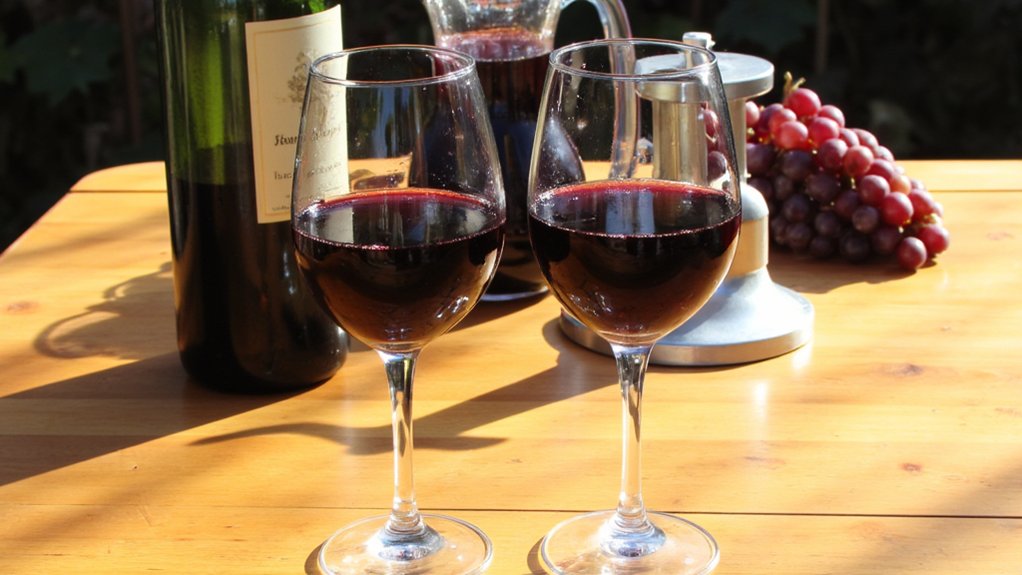
So, what’s the real scoop on grape juice? You might think it’s just squished grapes in a bottle, but there’s a bit more to it. Grape juice is made by crushing fresh grapes, straining out the skins and seeds, then pasteurizing the liquid to keep it fresh. It’s sweet, fruity, and oh-so-easy to love. Want pairing suggestions? Try it with sharp cheese, spicy snacks, or even a PB&J. Trust me, it’s a classic move. For storage tips, keep your grape juice chilled after opening—don’t just leave it sitting on the counter, unless you want a funky science experiment. And if you’re feeling fancy, freeze some for ice cubes that won’t water down your drink. Genius, right?
Key Differences in Flavor Profiles
Although both grape juice and non-alcoholic wine start with the same humble fruit, they end up tasting worlds apart. If you pour yourself a glass of each, you’ll notice right away that the flavors just don’t play in the same band. Non-alcoholic wine isn’t just grape juice without the fizz—it’s carefully crafted for flavor enhancement and complexity. The secret lies in the process, which brings out unique tasting notes you’d never find in simple juice. Here’s what you’ll notice:
- Acidity and Tannin: Non-alcoholic wine often has a sharper, more grown-up tang, while grape juice is sweet and mellow.
- Aromatics: Expect layered aromas like berries, spices, or oak in non-alcoholic wine.
- Mouthfeel: Wine feels drier and more textured, juice is just smooth and simple.
If you’re curious about how tasting notes can differ in complexity, it’s similar to how certain wines, like Cabernet Sauvignon, offer flavors like blackberry and vanilla that plain grape juice simply can’t match.
Nutritional Comparison: Non-Alcoholic Wine and Grape Juice
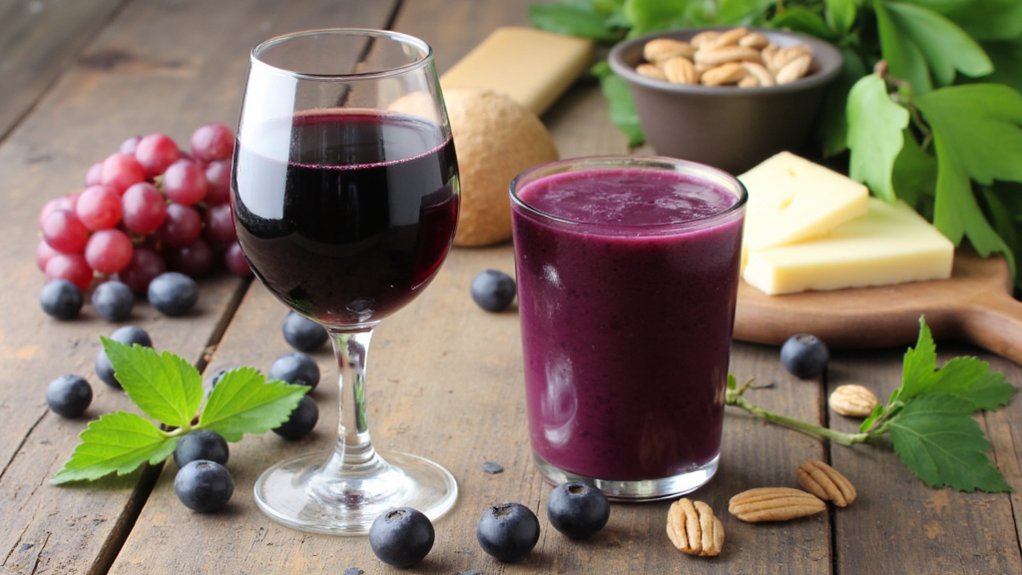
When you’re trying to decide between pouring a glass of non-alcoholic wine or good old grape juice, it’s not just your taste buds that get to have all the fun—your body’s along for the ride, too. You might think they’re nutritional twins, but that’s not quite true. Non-alcoholic wine often keeps a little bit of the vitamin content from its grape origins, especially B vitamins and some antioxidants, though processing can knock those levels down a peg. Grape juice, on the other hand, tends to have more vitamin C and packs a bigger punch if you’re after those sweet, juicy vitamins. For serving suggestions, try chilling non-alcoholic wine for a grown-up dinner vibe, or splash grape juice over ice for a playful, kid-at-heart refresher. For a well-rounded meal, consider pairing non-alcoholic wine with steamed mussels and crisp white wines to elevate both taste and nutrition.
Sugar Content and Sweetness Levels
Let’s talk sugar, because you know it’s lurking in every glass, just waiting to surprise your taste buds. You might think all non-alcoholic wines are super sweet, but actually, sugar levels can swing wildly, and what tastes sweet to one person might seem just right to another. So, grab your imaginary lab coat—let’s compare sugar concentrations and see how sweetness really stacks up! For comparison, dessert wines often have significantly higher sugar content than regular wines, resulting in a richer and sometimes syrupy flavor profile.
Comparing Sugar Concentrations
Ever wondered why some non-alcoholic wines taste like a gentle hug from a fruit basket, while others hit your tongue with a sugar rush that makes you question your life choices? The secret’s in the sugar concentration and sweetness levels. Let’s break it down so you don’t end up sipping grape soda when you wanted sophistication.
- Non-alcoholic wine usually has less sugar than grape juice, since it mimics the fermentation process (where yeast would normally gobble up sugar).
- Grape juice skips the fermentation, so you’re basically drinking the juice straight from the vine—hello, sugar overload.
- Sweetness levels vary wildly even among non-alcoholic wines, so check those labels if you’d rather avoid a dessert-in-a-glass surprise.
Choose wisely, and your taste buds will thank you.
Sweetness Perception Differences
Although sugar content is a big deal, your tongue’s got its own wild opinions about what tastes sweet. You might think more sugar means more sweetness, but sensory perception is a little trickier. Non-alcoholic wine uses acids, tannins, and a whole cast of flavor enhancement characters to balance out sweetness. So, even if it’s got as much sugar as grape juice, it won’t taste nearly as sweet. Grape juice just shouts, “Sweet!” Non-alcoholic wine? More like, “Hey, I’ve got layers.” You’ll notice a tart zing or a subtle bitterness that holds back the sugar rush. If you want something that actually feels sophisticated instead of just sticky, go for a non-alcoholic wine. Your taste buds will thank you for the adventure.
Health Benefits and Considerations
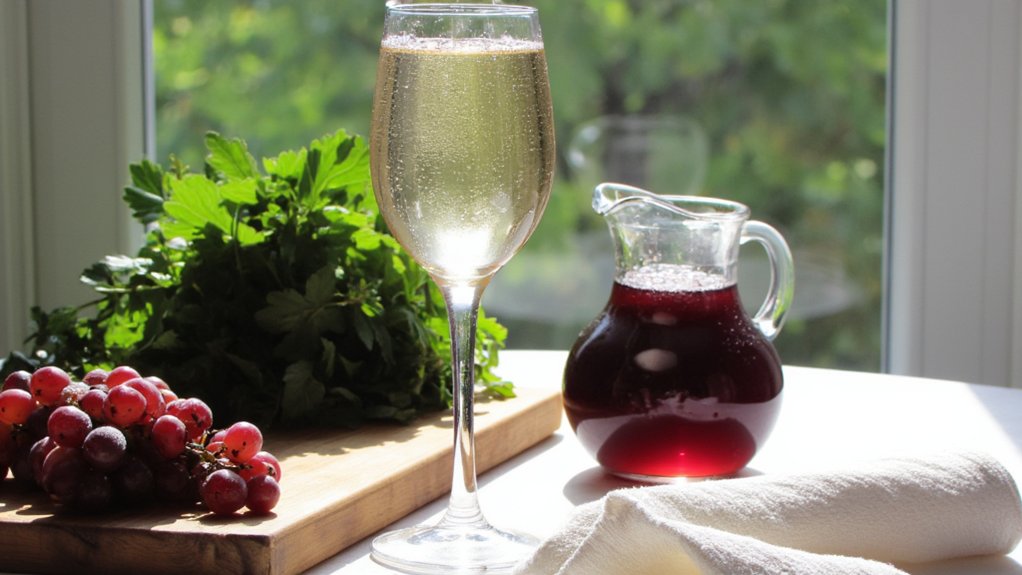
When you’re thinking about trying non-alcoholic wine, you might wonder if it’s actually good for you or just fancy grape juice in a grown-up bottle. Let’s be real—cutting down on alcohol consumption can have some pretty sweet health implications, but is there more to the story? Let’s break it down so you can sip with confidence, not confusion:
- Lowered Risk: Without alcohol, you’re dodging the risks of high blood pressure, liver damage, and hangovers. Your liver will thank you.
- Antioxidants: Non-alcoholic wine still has those grape goodies like polyphenols, which are linked to heart health (and bragging rights).
- Fewer Calories: Usually, you’ll find fewer calories than regular wine, so you can snack on more cheese—no guilt trip.
- You’ll still benefit from resveratrol and polyphenols, which are notable for supporting heart and brain health even in the absence of alcohol.
Popular Uses for Non-Alcoholic Wine
Whether you’re looking to raise a glass at brunch or just want to keep things classy on a Tuesday night, non-alcoholic wine’s got your back. You can sip it at baby showers, work parties, or even when you’re just chilling with friends who think “dry January” should last all year. It’s the star of mocktail recipes—think sangrias, spritzers, or even a fancy, alcohol-free mimosa that actually tastes like, well, a mimosa. Thanks to some clever marketing strategies and flashy celebrity endorsements, non-alcoholic wine has crashed the party scene in style. Even celebrities are swapping their usual bubbly for these alcohol-free options, proving sophistication doesn’t have to come with a hangover. Seriously, pop a bottle and see how many new fans you’ll make. Just like traditional wine pairings, non-alcoholic wine can also be matched with a variety of dishes, making it a versatile choice for food lovers and social gatherings alike.
Choosing Between Non-Alcoholic Wine and Grape Juice
You’ve seen non-alcoholic wine sparkling in fancy glasses, and maybe you’ve also eyeballed that old-school bottle of grape juice in the fridge—so what’s the difference, really? When you’re choosing between the two, it isn’t just about alcohol content. There’s a little more going on behind the scenes. Let’s break it down:
- Flavor Profiles: Non-alcoholic wine actually tastes more like “grown-up” wine, with earthy, tart, or fruity notes. Grape juice? It’s sweet, simple, and kid-approved.
- Alcohol Content: Non-alcoholic wine usually has less than 0.5% alcohol, while grape juice has zero—unless your fridge is cursed and things are fermenting.
- Occasions: Pour non-alcoholic wine at a dinner party. Save the grape juice for breakfast or nostalgia trips.
Your taste buds, your call. Just pick what makes you happiest!
Frequently Asked Questions
Can Non-Alcoholic Wine Be Used for Religious Ceremonies?
Yes, you can use non-alcoholic wine for religious symbolic use and ceremonial wine rituals, depending on your faith tradition’s guidelines. Some accept it as a substitute, while others require traditional wine, so you’ll need to check.
Is Non-Alcoholic Wine Safe for Pregnant Women?
Yes, you can generally drink non-alcoholic wine during pregnancy since its alcohol content is extremely low. Still, you should check the label and talk to your doctor about pregnancy safety if you have any concerns.
Does Non-Alcoholic Wine Need to Be Refrigerated After Opening?
Yes, you should refrigerate non-alcoholic wine after opening. Following proper storage guidelines helps with freshness preservation, ensuring it tastes its best for up to 5 days. Don’t leave it at room temperature once opened.
Are There Any Age Restrictions for Purchasing Non-Alcoholic Wine?
You usually won’t face age restrictions when buying non-alcoholic wine, but legal considerations can vary by country or state. It’s smart to check your local laws, since some stores might still require you to be 18 or 21.
Can Non-Alcoholic Wine Trigger Alcohol Allergies or Sensitivities?
Yes, you could still experience alcohol allergy or sensitivity reactions with non-alcoholic wine, since trace amounts of alcohol might remain. Plus, other ingredients like sulfites or additives could also trigger sensitivities, so always check labels carefully.