You’ll look like you’ve done this before by scanning region first, setting a firm per-bottle cap, and asking the server for something light or bold within that range; pick a crowd-pleasing bottle for sharing or a glass to taste pricier stuff. Decode labels quickly—grape, region, alcohol—and favor mid-price bands for value. Ask for a small sip if unsure, and don’t overthink it—simple rules beat wine snobbery, and there’s more tips ahead if you want them.
Key Takeaways
- Scan by region first to quickly spot familiar styles and narrow choices.
- Set a firm per-person or per-bottle budget before ordering to avoid overspending.
- Ask the server for body (light vs bold), popular tonight, and by-the-glass recommendations.
- Prefer crowd-pleasers (sparkling, dry rosé, versatile whites) when uncertain or sharing.
- Match wine weight and acidity to your dish: light wines for delicate food, fuller-bodied for rich dishes.


Three Quick Rules for Ordering Wine Tonight
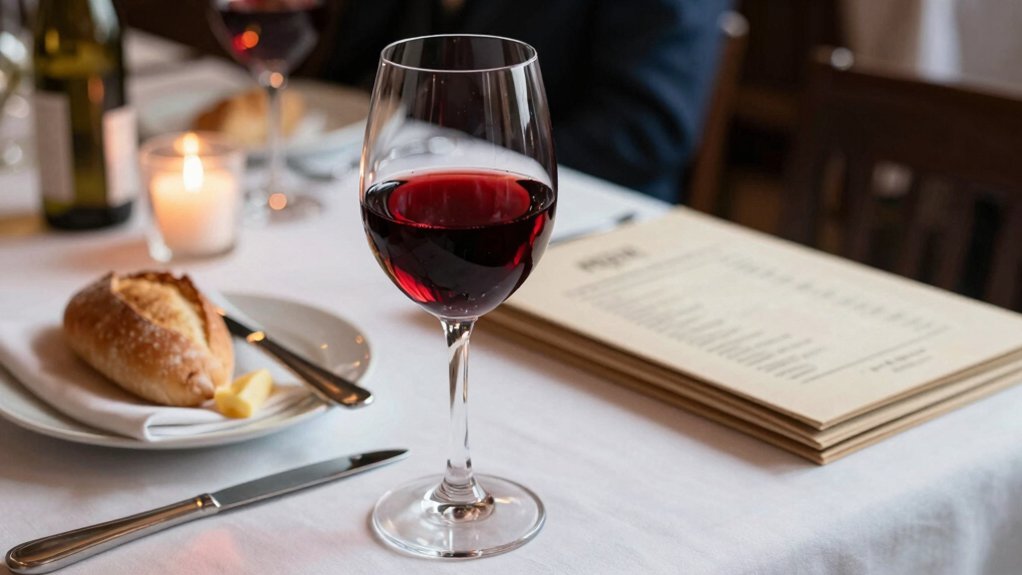
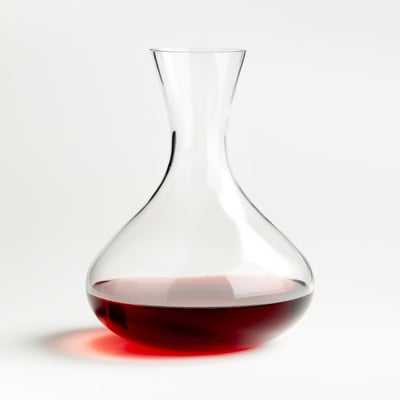
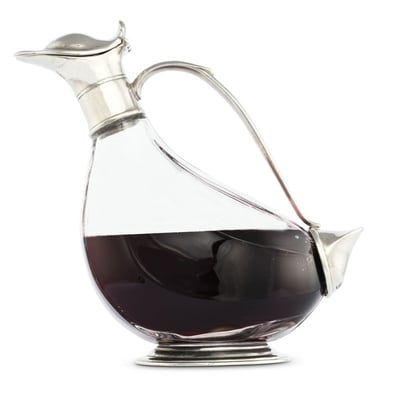
If you’re staring at a wine list and feeling a bit lost, don’t worry — almost everyone’s been there. First rule: ask for help. Your server knows what’s selling and what pairs well, so mention your budget and whether you want something light or bold. Second rule: stick to what you know, then branch out. Order a familiar bottle or a trusted varietal, or try seasonal picks recommended by the staff if you’re feeling adventurous. Third rule: consider crowd favorites when sharing. A safe, pleasant bottle keeps conversation flowing and avoids buzzy debates about tannins. Keep it simple. Smile, be curious, and don’t fret over perfection — wine’s meant to be enjoyed, not overanalyzed. When your selection arrives, don’t hesitate to ask your server about whether the wine might benefit from decanting to enhance its flavor.
Read a Restaurant Wine List Fast
Start by scanning the list by region so you can spot familiar styles fast — it’s like skimming a map before you pick a route. Then eyeball the price bands, since spotting the mid-range bottles usually gets you the best value without feeling like you robbed the place. Mix those two moves and you’ll order smarter and quicker, and maybe impress your tablemates (or at least avoid that awkward, “I’ll have whatever they’re having” moment). Remember that optimal temperature ranges vary by wine type, so consider what temperature your chosen wine will be served at to ensure it complements your meal perfectly.
Scan By Region First
When you pick up a wine list, glance at the regions first — it’s the quickest way to get your bearings and avoid the deer-in-headlights stare. Start by spotting Old World versus New World labels; that little divide tells you if wines will be more restrained and earth-driven or bolder and fruit-forward. Next, scan for familiar zones: Coastal Whites often mean bright acidity and seafood-friendly flavors, while Mountain Reds tend toward concentrated fruit and firm tannins. Move quickly, let your eyes rest on what sounds good, and don’t overthink it. If a region catches your eye, you’ve already narrowed choices. Understanding terroir and winemaking traditions helps you recognize why Old World wines tend toward elegance and mineral complexity. It’s like skimming a map before you pick a trail. Easy, quick, and it keeps you from panicking.

Look At Price Bands
Usually, you’ll flick your eyes to the right-hand column and the numbers will tell you more than the fancy descriptions ever could. You want to spot price bands quickly, because menu psychology hides value in plain sight. Scan for clusters — low, mid, and high — and you’ll see the markup tiers at work. Don’t panic. It’s just wine tiers arranged like a little ladder. Look for quality wines under $30 that offer bold reds or crisp whites with impressive flavor profiles without breaking the bank.
- Look for gaps between prices; big jumps mean premium picks.
- Find the most populated band; that’s where restaurants steer you.
- Check nearby bottles in the same tier for bargains.
- Ask for the sommelier’s suggestion within your chosen band.
- Remember: higher price isn’t always better, just different.
Trust your eyes, trust your gut, and have fun exploring.
Set Your Budget and Find Value Wines

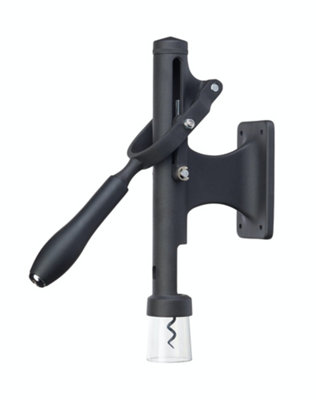
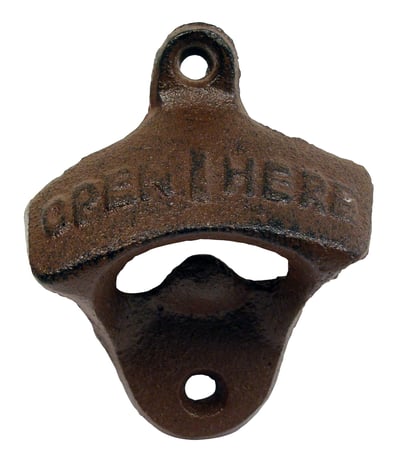
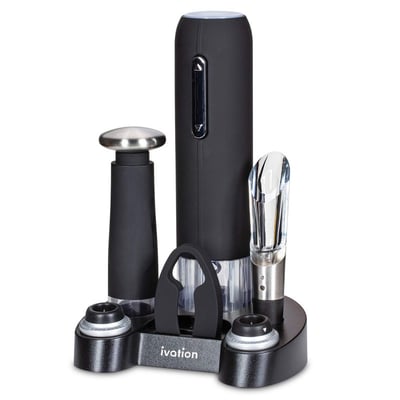
Decide on a firm number you’re willing to spend before the sommelier starts reciting poetic descriptions — it keeps you from getting swayed by pretty bottles and friendly pressure. If you want more options and less sticker shock, check the by-the-glass list, since you can taste pricier wines without committing to a whole bottle and sometimes snag surprising value. Trust me, you’ll feel smarter (and richer) when you leave with a good bottle and a few extra dollars in your pocket. Having a quality wine bottle opener on hand at home ensures you can enjoy your purchases with ease once you return from your dining experience.
Set A Clear Limit
If you’ve ever stared at a wine list and felt your eyes glaze over, you’re not alone — and thankfully you don’t have to treat wine like a math test. Set a clear limit before you sit down, and you’ll stop second-guessing every bottle, because limit thinking actually frees you. It curbs psychological spending, too, so you won’t get carried away by fancy labels or shiny price tags.
- Decide a per-person or per-bottle cap
- Scan for bottles just below that cap
- Ask for recommendations within your range
- Remember corkage or service costs
- Be OK with a little flexibility
Keep it simple, trust your taste, and laugh if you accidentally pick something weird. You’ll enjoy dinner more.
Look For By-The-Glass
Don’t ignore the by-the-glass section — it’s often where you’ll find the best short-term deals and a chance to try something new without committing to a whole bottle. You can waste less and taste more by ordering a few different glasses, especially if you’re sharing, and that’s a smart move when you’re not sure what’ll pair with the food. Look for seasonal selections — they’re often fresher and priced to encourage orders. Do a quick freshness check: ask when the bottle was opened, or if they rotate pours. Don’t be shy to ask for a small sip before you buy the full glass. It’s casual, low-risk, and sometimes you’ll discover a favorite without breaking your budget.
Decode Wine Labels at the Table
You’ll want to start by looking past the pretty label — it’s not just decoration, it’s a little map to what’s in the bottle. Flip it over, squint if you must, and scan the label elements for clues — producer, region, grape, and any fancy terms that matter. Vintage meaning? That tells you the year the grapes were harvested, which can hint at weather and style. Here’s a quick checklist to read at the table:
- Producer and region: who made it and where
- Grape or blend: what’s inside the bottle
- Vintage meaning: harvest year and its implications
- Alcohol percentage: how bold the wine will feel
- Any notes or appellation: quality indicators
You’ll look smarter than you feel. Trust me, people notice.


Glass or Bottle: How to Decide

Ordering by the glass can be a smart move when you want to taste without committing to a whole bottle, and it’s also a handy way to try something new without gambling on a bad pick. You’ll save money if you’re dining solo or with one other person, since volume economics makes bottles pricier per glass. But don’t ignore the moment: bottles win for sharing, celebrations, or when the bottle’s presentation matters — you know, that little theatrical flourish. Think service vs. presentation: a well-poured glass gets you convenience; a whole bottle gets ritual and better value sometimes. If you’re curious, grab a glass. If you want control, order the bottle. Simple, practical, and slightly indulgent.
What to Ask the Server or Sommelier
If you liked the idea of glass vs bottle, the next smart step is asking the server or sommelier the right questions so you don’t end up with something that fights your food or your mood. You’ll look confident, not picky. Use service tips and basic tasting etiquette, and don’t be shy.
- What’s popular tonight and why?
- Is this wine lighter or fuller-bodied?
- Any by-the-glass picks worth trying?
- Can I taste a small pour before committing?
- How will this stand up to our dishes?
Ask about price range too. Smile, be casual. A quick taste is fine — spit if you must, but don’t feel weird. The pro wants you to enjoy the bottle, and that’s your goal too.
How to Pair Wine With Food : Simple Rules
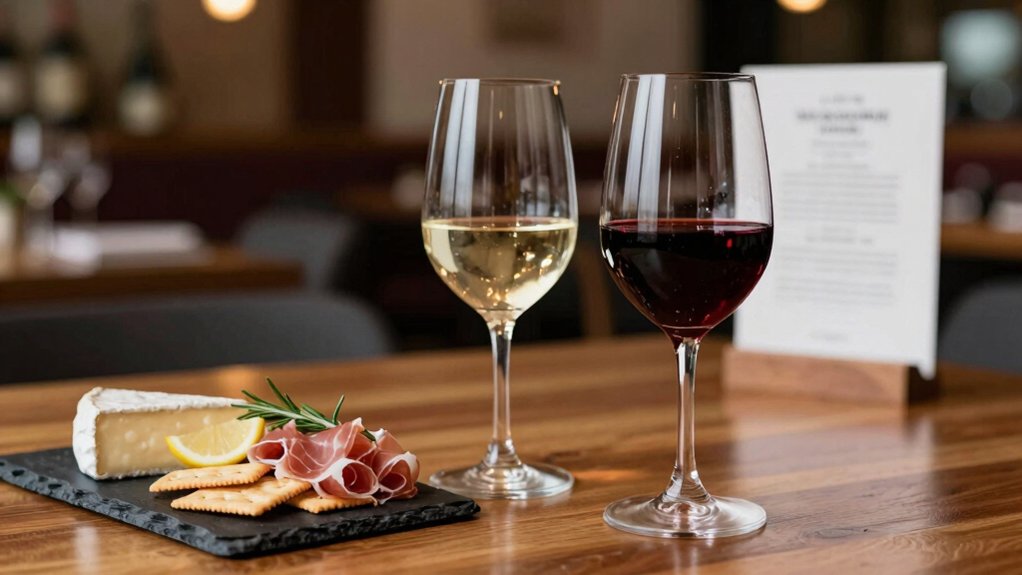
Think of wine pairing like matchmaking — you want flavors that get along, not a ring on the finger. You’ll aim for acid balance first; acid cleanses the palate and perks up bright dishes, so match higher acid wines with citrusy, tomato-based, or fatty foods. Think about flavor weight next. Light dishes like salads need lighter wines, while beef or rich pasta want fuller-bodied bottles that stand up to intensity. Sweetness matters too; spicy food pairs better with a touch of sweetness to cool heat. Don’t always match exact flavors — contrast can be brilliant. A tangy Sauvignon Blanc with creamy goat cheese? Yes. And if you’re stuck, ask for a versatile crowd-pleaser: sparkling or a dry rosé. Trust your taste; have fun.
Frequently Asked Questions
Can I Taste a Wine Before Committing to a Bottle?
Yes — you can often request a sample; don’t be shy to ask questions about the vintage, producer, or palate before committing to a bottle. Servers or sommeliers usually accommodate short tastes to help your choice.
How Do Corked or Faulty Wines Get Handled?
If a wine’s corked or faulty, you tell staff and they’ll usually follow the refund policy or offer a replacement bottle; don’t hesitate to insist politely, since you shouldn’t pay for wine that’s tainted or flawed.
Should I Tip Extra for Sommelier Service?
Yes — you should usually tip the sommelier, unless an ask fee or service charge already covers it; check the bill, ask about fees, and tip extra for personalized recommendations or exceptional service.
Is Bringing My Own Wine Allowed?
Yes, you can often bring bottles to a restaurant, but they’ll usually charge corkage fees; call ahead to confirm policy, limits, and fee amounts, and be prepared to follow any service or pairing guidelines they set.
How Long Can an Opened Bottle Stay at the Table?
About two to three hours at the table is typical before noticeable decline; warmer room temperature raises the oxidation rate, so if you want it fresher beyond that, ask for a reseal or refrigerate the bottle.