Ever wondered what Chablis really is? You hear the name tossed around wine shops and fancy dinners, but what makes it so special? Imagine this: a crisp, zesty white wine born from the rolling hills of Burgundy, crafted from nothing but pure Chardonnay grapes. It’s got a snap of citrus, a whisper of stone, and a reputation older than your grandma’s favorite casserole dish. Ready to discover what sets Chablis apart from the rest?
Key Takeaways
- Chablis is a white wine from France’s Burgundy region, made exclusively from Chardonnay grapes.
- It is renowned for its crisp acidity, citrus flavors, and pronounced minerality.
- The unique limestone and seashell-rich soils of Chablis greatly influence its fresh, steely character.
- Chablis wines are typically unoaked or lightly oaked, emphasizing purity and vibrancy.
- The wine pairs well with seafood and is available in styles ranging from basic to high-end Premier and Grand Cru.

French Chardonnay From Burgundy

Chardonnay, that famous grape, takes on a whole new life when it grows up in Burgundy, France. You think you know Chardonnay? Think again. In Chablis, it’s all about the land—those Chablis terroir characteristics are legendary. The soil is packed with ancient seashells, believe it or not, and that gives the wine a crisp, steely vibe with a whisper of sea breeze. Not kidding, you might taste a hint of oyster shell! Now, let’s talk Chablis winemaking techniques. Winemakers here keep things lean and clean—less oak, more zing. They want the terroir to sing, not drown in butter. So, when you sip Chablis, you’re not just drinking wine. You’re tasting centuries of French earth and sky. Magical, isn’t it?
Romans’ Vineyards in Chablis
Long before wine geeks obsessed over minerality and mouthfeel, a bunch of Romans were already digging into the limestone hills of Chablis, planting grapevines like it was their secret superpower. Picture yourself walking those hills back then—Roman sandals crunching on ancient stones, maybe togas flapping in the breeze. Roman viticulture wasn’t just about growing grapes; it was an art, a science, a way to show off their skills. They brought ancient winemaking techniques to Chablis, mapping out the best spots, working the tricky soils, and figuring out how to coax magic from the earth. If you think today’s winemakers are dedicated, imagine doing it all without modern tools. The Romans set the stage, and honestly, they knew what they were doing.
Exclusively Chardonnay Grapes Used

Purity—that’s the secret behind every bottle of true Chablis. If you’re pouring a glass, you can bet it’s made from one grape and one grape only: Chardonnay. There’s no fancy blend here, no mix-and-match. Just crisp, classic Chardonnay characteristics shining through. This grape takes center stage, showing off its zesty side, its subtle charm, and its unmistakable freshness.
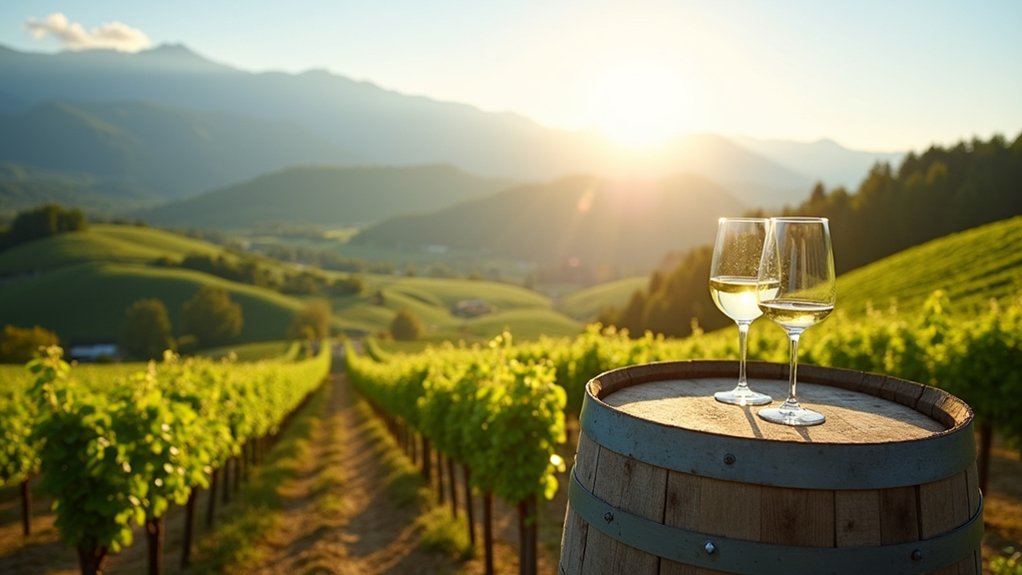
Chablis vineyards are tucked into a unique spot in northern Burgundy, where the geography gives Chardonnay something special. The cool climate and limestone-rich soils shape the wine’s personality, squeezing out everything that’s vibrant and lively in the grape. So, when you sip Chablis, know you’re tasting not just Chardonnay, but the pure, unfiltered expression of a place—a grape and a geography in perfect harmony.

Mineral-Driven Citrus Notes
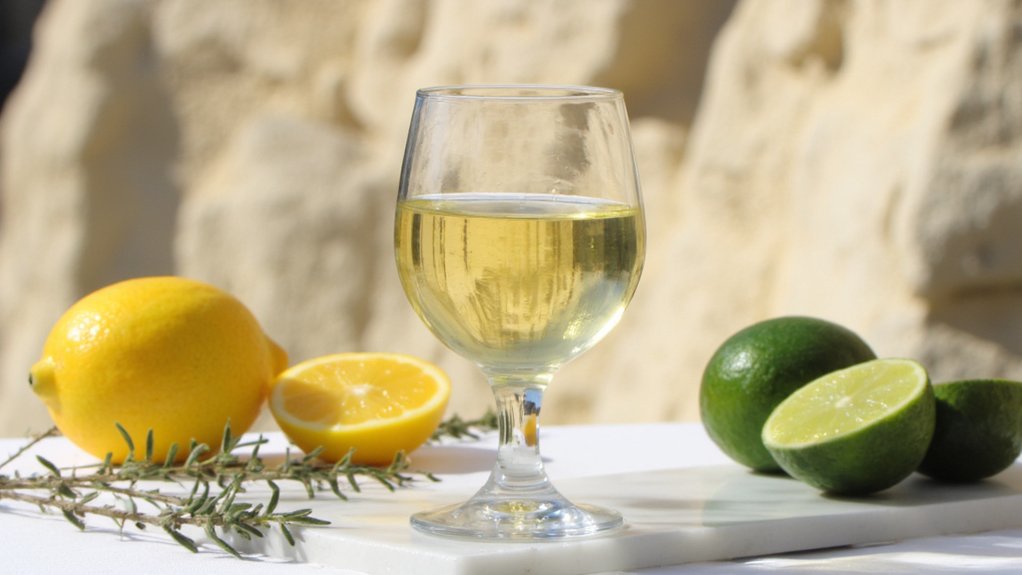
If you’ve ever wondered why Chablis tastes so fresh and zingy, it’s all about those lively, mineral-driven citrus notes. When you swirl a glass of Chablis, you’ll notice it’s not just lemon or lime—it’s a whole experience. There’s a sharp citrus intensity, but also this unique mineral complexity that makes you feel like you just licked a rain-washed stone. It’s like Mother Nature decided to squeeze her best lemons, toss in a handful of pebbles, and then add a splash of French magic. Each sip crackles with energy. The crispness wakes up your taste buds, and before you know it, you’re reaching for another glass. Seriously, it’s like drinking a cold mountain stream with a twist of citrus zest.
Famous Chablis Wine Brands
When you start diving into the world of Chablis, you’ll quickly notice some names keep popping up, like celebrities walking the red carpet of French wine. These famous Chablis producers have practically become legends in the chablis wine regions, each crafting bottles that make sommeliers swoon and wine lovers cheer. If you want to sound like you know your stuff, just drop one of these names at your next dinner party:
- Domaine William Fèvre – the Beyoncé of Chablis, always in the spotlight.
- Domaine Laroche – old-school charm with a modern twist, like a vintage record player with Bluetooth.
- Domaine Jean-Paul & Benoît Droin – family magic in every bottle.
- Domaine Dauvissat – the strong, silent type, letting the wine do all the talking.
Your taste buds are in for a treat!
Popular Chablis Choices For Any Budget

No matter what your wallet’s saying, you can still get your hands on some seriously tasty Chablis. You’ll find bargain bottles under $20 that punch above their weight, mid-range options between $20 and $100 just waiting to impress, and if you’re feeling fancy or want to wow your friends, there are high-end Chablis wines above $100 that’ll make you feel like royalty—crown not included. Let’s check out the best picks for every budget and see which one calls your name!
Bargain Chablis Wines Under $20
- La Chablisienne Petit Chablis (Chablis) – crisp, citrus, mineral-driven, easy-drinking, value
- Simonnet-Febvre Petit Chablis (Chablis) – fresh, floral, zesty, balanced acidity, affordable
- Louis Jadot Petit Chablis (Chablis) – light-bodied, green apple, invigorating, clean finish
- Domaine Sainte Claire Petit Chablis (Chablis) – lively, stone fruit, saline, approachable
- Bouchard Aîné & Fils Petit Chablis (Chablis) – bright, pear, lemon, smooth, crowd-pleaser
Mid-Range Chablis Wines Between $20-$100
- Domaine William Fèvre Chablis (Chablis) – citrus, flinty, classic, vibrant acid, excellent value
- Jean-Marc Brocard Chablis Vieilles Vignes (Chablis) – mineral, textured, crisp, old vines, balanced
- Joseph Drouhin Chablis Réserve de Vaudon (Chablis) – elegant, floral, green apple, precise, invigorating
- Louis Michel & Fils Chablis (Chablis) – pure, fresh, steely, lemon, long finish
- Christian Moreau Chablis (Chablis) – lively, chalky, stone fruit, zesty, harmonious
High-End Chablis Wines Above $100
- Dauvissat Les Clos (Chablis) – legendary, layered, intense, mineral-driven, age-worthy, profound complexity
- Raveneau Valmur (Chablis) – iconic, structured, saline, precise, citrus, renowned longevity
- Billaud-Simon Les Preuses (Chablis) – elegant, floral, stony, vibrant, refined, long finish
- Louis Michel Grenouilles (Chablis) – rich, concentrated, flinty, expressive, balanced, memorable
- William Fèvre Bougros Côte Bouguerots (Chablis) – powerful, chalky, racy, textured, lemon zest, persistent
Classic Chablis Wine Food Pairings

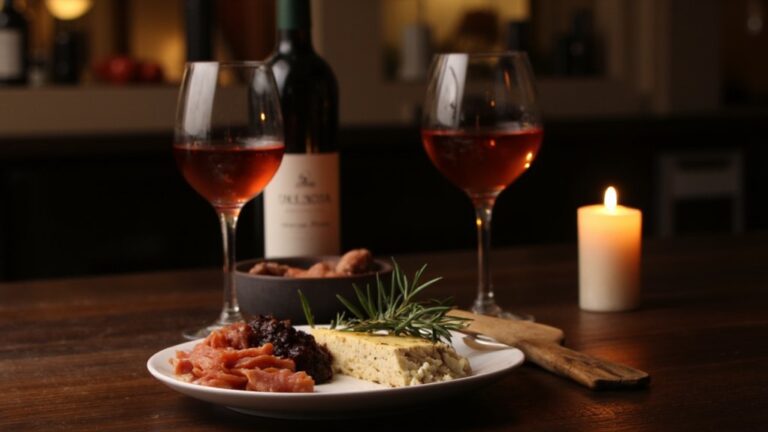
When you’re sipping a glass of Chablis, you might start wondering what foods will really make this crisp, zesty wine sing. Thanks to that bright Chablis acidity and the unique Chablis terroir, you’ve got plenty of delicious options. This isn’t one of those fussy wines that demands caviar—though you totally could! Instead, think about foods that love a bit of zing and minerality. Try these pairings:
- Fresh oysters dripping with brine (Chablis loves them almost as much as you do)
- Classic roast chicken with a squeeze of lemon
- Goat cheese, creamy and tangy, spread on a crusty baguette
- Sushi or sashimi, especially anything with a little wasabi kick
Go ahead, experiment. Chablis doesn’t judge. It just enhances.
Chablis’ 1950s Frost Crisis
Nobody expects the weather to become the villain in a wine drama, but Chablis in the 1950s learned just how ruthless Mother Nature can be. Imagine waking up to find your prized vineyards coated in frost, not once but repeatedly. Frost damage swept through the region, turning healthy vines into shriveled ghosts of their former selves. You’d probably want to cry into your Chardonnay, right? The growers certainly did. Vine after vine suffered, and the future of Chablis wine looked bleak. Yet, stubborn as ever, the locals didn’t give up. They rolled up their sleeves and got creative with vineyard recovery, experimenting with heaters, smudge pots, and anything else that might fend off the cold. Their persistence? Legendary. Their success? Deliciously historic.
Does Chablis Wine Age Well?
If you’ve ever wondered whether Chablis gets better with age, you’re not alone—wine lovers everywhere have debated this over countless, sometimes slightly fuzzy, evenings. Here’s the scoop: Chablis can absolutely age well, but not every bottle is destined for greatness with time. Basic Chablis is usually best enjoyed young, with its zippy freshness, but higher-tier wines like Premier Cru or Grand Cru can blossom after a few years. Wine aging isn’t just about patience, though—it’s also about storage conditions. Keep your bottles cool, dark, and lying on their sides, or risk ending up with expensive vinegar. If you’re willing to wait, you might be rewarded with richer flavors, more complexity, and a wine that’s singing a beautiful new tune.
Chablis Wine Serving Tips

Although you might think pouring a glass of Chablis is as easy as twist, pour, sip, there’s a bit more to it if you want to reveal its full magic. Chablis serving is all about bringing out those crisp, citrusy notes and that signature minerality. The right Chablis temperature is key—too warm, and you’ll lose the zing; too cold, and you’ll mute the flavors. So, don’t just grab any glass, either. Treat Chablis with a little respect; it’ll reward you.
- Chill your Chablis to about 48–52°F (9–11°C) for the perfect sip.
- Use a white wine glass to let those aromas shine.
- Pop the cork just before serving, not hours ahead.
- Pair with shellfish or goat cheese for extra wow.
Voilà!
Similar Wines to Chablis Wine
When you fall for Chablis, it’s only natural to start looking for other wines that tickle your tastebuds in a similar way. Good news: you’ve got options! If you love those crisp, zippy Chablis styles, try a Sancerre Blanc. It’s also French and just as fresh—think citrus and flint, not your grandma’s oaky Chardonnay. Another Chablis alternative? Albariño from Spain. It’s light, bright, and dances on your tongue like a summer breeze. Or go for Muscadet—it’s almost like Chablis with a salty twist, perfect for oysters. Even some Italian Pinot Grigios can surprise you with their zing. So, don’t stop at Chablis. There’s a whole world of wines ready to charm your palate and make you smile.
Frequently Asked Questions
Is Chablis Considered a Dry or Sweet Wine?
When you taste Chablis, you’ll notice its dry characteristics right away. It’s considered a dry wine, not sweet, though you might find subtle sweet notes from ripe fruit flavors. Expect crisp acidity and invigorating minerality.
What Is the Ideal Temperature to Store Chablis?
When you consider ideal storage for Chablis, keep your wine temperature between 50-54°F (10-12°C). You’ll preserve its freshness and delicate flavors best at this range, ensuring your wine’s ready to enjoy at its finest.
Can Chablis Be Used in Cooking Recipes?
You can definitely use Chablis in cooking recipes. It adds brightness to Chablis sauces, especially for seafood or chicken. Chablis pairings in recipes highlight its acidity and minerality, enhancing dishes like fish, shellfish, or creamy sauces.
Are There Organic or Biodynamic Chablis Producers?
Yes, you’ll find Chablis producers who use organic practices and even some who follow biodynamic methods. Explore smaller domaines, as they’re more likely to farm organically, prioritize sustainability, and highlight pure expressions of their unique terroir.
What Is the Average Alcohol Content of Chablis Wines?
When you explore Chablis varieties, you’ll notice the average alcohol content usually ranges between 12% and 13%. Thanks to the region’s cool climate, Chablis wines retain freshness, so you won’t find high alcohol levels here.