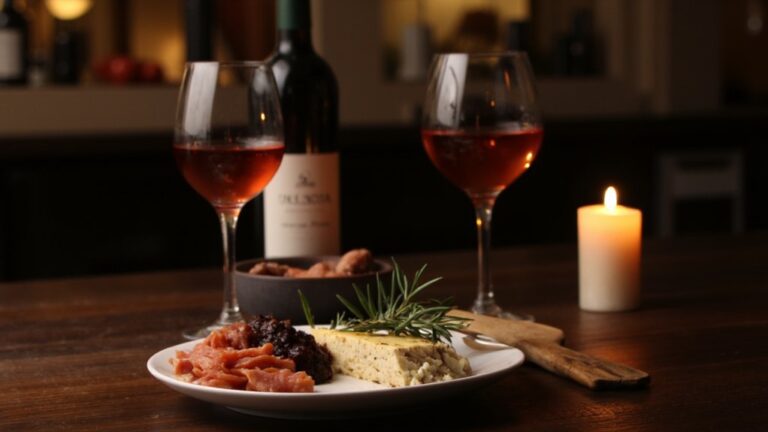
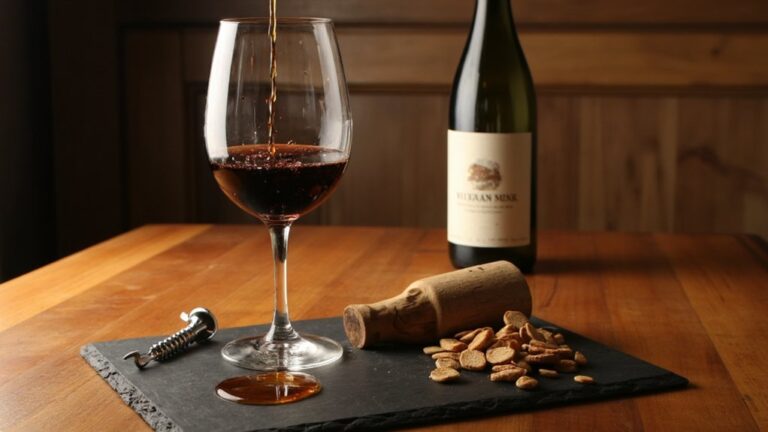
You’ll discover dessert wines are a delightfully sweet finale to any meal, ranging from subtly honeyed to luxuriously syrupy. These special wines come from late-harvest grapes, frozen varietals, or those affected by noble rot, creating complex flavors of honey, apricot, and orange marmalade. Whether you’re sipping a prestigious Sauternes, Hungarian Tokaji, or Italian Moscato, each style offers unique characteristics and serving traditions. There’s a whole world of sweet wine magic waiting to transform your after-dinner experience.
Key Takeaways
- Dessert wines contain higher sugar levels than regular wines and are designed to complement sweet courses at the end of meals.
- Late-harvest grapes, frozen grapes (ice wine), and noble rot infection create concentrated sugars that produce complex, sweet flavors.
- Popular dessert wine styles include Port, Sauternes, Tokaji, Ice Wine, and Moscato, each offering unique characteristics and sweetness levels.
- Serve dessert wines at specific temperatures (45-60°F) in appropriate glassware to enhance their aromatic and flavor profiles.
- These wines pair exceptionally well with blue cheese, chocolate desserts, fruit tarts, and creamy desserts for optimal taste experiences.

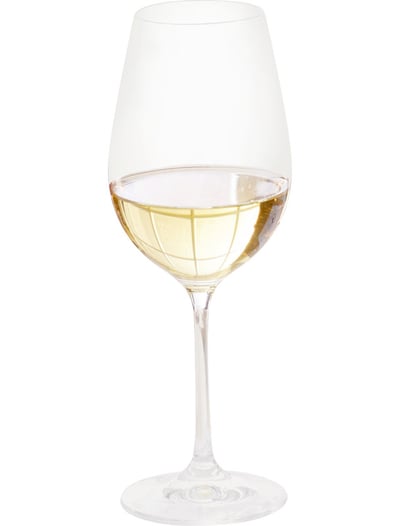
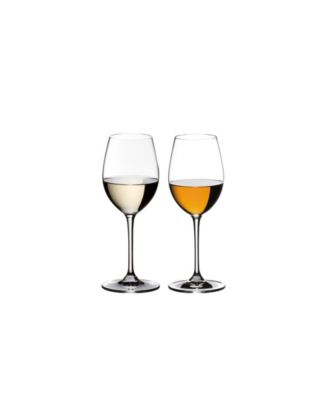

What Makes a Wine “Dessert Wine”?

Ever wonder what sets dessert wine apart from its drier cousins? It’s all about that delightful sweetness that makes your taste buds dance. These liquid confections are crafted through special fermentation processes that preserve higher sugar levels than traditional wines. You’ll find they’re typically sweeter than your average glass of red or white, with sweetness levels that can range from subtly honeyed to gloriously syrupy.
Think of dessert wine as the grand finale of your meal, like that show-stopping chocolate soufflé that everyone oohs and aahs over. Whether it’s made by letting grapes freeze on the vine, encouraging noble rot (sounds scary, tastes amazing!), or fortifying with spirits, these wines are deliberately crafted to be your meal’s sweet ending. Many dessert wines are also made from late-harvest grapes, which are picked after they have fully ripened and developed concentrated sugars.
Noble Rot: The Magic Behind Sauternes and Tokaji
While most winemakers view fungus as their worst nightmare, there’s one magical mold that turns ordinary grapes into liquid gold. This fascinating fungus, known as noble rot or botrytis cinerea, is actually a welcome guest in certain vineyards, especially in France’s Sauternes and Hungary’s Tokaji regions.
You might wonder how any mold could be “noble,” but this particular one works wonders on sweet grape varieties. As it penetrates the grape’s skin, it causes the fruit to shrivel and concentrate its sugars, creating incredibly complex flavors of honey, apricot, and orange marmalade. During the fermentation process, these naturally concentrated sugars transform into some of the world’s most prestigious dessert wines. Additionally, ice wine production has a similar focus on concentrating sugars, showcasing the artistry of winemaking. Who knew that something that looks so unappetizing could create such delicious magic in a bottle?
Ice Wine: Nature’s Sweet Frozen Gift

Unlike noble rot’s carefully cultivated mold, ice wine requires Mother Nature’s perfect timing and a serious dose of patience from winemakers. You’ll find these dedicated vintners anxiously watching their vines until temperatures plummet below freezing, usually in the dead of winter when most of us are curled up with hot cocoa.
Here’s where it gets interesting: the frozen grapes must be harvested and pressed while still frozen solid, often in the middle of the night! This sweet harvest yields tiny amounts of intensely concentrated juice, as the water remains trapped in ice crystals. Think of it as nature’s way of performing an ultra-premium juice cleanse – minus the green smoothies and plus some seriously amazing sugar levels. The result? A lusciously sweet wine that’s worth every frostbitten finger.

Late Harvest Wines: Patience Rewarded
Just when you think those grapes can’t hang on the vine any longer, late harvest winemakers play the ultimate game of chicken with Mother Nature. They’re betting everything on letting their grapes ripen well past the normal harvest time, concentrating those sugars until they’re practically bursting with sweetness.
The art of late harvest wines isn’t just about patience – it’s about precision in grape selection. You’ll find winemakers meticulously combing through their vineyards, selecting only the most perfectly overripe grapes while leaving the less worthy ones behind. It’s like choosing the perfect avocados at the grocery store, except there are thousands of them and each one could make or break your wine! The result? A deliciously sweet nectar that’s worth every nail-biting moment of the wait.
Fortified Sweet Wines: Port, Madeira, and More

If you’ve ever wondered what happens when winemakers play mixologist with their grapes, fortified sweet wines are your delicious answer. These spirited delights come to life when winemakers add a splash of brandy during fermentation, creating liquid magic that’s stood the test of time.
| Wine Type | What Makes It Special |
|---|---|
| Port | Rich berry flavors, aged in caves |
| Madeira | Heat-treated, virtually immortal |
| Sherry | Nutty notes, complex aging process |
| Marsala | Italian charm, caramel notes |
| Muscatel | Floral aromatics, golden hue |
The aging process for fortified wines is like watching your favorite show in slow motion – it takes patience, but the plot twists are worth it! From Portugal’s steep Douro Valley to Madeira’s subtropical shores, each style brings its own character to your glass, ready to transform any dessert course into a memorable finale.
Italian Sweet Wines: From Vin Santo to Moscato
While France may be famous for Champagne, Italy’s sweet wines deserve their own moment in the spotlight, dazzling wine lovers with an array of styles that’ll make your taste buds dance the tarantella.
You’ll find Vin Santo, the “holy wine” of Tuscany, stealing hearts with its amber hue and nutty, dried-fruit flavors that’ll transport you straight to a Florentine café. If you’re craving something bubbly and light-hearted, there’s always Moscato d’Asti, the fizzy charmer that’s basically sunshine in a glass. Want to impress your wine-savvy friends? Drop this gem: Italians often dunk their biscotti in Vin Santo, creating a heavenly pairing that’s been delighting palates since Renaissance times. From the Alps to Sicily, Italy’s sweet wine game is stronger than your nonna’s espresso!
Serving and Storage Tips for Dessert Wines
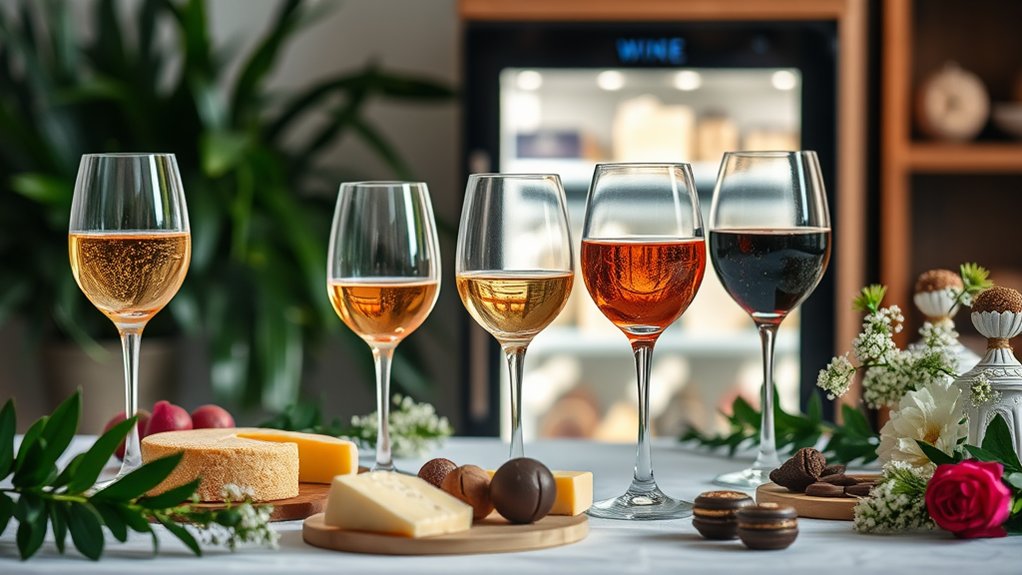
To keep your dessert wines tasting as divine as the day you bought them, you’ll need to master a few essential storage secrets that’ll make even professional sommeliers nod in approval. Store your bottles away from direct sunlight, ideally in a cool, dark place between 45-65°F, and always keep them lying down to keep those corks happy and moist.
| Wine Type | Serving Temperature | Glass Choice |
|---|---|---|
| Light & Fresh | 45-50°F | Small tulip |
| Medium-bodied | 50-55°F | Port glass |
| Full & Rich | 55-60°F | Sherry glass |
When it’s showtime, remember that serving temperature can make or break your dessert wine experience. Nobody wants a lukewarm Sauternes or an ice-cold Port! Choose the right glass, and you’ll reveal those gorgeous aromas that make dessert wines truly magical.
Perfect Food Pairings for Sweet Wines
Because dessert wines shine brightest with the perfect food companion, you’ll want to master the art of pairing these liquid treasures with complementary flavors. Let your taste buds dance with classic cheese pairings, where a rich blue cheese meets your favorite port wine in perfect harmony. For chocolate desserts, you can’t go wrong with a luscious late-harvest Zinfandel, while fruit tarts practically beg for a glass of Muscat. When you’re feeling adventurous, try matching spicy dishes with a sweet Riesling – it’s like having a built-in fire extinguisher! Nut-based treats and creamy desserts find their soulmate in Sauternes, while savory options and light salads pair beautifully with drier dessert wines. Trust us, your dinner parties will never be the same!
The World’s Most Prestigious Dessert Wine Regions

Now that you’ve mastered the art of pairing, let’s explore the enchanting regions where these liquid luxuries come to life. From the misty Bordeaux vineyards to the rolling hills of Hungary, these legendary locations have perfected the craft of sweet wine-making over centuries.
Here are three regions you absolutely can’t miss:
- Sauternes, France – Where noble rot transforms grapes into liquid gold, and prestigious châteaux host some of the world’s most exclusive dessert wine competitions
- Tokaj, Hungary – Home to ancient Hungarian traditions and the “Wine of Kings,” where sweet wine festivals celebrate centuries-old methods
- Piedmont, Italy – Where the magical combination of late-harvest Moscato and morning fog creates wines that’ll make your taste buds dance with joy
Collecting and Investing in Dessert Wines
Three key factors make dessert wines an increasingly attractive investment: their remarkable aging potential, limited production quantities, and growing collector demand. If you’re looking to enter this sweet and profitable market, you’ll need to study current market trends and develop smart investment strategies that focus on prestigious producers and exceptional vintages.
Start by targeting iconic dessert wines like Sauternes and Tokaji, which have proven track records for appreciation. You’ll want to store your liquid treasures in perfect conditions, because one cork failure can turn your investment into very expensive vinegar! Consider working with reputable wine merchants who can authenticate your purchases and provide proper storage solutions. Remember, while not every bottle will make you rich, the joy of collecting these golden elixirs makes the journey worthwhile.
Frequently Asked Questions
Can Dessert Wines Cause More Intense Hangovers Than Regular Wines?
Like a sugar-coated punch, dessert wines can hit you harder tomorrow. Their higher alcohol content and sweetness impact your body more intensely than regular wines, so you’ll feel it worse.
Why Do Some Dessert Wines Cost Significantly More Than Others?
You’ll find dessert wines’ prices vary due to costly production methods like selective harvesting and grape varieties that yield less juice but offer concentrated sweetness and complex flavors.
Do Dessert Wines Contain More Calories Than Regular Wines?
You’ll find dessert wines typically have higher caloric content than regular wines due to their elevated sugar levels, often containing 50-100% more calories per serving.
How Long Can an Opened Bottle of Dessert Wine Last?
Like a sleeping dragon guarding treasure, you’ll find your opened dessert wine can last 4-6 weeks when properly stored. Keep it refrigerated and sealed to minimize oxidation impact, extending its sweet life.
Can Diabetics Drink Dessert Wines in Moderation?
You should consult your doctor about drinking dessert wines, as they affect diabetes management. Consider sweet wine alternatives like dry wines or wine spritzers that contain less sugar.