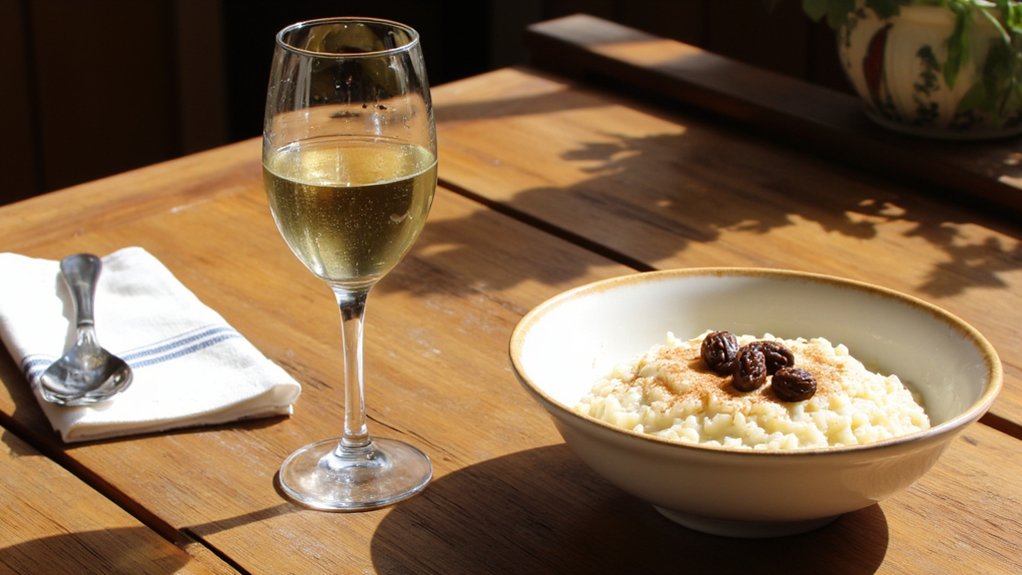
If you want to make your rice pudding sing, pour yourself a glass of sweet Sauternes or a bubbly Moscato d’Asti—both love cozying up to creamy, spiced desserts. Fancy something more adventurous? Try a tawny Port or nutty Sherry for extra depth. Even a slightly chilled Gewürztraminer can turn your dessert into a showstopper. Just don’t grab a tannic red, or it’ll clash like socks with sandals. Stick with these, and you’re in for a treat—let’s get a little fancier.
Key Takeaways
- Classic sweet wines like Sauternes or Tokaji harmonize with rice pudding’s creamy sweetness and elevate its flavor profile.
- Sparkling wines such as Prosecco or Moscato d’Asti provide refreshing acidity and bubbles that balance the dessert’s richness.
- Fortified wines like Tawny Port or Sherry add nutty, caramel notes that pair beautifully with vanilla and cinnamon in rice pudding.
- Choose aromatic whites (e.g., off-dry Riesling, Gewürztraminer) for delicate fruit and spice notes that complement the pudding’s flavors.
- Always match the wine’s sweetness level to the pudding’s sugar content to avoid clashing or overpowering the dessert.



Understanding the Flavors of Rice Pudding

Even if you’ve only tasted rice pudding once, you probably noticed it’s not just a plain old dessert—it’s a creamy, dreamy comfort food that somehow manages to be both cozy and a little bit fancy. You get that silky texture, a touch of sweetness, and a hint of vanilla or maybe cinnamon if you’re lucky. The real magic? It’s all about flavor harmony. Every spoonful is a dance of ingredient interactions: the rice is soft but still has a little bite, the milk gives it richness, and the sugar brings the party. Toss in a sprinkle of nutmeg or maybe a handful of raisins, and wow, things get interesting. It’s comfort food with a wink—simple, but full of surprises. Just like with wine pairing considerations, the flavor balance in rice pudding makes it a perfect canvas for creative and thoughtful matches.
Classic Sweet Wines to Complement Creamy Desserts
So, you’ve got this bowl of creamy rice pudding in front of you—all warm, all sweet, with those hints of spice just begging for a little extra magic. Now, here’s where classic sweet wines come in and steal the show. You want to look for gems from famous wine regions—think Sauternes from Bordeaux or a luscious Tokaji from Hungary. These beauties have enough sweetness to vibe with your dessert, but they’re not going to overpower it. Drizzle your rice pudding with a little caramel, maybe add a few berries, and you’ve got a dessert presentation that’s pure poetry. Pour a glass, take a bite, then a sip. You’ll wonder why you ever settled for milk with pudding. Trust me, it’s a game-changer. Many classic sweet wines are made using late-harvest grapes, which gives them their concentrated sugars and rich, complex flavors that pair so well with creamy desserts.
Sparkling Wines for a Refreshing Contrast
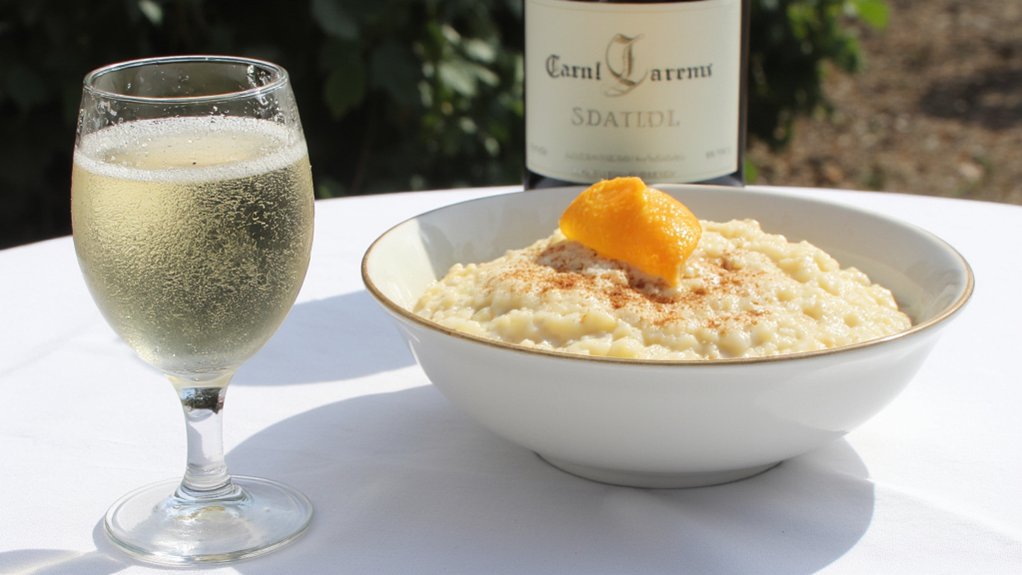
If you’re craving a little sparkle with your rice pudding, you’re in for a treat. Sparkling wines like Prosecco or even a playful Moscato d’Asti bring a zippy acidity and those fun bubbles that cut through the creaminess, kind of like a tiny party in your mouth. Plus, the way those bubbles lift each spoonful—well, let’s just say your dessert will never feel heavy or boring again. The sweetness levels of sparkling wine, ranging from Brut Nature to Demi-Sec, also let you tailor the pairing to your preferred balance of sweetness and refreshment.


Balancing Sweetness and Acidity
How do you keep rice pudding from feeling, well, a little too sweet and heavy? Here’s the trick: balance that creamy sweetness with a sparkling wine that’s got plenty of lively acidity and a pop of fruit flavor. Think of a good Prosecco or a demi-sec Champagne—they’ll give you just enough brightness to lift the whole dessert, cutting through the richness like a zesty dance partner. If your rice pudding is spiked with spice notes (hello, cinnamon and nutmeg), a sparkling rosé can add a playful berry kick, making each bite feel like a celebration. Don’t worry about matching sugar levels perfectly; let the wine’s acidity do the heavy lifting. Trust me, your taste buds will thank you for the invigorating contrast!
Texture Enhancement With Bubbles
While rice pudding is all about that creamy, dreamy texture, you might find it needs a little excitement—like a party crasher who brings the fun. That’s where sparkling wine steps in, fizzing with personality. The carbonation effects are downright magical, cutting through the pudding’s richness and waking up your taste buds. It’s like giving your dessert a pair of dancing shoes. The bubble texture isn’t just for show either; each pop and fizz adds a playful contrast that keeps every bite feeling fresh and light.
If you want my advice, grab a bottle of Moscato d’Asti or Prosecco. Both have gentle sweetness, energetic bubbles, and enough charm to keep the party going. With every sip, you’ll wonder why you ever had rice pudding any other way.
Fortified Wines: Sherry and Port Pairings
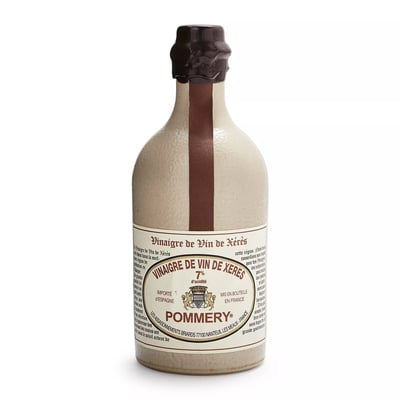
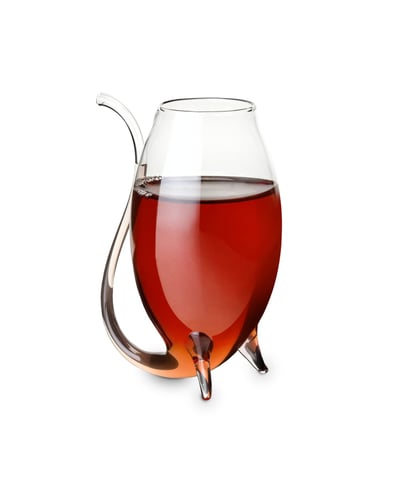
Even though rice pudding might seem humble at first glance, it actually loves hanging out with the stars of the wine world—fortified wines like sherry and port. You might think of these as the smooth crooners from famous dessert wine regions in Spain and Portugal, with voices aged to perfection. Thanks to unique wine aging techniques, sherry brings nutty, caramel notes, while port offers rich berries and spices. Pour a glass of Pedro Ximénez sherry, and suddenly your creamy rice pudding feels like it’s at a VIP party. Prefer port? Go for a tawny, whose dried-fruit flavors will dance with cinnamon and vanilla in the pudding. Don’t be shy! These pairings are bold, classic, and definitely not for dessert wallflowers. For even more indulgence, consider serving special dessert wines that are sweeter than the pudding itself, as they beautifully complement the creamy, spiced flavors of this classic treat.
Exploring Aromatic Whites for a Delicate Balance

Once you’ve dipped your spoon into creamy rice pudding, you might be tempted to reach for something sweet and bold, but let’s hit pause for a second. You’ll want a wine that’s got flair, but not a show-off. Aromatic whites are your go-to for that delicate balance—think of them as the backup singers who make the dessert shine. You’re looking for white wines with fruit infusions and herbal notes that dance with the pudding’s subtle vanilla and cinnamon. Here are three stars to try:
- Gewürztraminer: Lychee, rose petals, and a little spice.
- Moscato d’Asti: Light fizz, citrus, and honey—like dessert’s bubbly best friend.
- Riesling (off-dry): Ripe peach, green apple, and a whiff of fresh herbs.
Trust me, your taste buds will thank you. For a deeper exploration, consider how herb-crusted lamb chops suit medium-bodied reds to understand how herbs in food interact with wine—this principle applies deliciously to the herbal notes in aromatic whites and rice pudding.
Red Wine Options: When to Break the Rules
So, you’ve gotten cozy with those aromatic whites, but maybe you’re feeling a bit rebellious. Who says you can’t reach for a red wine with rice pudding? Sure, it’s not the classic move, but hey, neither was pairing cheese with fruit until someone tried it. Go for a lighter-bodied red like Pinot Noir or Gamay. These wines have enough fruitiness to play nice with the pudding’s creamy sweetness, but won’t overwhelm your taste buds. Just remember, wine storage matters: keep your reds slightly cool so they don’t taste flabby next to the dessert. If you’re adventurous, chill the bottle a bit more than usual—rules are meant for breaking, right? Sometimes, the most unexpected pairings create the best memories. For inspiration, look to fruit-forward Zinfandel, which is praised for complementing chocolate desserts without overpowering, and consider how a similar approach can enhance your rice pudding experience.
Tips for Serving and Enjoying Wine With Rice Pudding
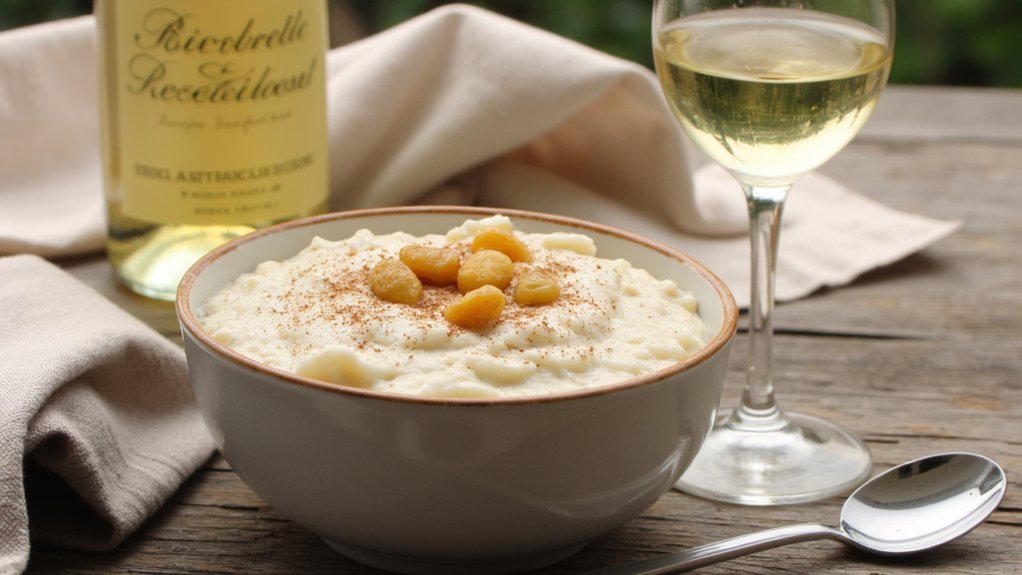
While it might seem simple to just pour a glass and dig into your bowl of rice pudding, there’s a bit of art to making the experience truly memorable. You want your wine and dessert to sing in harmony, not wrestle for the spotlight. Let’s talk serving temperature—sweet wines shine when they’re chilled, but not icy cold. Too cold and you’ll mute those lovely aromas. Spice pairings matter, too. If your rice pudding is heavy on cinnamon or nutmeg, pick a wine that matches or complements those notes. And presentation? Oh, it counts!
- Serve sweet or aromatic wines slightly chilled, around 45-55°F.
- Match spice pairings by choosing wines with similar flavor notes.
- Use elegant glassware to uplift the vibe—your pudding deserves it!
- When pairing, consider matching sweetness levels so the wine complements, rather than competes with, your dessert.
Frequently Asked Questions
Can I Use Wine as an Ingredient in Rice Pudding?
Yes, you can use wine as an ingredient in rice pudding. Try adding a splash of cooking wine for an alcohol infusion that adds depth and complexity. Just don’t overdo it, or you’ll overpower the dessert.
Are There Non-Alcoholic Wine Alternatives for Pairing?
Yes, you’ve got plenty of non alcoholic wines and wine substitutes to try. Look for alcohol-free Moscato or sparkling grape juice. They’ll give you similar fruity and sweet notes, perfectly pairing with your rice pudding.
How Long Can Leftover Rice Pudding and Wine Be Stored?
You can keep leftover rice pudding in the fridge for up to four days; just cover it well to maximize storage duration and prevent spoilage. For wine, reseal and refrigerate it, using within three to five days.
What Toppings Enhance Both Rice Pudding and Wine Pairing?
You’ll find that fruit compotes and caramel drizzles really raise both rice pudding and your wine pairing. They add sweetness and complexity, complementing dessert wines like Sauternes or Moscato, and making every bite and sip more luscious.
Is It Safe for Children to Eat Rice Pudding Cooked With Wine?
You shouldn’t serve rice pudding cooked with wine to children, since children’s safety is a top priority. Even though some alcohol cooks off, traces can remain, so any wine consumption by kids isn’t recommended for health reasons.