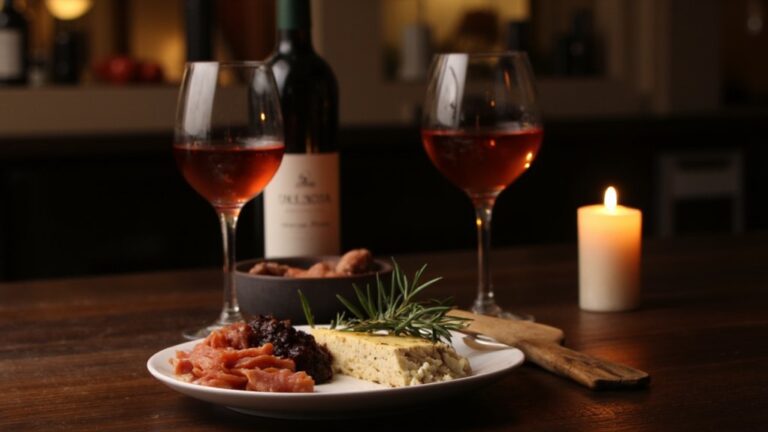
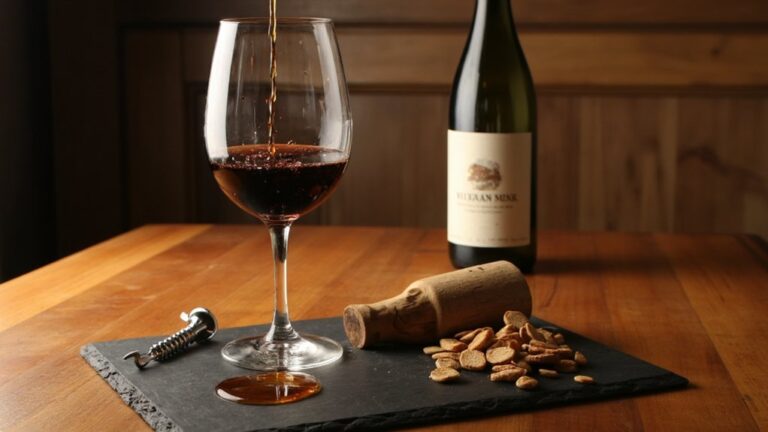
Discover the enchanting world of sparkling wine, where millions of tiny bubbles dance their way into your glass through fascinating fermentation methods. You’ll find everything from prestigious Champagne to wallet-friendly Prosecco, each with its own unique character and charm. Whether you’re celebrating life’s big moments or jazzing up a Tuesday night, there’s a bubbly for every occasion and budget. Let’s pop open the secrets to becoming a sparkling wine aficionado.
Key Takeaways
- Sparkling wine’s bubbles form through yeast fermentation, creating carbon dioxide that escapes through nucleation sites in the glass.
- Different production methods, including Traditional and Tank Method, determine bubble refinement, cost, and flavor characteristics.
- Sweetness levels range from Brut Nature to Doux, offering options from bone-dry to sweet to suit various tastes.
- Major sparkling wine regions include France (Champagne), Italy (Prosecco), Spain (Cava), and Germany (Sekt), each with distinct styles.
- Store sparkling wine horizontally at 45-50°F, and serve vintage bottles at 45°F and non-vintage at 43°F.

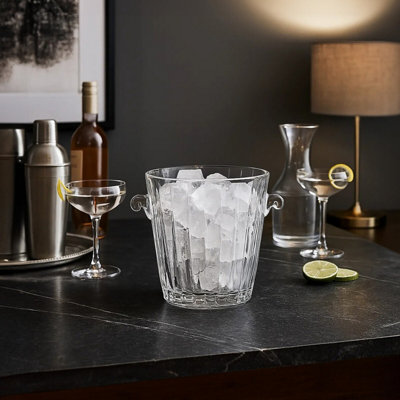
The Science Behind the Bubbles: How Sparkling Wine Gets Its Fizz

While many wine enthusiasts love a good glass of bubbly, few know the fascinating science behind those magical, dancing bubbles. The secret lies in a process called yeast fermentation, where tiny organisms work their microscopic magic to create those delightful pearls of effervescence you’re sipping.
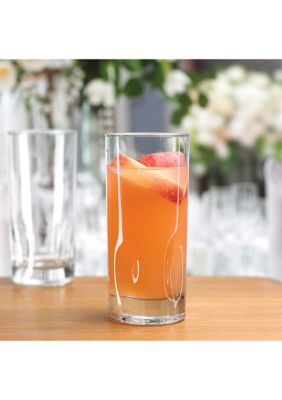
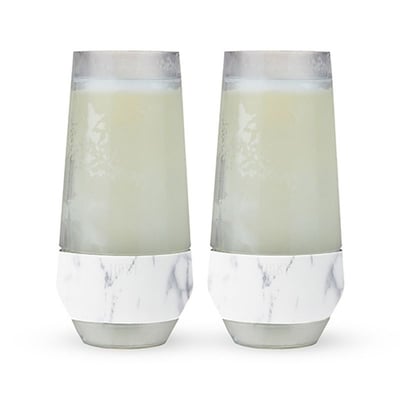
When you pop open that bottle of sparkling wine, you’re actually witnessing bubble formation in action. Carbon dioxide, trapped under pressure during the fermentation process, rushes to escape through nucleation sites – tiny imperfections in your glass that serve as launch pads for bubbles. It’s like thousands of tiny astronauts racing to reach the surface! The bubbles start small at the bottom of your glass and grow larger as they rise, creating that mesmerizing upward dance that makes sparkling wine so enchanting. Additionally, this process can vary significantly based on the type of fermentation method used, influencing the final character of the sparkling wine.
Traditional Method vs. Tank Method: Different Ways to Make Sparkling Wine
When it comes to creating those delightful bubbles in sparkling wine, winemakers have two main tricks up their sleeves: the traditional method and the tank method. The traditional method, also known as méthode champenoise, is like sending your wine to finishing school – it’s fancy, time-consuming, and results in those tiny, refined bubbles you’ll find in Champagne. The tank method, on the other hand, is more like speed dating for wine – quick, efficient, and perfect for those fresh, fruity bubbles in Prosecco!
| Feature | Traditional Method | Tank Method |
|---|---|---|
| Time | 1-3 years | 3-6 weeks |
| Bubble Size | Tiny, refined | Larger, robust |
| Cost | Higher | Lower |
| Examples | Champagne, Cava | Prosecco, Lambrusco |
From Champagne to Cava: Major Sparkling Wine Regions Around the World

Sparkling wine’s global journey has created a delightful map of bubbles, with each region putting its own signature spin on these effervescent treasures. From the strict Regional Regulations of France’s Champagne to the sun-kissed vineyards of Australia, you’ll find a world of fizz waiting to be explored.
Let’s pop around the globe and discover some standout sparklers:
- French Sparkling: The grand dame of bubbles, where tradition reigns supreme
- Italian Prosecco: Your carefree, fruit-forward party starter from the Veneto
- Spanish Cava: Mediterranean magic with a wallet-friendly price tag
- German Sekt: Cool-climate elegance with pristine precision
- New World Stars: From American Sparkling to South African Cap Classique, these upstarts are giving the old guard a run for their money
Whether you’re sipping English Sparkling in the countryside or toasting with New Zealand Bubbles, there’s a perfect pop for every palate.


Understanding Sweetness Levels: From Brut Nature to Doux
Just as a master chef balances flavors in the kitchen, sparkling wine producers craft their bubbles with varying levels of sweetness to suit every taste preference. You’ll find these wines across a fascinating sweetness spectrum, ranging from bone-dry Brut Nature (perfect for those who run screaming from sugar) to the decadently sweet Doux (for when you’re feeling particularly indulgent).
Want to sound like a pro? Start with Extra Brut and work your way up through Brut, Extra Dry, Sec, Demi-Sec, and finally, Doux. Here’s a fun fact: those sweeter styles aren’t just for dessert pairings – though they’re absolutely divine with fruit tarts! In fact, a well-chilled Demi-Sec can be your secret weapon against spicy Thai food. Who knew?
Essential Sparkling Wine Terminology and Label Reading
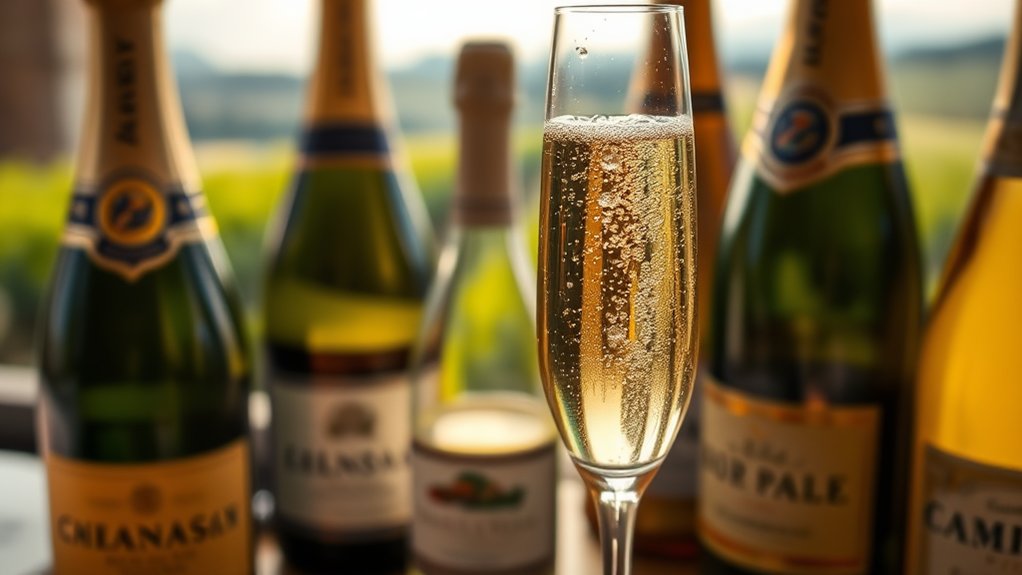
Steering through a sparkling wine label can feel like decoding a secret message from a French spy novel, but don’t worry – we’ll turn you into a label-reading pro in no time! Let’s plunge into terminology basics that’ll make label decoding as breezy as sipping your favorite bubbly.
Here are the key terms you’ll spot on sparkling wine labels:
- Méthode Traditionelle – the fancy way of saying it’s made like Champagne
- Cuvée – a special blend or the first, finest pressing of the grapes
- Vintage – the year the grapes were harvested (if there’s no year, it’s non-vintage)
- Crémant – French sparkling wine made outside Champagne
- Spumante – Italian term for sparkling wine, while Frizzante means semi-sparkling
Now you’re armed with the lingo to confidently pick your next bottle of fizz!
Proper Storage and Serving Temperature for Maximum Enjoyment
While you might think wine storage requires a fancy underground cellar, keeping your bubbly in prime condition isn’t rocket science! The key lies in maintaining ideal temperature and consistent storage conditions that’ll make your sparkling wine sing when you pop that cork.
| Storage Factor | Recommendation |
|---|---|
| Temperature | 45-50°F (7-10°C) |
| Light Exposure | Minimal to none |
| Position | Horizontal lying |
| Humidity | 70-80% |
| Vibration | Avoid at all costs |
You’ll want to serve your sparklers chilled to perfection, around 45°F for vintage champagnes and 43°F for non-vintage varieties. Just remember: if it’s too cold, you’ll miss out on those gorgeous aromas, and if it’s too warm, you’ll end up with a fizzy fountain that’ll paint your ceiling!
Choosing the Right Glass: Why Shape Matters
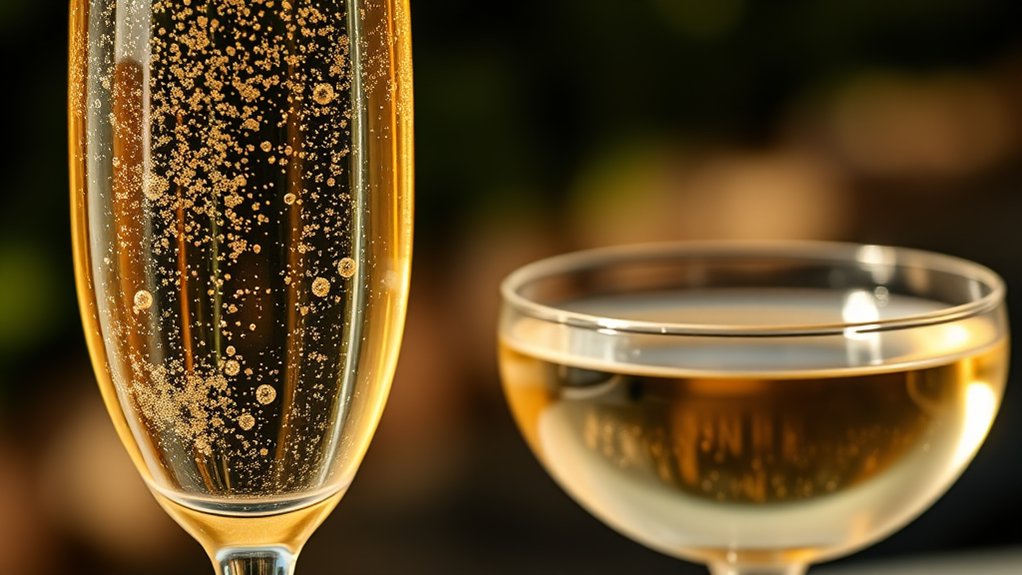
Have you ever noticed how different wine glasses can make the same bottle taste completely different? The shape of your glass plays a vital role in your tasting experience, especially when it comes to sparkling wine.
Here’s why different glass types matter for your bubbly:
- Flutes preserve carbonation longer and showcase those mesmerizing bubble streams
- Tulip glasses concentrate aromas while giving bubbles room to develop
- Coupe glasses offer vintage glamour but let bubbles dissipate quickly
- White wine glasses work well for complex vintage champagnes
- Universal glasses are your safe bet for casual sipping
When you’re ready to pop that cork, remember that the right glass isn’t just about looking fancy – it’s about maximizing those delightful aromas and keeping your bubbles dancing longer. Trust me, your taste buds will thank you!
Food Pairing Principles for Sparkling Wines
Pairing food with sparkling wine can transform an ordinary meal into a celebration, creating magical flavor combinations that’ll make your taste buds dance. Whether you’re sipping a crisp Prosecco or a rich Champagne, understanding basic food pairing principles will help you create unforgettable dining experiences.
Light, citrusy sparklers are your best friends when it comes to seafood and fresh salads, while fuller-bodied bubbles can stand up to creamy pasta dishes and even fried foods (yes, champagne and French fries are a match made in heaven!). The key is matching flavor profiles: delicate wines with lighter fare, robust wines with richer dishes. And don’t forget about dessert – a sweet demi-sec sparkling wine paired with fruit tarts will have you wondering why you didn’t try this sooner!
Budget-Friendly Alternatives to Champagne
Great food pairings don’t have to come with a champagne price tag! You’ll find plenty of affordable options that’ll make your taste buds dance without emptying your wallet. Let’s explore some fantastic sparkling varieties that deliver champagne-worthy excitement at a fraction of the cost.
Check out these budget-friendly bubbles that’ll wow your guests:
- Prosecco from Italy’s Veneto region – crisp, light, and perfect for parties
- Spanish Cava – dry, sophisticated, and seriously underpriced
- American sparkling wines from California – bold, fruity, and locally crafted
- Crémant from France – made like champagne but without the fancy zip code
- German Sekt – invigorating, versatile, and delightfully affordable
These wallet-friendly alternatives prove that living your best sparkling life doesn’t require a luxury budget!
Common Myths and Misconceptions About Sparkling Wine
While many wine enthusiasts swear by certain “rules” about sparkling wine, it’s time to pop the cork on some persistent myths that keep floating around.
| Myth | Truth |
|---|---|
| Only Champagne has bubbles | All sparkling wines have bubbles, from Prosecco to Cava |
| You must serve it in flutes | Any wine glass works; wider bowls can enhance aromas |
| It’s only for celebrations | Sparkling wine pairs wonderfully with everyday meals |
| All sparklings are sweet | Many are dry, from brut nature to extra brut |
| It gives worse hangovers | There’s no scientific evidence supporting this claim |
Let’s face it – these common misconceptions about sparkling wine have been giving our beloved bubbly a bad rap for too long. You don’t need to wait for a special occasion, and you certainly don’t need to stick to those dainty flutes if you prefer a different glass!
Frequently Asked Questions
Can Pregnant Women Drink Non-Alcoholic Sparkling Wine Alternatives?
You’ll be delighted to know you’re not doomed to boring beverages! You can safely enjoy non-alcoholic options like sparkling grape juice or dealcoholized wine, which offer health benefits without risks during pregnancy.
How Long Does an Opened Bottle of Sparkling Wine Last With Stopper?
You’ll get 1-3 days from your opened sparkling wine with a proper stopper. For best preservation, store the bottle upright in your fridge and maintain consistent temperature during storage.
Why Do Some People Get Headaches From Drinking Sparkling Wine?
Like a hammer to Thor’s head, you might get headaches from sparkling wine due to sulfite sensitivity, carbonation effects that dilate blood vessels, or your body’s reaction to histamines and tannins.
Can Sparkling Wine Be Used for Cooking and Baking?
You can use sparkling wine in cooking techniques like deglazing pans and making sauces, or enhance baking flavors in cakes and desserts. It’ll add depth and brightness to your dishes.
Does the Color of Sparkling Wine Affect Its Taste or Quality?
Color doesn’t directly affect quality, but it can influence your flavor perception. You’ll find different tastes across white, rosé, and amber sparklers based on their grape varieties and production methods.