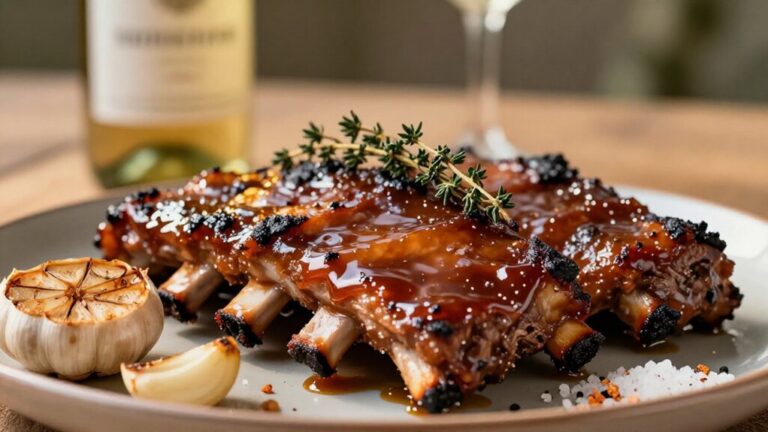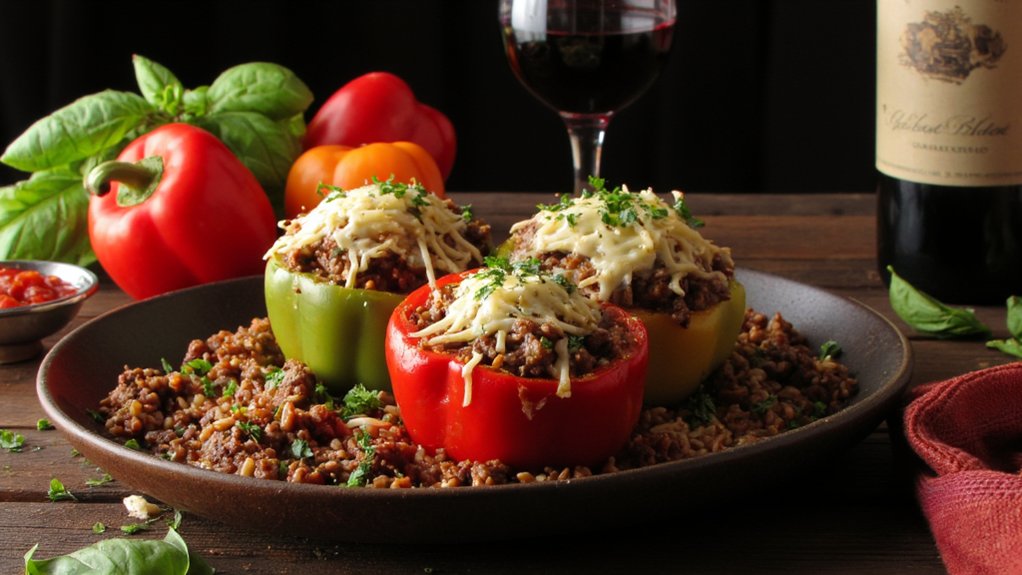
You’ll want wines that cut the tomato tang and stand up to beef without stealing the show. Try a medium-bodied Cabernet Franc for herb-forward fillings, a juicy Zinfandel or Rioja Reserva if you like richer, spiced flavors, or a classic Chianti for bright acidity with tomato. Don’t forget crisp Sauvignon Blanc, Albariño, or a dry Provençal rosé to refresh the palate. Chill whites a bit, let big reds breathe, and keep going if you want more specifics.
Key Takeaways
- Match acidity to tomato brightness: choose wines with medium-plus acidity (Chianti, Rioja, Albariño) to cut tomato tang and refresh the palate.
- For herb-forward fillings, pick herbaceous whites or lighter reds (Sauvignon Blanc, Pinot Noir, Cabernet Franc) that echo savory notes.
- Rich, beefy or cheesy-stuffed peppers pair well with medium-bodied, moderate-tannin reds (Malbec, Zinfandel, Tempranillo).
- If peppers are spicy or smoky, favor fruit-forward, low-tannin wines or off-dry whites (Zinfandel, Gewürztraminer, Riesling).
- For versatile, crowd-pleasing options, serve a dry Provençal rosé, unoaked Chardonnay, or young Pinot Noir slightly chilled.


Quick Answer: Top 5 Wines for Beef-Stuffed Bell Peppers
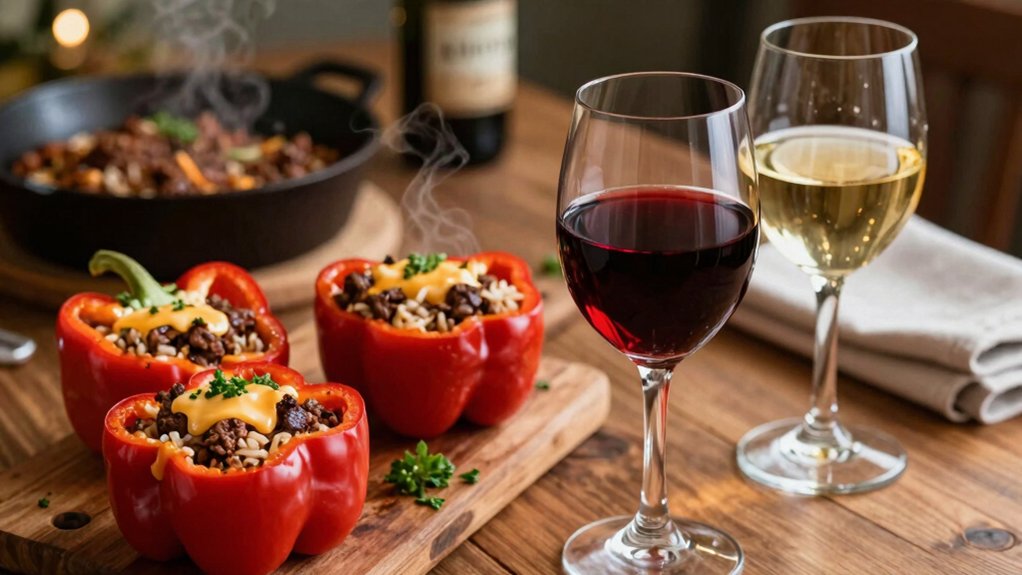
If you’re short on time but want a solid wine to pour with beef-stuffed bell peppers, here are five winners that rarely miss: a medium-bodied Cabernet Franc, a fruity but structured Zinfandel, a Rioja Reserva, a classic Chianti, and a peppery Malbec. You’ll find Cabernet Franc often shows herb forward notes that play nicely with the filling. Zinfandel brings ripe fruit and spice, a crowd-pleaser when you don’t want to overthink things. Rioja Reserva adds leather and oak influence for a richer vibe. Chianti’s bright tomato-friendly acidity and earthy charm are reliable. Malbec gives you plush dark fruit and a peppery finish that echoes the peppers. Keep an eye on market trends; they’ll nudge you toward good value bottles without fuss. Remember to match wine body with stuffing richness, as heavier meat fillings require fuller-bodied wines to complement the robust flavors effectively.
How Wine Pairing Works for Stuffed Bell Peppers (Acid, Tannin, Body)
When you’re thinking about what to pour with stuffed bell peppers, it helps to break things down to three basics: acid, tannin, and body — they’re the building blocks that either make a bite and a sip sing together or leave you wondering what happened. You want acid structure to cut through tomato brightness and fat from beef. Tannin grip can tame richer meat, but too much will clash. Body weight matters — light wines won’t stand up, heavy ones might overwhelm. Aim for flavor balance: bright, chewy, or plush depending on stuffing and spice, and you’ll get harmony. Understanding how tannins in red wine bind with meat proteins will help you select a wine that cleanses the palate between bites of your stuffed peppers.
Tomato, Southwestern, Mediterranean Fillings: Best Wine Matches
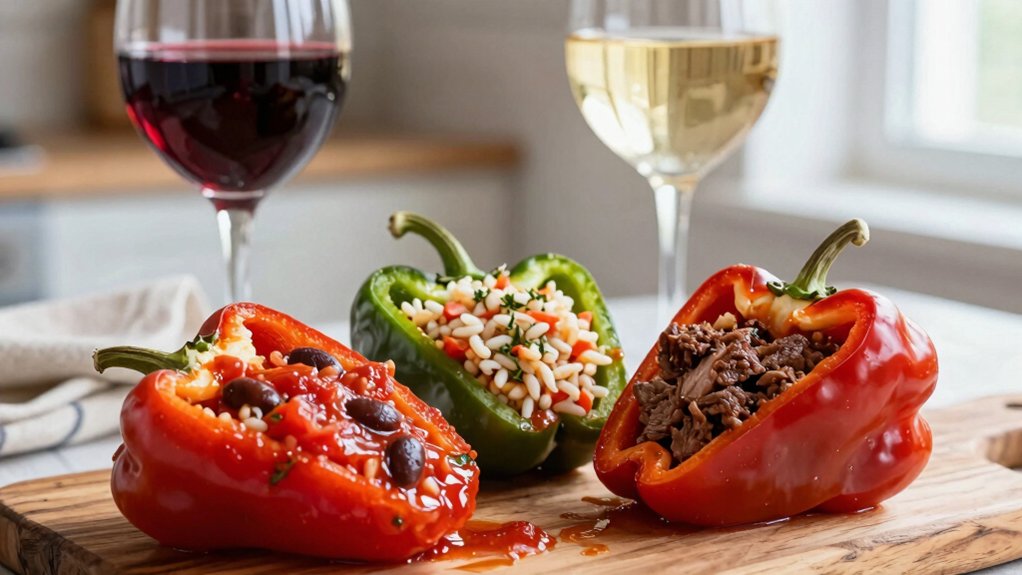
If your peppers are swimming in tomato sauce, you’ll want a wine that matches that bright acidity without getting squashed. For spicy Southwestern fillings think fruity, chilled rosés or low-tannin Zinfandels that play nice with cumin, chili and a bit of smoke. And for Mediterranean herbs — oregano, thyme, olives — try a herby Sauvignon Blanc or a medium-bodied Grenache that echoes those savory, sun-dried flavors while keeping things fresh and lively. Like ratatouille, the key to successful pairing is balancing light to medium-bodied wines with the richness of beef and vegetables.



Tomato-Based Pepper Pairings
Tomato-based stuffed peppers—whether they’re classic Italian-style with lots of basil, spicy Southwestern with beans and chipotle, or herb-forward Mediterranean versions—have a lively, tangy character that loves a wine that can stand up and play along. You’ll want wines that respect roasted garlic and offer an umami match to beef, while citrus brightening and acidity balance keep the tomato from feeling heavy. Try lighter reds or zesty whites that refresh the palate and echo the herbs, not fight them. Think of approaches that lift the dish. Consider crisp Sauvignon Blanc with its zesty citrus notes and mineral undertones that can complement the acidity of tomato-based fillings while enhancing the delicate herb flavors.
- Sun-warmed tomatoes bubbling, herbs perfuming the kitchen
- Melted cheese stretching as you dig in
- Roasted garlic scents mingling with beef
- Bright lemon notes cutting through richness
- Fresh basil and oregano popping on the tongue
Southwestern Spice Matches
You’re going to want wines that can handle a little swagger without stealing the show, because Southwestern stuffed peppers bring heat, smoke, and big herb flavors to the table. You’ll love fruity, low-tannin reds like Zinfandel or Grenache; they stand up to smoky chipotle without turning bitter, and their jammy fruit calms the spice. Zinfandel’s bold, fruit-forward character with black pepper and spice notes makes it particularly well-suited for these assertive Southwestern flavors. For white lovers, try an off-dry Gewürztraminer or a Riesling that can flirt with cilantro lime brightness and cool the palate. If you want bubbles, a dry sparkling wine will reset your mouth between bites — very satisfying. Keep acidity in mind; it brightens tomatoes and lifts herbs. Playful tip: bring a bottle you’re proud of, even if it’s just for show.
Mediterranean Herb Complements
You’ve already seen how bold Southwestern spices like chipotle and cilantro want wines that play nice without going toe-to-to-toe, so now let’s look at the other side of the pepper spectrum — those bright, herb-forward Mediterranean fillings starring tomatoes, basil, oregano, and parsley. You’re after wines that echo Mediterranean oregano and fresh tomato acidity, maybe with a twist of lemon zest to lift things. Crisp whites and light reds win here. Think herbal notes, zippy acidity, and a little savory warmth from the beef.
- sun-warmed tomatoes bubbling with basil
- chopped parsley scattered like confetti
- a sprinkle of Mediterranean oregano, earthy and sharp
- bright lemon zest glinting on top
- a tender beef filling, cozy and savory
Try a Vermentino or light Grenache.
Red Wines for Beef-Stuffed Bell Peppers (Light–Medium Reds)
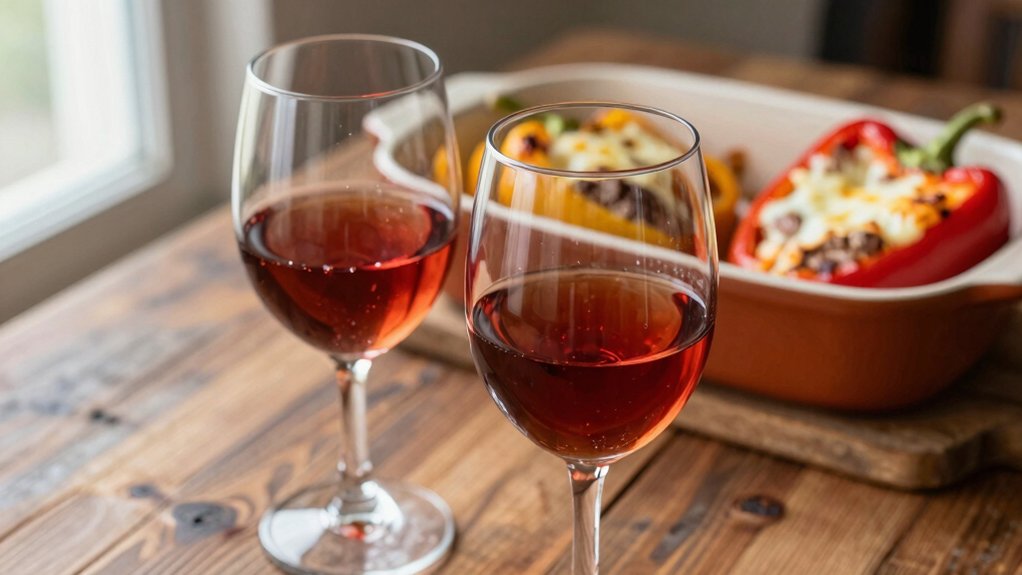
You’ll find light–to–medium red wines with bright red fruit and gentle tannins really play well with beef-stuffed peppers, cutting through the richness without stealing the show. Look for bottles that show a touch of herbaceousness—think a little green pepper or dried oregano on the nose—which echoes the peppers and any herbs in the filling, and you’ll get a nice flavor handshake. Try a chilled Beaujolais or a young Pinot Noir if you want something easy and food-friendly; they’re friendly, not fussy, and won’t overpower your dinner.
Bright Red Fruit
- A bowl of cherries on a sunny afternoon
- Fresh raspberries crushed on your tongue
- Tart cranberry brightening the plate
- Light spice and warm summer stone fruit
- A slice of red apple with a wink
Pop a bottle, taste, smile.

Gentle Tannins
Bright red fruit was fun and lively, but now let’s move toward something a bit softer on the palate: gentle tannins. You’ll notice wines with soft tannins cradle the beef without drying your mouth, and they let the pepper’s sweetness sing. Think Gamay or a light Merlot—approachable, friendly, the kind you’d invite over on a weeknight. They often bring a velvet mouthfeel that feels cozy with the stuffing, comforting but not heavy. These reds balance acidity and subtle spice, so flavors stay bright while the texture stays smooth. They won’t outshine herbs or tomato notes. Pour a glass, take a bite, and you’ll see how gentle tannins make the whole dish more relaxed and fun — like a good buddy at dinner.
Herbaceous Accents
When herbs are the stars of your stuffing, a red that’s got green, savory notes can make everything click — think wines that smell a little like a garden after rain. You’ll want light–medium reds with a fresh, herb-laced personality that lift the beef without overpowering it. Imagine a Pinot or a lighter Sangiovese that nods to fresh basil and citrus thyme, giving bright lift and a hint of chew. They’re lively, a bit rustic, and they play nice with tomato, garlic, and melty cheese. Try to keep it cool, serve slightly chilled if it’s warm out, and you’ll find the herbs sing.
- wet soil after rain
- torn basil leaves
- snip of citrus thyme
- sun-warmed tomato
- toasted crust of bread
Whites and Rosés That Refresh Tomato-Based Fillings
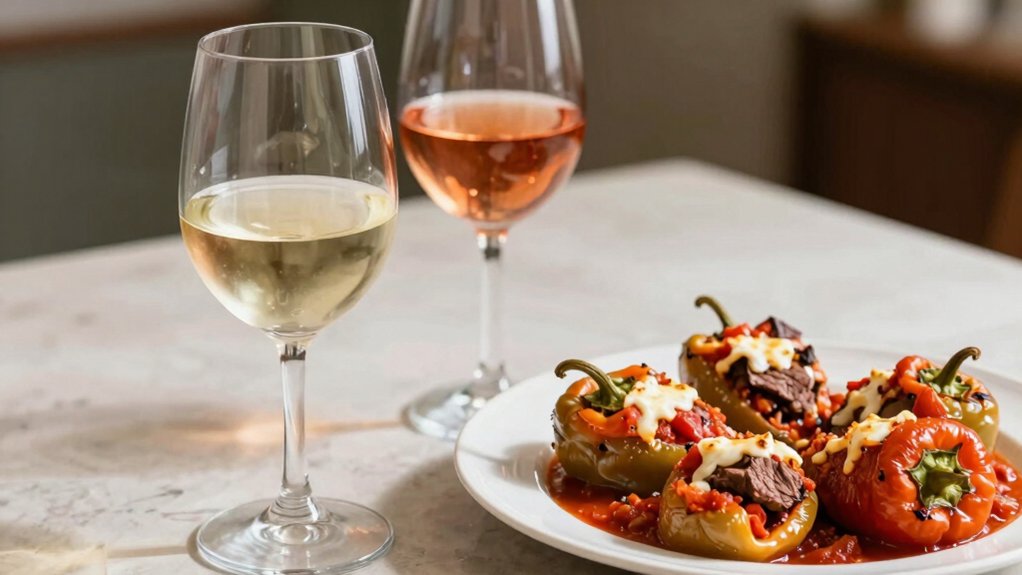
Tomato-based stuffed peppers call for wines that cut through acidity and refresh your palate, so whites and rosés are often your best friends here. Look for bottles with citrusy acidity and a mineral backbone to lift the tomato and beef without overpowering them. Try a crisp Sauvignon Blanc for herbal brightness, or an unoaked Chardonnay if you want a softer, fruit-forward partner. Dry Provençal rosé works wonders — it’s light, pretty, and won’t fight the filling. If you’re feeling adventurous, pick an Albariño for saline notes and zippy finish; it’s like a tiny palate reset between bites. Serve slightly chilled, not freezer-cold. You’ll enjoy how the wine cleans the slate and keeps each bite lively.
Sparkling & Low-Alcohol Choices for Casual Meals
If you want something easygoing with stuffed peppers, try a light sparkling red — it’s fizzy, fun, and won’t fight the tomato and pepper flavors. You can also lean on low-alcohol whites that keep things bright and relaxed, so you won’t feel buzzed after a weeknight dinner. Mix and match a little, and you might find a surprising combo that makes takeout nights feel like a mini celebration (yes, even on a Tuesday).
Light Sparkling Reds
You’ll often find that a light sparkling red is the easiest way to lift a casual stuffed pepper dinner without fussing over heavy wine rules. You’ll get that light fizz playing off the savory beef and roasted pepper, and a rustic pét nat brings a friendly, slightly wild edge that feels homemade. It’s relaxed, fizzy comfort—good for weeknights and backyard meals. You won’t need to overthink food matching; these wines are forgiving, slightly chilled, and they clean the palate between bites. Try to pick one with bright red fruit and modest tannin, and don’t be shy about bubbles.
- chilled glass sweating on a sunny porch
- red cherries and raspberry dust
- tiny foamy beads on your tongue
- crunchy toasted breadcrumbs
- laughter and messy napkins
Low-Alcohol Whites
Because stuffed peppers sit somewhere between rich and fresh, a low-alcohol white can be your secret weapon—light enough to keep things easy, but flavorful enough to stand up to beef, rice, and those roasted pepper oils. You’ll love how low alcohol whites refresh the palate, letting the stuffing sing without overpowering it. Try a citrus driven Riesling for zippy acidity, or a floral Gewurztraminer if you want aromatic lift. If you’re feeling playful, pet nat alternatives bring gentle bubbles and a casual vibe that’s great for weeknight dinners.
| Style | Why it works |
|---|---|
| Riesling | Bright, citrus notes cut through richness |
| Gewurztraminer | Floral scent matches pepper aroma |
| Pet nat | Light fizz, relaxed energy, easy pair |
How Pepper Color (Green, Red, Yellow) Changes Pairing
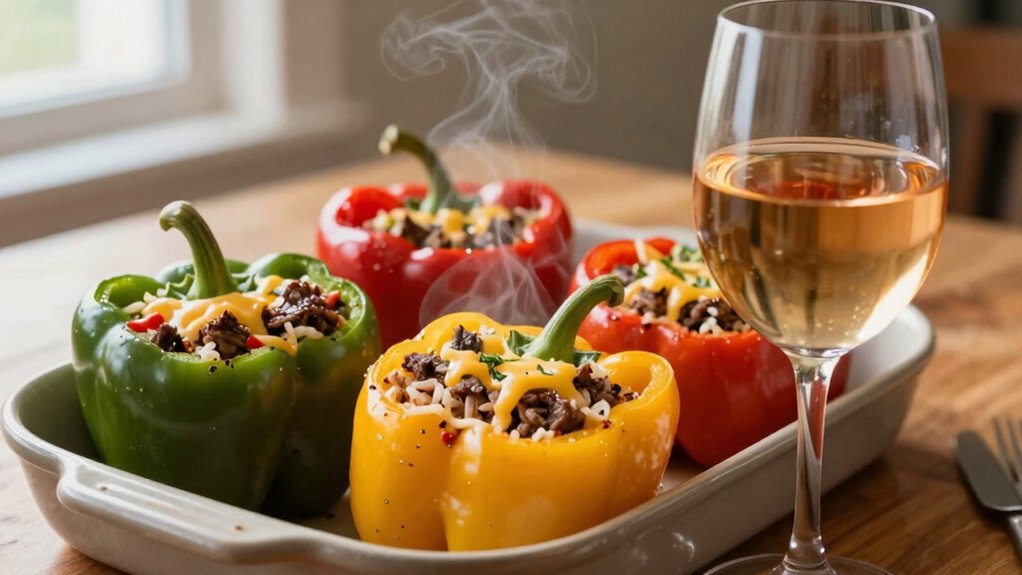
When you pick bell peppers for stuffing, color matters more than you might think, and not just for the photo on your phone. You’re actually choosing stages of pepper ripeness and different pigment compounds that shift sweetness, bitterness, and aroma, and that changes which wines will sing alongside your beef. Green peppers are grassy and a bit bitter, with firmer seeds and a touch of seed heat, so lean toward crisp, zippy whites or light-bodied reds. Red peppers are sweeter, richer, full of flavor development—go for fruit-forward reds or richer rosés. Yellow peppers sit in between, sunny and tangy; they pair well with off-dry whites or lighter, spiced reds.
- bright crunchy green slices
- blistered sweet red halves
- sunny golden yellow boats
- roasting-sweet aroma
- meaty beef filling peeking through
Cheese and Texture: Mozzarella, Cheddar, Feta – What to Pour
You picked your peppers, now think about the cheese — it changes everything. You want cheese melting? Go with mozzarella: it’s all gooey pull and mild flavor, so a light red like Gamay or a unoaked Chardonnay keeps things bright and simple. Cheddar brings more bite and savory depth; sharp versions need a wine with structure, think Tempranillo or a medium-bodied Cabernet Franc, to match that texture contrast. Feta? Tangy and crumbly balance is its thing, so pick a crisp white like Assyrtiko or a dry rosé to cut through salt and lift herbs. Mix cheeses? Then blend wines: a versatile, food-friendly Pinot Noir usually gets along with mixed textures and won’t steal the show.
Budget Picks Under $20 and Splurge Bottles to Consider
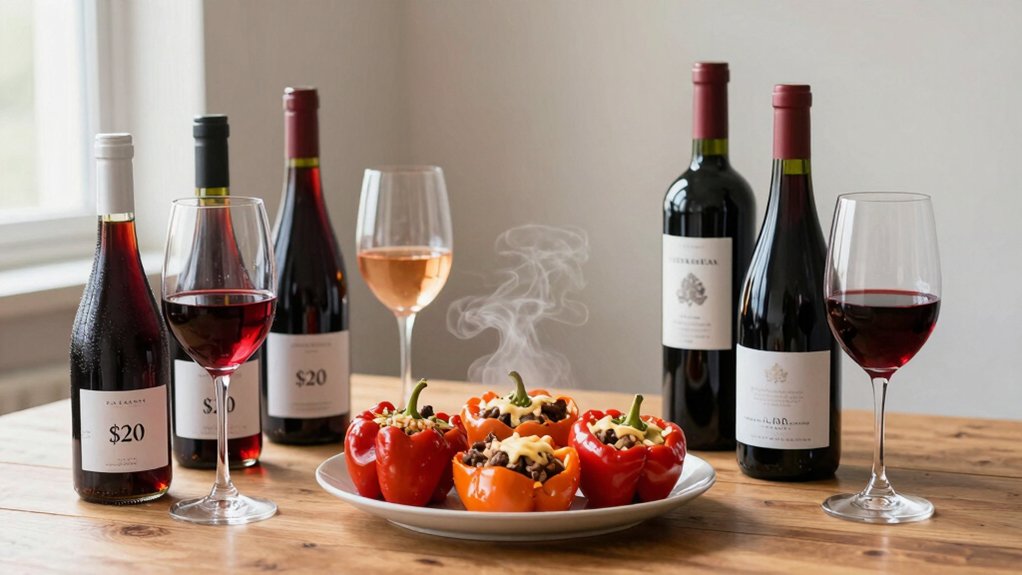
If you’re trying to keep the bill under $20 but still want a bottle that won’t make your stuffed peppers taste like a compromise, there are plenty of solid options that punch above their price. You’ll find Budget bottles that bring bright cherry, gentle spice, and enough structure to stand up to beef and cheese. And if you feel like celebrating, Splurge bottles offer deeper tannins, complex earth, and velvet fruit that lift the dish.
- A rustic Rioja with leather and red fruit, like grandma’s apron in a glass.
- A lively Grenache, sun-warmed and juicy.
- A budget-friendly Chianti, tomato-friendly and honest.
- A richer Malbec for big, plush bites.
- A silky Pinot Noir for special-night coziness.
Serving & Tasting Tips: Temperature, Decanting, and Pairing Technique
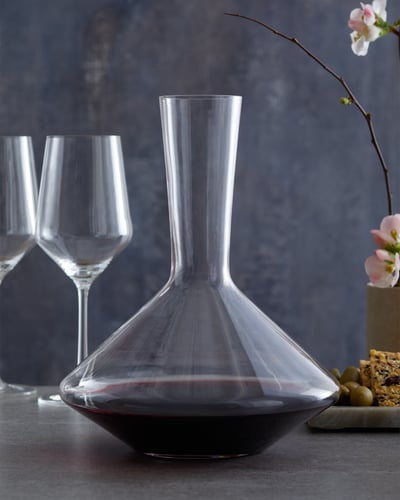
Because temperature changes everything, getting it right will make your stuffed peppers sing — or at least stop them from tasting like they forgot to show up. Start with serving rituals: chill reds slightly and keep fuller whites a touch warmer than the fridge. Use simple temperature charts so you’re not guessing — 55–60°F for medium-bodied reds, 45–50°F for richer whites, that sort of thing. Think about decant timing too; bold reds benefit from 30–60 minutes, lighter wines need less. Pour small tastes, then eat a bit of pepper, then sip. Use palate cleansers between bites — plain bread or sparkling water — to reset your mouth. Take notes, but don’t be a snob. Taste, tweak, enjoy.
Frequently Asked Questions
Can I Substitute Ground Turkey or Lamb Instead of Beef?
Yes — you can substitute turkey or lamb. You’ll notice turkey texture is leaner, milder and needs seasoning or fat, while lamb richness gives a bolder, gamier profile; adjust spices and cooking time accordingly for best results.
How Far Ahead Can I Prepare Stuffed Peppers for Pairing Night?
You can make ahead stuffed peppers up to 24–48 hours before pairing night; for longer, freeze. Storage tips fridge shelf: cover tightly, place on middle shelf. Reheating methods: oven at 350°F until warmed through.
Do Non-Alcoholic Wines Pair Well With Beef-Stuffed Peppers?
Yes — you can pair alcohol free wines with beef-stuffed peppers, but you’ll want to match flavor intensity and texture match; seek fuller non-alcoholic grape varieties or blends that mimic tannins and savory depth for best results.
What Side Dishes Change the Ideal Wine Choice?
Yes — sides shift the wine: roasted vegetables or charred corn push toward earthy reds, creamy polenta or lemon couscous favor softer whites, herbed salad or braised greens suit crisp rosé, while garlic bread or caramelized onions want bolder reds.
Can Spicy Hot Peppers Alter Which Wine to Serve?
Yes — spicy hot peppers change the pairing: you’ll need lower spicy intensity, worry about palate fatigue, consider capsaicin interaction, and avoid high tannin sensitivity wines; choose fruity, slightly sweet or low‑tannin chilled options to soothe heat.