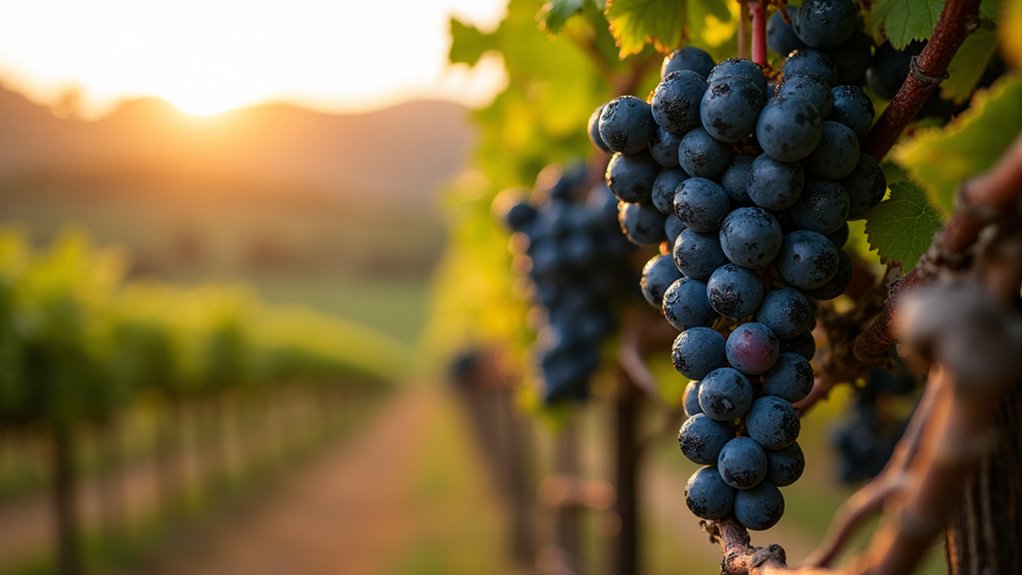
Ever wondered what makes Zinfandel such a buzzword among wine fans? You’re about to find out! It’s not just California’s pride and joy—it’s a grape with a wild backstory, ancient roots, and a flavor that can go from bold berry jam to a spicy little kick. So pour yourself a glass (or pretend to), and get ready to explore why this wine can turn a simple BBQ into a full-on celebration—wait till you hear its twisty origin story!
Key Takeaways
- Zinfandel is a bold, fruit-forward red wine known as California’s signature grape variety.
- The grape originated in Croatia and is genetically identical to Italy’s Primitivo.
- Zinfandel offers flavors of juicy berries, spice, and sometimes smoky notes, with a lively, robust character.
- Leading Zinfandel regions include Napa Valley, Sonoma, and Lodi in California.
- It pairs well with barbecue, grilled meats, spicy foods, and rich cheeses, best served slightly cool.
California’s Signature Red Wine

Lots of people think of California and picture beaches, movie stars, and maybe a few earthquakes, but let’s be honest—Zinfandel is the real star of the show. When you explore Zinfandel characteristics, you’ll notice its bold flavors, juicy fruitiness, and that pop of black pepper or spice that practically dances on your tongue. It’s a wine that doesn’t just walk into a room, it struts right in and grabs your attention.
You’ll find the best Zinfandel regions in places like Napa Valley, Sonoma, and Lodi. Each region brings its own twist, so you might get jammy berries in one bottle, or a smoky, peppery finish in another. Grab a glass, take a sip, and taste California’s true personality.
Croatia’s Ancient Zinfandel Roots
If you think Zinfandel is all sunshine and California swagger, surprise! This grape’s story actually begins in the rolling hills and rocky soils of Croatian vineyards, where ancient winemaking traditions go back centuries. Imagine this: you, standing in a Croatian village, sipping a glass of robust, inky red—nobody’s ever heard of “Zinfandel” here, but they’ve grown its ancestors since before your great-great-grandparents were born. These old vines, gnarled and wise, have seen more history than your average history teacher. Croatian winemakers tend their grapes with passion, stubbornness, and a touch of mischief. You can almost hear them laugh at California’s “discovery.” Here, wine isn’t just a drink. It’s a story, a legacy, a delicious secret finally ready to be shared.
Genetic Link to Primitivo
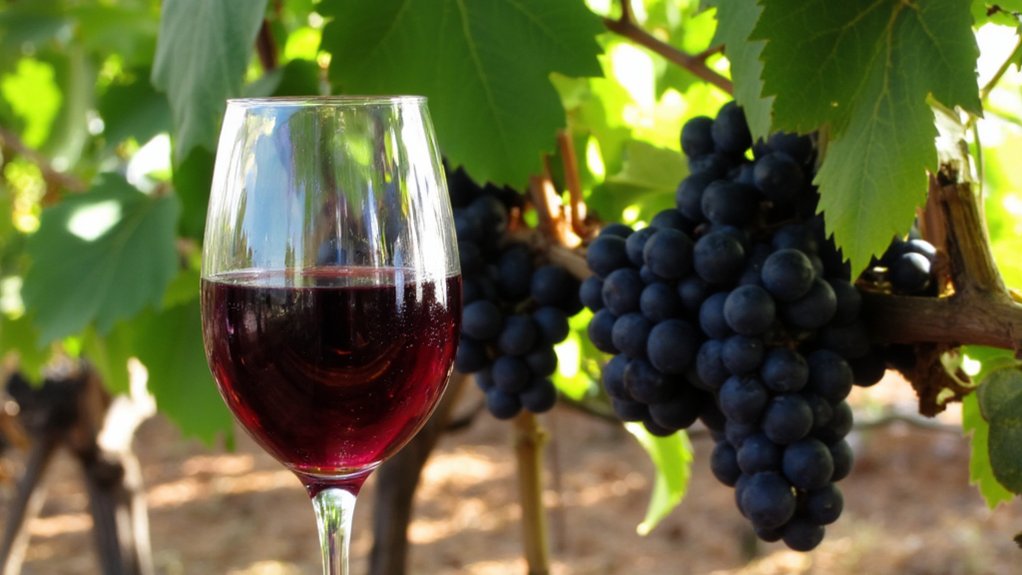
Although it might sound like the punchline to an inside joke among wine geeks, Zinfandel and Italy’s Primitivo are actually long-lost twins, separated at birth and raised on opposite sides of the Adriatic. You might think they’re just lookalikes, but the truth is, DNA testing in the 1990s revealed their deep genetic similarities. Primitivo origins trace back to Puglia, that sunny heel of Italy’s boot, yet the grape found a whole new life as Zinfandel in California. They share the same grape variety, though their accents and style may differ—like cousins who grew up in wildly different neighborhoods. Next time you’re sipping either, you’ll know there’s a family secret in your glass, and it’s surprisingly delicious.
Jammy Berry and Spice Notes
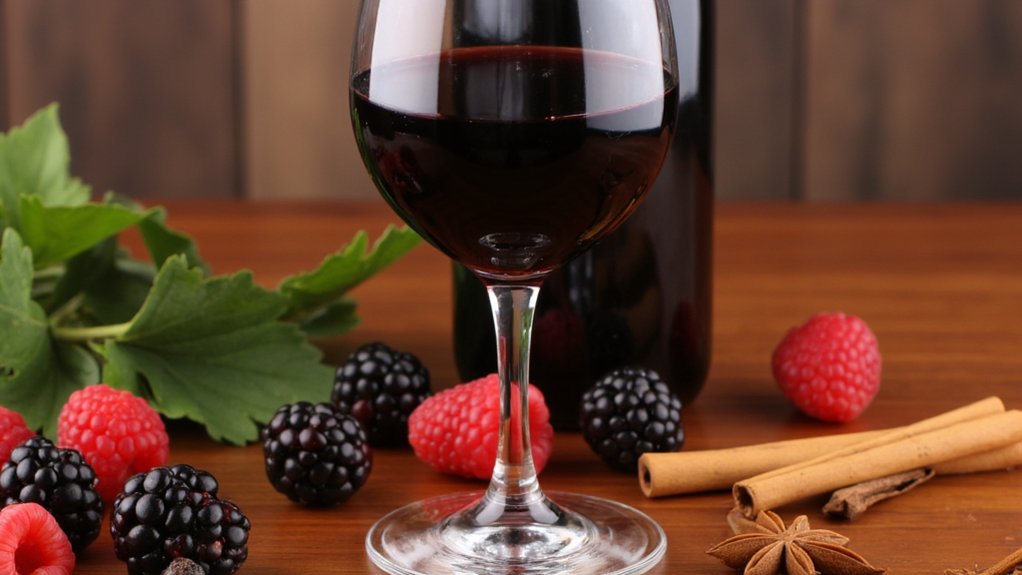
Fruit bomb—that’s the nickname Zinfandel earns for good reason. When you take your first sip, you’ll notice jammy flavors bursting with ripe blackberry, juicy raspberry, and sometimes even a hint of blueberry pie. It’s like a berry party in your mouth, and everyone’s invited. But Zinfandel isn’t just about the fruit; it’s also got some attitude. That’s where the spice balance comes in. You’ll get a pop of black pepper, maybe a dash of cinnamon, or even clove, swirling through the berries like a secret handshake. These spicy notes keep things from getting too sweet, and they add a little intrigue. Honestly, it’s a wine that wears both a tuxedo and a Hawaiian shirt. Now, doesn’t that sound fun?
Famous Zinfandel Wine Brands
There are a handful of Zinfandel wine brands that have basically achieved rock star status in the wine world. If you’re diving into Zin, you’ll want to know the legends first. These famous Zinfandel wineries have been shaping the style, taste, and even your wildest expectations for years. Some zinfandel wine producers make bottles that people drool over, while others are the backbone of your favorite wine shop shelf. Here are a few you should definitely remember:
- Ridge Vineyards – Their Geyserville Zin is basically a cult classic.
- Turley Wine Cellars – If you love bold flavor, these folks know how to bring the jam.
- Seghesio Family Vineyards – Historic, but never boring; always a crowd-pleaser.
Ready to taste greatness?
Popular Zinfandel Choices For Any Budget

No matter what your wallet’s saying, you’ll find a Zinfandel that fits just right—maybe you’re hunting for a solid under-$20 bottle for a Tuesday night, or you want something splashier in the $20-$100 sweet spot, or hey, maybe you’re feeling bold and ready to splurge on the fancy stuff over $100. There’s a Zin for every mood, and every budget, so you never have to choose between your love of wine and your bank account’s feelings! Let’s check out some tasty picks that won’t leave you crying over your receipt—or your empty glass.
Bargain Zinfandel Wines Under $20
- Cline Old Vine Zinfandel (California) – juicy, spicy, plum, approachable, crowd-pleaser
- Ravenswood Vintners Blend Zinfandel (California) – bold, berry, pepper, smooth, reliable
- Bogle Old Vine Zinfandel (California) – rich, dark fruit, vanilla, balanced, affordable
- Gnarly Head Old Vine Zinfandel (Lodi) – robust, jammy, black cherry, oak, value
- Seven Deadly Zins (Lodi) – ripe, spicy, full-bodied, chocolate, popular
Mid-Range Zinfandel Wines Between $20-$100
- Turley Juvenile Zinfandel (California) – vibrant, raspberry, pepper, balanced, acclaimed
- Ridge Geyserville (Sonoma) – complex, blackberry, spice, earthy, legendary
- Bedrock Old Vine Zinfandel (California) – bold, structured, cherry, savory, historic
- Seghesio Sonoma Zinfandel (Sonoma) – blueberry, silky, elegant, classic, versatile
- Robert Biale Black Chicken Zinfandel (Napa) – lush, plum, peppery, rich, iconic
High-End Zinfandel Wines Above $100
- Turley Hayne Vineyard Zinfandel (Napa) – intense, blackberry, lavish, age-worthy, sought-after
- Williams Selyem Papera Vineyard Zinfandel (Sonoma) – elegant, raspberry, floral, layered, collectible
- Bedrock Monte Rosso Zinfandel (Sonoma) – old-vine, spicy, powerful, mineral, prestigious
- Ridge Monte Bello Zinfandel (Santa Cruz) – structured, dark fruit, cedar, complex, rare
- Carlisle Papera Ranch Zinfandel (Sonoma) – plush, black cherry, intriguing, rich, high-scoring
Classic Zinfandel Wine Food Pairings
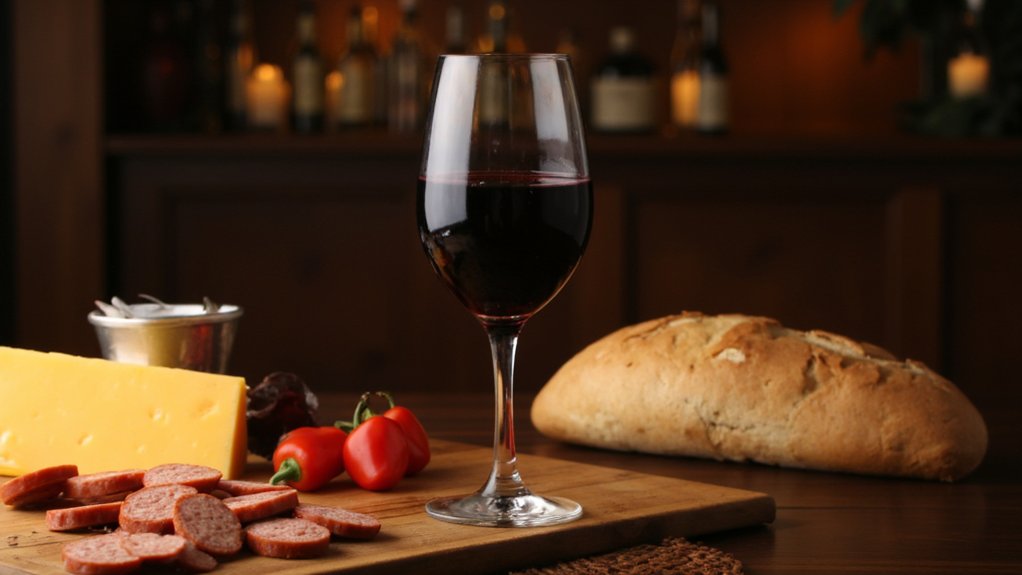
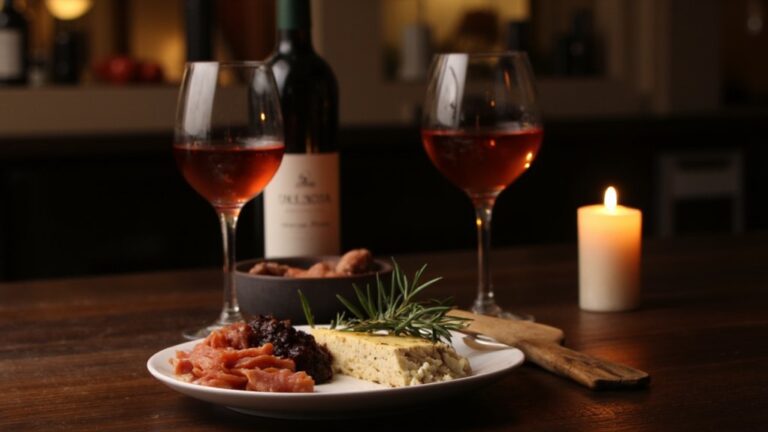
Few wines throw a party for your taste buds quite like Zinfandel, and when it comes to food pairings, this bold red really knows how to make friends at the dinner table. You’ll find Zin’s juicy fruit and peppery spice sliding right into the spotlight with classic American barbecue, spicy pizza, or a big, saucy burger. Don’t stop at the main course, though—this wine’s got range.
- Try zinfandel cheese pairings like aged cheddar or gouda for a savory, mouthwatering combo.
- Immerse yourself in zinfandel dessert options such as dark chocolate brownies or berry cobbler, and watch your sweet tooth do a happy dance.
- For a fun twist, pair Zin with spicy sausages—the wine’s boldness tames the heat and boosts every bite.
Dig in!
Zinfandel’s 1976 Paris Tasting
Back in 1976, a wine showdown in Paris shook up the world’s idea of what great wine could be—and yes, Zinfandel got a spot at the table. You can picture it: French judges, a bit smug, swirling and sipping wines blind, not knowing some of those bold reds came from California. Zinfandel strutted in, ready to make an impression. The tasting results? They stunned everyone. California wines, including Zinfandel, didn’t just hold their own—they beat out some fancy French bottles. The 1976 impact was huge. Suddenly, people realized American wines deserved respect. Zinfandel became more than a backyard barbecue buddy; it was now a contender on the world stage. Who knew a Parisian taste test could change everything?
Does Zinfandel Wine Age Well?
So, can Zinfandel really stand the test of time, or is it best enjoyed young and fresh? Here’s the scoop: most Zinfandels are made for drinking within a few years, bursting with lively fruit flavors that practically jump out of the glass. But, don’t count out its aging potential just yet! Some exceptional Zinfandels, especially those from old vines, can develop rich, complex notes with time—think dried fruit, spice, and a hint of earthiness that’ll make your taste buds dance.
If you’re curious about cellaring, wine storage is key. Keep your bottles cool, dark, and lying on their sides. Treat them like royalty. Or at least like a pampered cat. With a little patience, you might just discover Zinfandel’s secret, mature side!
Zinfandel Wine Serving Tips
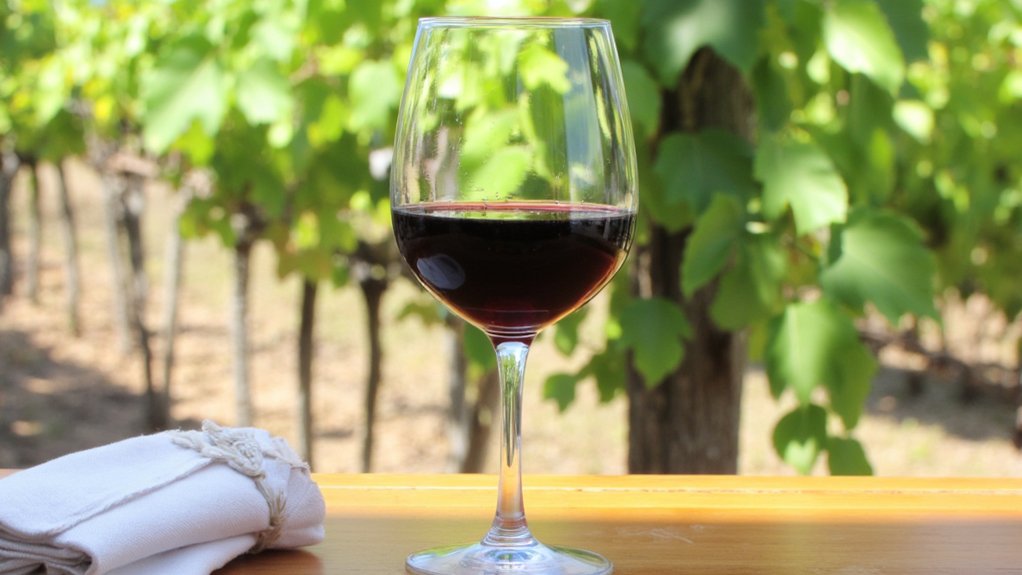
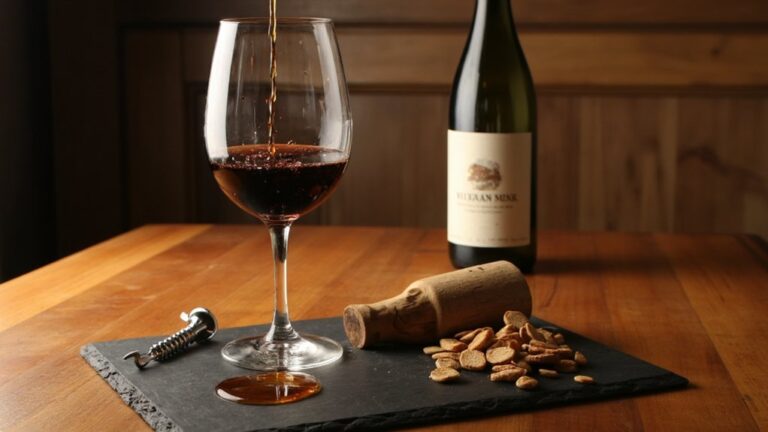
One thing’s for sure: serving Zinfandel isn’t rocket science, but a few smart moves can turn a good glass into a truly great experience. Don’t just pop the cork and pour willy-nilly—let’s do this right! First, pay attention to serving temperature. Zinfandel likes to be a bit cooler than room temp, around 60–65°F. Too warm, and you’ll taste the booze more than the berries. Too cold, and it loses its charm. Next, glassware choice matters. Go for a medium-sized glass with a wide bowl, so those juicy aromas can swirl and greet your nose. And hey, don’t forget these quick tips:
- Let your bottle breathe a bit before pouring.
- Swirl before you sip.
- Pair with snacks—Zinfandel loves company!
Similar Wines to Zinfandel Wine
If you’ve fallen for Zinfandel’s bold, juicy personality, you’re probably curious about what other wines can scratch that same itch. Lucky for you, there’s a whole playground of Zinfandel alternatives out there. Ever tried a Primitivo? It’s basically Zin’s Italian twin, sharing that same wild berry swagger and spicy kick. Or maybe a Grenache, which brings big fruit and a hint of pepper—like Zinfandel’s flirty cousin at the family BBQ. Syrah is another solid pick, with its rich, dark flavors and smoky notes. And hey, don’t sleep on Zinfandel blends. They often mix Zin with Petite Sirah or Cabernet, creating wines that are like a rock band—each grape rocking its solo, but together, pure magic.
Frequently Asked Questions
Is Zinfandel Typically Made as a Sweet or Dry Wine?
When you compare sweet vs dry Zinfandel, you’ll find most are made dry, offering bold, spicy flavor profiles with berry notes. However, you can also encounter sweet versions, especially in White Zinfandel’s fruitier, lighter style.
What Is the Ideal Climate for Growing Zinfandel Grapes?
When you want ideal conditions for growing Zinfandel grape varieties, you’ll look for warm days and cool nights. This climate helps grapes ripen fully while retaining acidity, so you get complex flavors and balanced wines from your harvest.
Are There Any Health Benefits to Drinking Zinfandel Wine?
When you enjoy moderate wine consumption, you can gain some health benefits, like antioxidants from Zinfandel that may support heart health. However, don’t forget that drinking too much wine can outweigh these positive effects.
How Much Alcohol Does Zinfandel Usually Contain?
When you drink Zinfandel, you’ll notice the alcohol content varies depending on the wine variations. Typically, Zinfandel ranges from about 13% to 16% alcohol by volume, so you should always check the specific bottle’s label.
Is Zinfandel Wine Vegan or Vegetarian Friendly?
You’ll find that not all Zinfandel wines are vegan or vegetarian friendly. Some winemakers use animal byproducts during fining. To be sure, look for vegan certifications on the label or check with the producer directly.