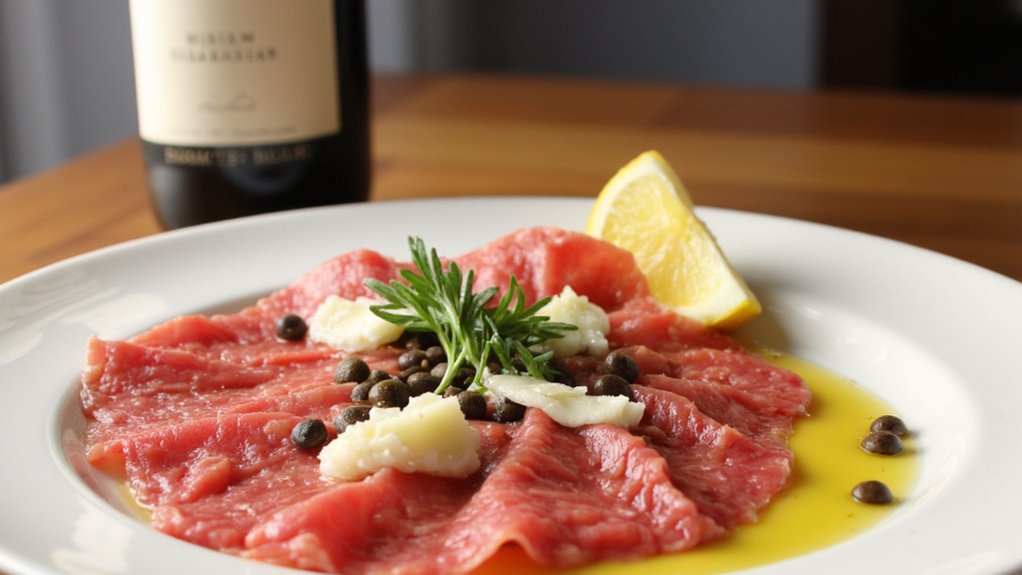
Pick wines that either cut the fat or echo the beef’s silk. If your carpaccio’s dressed with lemon or vinaigrette, go crisp — Sauvignon Blanc, Albariño or a dry Riesling will brighten things up. For plain, silky beef choose low-tannin reds like Pinot Noir or Beaujolais, served slightly cool. Bubbles or a dry rosé are great crowd-pleasers and wash oil away. Keep pours small, serve cool but not freezing, and you’ll be off to a tasty start; more tips coming.
Key Takeaways
- Match thin, silky beef with light-to-medium wines so the wine refreshes rather than overpowers the texture.
- Use bright acidity (Sauvignon Blanc, Vermentino, Albariño) to cut oily or creamy dressings and lift flavors.
- For pepper, truffle, or umami accents choose low-tannin, earthy reds like Pinot Noir or Nebbiolo for complementary depth.
- Sparkling wines or crisp rosé cleanse the palate between bites and handle oily dressings with their bubbles.
- When toppings are mixed, pick a versatile Pinot Noir or light Sangiovese to support herbs, citrus, and tomato notes.


How Texture and Dressing Guide Wine Choice
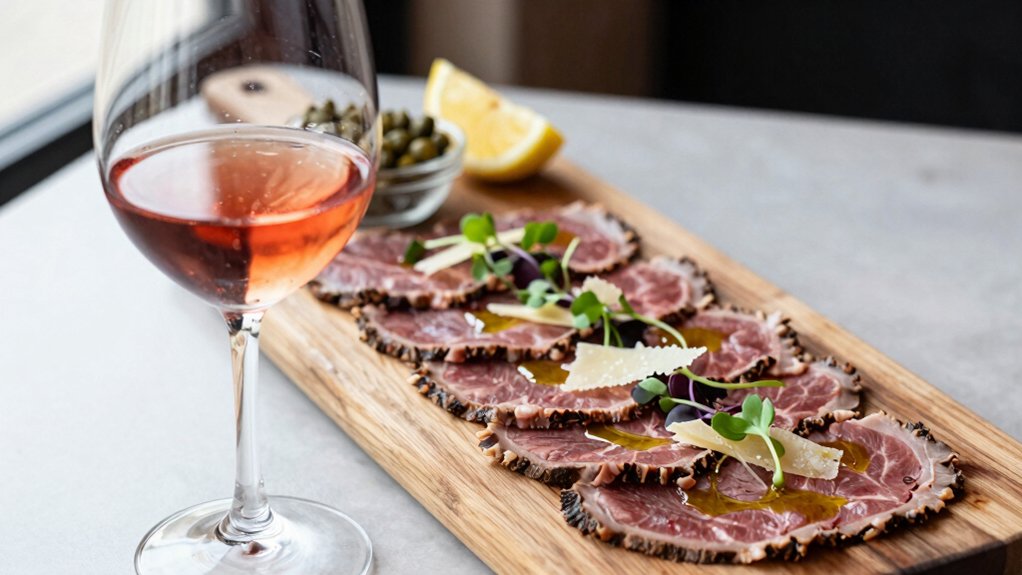
Even if you’re mainly thinking about flavor, texture and the dressing on your carpaccio will actually steer your wine choice more than you might expect. You’ll notice how thin-sliced beef gives a silky base, so you want wines that play with mouthfeel contrast rather than overpowering it. If the dressing viscosity is light, like a lemon vinaigrette, a crisp white or a lighter red will brighten things up. If it’s oilier or creamier, pick something with enough acidity to cut through that richness, or a low-tannin red that won’t grab the texture too hard. Think about how the dressing clings to the meat, and match wines that complement that cling. Wine acidity cuts through rich, buttery flavors, creating the palate balance that makes both the carpaccio and wine shine together. It’s subtle, but it makes the meal sing.
Quick Carpaccio Wine Framework: Match Fat, Contrast Acid
Think of a quick rule: match the beef’s fat with wines that have tannin to stand up to the richness, and then use bright acid to cut through it and keep things lively. You’ll also want to weigh texture and body — silky slices call for more delicate wines, while fattier cuts can handle something bolder. The tannins in red wine bind with meat proteins, cleansing the palate and enhancing the carpaccio experience. It’s a simple game of balance, and once you get the hang of it you’ll be pairing like a pro (well, almost — practice helps, and so does a generous friend).
Match Fat With Tannin
Match the beef’s fat with a wine that’s got some real tannin, and you’ll smooth out the richness instead of letting it feel greasy on your tongue. You want that tannin pairing to meet the fatty texture and cut through it, so each bite feels lively not heavy. Think youngish red with structure — not overripe, not syrupy — something with firm grip. It refreshes your mouth and highlights the meat’s clean flavor. Try light doses first, you can always add more tannin later; too much will steal the show. Little peppery notes or herbal edges in the wine can play nicely too. It’s simple math: fat plus tannin equals balance. Cabernet Sauvignon and Bordeaux blends are celebrated choices for their bold tannins that effectively cut through richness in beef dishes. Trust your palate and have fun experimenting.



Contrast With Bright Acid
Now that you’ve thought about matching fat with tannin, let’s look at the other half of the equation: acid. You want a wine that cuts through richness, giving each bite a cleaner finish. Think citrus brightness — lemon, lime, maybe a green apple edge — that brings a zesty lift to the meat. Lighter, high-acid wines refresh the palate and stop flavors from getting sloppy. Try a crisp Pinot Grigio or a lively Sauvignon Blanc. Wine acidity acts as a secret weapon, enhancing the dining experience by creating a flavor symphony with your dish. Don’t overcomplicate it. Keep it simple and honest.
| Wine Type | Effect |
|---|---|
| Sauvignon Blanc | Bright citrus brightness |
| Pinot Grigio | Clean zesty lift |
| Champagne | Fizzy palate cleanse |
| Vermentino | Herbal citrus snap |
Consider Texture And Weight
While acid and tannin get a lot of attention, you shouldn’t forget about texture and weight — they’re what make the pairing feel balanced in your mouth. Think about the thin, silky slices of beef against the wine’s body. If your carpaccio has a silky mouthfeel from olive oil or a buttery parmesan, you want a wine that offers weight balance, not something that overwhelms or feels too thin. Lighter-bodied reds or fuller rosés can match the meat without clobbering it. Or pick a richer white if you’ve got creamier dressings. Play around. A wine that mirrors texture will hug the beef; one that contrasts it can be exciting, but riskier. When selecting your wine, consider how aeration and oxidation might enhance the wine’s aromatic profile and soften any harsh tannins that could clash with the delicate carpaccio. Trust your palate and have fun—don’t be afraid to try odd combos.
Best Wines for Lean Beef: Light Reds and Richer Whites
If you’re working with lean beef like carpaccio, bavette, or a thin seared steak, you’ll want wines that won’t overpower the delicate meat but still bring a bit of personality to the plate. You’ve got two good directions: light, fruity reds and more textured whites. Think lean gamay for bright cherry notes and gentle tannins, or a crisp albariño to lift the flavors without stealing the show. Don’t be scared to mix things up. Try these approachable picks.
- Pinot Noir: soft tannins, red fruit, easy match
- Gamay (Beaujolais): fresh, floral, low tannin, lively acid
- Albariño: citrus, saline edge, bright and clean
- Vermentino: herbal, medium body, nice texture
- Light Sangiovese: savory, cherry, balanced acidity
Acidic Dressings: Wine Picks for Lemon, Oil, and Vinegar
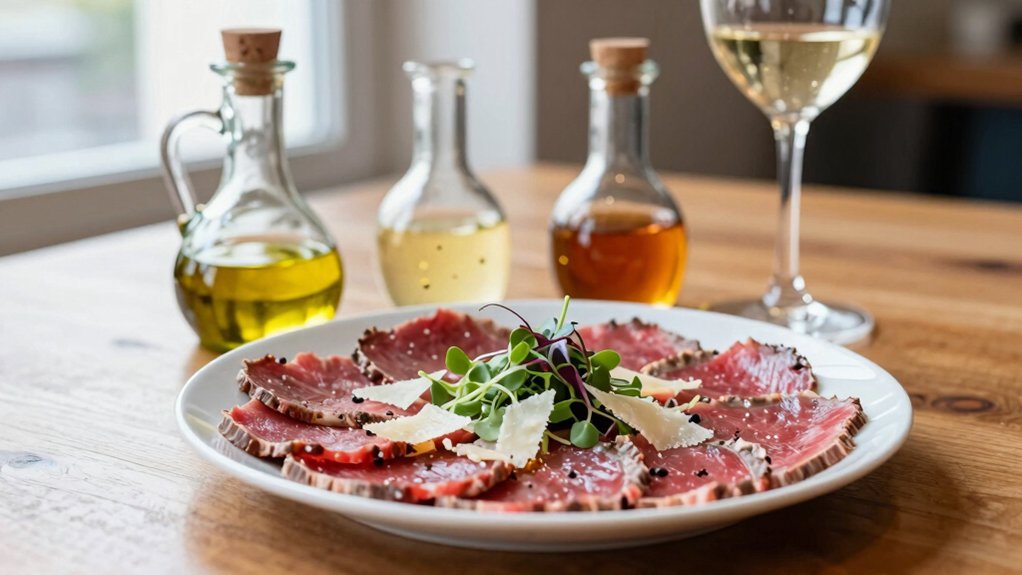
Because acidic dressings change everything on the plate, you’ll want wines that can stand up to lemon, oil, and vinegar without getting shrieked into submission. You’ll look for lemon balance first — crisp Sauvignon Blanc or a Vermentino tames zest without losing freshness. If the dressing leans into vinegar intensity, pick a wine with enough backbone, like a dry Riesling or an unoaked Chardonnay, so acidity doesn’t clash. Oil mouthfeel calls for a slightly richer white or a light red with soft tannins; they’ll smooth the texture and make the dish feel rounder. For citrus pairing try wines with subtle herbaceous notes to echo the dressing. Don’t overthink it. Taste, tweak, and laugh a little when the flavors surprise you.
Peppery Carpaccio: Wines to Calm Heat Without Dulling Flavor
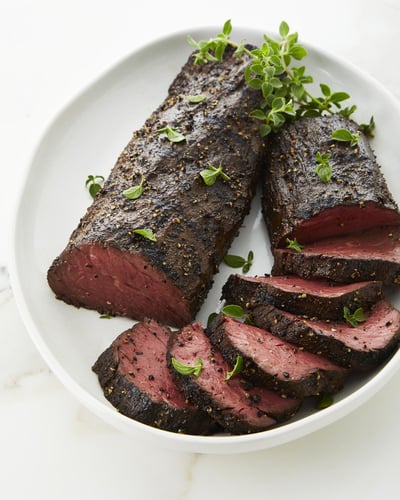
If your carpaccio has a peppery kick, pick a wine with enough acidity to match it so neither the meat nor the pepper gets lost. Go for low-tannin reds or bright, mineral whites — they’ll tame the heat without turning your plate into a soggy mess. Trust me, a smooth, low-grip wine keeps the flavors lively and lets you actually taste the beef, not just the pepper (and hey, fewer singed tastebuds).

Match Acidity Level
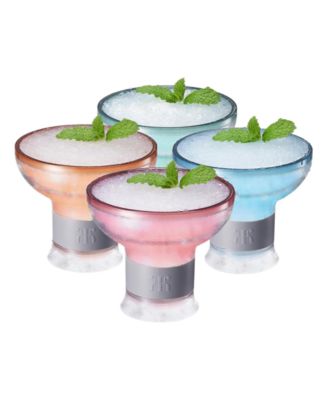
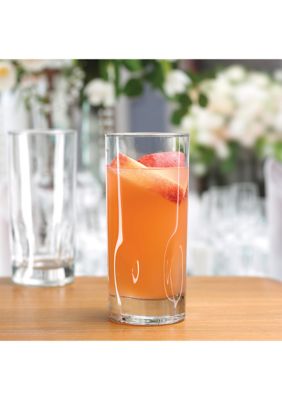
When you’re dealing with peppery beef carpaccio, you want a wine with enough acidity to take the edge off that spicy bite without turning your whole plate into a dull puddle of flavor. Think of acidity as an acidic backbone that lifts the meat, cuts through oil, and keeps flavors lively, while a bit of citrus interplay brightens things without stealing the show.
- Pick wines with crisp acid to balance pepper, like a zippy white or light red.
- Look for citrus notes that echo the dressing, not clash with it.
- Serve slightly chilled so acidity feels fresher.
- Avoid heavy, flat wines that smother spice.
- Try small sips between bites to judge balance and adjust.
Choose Low Tannin Wines
A few smart wine choices will do more for peppery carpaccio than you might think, because tannin and pepper don’t usually get along — tannins can grab onto that prickly heat and make the bite feel harsher, so you want wines that soothe rather than wrestle. You’ll look for low tannin reds or even chilled lighter-bodied wines that don’t compete. Think fruit forward picks, wines that show ripe berry or cherry without drying your mouth. Soft structured options like Gamay, some Beaujolais, or a gentle Pinot work well. Early drinking styles keep things fresh and simple, meant to be enjoyed now rather than aged. Don’t overthink it. Pick something easy, sip, and let the carpaccio sing — not scream.
Truffle, Mustard, and Creamy Accents: Richer Wine Matches
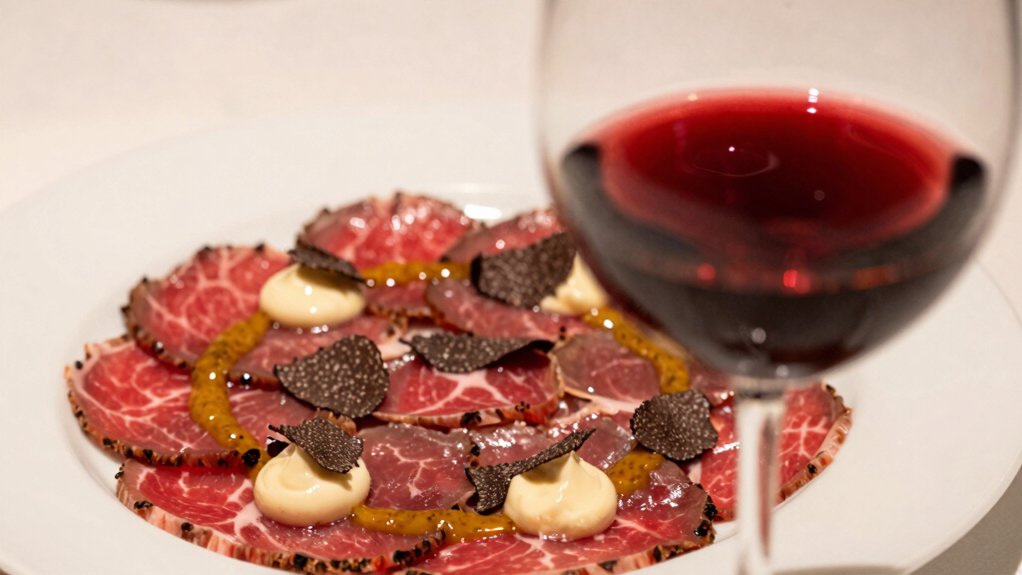
You’ll notice that truffle, mustard, and creamy elements push beef carpaccio into a deeper, richer flavor zone, so you’ll want wines that can stand up without stealing the show. Think winter truffle and rich cream turning the dish into an umami interplay; a light red with earth or a fuller white with good acidity will help. Mustard glaze adds a spicy snap, so balance that savory contrast with something that lifts the fat. You’re aiming for harmony, not a showdown.
- Try Pinot Noir with subtle earth notes for winter truffle vibes.
- Consider aged Chardonnay to match creamy texture.
- Gewürztraminer for spicy mustard glaze moments.
- Nebbiolo for umami interplay and structure.
- Viognier when you want floral lift and weight.
Sparkling and Rosé: Reliable Alternatives for Carpaccio
If richer wines like Pinot or Nebbiolo felt like bringing a whole orchestra to a quiet kitchen, sparkling and rosé are the easygoing friends who show up with snacks and make everything better. You’ll like sparkling versatility because its bubbles cleanse the palate, cutting through oil and brightening beef without stealing the show. Go for a crisp brut or a dry prosecco if you want lift and a little toastiness. Rosé freshness is great when your carpaccio has herbs, citrus, or a peppery bite — it echoes those notes and keeps things light. Pour cool, not ice-cold. Don’t overthink it. These wines are forgiving, sociable, and they make the whole meal feel like a relaxed little celebration.
Which Single Wine to Serve With Mixed Carpaccio Flavors?

When you’re dealing with mixed carpaccio toppings—say citrus, herbs, a drizzle of olive oil and maybe some Parmesan—you want a single wine that can handle acid and fat without stealing the show. Think light-to-medium reds with good acidity and subtle herbal or citrus notes; they’ll refresh your palate and play nicely with green flavors, while still standing up to the meat. Pick something like a Pinot Noir or a lighter Sangiovese and you’ll be in the sweet spot — classy, not fussy, and surprisingly forgiving (yes, even if someone over-squeezes the lemon).
Balance Acid And Fat
Because carpaccio often mixes bright, acidic elements (think lemon, pickled onions) with rich, oily ones (like shaved Parmesan or an olive oil drizzle), you’ll want a single wine that can hold its own against both without stealing the show. You’re chasing acidity balance and smooth fat integration, so pick a wine with crisp citrus lift, moderate body, and enough texture to echo the oil. Think of it as a partner, not a rival. It should cleanse and then comfort.
- A lean, unoaked Chardonnay with zippy acidity and a touch of cream
- Vermentino for its saline brightness and mid-palate weight
- Grüner Veltliner, peppery yet lime-driven
- Albariño’s citrus snap and oily finish
- Pinot Grigio with a bit more depth than usual
Consider Herb And Citrus
You’ve already thought about acid and fat, so now let’s look at the fresh herbs and citrus that often finish a carpaccio — those little green and zesty notes really change the game and they want a wine that can keep up without acting like a show-off. You’ll want a wine that respects herb interplay, the way basil, parsley or mint lift the meat, and also delivers clean citrus balance to match lemon or yuzu splashes. Think wines with bright but gentle acidity, herbal aromatics, and modest weight so they don’t overpower. A crisp white with subtle green herb tones or a lightly aromatic rosé usually works. Don’t chase power. Choose finesse, freshness, and a bit of personality — kind of like the dish itself.
Choose Light-To-Medium Reds
Lots of times a lighter red is the smartest move for mixed carpaccio — it won’t try to beat up the delicate flavors, but it’ll still give you that meaty, savory vibe you’re after. You’ll want wines that nod to the beef without stealing the show. Think light bodied pinot for its bright red fruit and gentle tannins, or a rustic sangiovese if you like a touch of earth and spice. Either one plays nicely with citrus, herbs, or Parmesan.
- Choose a light bodied pinot when you want finesse and a silky finish.
- Pick rustic sangiovese for tomatoey or oregano-forward toppings.
- Serve slightly chilled, not cold.
- Avoid big, chewy cabernets.
- Trust balance over power; your guests will thank you.
Bottle Picks by Budget: Everyday, Special-Occasion, Splurge
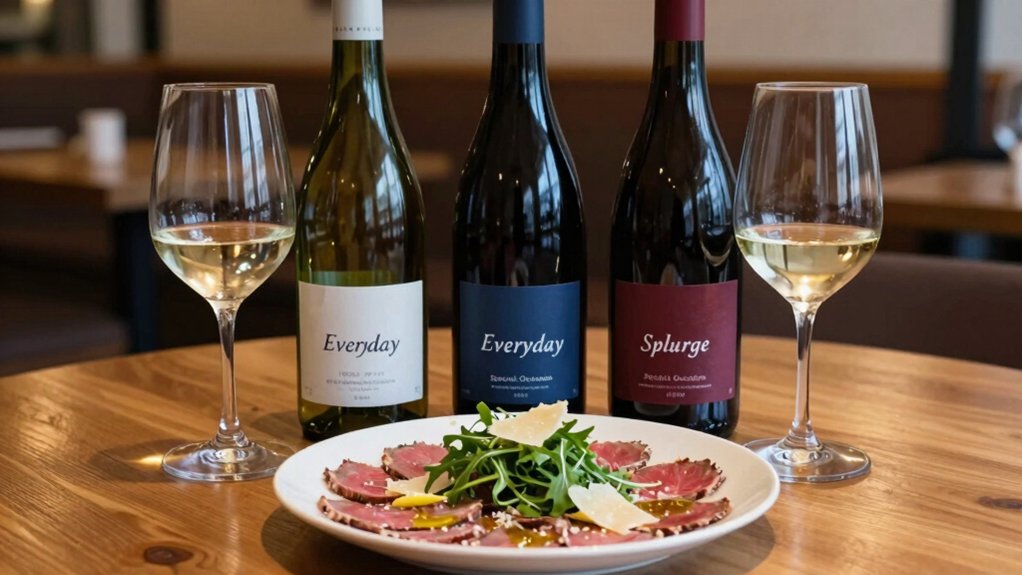
Alright — let’s talk bottles, and how to pick one without breaking the bank or pretending you’re a sommelier. For everyday meals, lean on value bottles and crowd pleasers; think bright Pinot Noir or a light Chianti that won’t overpower the carpaccio. Don’t be shy about seasonal releases or grabbing a mixed case after a tasting flights event—great way to explore without commitment. For special occasions, step up to estate-grown labels with more depth and subtle oak, still approachable but with nuance. And if you want to splurge, choose a silky-aged Burgundy or a top-tier Barolo; they reward patience and pair beautifully. Whatever you pick, trust your palate and enjoy the moment.
Serving Tips for Carpaccio and Wine (Temperature, Glassware, Plating)
When it comes to serving carpaccio and wine, a few simple moves make the whole thing feel thoughtful instead of fussy. You’ll want chilled service for the beef, not freezing, just cool to hold shape and taste. Use thin slicing so each bite melts; a sharp knife or slicer is your friend. For wine, bring out chilled stemware for lighter reds or rosés, and slightly cooler whites—glass temperature matters. Aim for a chilled presentation on the plate: a light drizzle, microgreens, maybe a lemon wedge. Little details count.
- Slice paper-thin, arrange flat and slightly overlapped.
- Keep the plate cold but not icy.
- Use chilled stemware for delicate wines.
- Match sauces to, not overpower, the wine.
- Serve small pours, taste together.
Frequently Asked Questions
Can Carpaccio Be Made From Meats Other Than Beef Safely?
Yes — you can safely make carpaccio from other meats if you use very fresh, sashimi-grade fish like tuna carpaccio or carefully handled game such as venison carpaccio, keep it cold, and slice thinly.
How Long Can Prepared Carpaccio Sit Before Serving?
You shouldn’t let prepared carpaccio sit at room temperature beyond a short window — about 15–30 minutes — then keep it in chilled storage; overall, follow an hour limit from preparation to serving to stay safe and tasty.
Can Vegetarians Enjoy a Carpaccio-Style Dish?
Yes — you can enjoy a vegetarian carpaccio: try thinly sliced beets, mushrooms, or zucchini dressed simply. A plant based crudo mimics texture and flavor, so you won’t miss the raw-meat experience.
Are There Non-Alcoholic Pairings That Match Carpaccio Well?
Yes — you can pair carpaccio with bright citrus sodas for acidity and freshness, or richer umami broths to echo savory notes; both boost texture and flavor without alcohol, and they won’t overpower delicate beef.
How Should Leftovers Be Stored and Reused Safely?
You should refrigerate leftovers within two hours, using airtight containers to guarantee refrigeration timing and contamination prevention; label and consume within 24–48 hours, reheat only once to 165°F (74°C), and discard if odor or texture changes.