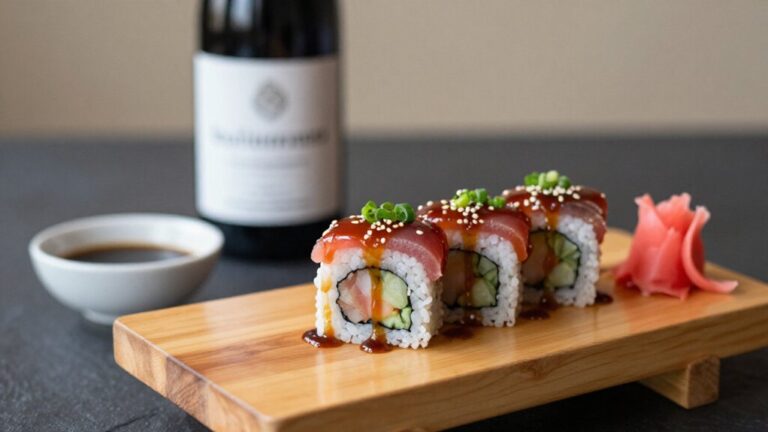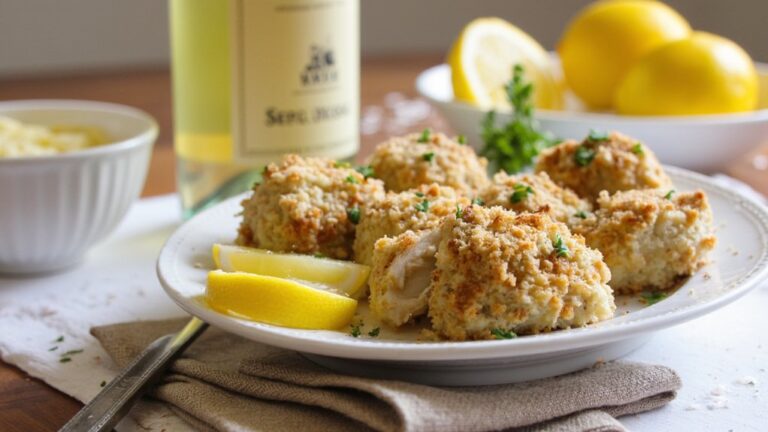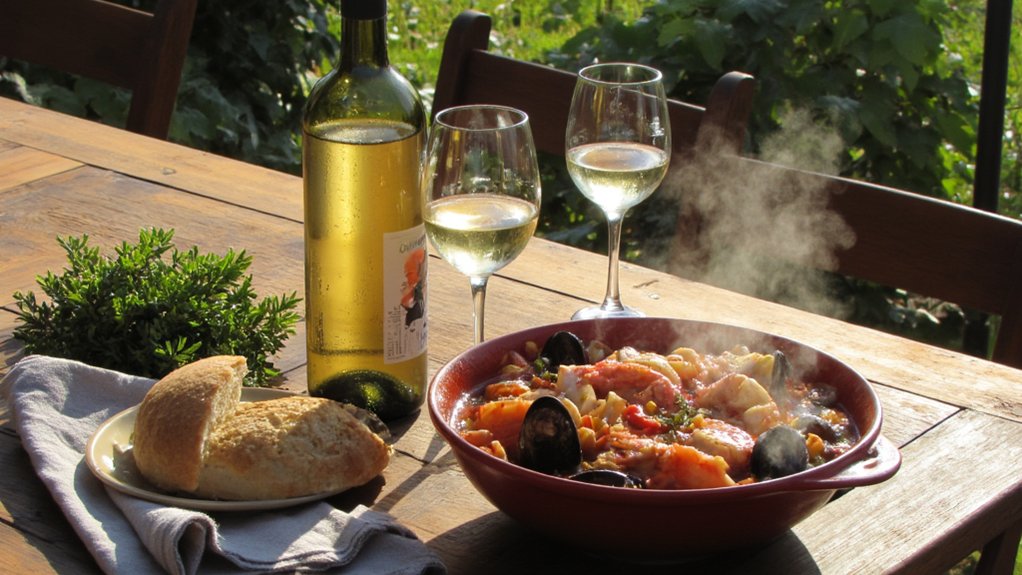
When you’re tucking into cioppino—tomatoey, briny, loaded with shrimp and mussels—you want a wine that’ll keep pace, not run away! Crisp Sauvignon Blanc or bright Pinot Grigio are spot on, cutting through that garlicky richness and letting the seafood shine. Like a bit of adventure? A juicy Pinot Noir works surprisingly well and won’t overpower. Want to party? Pop open some bubbly! Trust me, these picks keep spirits high, but the real secret’s just ahead.
Key Takeaways
- Crisp, high-acid white wines like Sauvignon Blanc or Italian Vermentino complement cioppino’s tomato broth and delicate seafood flavors.
- Light-bodied reds such as Pinot Noir or Gamay work well, offering low tannins that won’t overpower the seafood.
- Dry sparkling wines like Brut Champagne or Prosecco add brightness and a festive touch, balancing the dish’s richness.
- Rosé wines provide versatility, vibrant acidity, and subtle fruit notes that pair beautifully with both tomato and seafood elements.
- Serve wines at proper temperatures—whites chilled, reds slightly cool—to maximize flavors and enhance the overall cioppino experience.

Understanding Cioppino’s Flavor Profile
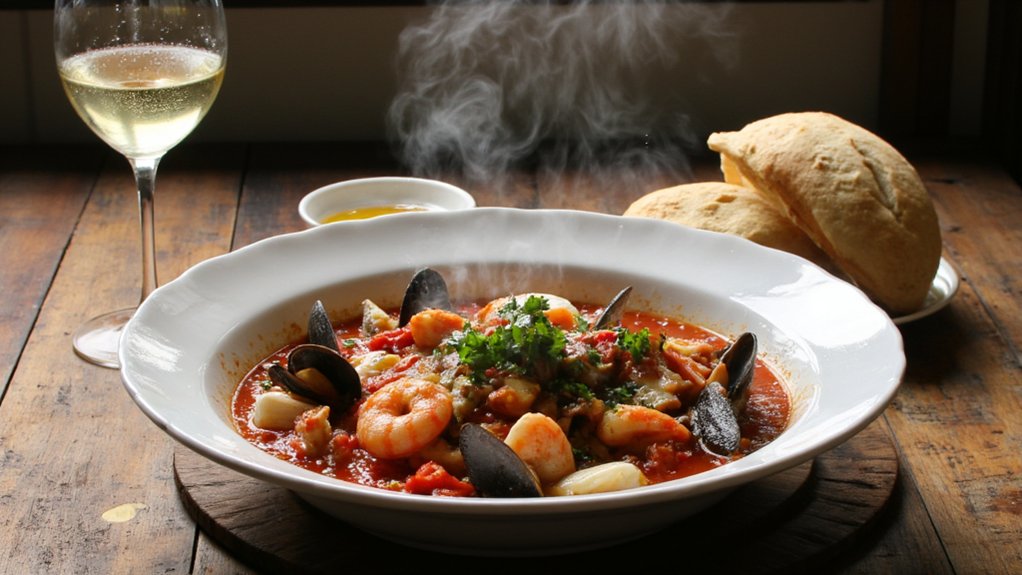
Even if you’ve never tried cioppino before, let’s set the scene: imagine a big, steamy bowl brimming with fresh seafood swimming in a tomato-based broth that’s punchy, garlicky, and just a little bit spicy. You get bites of tender shrimp, flaky fish, and maybe a mussel or two, all soaking up those bold seafood flavors. The tomato richness pulls everything together, wrapping each spoonful in a tangy, slightly sweet hug. It’s not just soup; it’s a seafood party in your mouth, and everyone’s invited. The layers of flavor keep you guessing—one moment you get briny notes from clams, the next a bright zing from tomatoes. Honestly, it’s like the ocean and an Italian grandma had a delicious, spicy baby. Pairing cioppino with crisp white wines can help cut through the richness of the seafood and tomato broth, enhancing the overall flavor experience.
Classic White Wine Pairings
Now, let’s talk about the white wines that really know how to make cioppino sing. You’ll want to try a crisp Sauvignon Blanc, a go-anywhere Pinot Grigio, or maybe even a Chardonnay with just enough acidity to keep things lively—think of them as the bandmates backing up your seafood star. Trust me, pour one of these and your taste buds are in for a standing ovation. For an even more elevated experience, consider how wine acidity can enhance and balance the savory flavors found in both seafood and rich broths like cioppino.
Crisp Sauvignon Blanc Choice
If you’re searching for a classic white wine to pair with cioppino, grab a bottle of crisp Sauvignon Blanc and get ready for some serious flavor fireworks. This wine is basically the life of the seafood party—it’s got that zippy acidity, super fresh vibe, and a brightness that just dances with the tangy tomato broth and all those succulent shellfish. For seafood pairings, Sauvignon Blanc is a superstar, making every bite taste fresher and more exciting.
Let’s talk wine tasting notes. You’ll pick up hints of citrus, green apple, maybe even a little grassy note that’s perfect with briny shrimp and mussels. Honestly, it’s like a squeeze of lemon in a glass. Want a friend in the wine aisle? Trust Sauvignon Blanc.


Versatility of Pinot Grigio
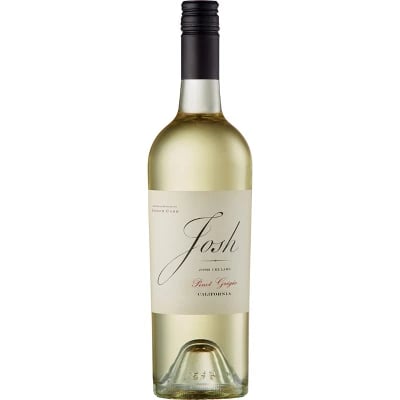
While Sauvignon Blanc might steal the spotlight, don’t sleep on Pinot Grigio—it’s like the reliable best friend who always shows up with snacks and good vibes. You want a wine selection that’ll play nicely with all the briny, tomatoey goodness in your cioppino? Pinot Grigio’s your answer. Its light body and zesty citrus notes make it a food pairing superstar, cutting through rich broth and letting every bite shine. You won’t find it fighting for attention; instead, it’s happy to lift up every clam, shrimp, and spoonful of tomato. It’s approachable, not fussy, and honestly, it’s hard to go wrong. Next time you’re standing in the wine aisle, grab a bottle, and watch your cioppino dinner turn legendary.
Chardonnay’s Balanced Acidity
Although Pinot Grigio deserves its moment in the sun, let’s talk about Chardonnay—the cool older cousin who’s seen it all and always brings something special to the table. You know, the one with stories that make you laugh and a wine aroma that makes you close your eyes for a second? That’s Chardonnay. Its balanced acidity cuts through cioppino’s rich tomato broth, making every bite taste brighter. Unlike red wines, Chardonnay keeps wine tannins low, so your palate doesn’t get overwhelmed. If you’re choosing, go for an unoaked or lightly oaked Chardonnay. You’ll get fresh citrus, green apple, and a clean finish. Trust me, this isn’t your grandma’s buttery Chard—this bottle’s got style and charm, just like you at dinner.
Exploring Red Wine Options
Even though cioppino is loaded with all sorts of seafood, you might be surprised at how well certain red wines can play along. Sure, you’re probably thinking, “Red wine with fish? That’s a crime!” But, seriously, lighter reds can add a gorgeous layer of flavor enhancement to your bowl of stew. Grab a Pinot Noir or a chilled Gamay—both can sing alongside those tomatoey, herby notes like they were made for the spotlight. The key is to skip anything too tannic or heavy; you want a wine that dances, not one that stomps. If you’re curious about how tannin levels in red wine influence pairing with seafood, remember that low-tannin reds are less likely to clash with the delicate flavors in cioppino.
Here’s a quick look at the emotional journey:
| Red Wine Pick | Mood It Sets |
|---|---|
| Pinot Noir | Cozy & Romantic |
| Gamay | Playful & Bright |
| Barbera | Comforting Warmth |
| Lambrusco | Effortless Joy |
Sparkling Wines for a Festive Touch
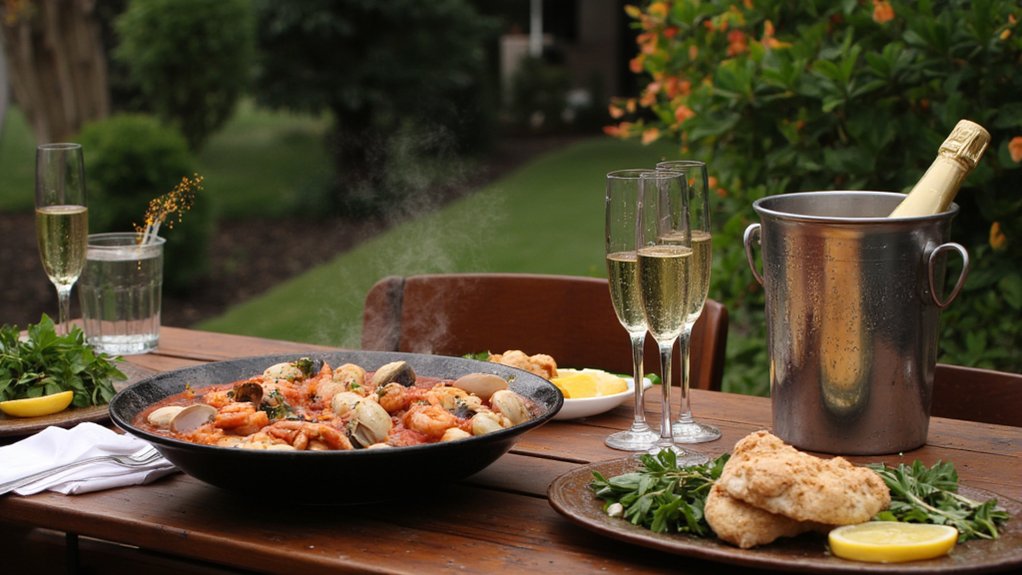
If you’re craving a little sparkle in your cioppino experience, trust me, popping open a bottle of bubbly is the move. There’s just something about those celebratory bubbles that make seafood stew feel like a party. The festive fizz brings out the best in the dish’s tomatoey broth and all that briny, ocean-kissed goodness. Here’s how to pick your pour:
- Go for Brut or Extra Brut Champagne if you want classic elegance and zippy acidity.
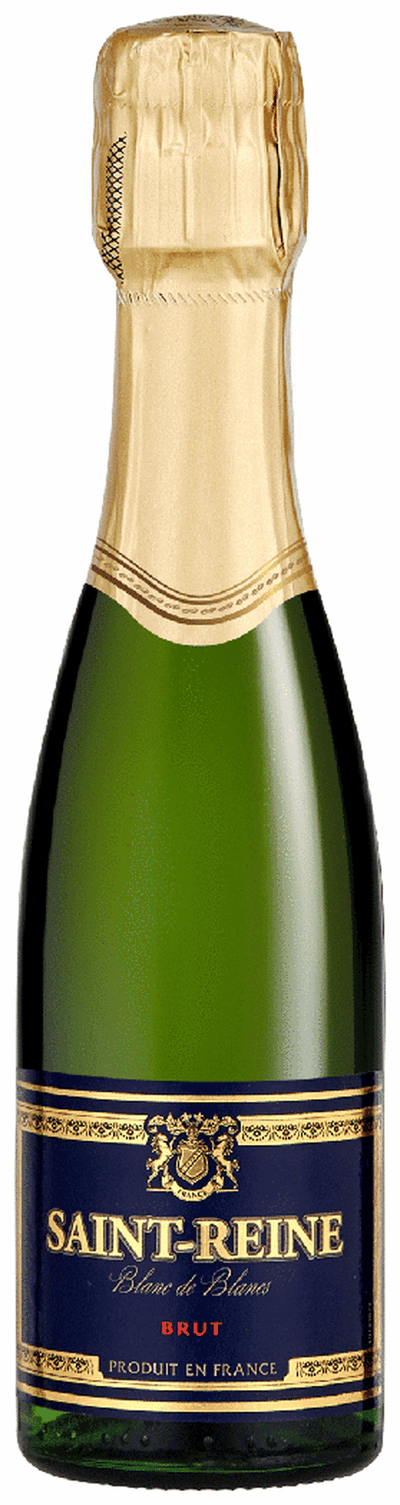
- Try Italian Prosecco for a softer, fruitier vibe—think pears and apples dancing with your clams.
- Spanish Cava delivers both value and a crisp, citrusy edge that works wonders with shellfish.
- California sparkling wines? Bold, invigorating, and always ready to celebrate.
For an even more tailored pairing, consider the sweetness levels of sparkling wine—Brut or Extra Brut styles will cut through the richness of the stew while keeping your palate refreshed.
Add a little sparkle—your cioppino deserves it!
Rosé Wines: A Versatile Choice
Let’s be honest, rosé just gets it. You want something cool, crisp, and a little fun with your cioppino? Rosé swoops in like the hero you didn’t know you needed. Thanks to wine blending, rosé wines offer that middle ground—not too heavy, not too light—making them a rockstar for food pairing tips. The vibrant acidity and subtle fruitiness cut through tomato-rich broth, while the gentle tannins play nice with seafood. If you’re ever stuck, just grab a dry rosé. It’s almost impossible to mess up. Plus, let’s face it, drinking pink wine makes any dinner feel like a mini vacation. Don’t overthink it. Pop a bottle, pour a glass, and let the flavors sing together. Chef’s kiss. For the best experience, serve your rosé between 45-55°F in standard white wine glasses to highlight its crisp, fresh flavors.
Regional Wine Recommendations
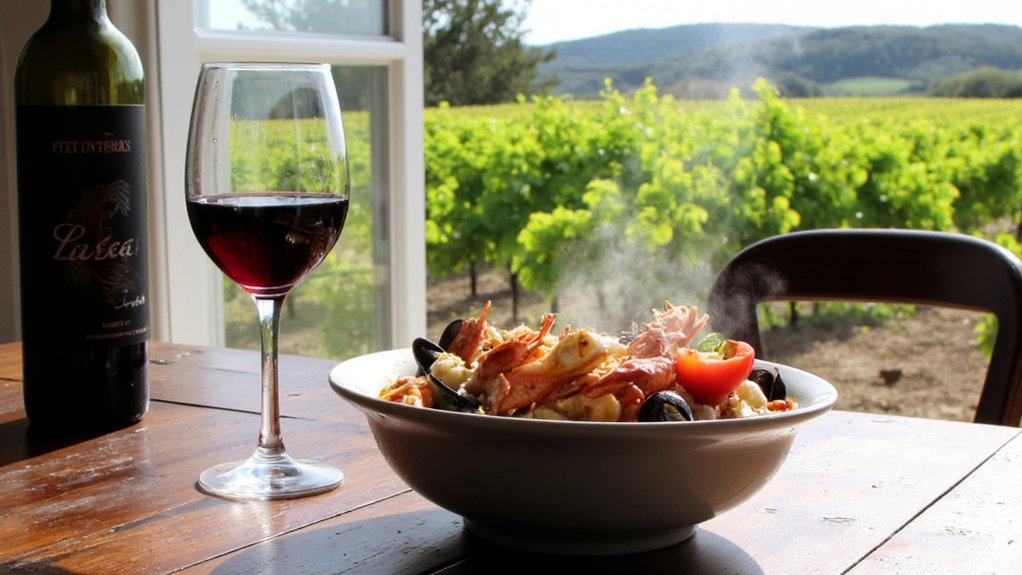
When you’re ready to move past the usual suspects, exploring regional wines is where things get really fun. You’ll find that certain areas have wines practically made for cioppino, thanks to their proximity to the sea, their quirky regional wine history, and a tradition of seafood sustainability. Want to spice up your next bowl? Try these four regional picks:
- California Zinfandel – It’s bold, fruity, and never boring.
- Italian Vermentino – Crisp, zesty, and just a little wild, like a Vespa ride by the coast.
- French Picpoul de Pinet – Briny, lemony, and made for seafood feasts.
- Spanish Albariño – Bright, floral, and perfect for mopping up that tomato broth.
Trust me, your taste buds will thank you. For an even more invigorating pairing, consider a wine like Muscadet, which is renowned for its salty snap and citrus aromas that complement seafood dishes beautifully.
Tips for Serving and Enjoying Your Pairing
Though you might think pairing wine with cioppino is all about the bottle, there’s a whole ritual that makes the experience unforgettable. Start with a proper wine tasting—swirl, sniff, sip, and let the flavors dance. You don’t need to be a sommelier to have fun with it. Just trust your taste buds! Don’t serve your wine too cold or too warm. The serving temperature really matters: whites should be chilled, but not icy; reds slightly below room temp, so they’re not sleepy. Pour a little at a time, savor each bite of cioppino, then take a sip. Notice how the seafood and broth play with the wine. Enjoy the conversation, the laughter, maybe even a little mess. That’s the magic. For the best results, pay attention to serving temperature to ensure your wine’s aromatics and flavor profiles shine alongside the cioppino.
Frequently Asked Questions
Can I Use Non-Alcoholic Wine With Cioppino?
Yes, you can use non-alcoholic wine with cioppino. You’ll still enjoy similar wine flavor profiles without alcohol. Non alcoholic alternatives can complement the dish’s seafood flavors, letting you savor the meal without missing out.
Are There Vegan Wine Options for Cioppino?
Yes, you’ve got vegan wine options for cioppino, and it’s easy to find bottles labeled accordingly. If you’re avoiding alcohol, non alcoholic wine is also available in vegan varieties, offering plenty of choices.
How Should Leftover Wine Be Stored After Pairing?
You should seal your leftover wine tightly with its original cork or a wine stopper for ideal wine storage. Refrigerate it right away to maximize leftover preservation, and try to finish it within three to five days for freshness.
What Glassware Is Best for Serving Wine With Cioppino?
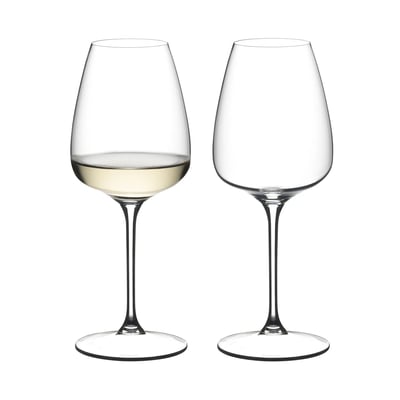
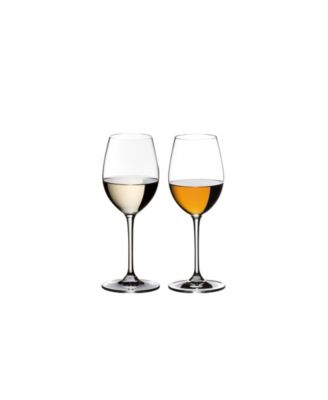
You’ll want to use stemmed wine glasses to maintain wine temperature and showcase glassware elegance. For whites, opt for a narrower bowl; for reds, choose a rounder bowl. Both styles enhance your cioppino experience.
Is There a Low-Sulfite Wine Suitable for Cioppino?
Yes, you’ll find low sulfite wines that work well, especially organic varieties. Try an organic, low-sulfite Sauvignon Blanc or Pinot Grigio. They’re fresh, vibrant, and won’t overpower your dish, making them great choices.