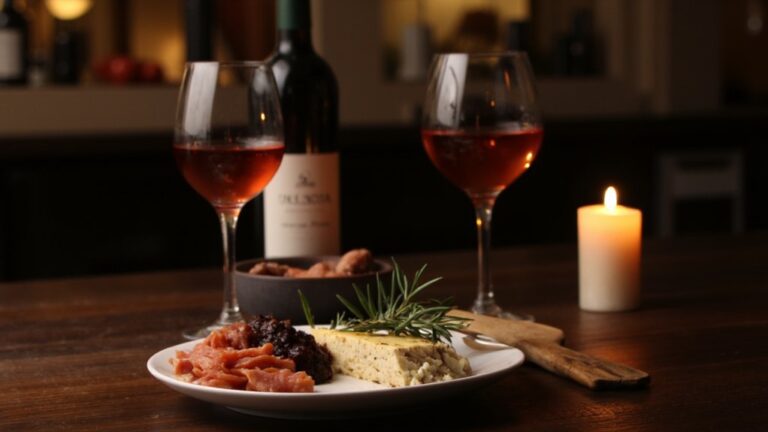
Ever heard of Muscadet wine? If not, you’re in for a treat. This crisp white from France’s Loire Valley is like a splash of ocean breeze in your glass—citrusy, salty, and bright, it practically begs for a plate of oysters. You might think it’s just another white, but there’s way more to this story, from its quirky grape to some wild aging secrets. Ready for a taste of something surprising?
Key Takeaways
- Muscadet is a crisp, zesty white wine from the Loire Valley of western France.
- It is made primarily from the Melon de Bourgogne grape, known for its freshness and subtlety.
- Muscadet features bright citrus flavors, minerality, and a distinctive salinity, making it ideal with seafood.
- “Sur Lie” Muscadet is aged on yeast lees, adding richness and potential for aging.
- It should be served chilled and is similar in style to wines like Picpoul de Pinet and Albariño.
Loire Valley’s Crisp White Specialty

Let’s start with a little secret: Muscadet isn’t just another white wine—it’s the Loire Valley’s crisp, zesty superstar, and it’s got a personality that’ll wake up your taste buds faster than your morning coffee. When you pour a glass, you’re tasting the heart of western France. Muscadet terroir is unique: the vineyards stretch across soils of ancient granite, schist, and clay, which give the wine its signature minerality. You can almost hear the Atlantic waves in every sip! Muscadet fermentation is also special. Winemakers let the wine rest “sur lie,” meaning on its lees, so it picks up extra flavor and a creamy texture. It’s bright, it’s lively, and honestly, it’s so invigorating you’ll want another glass.
17th-Century Dutch Influence
Envision this: before Muscadet became the Loire Valley’s pride and joy, it had a little help from some unlikely wine lovers—the Dutch. You might not expect it, but Dutch Trade played a huge role in shaping Muscadet’s destiny. Back in the 17th century, Dutch merchants, thirsty for wine to ship up north, swooped into the Loire Valley. They weren’t just after a quick sip—they wanted wines that could survive a long boat trip without turning into vinegar. So, what did they do? Through cultural exchange, they introduced new winemaking techniques and encouraged the locals to plant grape varieties that would thrive in the region. Thanks to their influence, Muscadet became a wine worth bragging about, not just in France, but across Europe!
Melon De Bourgogne Origins

Melon de Bourgogne—now there’s a grape with a story! You might think Muscadet wine has always called the Loire Valley home, but the tale starts in Burgundy. Back in the 17th century, Melon de Bourgogne was booted out of Burgundy, like a grape in exile, due to changing tastes and harsh weather. Lucky for Muscadet history, this plucky grape found its way west, landing in the cool, misty lands near Nantes.
What’s wild is how Melon characteristics—crispness, subtlety, and that revitalizing zing—fit right in with the region’s vibe. It’s not flashy or fussy. You could even say it’s the Clark Kent of grapes, hiding superpowers in plain sight, just waiting to surprise you with every sip.
Salinity and Citrus Zest Notes

With every swirl in the glass, you’ll notice something special about Muscadet—it’s got this salty snap and a hit of citrus that wakes up your senses faster than a morning breeze off the Atlantic. You’re not just imagining it. The region’s unique soils and cool climate dial up those salinity flavors, making each sip taste like a seaside adventure. Then, bam, in comes a rush of citrus aromas—lemon, lime, maybe even a little grapefruit—like your favorite fruit salad but way more sophisticated. That tangy brightness keeps things lively and fresh, never boring. It’s like licking sea spray off a lemon wedge, but way more civilized. So go on, smell, sip, and let those zesty, salty notes dance on your tongue.
Famous Muscadet Wine Brands
Although Muscadet might not be the first wine you spot at your local shop, some names shine brighter than a freshly polished oyster shell. You want to know who’s making waves? Let me introduce you to a few famous producers whose iconic labels are the talk of Muscadet fans everywhere. These aren’t just names—they’re legends you’ll want to remember:
- Domaine de la Pépière – This label’s as classic as a striped Breton shirt.
- Domaine Huchet – You’ll find elegance and a touch of adventure in every bottle.
- Domaine Luneau-Papin – Old vines, big flavors, and a family legacy.
- Jo Landron – A must-try for bubbly personalities and curious palates alike.
Go ahead, impress your friends with this list next time you’re browsing.
Popular Muscadet Choices For Any Budget

No matter what your wallet’s feeling, there’s a Muscadet out there just waiting to make you smile. You can scoop up crisp bargains under $20, find some snazzy mid-range bottles in the $20-$100 zone, or—if you’re feeling extra fancy—go all-in on a high-end gem that’s over $100 and practically brags about it. Let’s check out the best picks for every budget, because great wine shouldn’t require a secret handshake or a trust fund.
Bargain Muscadet Wines Under $20
- Domaine de la Pépière La Pépie (Sèvre-et-Maine) – crisp, citrusy, mineral-driven, invigorating finish
- Château de la Ragotière Selection Vieilles Vignes (Sèvre-et-Maine) – floral, stone fruit, lively acidity
- Domaine de la Quilla (Sèvre-et-Maine) – light-bodied, saline, green apple, zesty
- Les Gras Moutons (Sèvre-et-Maine) – vibrant, lemon zest, subtle brine, easy-drinking
- Domaine des Cognettes (Sèvre-et-Maine) – fresh, pear notes, clean, balanced acidity
Mid-Range Muscadet Wines Between $20-$100
- Domaine de l’Ecu Granite (Sèvre-et-Maine) – intense minerality, citrus, long finish, organic, textured
- Luneau-Papin Excelsior (Sèvre-et-Maine) – complex, creamy, saline, orchard fruit, age-worthy
- Brégeon Gorges (Sèvre-et-Maine) – structured, savory, herbal, deep, lingering minerality
- Jo Landron Amphibolite (Sèvre-et-Maine) – fresh, floral, stony, vibrant acidity, elegant
- Chéreau Carré Château de Chasseloir Comte de Saint Hubert (Sèvre-et-Maine) – rich, nutty, pear, leesy, round
High-End Muscadet Wines Above $100
- Luneau-Papin L d’Or Vieilles Vignes (Sèvre-et-Maine) – old vines, profound, layered, saline, age-worthy, collectible
- Domaine de l’Ecu Orthogneiss Collection (Sèvre-et-Maine) – mineral-driven, textured, complex, cellar-worthy, rare
- Jo Landron Fief du Breil Prestige (Sèvre-et-Maine) – deep, structured, nuanced, long finish, sought-after
- Brégeon Clisson Magnum (Sèvre-et-Maine) – concentrated, age-worthy, intense minerality, limited edition
- Michel Brégeon Vigne de L’Aigle (Sèvre-et-Maine) – elegant, floral, refined, rare bottling, exceptional length
Classic Muscadet Wine Food Pairings
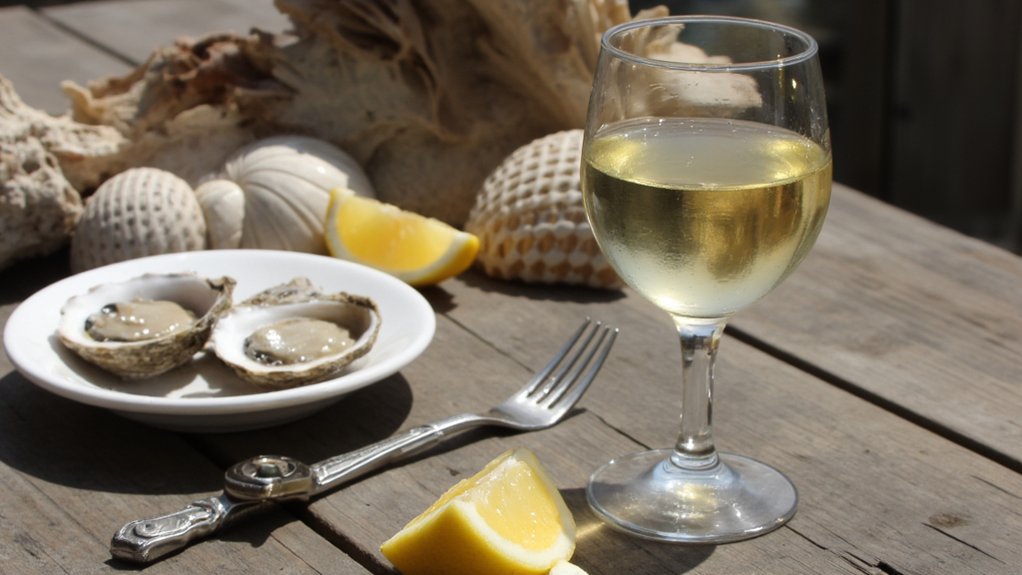
When you pour yourself a glass of Muscadet, you might wonder, “What’s the best thing to eat with this zippy, sea-breezy wine?” Well, you’re in for a treat, because Muscadet is basically the life of any seafood party—think oysters on the half shell, shrimp cocktails, or even just a big old pile of salty fries. Muscadet’s crisp acidity and subtle minerality are a match made in heaven for classic food pairings, especially seafood dishes. To get the most out of your bottle, try these:
- Oysters (the ultimate match—trust me, you’ll thank me later)
- Mussels steamed with garlic and herbs
- Sushi or sashimi—so fresh, so clean
- Fish and chips (yes, even the fast food version!)
Go ahead, let Muscadet sing alongside your favorite bites.
World’S Oldest Ocean-Aged Wine
If you’ve ever daydreamed about finding a forgotten bottle of wine stashed away under the sea, you’re not alone—turns out, Muscadet has a real history with the ocean, and it’s pretty wild. Envision this: centuries-old shipwrecks off the French coast, and inside, bottles of Muscadet, quietly aging beneath the waves. The ocean influence isn’t just a romantic idea, it’s real science at play. Saltwater, pressure, and cool, consistent temps all affect the aging process, creating flavors you won’t find in your average wine rack. Imagine popping a cork on a bottle that’s survived the deep blue! It’s like sipping history, with a splash of adventure. Who knew the ocean could be the ultimate wine cellar? Immerse yourself, and taste the legend.
Does Muscadet Wine Age Well?
Salty sea adventures aside, let’s get real for a second: does Muscadet actually age well, or is it just a crisp, zippy sipper for sunny afternoons? You might think Muscadet’s all about quick, easy drinking, but hold on—there’s more to the story. Muscadet aging is a secret weapon for wine lovers in the know. Sure, most bottles are meant to be enjoyed young, bright, and bursting with freshness, but some special Muscadets, especially those labeled “Sur Lie,” can surprise you with serious wine longevity. Give these bottles a few years (or even a decade) and you’ll find richer textures, deeper flavors, and a nutty, savory vibe that wasn’t there before. Muscadet isn’t just a fling—it’s got commitment potential.
Muscadet Wine Serving Tips

Although Muscadet might seem like a simple pour-and-go kind of wine, there’s a bit of art to serving it just right. You want to get the most out of those fresh, citrusy notes and that crisp, ocean-breeze vibe. Let’s keep this fun and uncomplicated—nobody wants wine to feel like homework! Here’s how you can enhance your Muscadet game with a few easy tweaks:
- Serving temperature: Chill your Muscadet to about 45–50°F. Too cold, and the flavors go into hiding.
- Glass selection: Use a white wine glass. The shape helps focus the aromas perfectly.
- Pour modestly: Fill your glass halfway, so the wine can breathe and show off.
- Pair thoughtfully: Stick with seafood or light fare—Muscadet loves a good oyster!
Similar Wines to Muscadet Wine
When you fall for the bright, zippy charm of Muscadet, it’s only natural to wonder what other wines might scratch that same itch. You’re not alone! If you’re craving Muscadet alternatives, you should check out Picpoul de Pinet. It’s got that same crisp, lemony bite that makes your mouth tingle. Albariño from Spain is another winner—think seaside breeze, green apple zing, and a dash of fun. If you want to get a bit fancy, try a dry Riesling or Verdicchio. These similar varietals bring lively acidity and freshness, just like Muscadet, but with their own unique twist. Go ahead, experiment! Your tastebuds will thank you, and who knows, you might just stumble into your next favorite bottle. Cheers!
Frequently Asked Questions
Is Muscadet Wine Vegan or Vegetarian-Friendly?
When you choose Muscadet, know its production sometimes uses animal-based fining agents, so not all bottles are vegan or vegetarian-friendly. Look for vegan certifications on labels or contact producers directly to confirm Muscadet production methods.
What Is the Typical Alcohol Content of Muscadet Wine?
You’ll find Muscadet wine usually has an alcohol content between 11% and 12%. This lower alcohol level is part of Muscadet characteristics, making it crisp, invigorating, and perfect for classic Muscadet food pairings like oysters or seafood.
Are There Organic or Biodynamic Muscadet Producers?
You’ll find several Muscadet producers embracing organic farming and biodynamic practices. When you seek out these wines, you support sustainable vineyards, healthier soils, and eco-friendly methods. Look for labels noting organic or biodynamic certifications for assurance.
Can Muscadet Wine Be Used in Cooking?
You can absolutely use Muscadet wine in your cooking techniques. Its crisp, light flavor profiles enhance seafood dishes, sauces, and even risottos. Don’t hesitate to experiment—Muscadet’s acidity brings freshness and depth to your recipes.
Is Muscadet Wine Available in Half or Magnum Bottles?
When exploring Muscadet bottle sizes, you’ll find standard 750ml bottles most common. However, some producers offer Muscadet packaging options in half (375ml) or magnum (1.5L) bottles. Availability may vary, so check with your local retailer.