You’ve probably witnessed that ceremonial moment at a fancy restaurant when the sommelier gracefully pours wine into a decanter, but there’s more to this ritual than pure theatrics. Whether you’re a casual sipper or an aspiring wine guru, understanding when and why to decant can transform your bottle from “meh” to “magnificent.” From taming young, rebellious reds to coaxing hidden flavors from aged vintages, let’s uncover the secrets behind this time-honored tradition.
Key Takeaways
- Young, tannic red wines need decanting to soften harsh tannins and release their full flavor potential through oxidation.
- Decanting helps separate sediment from aged wines while allowing delicate aromas to develop through controlled aeration.
- Most red wines benefit from 15-30 minutes of decanting, while aged or full-bodied wines may need longer exposure.
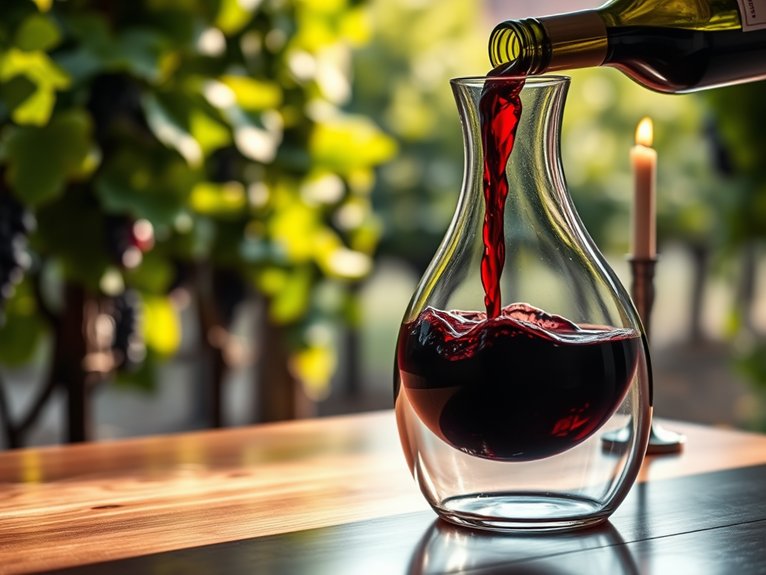
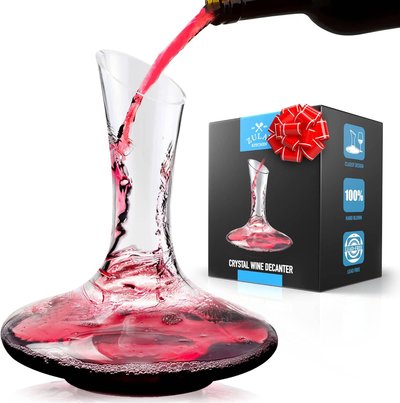
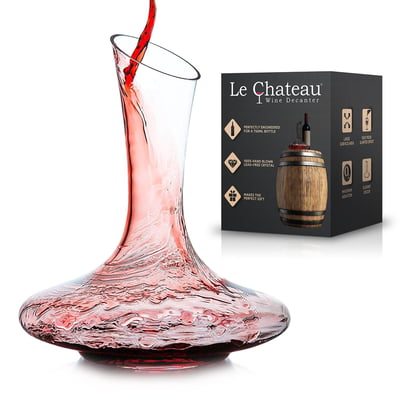
- Pour wine into a decanter at a 45-degree angle, maintaining steady flow to maximize aeration and prevent sediment disturbance.
- Not all wines require decanting; light-bodied reds and most white wines are typically ready to serve straight from the bottle.

Understanding the Science Behind Wine Decanting

While the art of wine decanting might seem like a mysterious ritual reserved for sommeliers, there’s actually some fascinating science behind why we let our favorite wines “breathe.” When you’re pouring that bold Cabernet into a decanter, you’re kickstarting two important chemical processes: aeration and oxidation.
The oxidation process, which happens when wine meets air, helps soften those harsh tannins that can make your tongue feel like it’s wearing a wool sweater. Meanwhile, aeration works its magic by releasing volatile compounds, bringing hidden aromas to life. Think of it as giving your wine a chance to stretch after being cooped up in that bottle! This dynamic duo of chemical reactions leads to enhanced flavor development, transforming your wine from wallflower to life of the party.
Types of Wines That Benefit Most From Decanting
Although many wines can be enjoyed straight from the bottle, certain varieties practically beg for a little decanting drama in their lives! You’ll find that both red wines and white wines can benefit from this process, though some are especially enthusiastic to show off their true potential.
- Young, tannic red wines that need to “stretch their legs” and soften up
- Full-bodied cabernets and syrahs with bold flavors waiting to be revealed
- Aged wines that have been hiding away, complete with their delicate aromas
- White wines that are initially too tight or closed, like fine chardonnays
- Any wine with sediment that’s dying to ditch its gritty bits
When you’re dealing with these attention-seeking varietals, don’t hesitate to give them their moment in the decanter – they’ll reward you with an unforgettable performance!
Essential Tools and Equipment for Proper Decanting

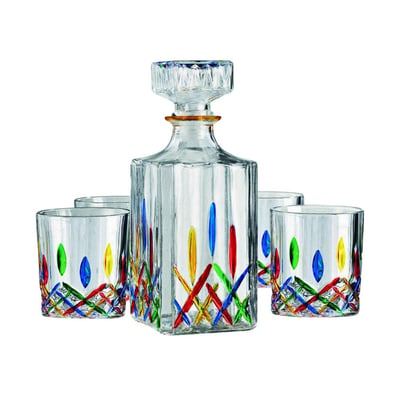
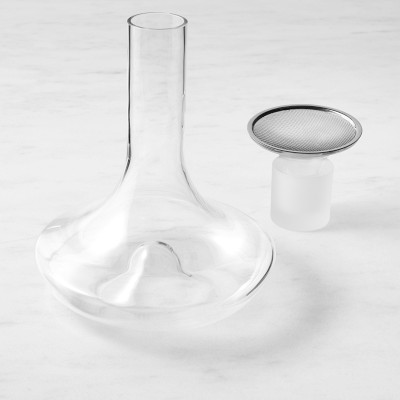
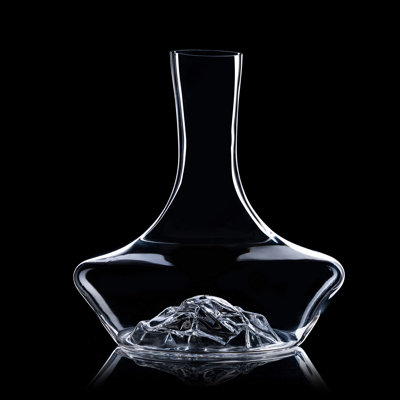
To properly decant your wines with style and precision, you’ll need a few essential tools in your arsenal. First, grab a high-quality crystal or glass decanter – there are several decanter types to choose from, including the classic swan neck, duck, or standard designs. You’ll also want a clean, lint-free cloth for wiping the bottle’s neck and a bright light source (a smartphone works great) to spot sediment.
For those who love gadgets, modern aeration tools like aerator pourers and wine funnels can speed up the process. Don’t forget a steady hand and a clean, flat surface – nobody wants to explain to their dinner guests why there’s a Cabernet waterfall running down their white tablecloth! Finally, keep a decanting mat or coaster handy to catch any stray drops.

Step-by-Step Guide to Perfect Decanting Technique
Now that you’ve got your decanting tools ready, let’s put them to good use with a foolproof method that’ll make you look like a seasoned sommelier. These time-tested decanting techniques will transform your wine service from amateur to impressive in no time!
- Hold your bottle up to a light source and look for any sediment lurking at the bottom
- Slowly tilt the bottle to a 45-degree angle, keeping that light source handy
- Pour the wine steadily into your decanter, watching for the sediment line
- Stop pouring when you see sediment approaching the bottle’s neck (usually with about an inch left)
- Let your wine breathe for 15-30 minutes, depending on its age and boldness
Common Decanting Mistakes to Avoid

Many wine enthusiasts make simple decanting mistakes that can turn their prized bottles into missed opportunities for perfect enjoyment. You’ll want to avoid over aerating wine, which can flatten those delicate flavors faster than a soufflé in an earthquake. Watch your decanting temperature, too – serving your red wine at room temperature doesn’t mean cranking up the thermostat to tropical levels!
Don’t fall into the trap of thinking every wine needs decanting, as you might accidentally strip away the character of lighter wines that are perfectly happy going straight from bottle to glass. And please, whatever you do, don’t vigorously shake the decanter like you’re mixing a martini – unless you’re aiming for a wine that tastes more confused than a cat in a dog park!
Frequently Asked Questions
Does Decanting Affect the Alcohol Content of Wine?
You’ll notice minimal alcohol evaporation when decanting wine, though extended exposure to air can slightly increase wine concentration. The change in alcohol content is negligible during normal decanting periods.
Can I Decant Wine in Advance and Store It Overnight?
Want to know a wine decanting secret? You shouldn’t store decanted wine overnight, as it’ll lose its freshness and complexity. Instead, use proper decanting techniques right before serving for the best results.
What’s the Ideal Room Temperature for Decanting Different Types of Wine?
You’ll want to decant red wines at 65-68°F (18-20°C) and white wines at 45-50°F (7-10°C). Keep your room temperature consistent to maintain these ideal serving ranges.
Will Decanting Help Reduce Headaches Caused by Drinking Wine?
Verily, you’ll find decanting may provide some headache relief by allowing sulfites and histamines to dissipate. However, wine quality and your personal sensitivities matter more than aeration alone for preventing wine-related headaches.
Can I Use a Blender to Speed up the Decanting Process?
While you can use a blender for wine aeration, it’s too aggressive and ruins the wine’s delicate qualities. The blender effects create harsh, unbalanced flavors. Stick to traditional decanting methods instead.