Oak isn’t just sitting there—it’s actively transforming your wine. Oxygen seeps through the barrel’s pores, softening rough edges while pulling flavor compounds from the wood that add vanilla, spice, and subtle sweetness. Tannins polymerize and shift from astringent to silky. The trick? Balance. Too much oak and you’re basically drinking a forest. Too little and you miss out on that complexity. Getting it right depends on matching the oak type, barrel age, and timing to your wine’s style, which is where things get really interesting.
Key Takeaways
- Oak aging softens wine through oxygen ingress, phenolic extraction, and tannin polymerization, transforming rough edges into silky complexity.
- French oak provides elegant, toasty notes for refined wines like Pinot Noir; American oak delivers bold vanilla and spice for Cabernets.
- New barrels impart stronger vanilla and caramel flavors; neutral barrels support fruit character without aggressive oak influence dominating the wine.
- Extended maturation of one to three years builds complexity and allows tannins to soften; short-term exposure prevents overpowering delicate fruit profiles.
- Quality oak integration tastes like a whisper, not a scream; poor oak overwhelms with bitterness or excessive woodiness that detracts from wine.

How Oak Transforms Wine: The Chemistry Behind the Barrel

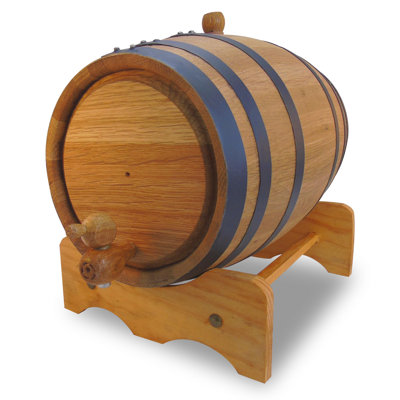
Envision this: a freshly fermented wine, pale and harsh, slides into a oak barrel and emerges months later transformed into something complex and delicious. You’re witnessing pure chemistry at work. Here’s what’s actually happening inside that wooden vessel. Oxygen ingress through the barrel’s pores softens your wine’s rough edges. Meanwhile, phenolic extraction pulls flavor compounds from the wood itself, adding depth and structure. The oak’s lignin transformations break down over time, creating subtle sweetness. And that lovely vanilla note you’re tasting? That’s vanillin development doing its thing. It’s basically like your wine’s going to flavor boot camp in there. The oak doesn’t just sit pretty—it actively rewires your wine’s entire personality, turning something one-dimensional into something you’d actually want to sip. During this transformation, tannins polymerize over time, changing from astringent to silky and contributing to improved mouthfeel.
When to Use Oak: Is It Right for Your Wine?
Not every wine needs to spend time in oak, and that’s totally okay. Think about what you’re trying to achieve. Are you going for crisp, fresh flavors? Skip the barrel. Want something richer with vanilla and spice notes? Oak’s your friend.
Market trends show winemakers increasingly embracing lighter styles, especially with white wines. That means oak isn’t always the answer anymore. Consider your grape variety too. Chardonnay loves oak. Sauvignon Blanc? Usually doesn’t.
Budget matters as well. Real oak barrels are pricey, so oak alternatives like chips and staves offer budget-friendly options if you want oak character without breaking the bank. If you’re working with young, tannic wines, you might also consider aeration and oxidation through decanting as a complementary technique to enhance flavor development.
The real question: what’s your wine trying to say? Let that guide your decision.
French Oak vs. American Oak: Flavor Profiles and Regional Traditions
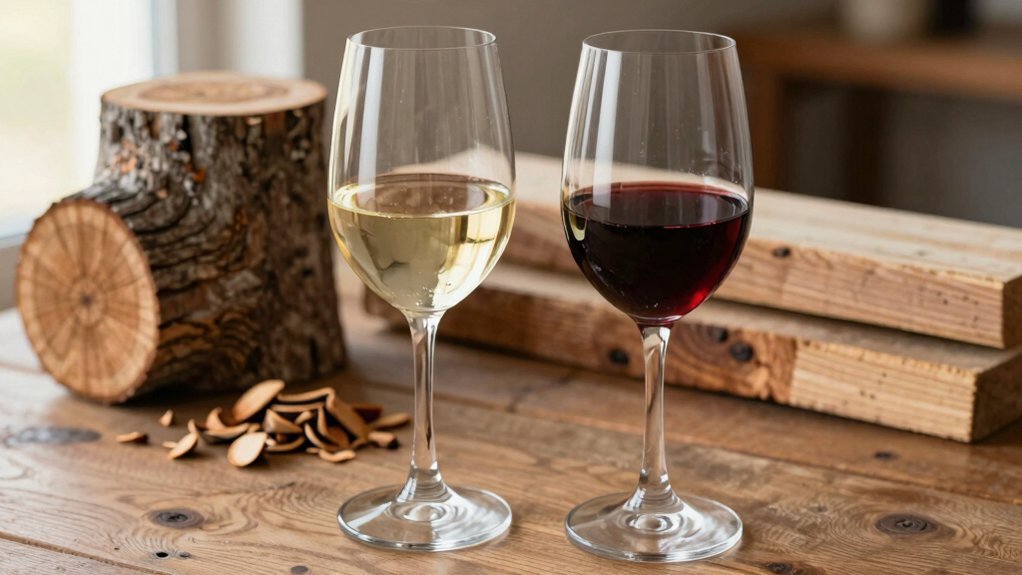
Once you’ve decided oak is the right move for your wine, you’re facing another choice: French oak or American oak? These two heavyweights bring totally different vibes to your glass. French oak tends toward elegance and subtlety, offering that sophisticated French toastiness that whispers rather than shouts. It’s all about finesse and complexity, perfect if you want your wine to feel refined. American oak, though? It’s the bold cousin. You’ll get that distinctive American vanilla character that comes through loud and clear, plus a bit more spice and coconut notes. French oak works beautifully with Pinot Noir and Burgundy styles, while American oak suits big, fruit-forward wines like Cabernet Sauvignon. Your choice really depends on what personality you’re after. The high tannins in American oak-aged Cabernets contribute to the wine’s exceptional aging potential and structured character that develops over decades.
New Barrels vs. Neutral Barrels: What Each Contributes
Now that you’ve picked your oak type, there’s one more decision that’ll shape your wine’s entire trajectory: are you going with new barrels or neutral ones?
New barrels pack a punch. They’re loaded with toasted tannins and vanilla flavors that’ll dominate your wine’s profile during those first few years. It’s like adding seasoning to a dish, except this seasoning comes from the barrel seasoning process itself. The wood’s literally screaming its presence into every drop.
Neutral barrels? They’re the quiet professionals. After years of use, they’ve given up most of their flavor contributions and just provide structure. You’re basically getting the oak’s physical support without the aggressive personality. Proper storage of barrels at consistent temperature ensures they maintain their structural integrity and flavor characteristics over time.
New barrels suit bold reds and certain whites beautifully. Neutral barrels let your fruit shine through, making them ideal when you don’t want oak hogging the spotlight.
Finding the Right Aging Timeline: From Months to Years
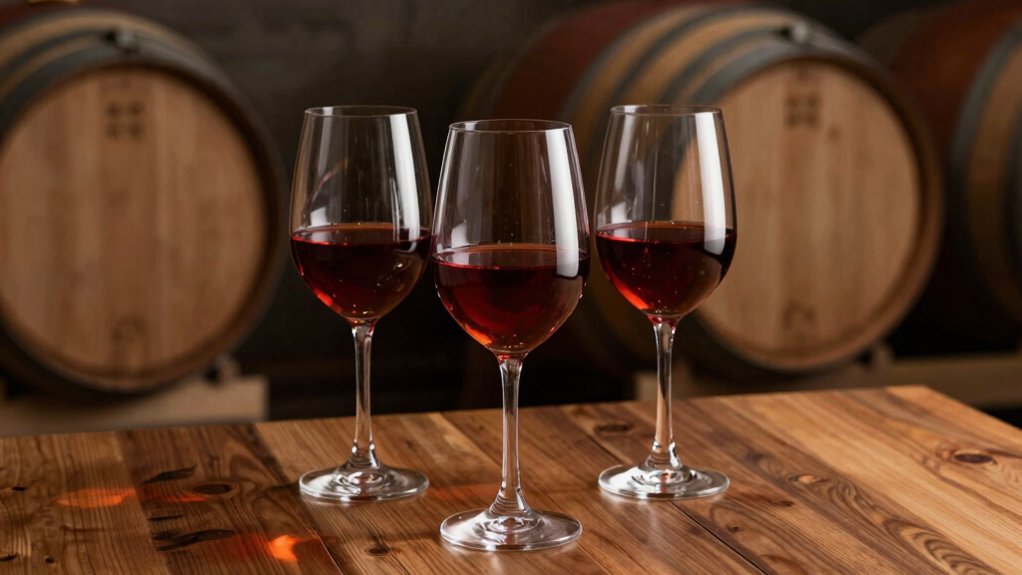
You’ve got options when it comes to timing your wine’s oak adventure, and honestly, it’s not one-size-fits-all. Short-term exposure, say a few months, can give you those nice oak flavors without completely overpowering the fruit, while extended barrel time—we’re talking years—lets you build complexity and lets those tannins really settle in and play nice together, though you’ve gotta match your timeline to what you’re actually trying to achieve since a bold Cabernet’s got way different needs than a delicate white. Oak aging introduces vanilla, toast, and caramel flavors that enhance the sensory appeal and depth of your wine during this maturation process.
Short-Term Oak Exposure
Finding the sweet spot for oak aging isn’t some mysterious dark art—it’s really about understanding what happens when wood and wine get cozy together over time. You’ve got options here, and short-term exposure is where things get interesting. When you’re talking weeks to a few months, you’re working with micro oxygenation benefits that gently soften your wine without overpowering it. The rapid toast influence from fresh oak comes through quickly, adding those vanilla and spice notes without turning everything into a lumber yard. It’s like dipping your toe in rather than diving headfirst. Your wine picks up character fast but stays balanced, keeping its fruit-forward personality intact while gaining some complexity and polish.
Extended Barrel Maturation
Pushing your wine into extended barrel maturation is where patience starts paying real dividends. You’re looking at anything from one to three years, depending on your wine style and goals. Here’s what you need to know:
- Warehouse maturation requires consistent temperature and humidity control for peak development
- Micro oxidation techniques allow gentle air exposure that softens tannins beautifully
- Oak extraction deepens flavors while building complexity over time
- Regular monitoring prevents over-oaking and guarantees balanced results
During this phase, you’re not just waiting around. Your wine’s transforming. The oak’s slowly integrating with the wine’s structure, creating layers of flavor you couldn’t achieve in months. It’s like watching a conversation between wood and fruit unfold. Sure, it takes longer, but that’s kinda the whole point, right? Your patience turns into something genuinely special.
Wine Style Considerations
While extended barrel maturation sets the foundation, the style of wine you’re working with should really drive how long you let it sit. Light, fruity wines need way less time than bold reds. You’re balancing tannin management with fruit preservation, which means knowing when to pull the plug before oak extraction overpowers everything. Delicate whites might spend just a few months in oak, while structured Cabernets could handle two years or more. Consider barrel alternatives too, like staves or chips, if you want faster results without the commitment. The key’s matching your wine’s personality to its aging timeline. Get this right, and you’ll nail that sweet spot between wood influence and natural character.
The Over-Oaking Problem: How to Recognize It
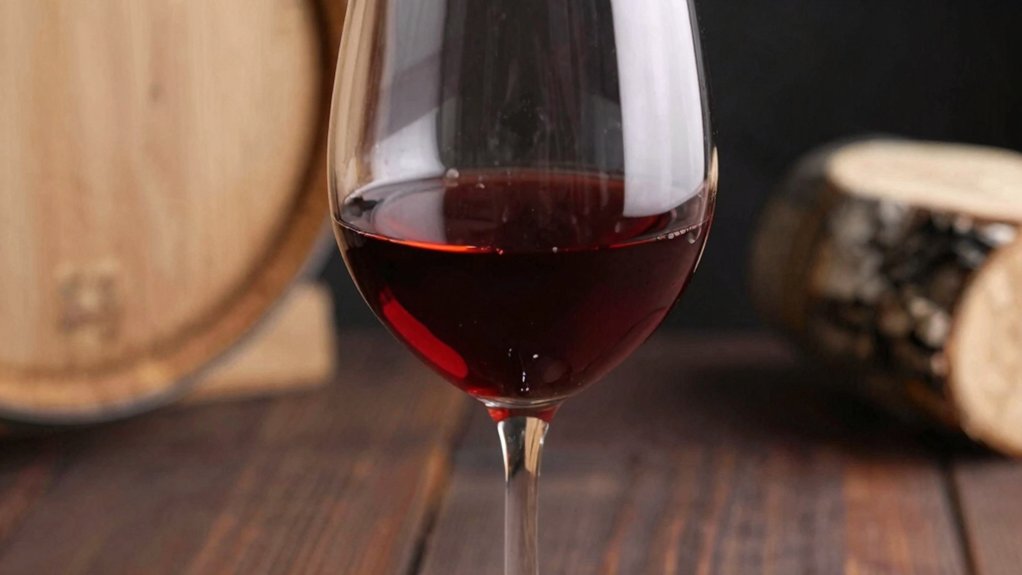
Over-oaking can sneak up on you, turning a promising wine into something that tastes like you’re gnawing on a piece of furniture. You’ll want to watch for these telltale signs:
- Dominant vanilla and coconut flavors that drown out the fruit
- A bitter, astringent finish that lingers unpleasantly
- Oxidation indicators like browning colors or a flat, tired taste
- Sensory fatigue setting in after just a few sips
When oak overpowers everything else, you’re experiencing classic over-oaking. The wine loses its personality, replaced by woody harshness that dominates every note. Your palate gets exhausted trying to find the actual fruit underneath all that oak. Trust your taste buds—if the wood’s stealing the show, somethin’s gone wrong.
Why Oak Barrels Cost What They Do
You might wonder why a oak barrel costs hundreds of dollars when it’s basically just wood, but there’s a lot more going on behind the scenes. The price tag reflects serious craftsmanship and labor, careful wood selection from specific forests, and precise cooperage techniques that take years to master, not to mention the fact that coopers (barrel makers) aren’t exactly churning these things out like they’re assembly line widgets. When you’re paying for a barrel, you’re really investing in the skill, materials, and meticulous specifications that go into creating a vessel capable of transforming your wine into something genuinely special.
Craftsmanship And Labor Intensity
Making a quality oak barrel isn’t exactly a quick trip to the lumber store and back, if you know what I mean. You’re looking at serious labor intensity and genuine artisan skill that takes years to develop.
Here’s what goes into crafting one barrel:
- Selecting and seasoning wood for months or even years
- Hand-splitting staves to maintain grain integrity
- Precisely shaping each stave with specialized tools and techniques
- Assembling and toasting the barrel to exact specifications
Each step demands expertise you can’t rush. A master cooper’s hands know exactly how wood should feel, bend, and fit together. They’re working with natural materials that don’t always cooperate, so they’re constantly problem-solving and adapting. That’s why you’re paying what you’re paying—you’re investing in someone’s decades of dedication and know-how.
Wood Selection And Sourcing
Where your oak barrels come from matters just as much as who’s building them, and that’s where things get expensive real quick. You’re not just paying for wood, you’re paying for the whole journey. Forest certification adds cost because suppliers gotta prove they’re harvesting responsibly, and that paperwork ain’t cheap. Then there’s the supply chain itself, which involves multiple middlemen each taking their cut.
The grain variation in oak means coopers gotta be picky. Not all trees are created equal. Stave seasoning—letting wood dry naturally for years—that’s time and storage space money. French oak? Pricier. American oak? Bit easier on your wallet, but still substantial. You’re effectively funding an entire ecosystem of forestry, logistics, and quality control just to age your wine properly.
Cooperage Techniques And Specifications
Once you’ve got your oak sourced, the real craftsmanship kicks in—and that’s where your barrel price suddenly makes a lot more sense. Building a barrel isn’t just about slapping wood together. It’s an art form that requires serious skill and precision.
Here’s what goes into making your barrel worth the investment:
- Stave seasoning takes months or even years, letting moisture evaporate naturally
- Toast profiles are carefully controlled to develop those vanilla and caramel notes you’re after
- Head construction requires perfectly fitted circular pieces that’ll withstand pressure
- Bung placement needs to be spot-on so your wine stays sealed tight
Each step demands attention to detail. Coopers train for years perfecting their craft, and honestly, that expertise costs money. But you’re paying for quality that’ll transform your wine.
How to Taste Good Oak vs. Bad Oak
If you’ve ever sipped a wine and thought it tasted like you were licking a wooden barrel, congratulations—you’ve probably encountered some bad oak. Developing sensory training helps you distinguish quality wood influence from oak faults. Good oak adds subtle vanilla, spice, and toast notes that complement the wine. Bad oak? It overwhelms everything, tasting bitter or overly woody.
Your palate calibration improves through tasting comparisons. Notice barrel freshness too—newer barrels contribute stronger flavors than neutral ones. When you taste wine aged in quality oak, you’ll notice integration. The oak doesn’t scream at you; it whispers. Bad oak screams.
Start paying attention to these differences. You’ll quickly develop an ear—well, a palate—for spotting oak done right versus oak gone wrong.
Frequently Asked Questions
Can Home Winemakers Effectively Age Wine in Oak Barrels Without Professional Equipment?
You can age wine in oak with home setups using DIY barrels or oak chips without professional equipment. You’ll need proper temperature control, sanitation, and patience. It’s affordable and rewarding for experimenting with oak aging.
What Environmental Conditions Are Necessary for Proper Oak Barrel Storage and Aging?
You’ll need consistent temperature control between 45-65°F to prevent cork degradation and oxidation. Maintain humidity around 50-80% so you’re protecting barrel wood and preventing evaporation that’d spoil your wine.
How Do Oak Barrels Affect Wine’s Alcohol Content and Overall Chemical Composition?
Your wine’s alcohol content remains stable in oak barrels, but you’ll experience significant chemical transformation through alcohol extraction and oak compound absorption. You’ll gain vanilla, spice, and tannin complexity that fundamentally alters the wine’s composition.
Can Oak-Aged Wine Be Stored Long-Term After Removal From the Barrel?
Yes, you can store oak-aged wine long-term after barrel removal. You’ll benefit from bottle maturation, where the cork impact helps preserve your wine’s quality and allow further complexity development over years.
What Are Sustainable or Eco-Friendly Alternatives to Traditional Oak Barrel Aging?
You can use alternative staves made from sustainably sourced wood or recycled barrels to age wine eco-friendly. These options reduce environmental impact while still delivering desirable oak characteristics you’re seeking in your wine.