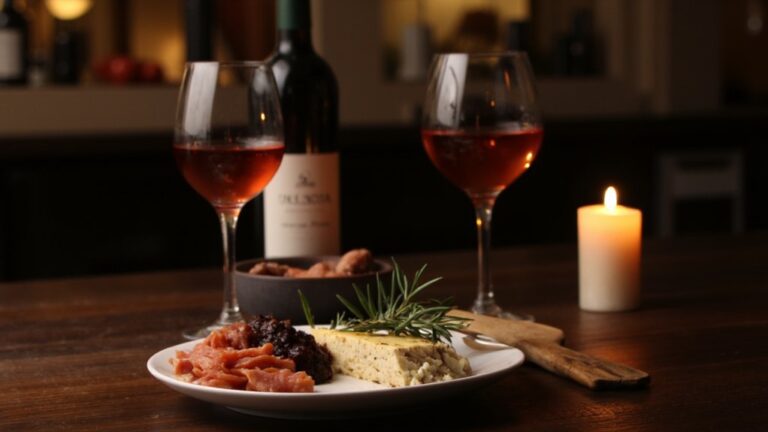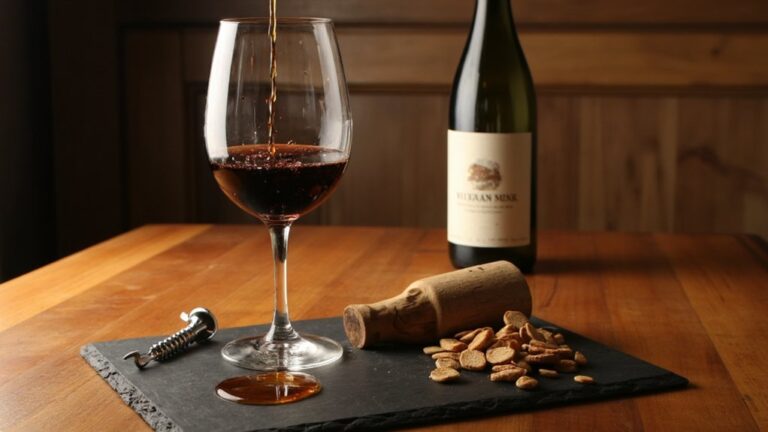
Wine aging transforms your bottle like magic. You’ll notice young wines bursting with fresh fruit flavors gradually evolve into complex masterpieces with earthy, leathery notes. The harsh tannins soften, colors shift (reds toward brick, whites toward amber), and what was once simple becomes beautifully intricate. Not all wines benefit from aging—only about 10% do—but those that do reward your patience with a symphony of flavors that’ll make you apreciate the journey time takes in your glass.
Key Takeaways
- Chemical reactions during aging transform harsh compounds into smoother ones, enhancing complexity and flavor integration.
- Young wines display primary fruit flavors while mature wines develop tertiary notes like leather, earth, and nuts.
- Tannins polymerize over time, changing from astringent to silky and contributing to improved mouthfeel.
- Only about 10% of wines benefit from aging, with varieties like Cabernet Sauvignon and Barolo having 15-30 year potentials.
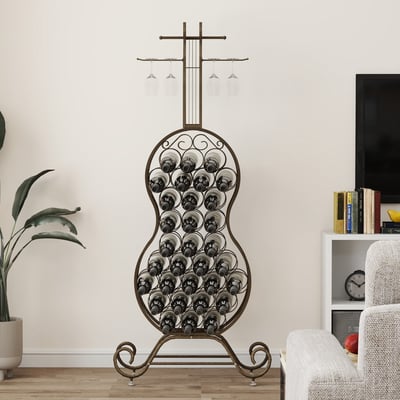
- Proper storage at 55-59°F with 70% humidity, minimal light, and horizontal positioning maximizes wine aging potential.

The Chemistry Behind Wine Aging
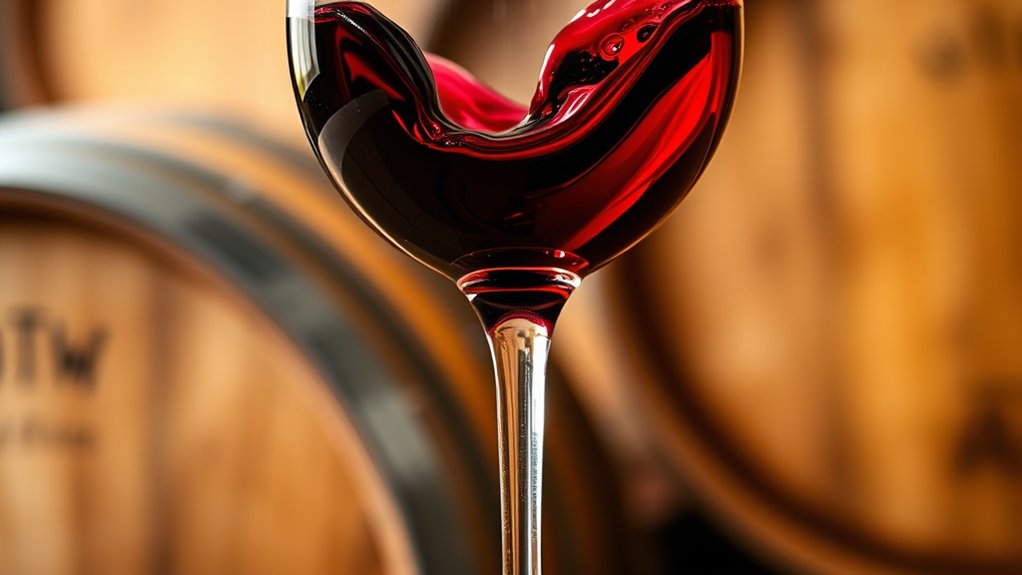
While you’re swirling that glass of Cabernet and admiring its ruby hues, there’s an invisible symphony of chemical reactions happening right before your eyes. What you’re experiencing is the magic of the aging process, where tannins soften, aromas develop, and flavors meld together in beautiful harmony.
During aging, oxygen seeps through the cork or barrel, triggering chemical reactions that transform harsh compounds into smoother ones. It’s like watching a rowdy teenager mature into a sophisticated adult! You’ll notice your wine’s color shifting—reds becoming more brick-like, whites deepening to amber.
Don’t worry if you’re not a chemist, you can still appeciate these changes with your senses. The aging process isn’t just science—it’s nature’s way of turning something good into something extraordinary.
Which Wines Benefit Most From Cellaring
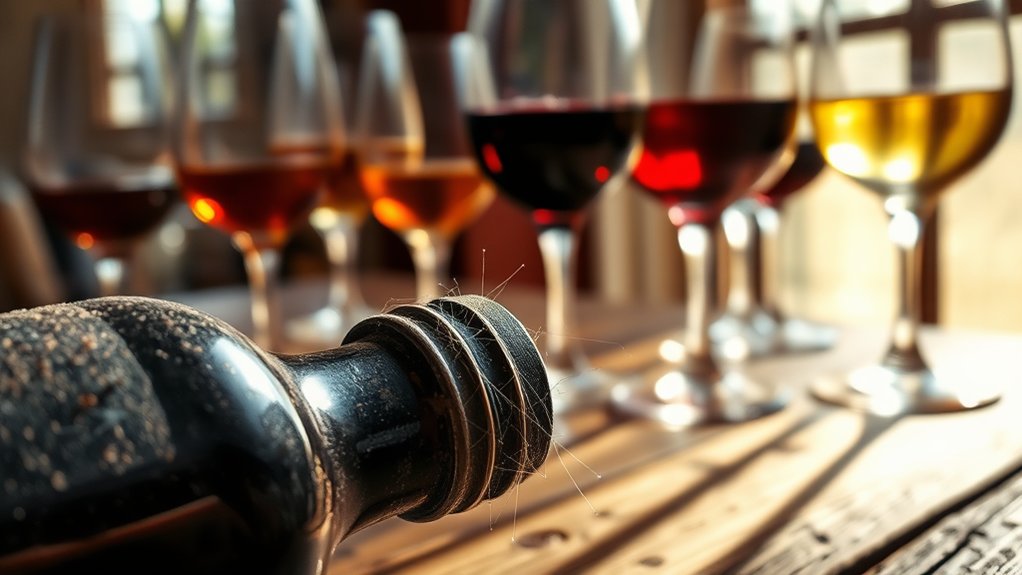
When it comes to cellaring wines, not all bottles are created equal—some will transform magnificently with time while others are best enjoyed young and fresh. You’ll want to focus on wines with high aging potential, which typically have good structure, acidity, and tannins.
| Wine Type | Aging Potential | Best Drinking Window | Key Characteristics | Price Range |
|---|---|---|---|---|
| Cabernet Sauvignon | 10-20+ years | 8-15 years | Firm tannins, dark fruit | $30-200+ |
| Burgundy Red | 10-30+ years | 7-20 years | Elegant, earthy notes | $40-500+ |
| Dessert Wines | 20-50+ years | 10-30 years | Concentrated sugars | $25-300+ |
| Champagne | 5-20 years | 3-10 years | High acidity | $50-200+ |
| Barolo | 15-30+ years | 10-20 years | “Tar and roses” | $45-300+ |
The Role of Tannins in Maturation
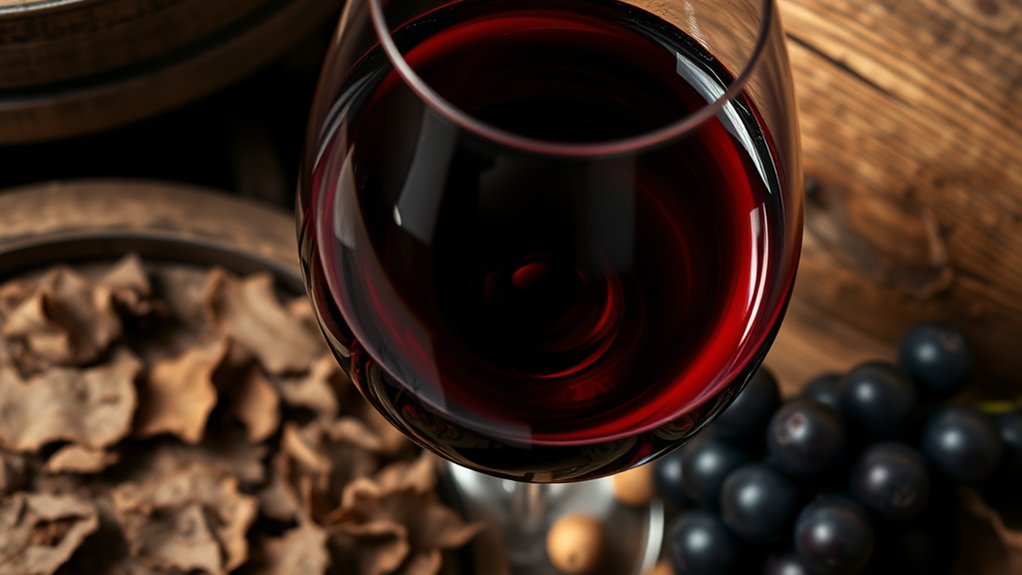
You’ll notice that tannins, those mouth-puckering compounds in your red wines, undergo a fascinating transformation as they age in the bottle. Over time, these tannin molecules link together in a process called polymerization, changing from harsh, bitter substances into softer, more complex structures. The difference in mouthfeel between a young, tannic wine and it’s mature counterpart is like trading a rough woolen blanket for fine cashmere – what was once astringent and aggressive becomes smooth and velvety, creating that coveted silky texture that wine enthusiasts chase after!

Tannin Structure Changes
As your wine sits patiently in that bottle, something magical’s happening to the tannins inside. Those once harsh, mouth-puckering compounds are slowly transforming, undergoing a fascinating tannin evolution that’ll dramatically change how your wine tastes!
Over months and years, those big, aggressive tannin molecules link together, forming longer chains that feel softer on your palate. This aging impact isn’t just chemical—it’s sensory too! You’ll notice that wine which used to make your mouth feel like the Sahara Desert now seems velvety and integrated. It’s like watching a rebellious teenager mature into a thoughtful adult, still with personality but way less likely to make you wince.
The beauty of this process? You don’t have to do anything but wait!
Polymerization Process Explained
Let’s take a closer look at what’s actually happening during this magical tannin transformation. When wine ages, the polymerization effects change everything about how those tannins feel in your mouth. It’s like watching a chemical ballet unfold in slow motion!
- Tannin molecules bond together, forming longer chains that feel smoother on your palate
- These molecular changes reduce astringency, turning that puckering sensation into silky texture
- Color compounds join the party, stabilizing the wine’s hue as they bind with tannins
- Oxygen plays matchmaker, catalyzing these reactions through tiny amounts of controlled exposure
You’ll notice that harsh, bitter edge softens over time as these chains grow longer. That’s why older wines often feel so much gentler and more integrated—the polymerization has worked its magic!
Mouthfeel Over Years
The evolution of a wine’s mouthfeel over time represents one of the most fascinating aspects of the aging process, where patience truly becomes your greatest virtue. You’ll notice the harsh, astringent tannins of youth gradually soften, creating a silkier, more integrated aging sensation on your palate. It’s like watching a rebellious teenager mature into a sophisticated adult!
| Age Stage | Mouthfeel Texture | Tasting Experience |
|---|---|---|
| Young Wine | Grippy, aggressive | Sharp, demanding |
| Mid-aged | Rounder, integrating | Balanced, pleasant |
| Mature | Velvety, complex | Harmonious, layered |
As wines age, their initial angular edges mellow out, and you’ll find the mouthfeel transforming from something that might make you pucker to a smooth, luxurious texture that dances accross your tongue. This remarkable transformation is worth every year of waiting!
Optimal Storage Conditions for Wine Collections
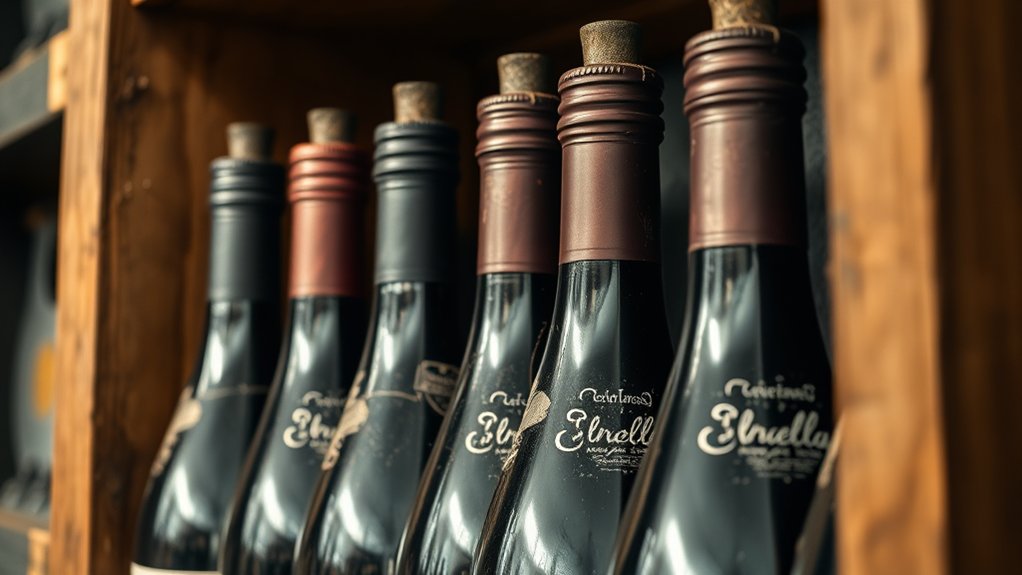
While proper storage conditions might seem like an overly fussy concern, they’re actually the foundation of successful wine aging – and you don’t need a fancy underground cellar to get it right! Creating an ideal environment helps preserve your wine’s character and allows it to mature gracefully, just like we all hope to do.
Here’s what you’ll need for proper wine storage:
- Maintain ideal temperature between 55-59°F (13-15°C), avoiding fluctuations that’ll stress your bottles.
- Keep humidity control around 70% to prevent cork drying and shrinkage.
- Minimize light exposure, especially UV rays that can damage wine through a process called “light strike.”
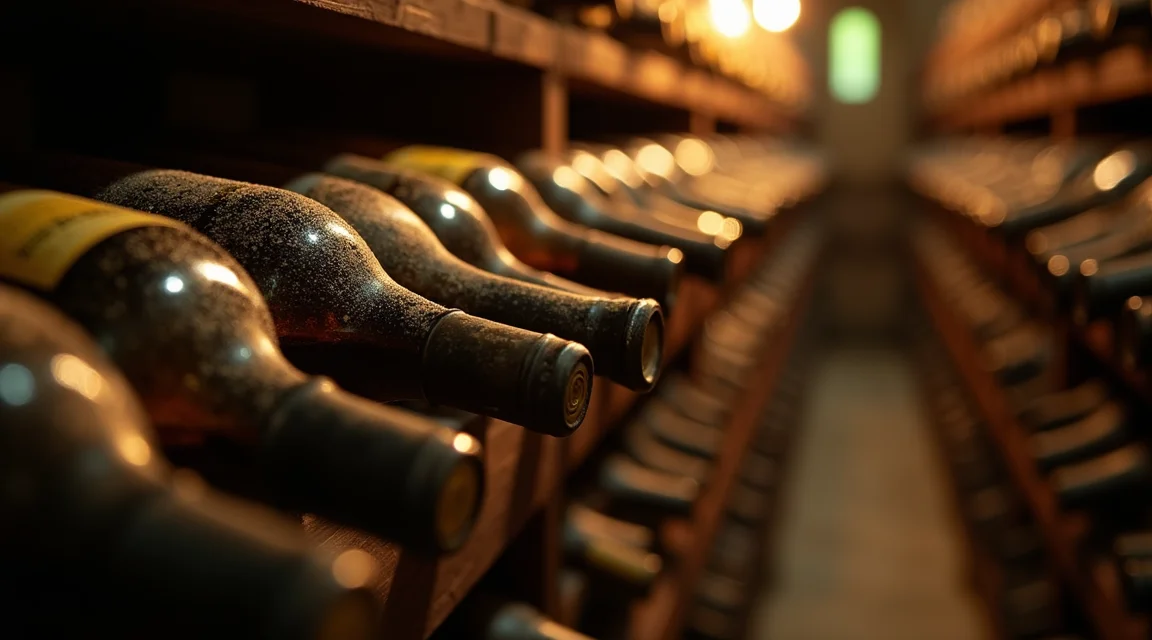
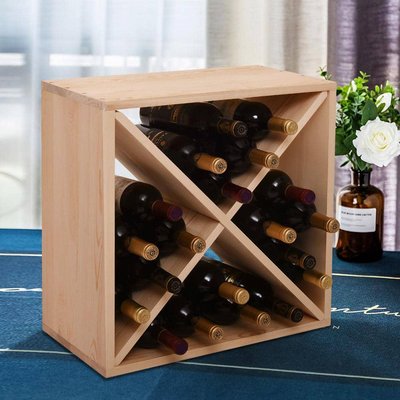
- Reduce vibration impact by storing bottles away from appliances, as constant movement disturbs sediment. Additionally, ensure that bottles are stored horizontally in sturdy racks to keep corks moist and prevent oxidation.
Flavor Evolution: From Fruit to Complex Tertiary Notes
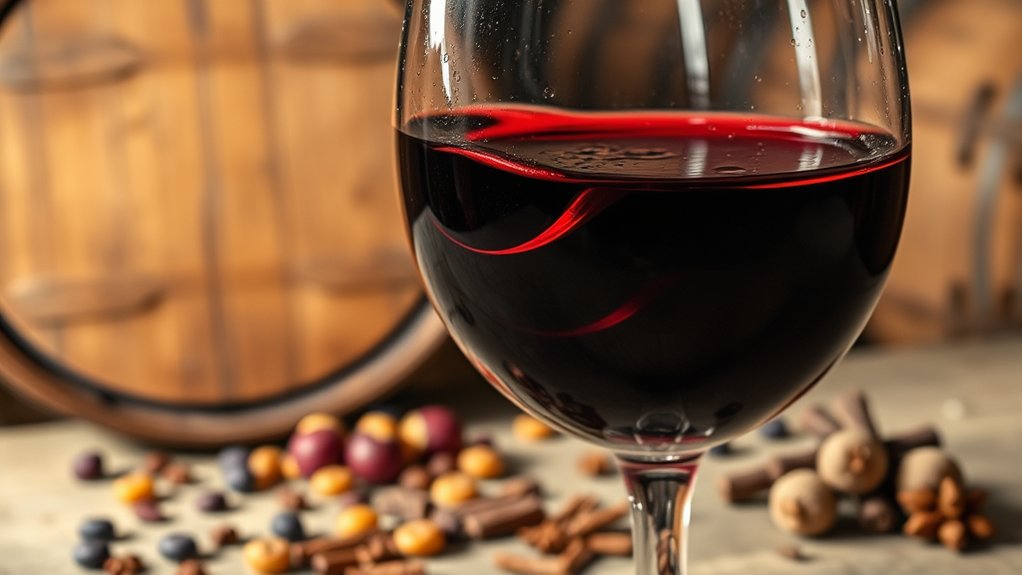
Now that we’ve set up the perfect wine home, you’re probably wondering what actually happens inside those mysterious bottles over time. It’s like watching your child grow up, but with more alcohol and fewer tantrums!
Young wines burst with primary fruit aromas—think fresh berries, citrus, or tropical notes depending on the variety. As they mature, these bright flavors begin their metamorhosis into something more sophisticated. After a few years, secondary characteristics develop from fermentation and aging processes, adding buttery, yeasty dimensions.
The real magic happens when tertiary notes emerge, transforming your once-simple bottle into a complex flavors masterpiece. Earthy truffle, leather, dried fruits, and nutty nuances start to appear. You’ll notice the harsh edges softening, like that friend who finally chilled out after college.
The Oxygen Factor: How Micro-Oxygenation Transforms Wine
Oxygen, wine’s complicated frenemy, plays perhaps the most essential role in aging your favorite bottles. This invisible element transforms wine through the aging process, turning simpler young flavors into something truly spectacular over time. Through controlled oxidation, your wine undergoes a magical evolution that’s worth the wait.
Here’s what micro-oxygenation does to wine during maturation:
- Softens those harsh tannins, making red wines feel silkier in your mouth
- Enhances aroma development, revealing hidden layers beyond just fruit
- Improves texture enhancement and mouthfeel, giving wines that “expensive” quality
- Encourages flavor integration where all elements harmonize rather than compete
You’ll notice these micro oxygenation effects aren’t immediate—wine evolution happens slowly, with oxygen exposure working its subtle magic month after month, year after year.
When to Open: Recognizing a Wine’s Peak Maturity
How do you know when that carefully-stored bottle has reached its peak maturity? It’s a bit like knowing when an avocado is perfectly ripe – there’s a sweet spot between “not quite there” and “too far gone.” You’ll want to research your specific wine’s aging potential, but there are some general clues you can look for in your tasting notes.
| Wine Type | Peak Maturity | Key Indicators |
|---|---|---|
| Light Whites | 1-3 years | Crisp acidity fading |
| Full-Bodied Reds | 8-15 years | Tannins softening |
| Dessert Wines | 10-20+ years | Complexity increasing |
Trust your palate! If you’re enjoying the wine now, that’s what matters. Remember, it’s better to open a bottle slightly early then to discover you’ve waited too long and its best days are behind it.
Vintage Variations and Their Impact on Aging Potential
When exploring vintage variations, you’ll quickly notice that not all wine years are created equal, with weather playing the starring role in determining a wine’s aging potential. You might be suprised to learn that the same vineyard can produce dramatically different wines from year to year, with excessive rain, drought, or perfectly balanced conditions leaving their distinct signatures. Understanding these vintage differences will help you make smarter decisions about when to open bottles from your collection, as the “perfect drinking window” can vary by several years depending on whether the vintage was considered outstanding, average, or challenging.
Vintage Quality Indicators
Vintage quality stands as the single most important factor when you’re determining a wine’s aging potential, and it’s often the first thing collectors look for on a label. You don’t need a sommelier degree to assess vintage characteristics, just a bit of research and sensory evaluation skills. Weather patterns during growing seasons dramatically affect how a wine will develop over decades.
When evaluating vintages, look for these quality indicators:
- Critical scores from respected wine publications (90+ points typically suggest aging potential)
- Weather conditions during harvest (dry, warm harvests usually produce better wines)
- Producer reputation for consistency accross multiple vintages
- The wine’s balance of acidity, tannin, and fruit concentration
Trust your own taste buds too—if it tastes amazing young, imagine how it’ll evolve!
Weather’s Crucial Role
Weather patterns form the backbone of what makes each wine vintage unique, and you’ll notice these differences when comparing bottles from consecutive years of the same vineyard. The climate influence on grapes is astonishing – temperature fluctuations between day and night can dramatically affect how a wine will age over decades!
You’ll find that terroir impact varies wildly depending on seasonal variations. A vineyard that received perfect rainfall effects one year might struggle with drought the next, completely changing your aging expectations. Sunlight exposure is equally essential; too much can lead to jammy wines that won’t go the distance, while too little might create acidic wines that need extra time in the cellar. Even humidity levels play their part, affecting how the grapes ripen and ultimately how the wine evolves in bottle.
Peak Drinking Windows
Understanding a wine’s peak drinking window can feel like trying to predict the weather—possible with experience, but never an exact science! You’re fundamentally hunting for that magical moment when flavor intensity and peak aromas align perfectly for your palate. Most collectors develop this skill through trial, error, and quite a few prematurely opened bottles.
Here’s what influences when a wine reaches its prime:
- Tannin structure – higher tannins generally indicate longer aging potential
- Acidity levels – wines with bright acidity tend to evolve gracefully over time
- Fruit concentration – more concentrated wines often reward patient collectors
- Storage conditions – even premium wines will deteriorate quickly in poor environments
Common Myths About Aged Wine Debunked
When it comes to aged wine, why are there so many persistent myths that just won’t seem to die? Let’s clear up some common wine misconceptions and age myths that might be clouding your judgement when selecting that special bottle. You’ve probably heard that all wines get better with age (they don’t!) or that older automatically means more expensive (not necessarily true).
| Myth | Reality | Why It Persists |
|---|---|---|
| All wines improve with age | Only 10% of wines benefit from aging | Romantic notions about old bottles |
| Older = Better | Many wines peak within 3-5 years | Marketing hype and prestige |
| Price indicates ageability | Structure matters more than cost | Luxury branding tactics |
| Sediment means the wine is bad | It’s natural in aged reds | Lack of consumer education |
| Wine must be stored perfectly | Some flexibility exists | Fear of “ruining” investment |
Collecting vs. Consuming: Building a Strategic Cellar
Creating a wine cellar isn’t just about hoarding dusty bottles—it’s about finding that sweet spot between what you’ll drink now and what you’ll treasure later. You’ll want to strike a balance between affordable everyday wines and those special-occasion splurges, considering not just price but also sentamental value and potential for appreciation over time. To keep track of your growing collection, you’ll need a reliable system, whether it’s a simple spreadsheet or one of those fancy cellar apps that reminds you when a bordeaux is hitting its prime drinking window.
Balancing Immediate Enjoyment
Why do wine enthusiasts often find themselves caught in the tension between saving bottles for future enjoyment and popping corks right now? It’s the classic collector’s dilemma: delayed gratification versus immediate satisfaction. You’ve invested in that beautiful Bordeaux, but don’t you deserve some short term pleasure too?
Finding balance is key to a happy wine journey. Here’s how to manage this delicious dilemma:
- Create a “drink now” section in your collection for weeknight enjoyment
- Designate special occassions for opening treasured bottles
- Buy multiples when possible—drink one now, age one for later
- Track what you’ve opened to remember what brought you joy
Value vs. Rarity
The tension between value and rarity forms the backbone of every serious wine collector’s strategy. You’re constantly balancing what you’ll actually drink against what might appreciate in value, much like a financial portfolio with delicious benefits! When considering value perception, remember that wine’s worth isn’t just about price tags—it’s about the experience you’re storing for later.
Rarity factors play a huge role in your decisions, too. That limited-production Bordeaux might seem like an investment goldmine, but if you’ll never pull the cork, what’s the point? You’re better off building a cellar that reflects both your pallete and your patience. Finding that sweet spot between collectible treasures and Tuesday night favorites is the real art of cellar managment, and it’s what separates true enthusiasts from mere aquisition addicts!
Cellar Management Systems
A well-organized cellar management system isn’t just for wine snobs with climate-controlled basements—it’s the difference between forgotten treasures turning to vinegar and actually enjoying your liquid investments at their peak!
Whether you’re storing ten bottles or two hundred, proper cellar organization begins with thoughtful inventory tracking. You’ll thank yourself later when you’re not digging through dusty bottles wondering what’s still drinkable!
Here’s what every wine lover needs for effective cellar management:
- A digital tracking app that sends alerts when wines reach ideal drinking dates
- Physical bottle tags that include purchase date, price, and drinking window
- A simple “drink soon” section for wines that won’t improve further
- A consistent rotation system—because the best cellar is one you actually drink from!
Frequently Asked Questions
What Wine Accessories Aid the Aging Process?
You’ll need wine storage options like wine refrigerators, cellars, or racks to maintain proper aging temperature. Cork humidifiers and vacuum pumps also help preserve your aging wines effectively.
Does Wine Continue Aging After Opening?
No, your wine stops aging and starts oxidizing once opened. You’ll notice oxidation effects changing flavors within days. Proper bottle closure can slow this process but can’t prevent it entirely.
Can Modern Technology Replicate Decades of Natural Aging?
Like King Midas turning objects to gold, you’ll find modern wine chemistry and advanced aging techniques can mimic some aspects of natural aging, but they can’t fully replicate time’s patient craftsmanship.
How Do Aging Wines Differ Across Various Global Regions?
You’ll notice regional varietals age differently due to climate influence. Warm-region wines mature faster but last shorter, while cool-climate wines develop slowly with longer aging potential.
Is There Financial Value in Aging Supermarket Wines?
You’d need a miracle for most supermarket selections to gain value. Generally, they’re designed for immediate consumption, not aging potential. You’re better investing in wines specifically crafted for maturation.