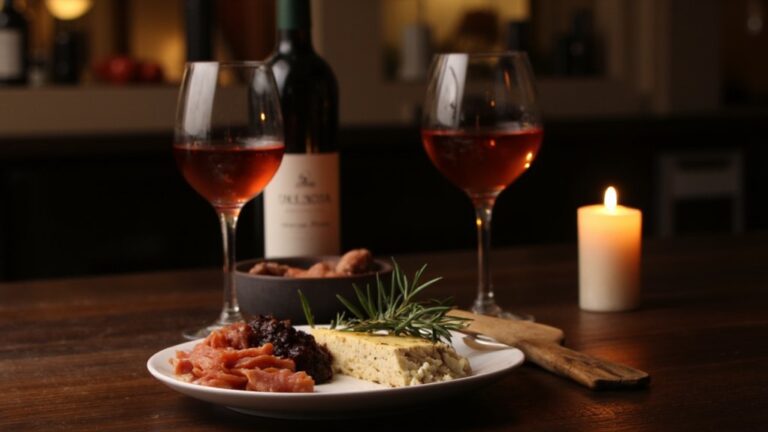
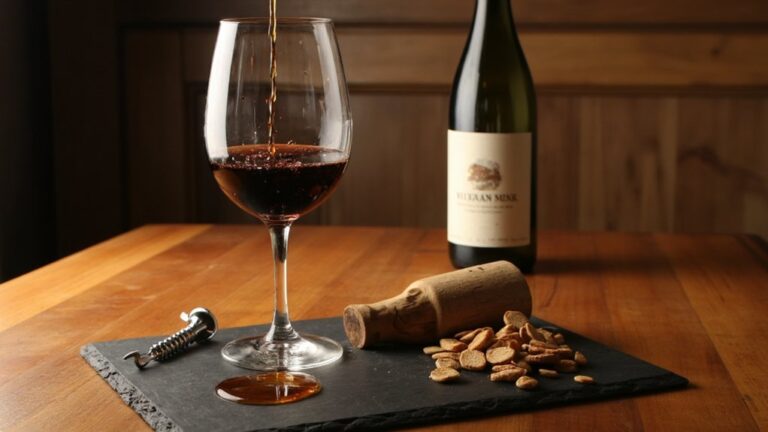
You've probably experienced that disappointing moment when your wine doesn't taste quite right, and chances are, temperature's the culprit. Like Goldilocks searching for the perfect porridge, every wine has its "just right" serving temperature that reveals its full potential. Whether you're a casual sipper or aspiring sommelier, mastering the art of wine temperature will transform your average bottle into a show-stopping pour that'll have your taste buds doing a happy dance.
Key Takeaways
- Light white wines serve best at 45-48°F, while full-bodied reds are optimal between 60-65°F for maximum flavor expression.
- Room temperature is typically too warm for red wines; a quick 30-minute refrigeration can achieve ideal serving temperature.
- Sparkling wines and champagne require 2-3 hours of chilling to reach their perfect serving temperature of 43-48°F.
- Fuller-bodied white wines like Chardonnay need slightly warmer temperatures (50-55°F) than lighter whites to showcase their complexity.
- Serving temperatures significantly impact wine enjoyment, with too-cold wines muting flavors and too-warm wines tasting overly alcoholic.
Why Temperature Matters in Wine Service
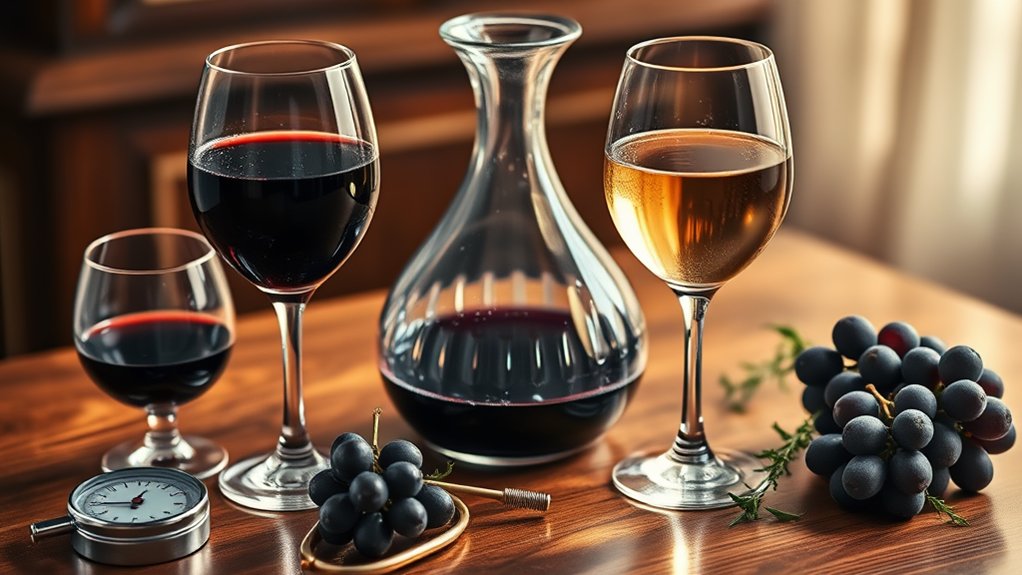
Just as you wouldn't serve ice cream straight from the freezer or hot chocolate at room temperature, wine needs to be served at its ideal temperature to truly shine. Think of temperature as your wine's mood thermostat – too cold, and it's giving you the silent treatment; too warm, and it's having a meltdown!
Temperature plays a significant role in wine flavor and aroma enhancement. When served too cold, a wine's subtle notes become muted, like trying to smell flowers through a frozen window. Too warm, and those delicate flavors turn into a chaotic party where alcohol takes center stage. The right temperature reveals your wine's personality, allowing its carefully crafted characteristics to dance on your palate. It's like Goldilocks finding that perfect bowl of porridge – when the temperature's just right, magic happens!
The Science Behind Wine Temperature
When you understand the molecular dance happening in your wine glass, temperature's starring role becomes crystal clear. The wine chemistry at play is fascinating – as temperatures rise, alcohol molecules become more energetic and volatile, releasing aromatic compounds into the air. You'll notice these changes immediately in both smell and taste.
Think of temperature effects like a wine's volume control. When it's too cold, you're fundamentally hitting the mute button on those beautiful flavors and aromas. Too warm, and you've cranked it up so high that alcohol dominates the show, making everything taste hot and unbalanced. It's a bit like Goldilocks – you're looking for that "just right" sweet spot where every molecule plays its part perfectly in the symphony of your sipping experience.
Optimal Temperature Ranges for White Wines

The art of serving white wines at their ideal temperature can make the difference between a good glass and an absolutely spectacular one. When it comes to best white wine temperatures, you'll want to keep things cool but not freezing cold. Light, crisp varieties like Pinot Grigio and Sauvignon Blanc shine at 45-48°F, where their invigorating acidity dances on your tongue. For fuller-bodied whites like Chardonnay, aim for 50-55°F to let those buttery notes really strut their stuff.
Following these serving guidelines is easier than memorizing your high school locker combination! Just remember: if it's too cold, you'll mute those lovely flavors, and if it's too warm, you'll end up with a flabby, less exciting wine. When in doubt, it's better to serve slightly cool and let the wine warm up naturally.

Perfect Serving Temperatures for Red Wines
Although many wine lovers believe red wines should be served at room temperature, you'll actually want them a bit cooler than that for the best experience. The temperature effects on red wine can dramatically impact its taste and aroma, so getting it right makes all the difference.
For full bodied reds like Cabernet Sauvignon and Malbec, aim for 60-65°F (that's about 30 minutes in the fridge). Light bodied reds, such as Pinot Noir and Beaujolais, shine best at slightly cooler temperatures, around 55-60°F. Pro tip: if your wine tastes a bit flat or alcoholic, it's probably too warm – pop those serving glasses in the fridge for a quick fix! Just remember, when in doubt, it's better to serve red wine a touch cool than too warm.
Rosé and Sparkling Wine Temperature Guidelines
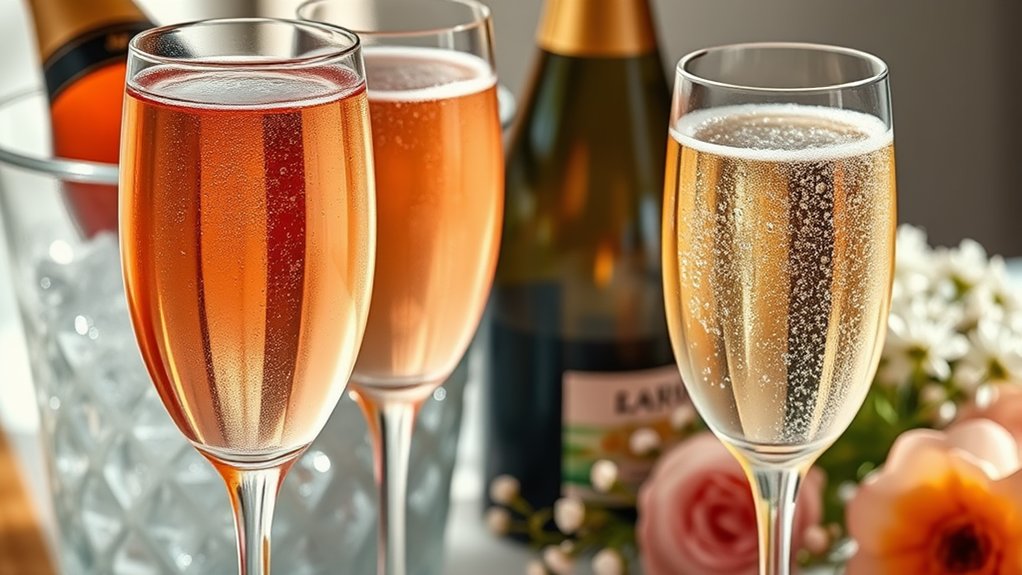
Serving rosé and sparkling wines at their ideal temperature can make the difference between a good glass and a spectacular one! When you're planning those sparkling occasions or thinking about perfect rosé pairings, temperature is your secret weapon for maximum enjoyment.
| Wine Type | Ideal Temp (°F) | Storage Time |
|---|---|---|
| Light Rosé | 46-50° | 1-2 hours |
| Full-Bodied Rosé | 50-54° | 45 minutes |
| Champagne/Sparkling | 43-48° | 2-3 hours |
You'll want to chill your bubbles and rosés more than you might think – warm sparkling wine is like flat soda at a party (yikes!). Pop that bottle in the fridge well before your guests arrive, and you'll be the host with the most perfectly chilled pours. Trust me, your taste buds will thank you! The ideal serving temperature helps preserve the carbon dioxide bubbles that are essential for the sparkling wine experience.
Common Temperature Mistakes to Avoid
While mastering wine temperatures might seem straightforward, many wine enthusiasts accidentally commit some cringe-worthy serving faux pas that can turn their prized bottles into missed opportunities. These temperature miscalculations can greatly impact your wine-drinking experience, but don't worry – they're easy to fix once you know what to watch for.
- Serving red wine at room temperature (yikes, that's way too warm in modern homes!)
- Keeping whites in the fridge for days (you're practically turning them into wine popsicles)
- Not giving wines enough time to adjust to their ideal serving temperature
- Over-chilling sparkling wines (you're muting all those lovely bubbles and flavors)
These common serving errors are like sending your wine to temperature timeout – but now you'll know better!
Essential Tools for Temperature Control
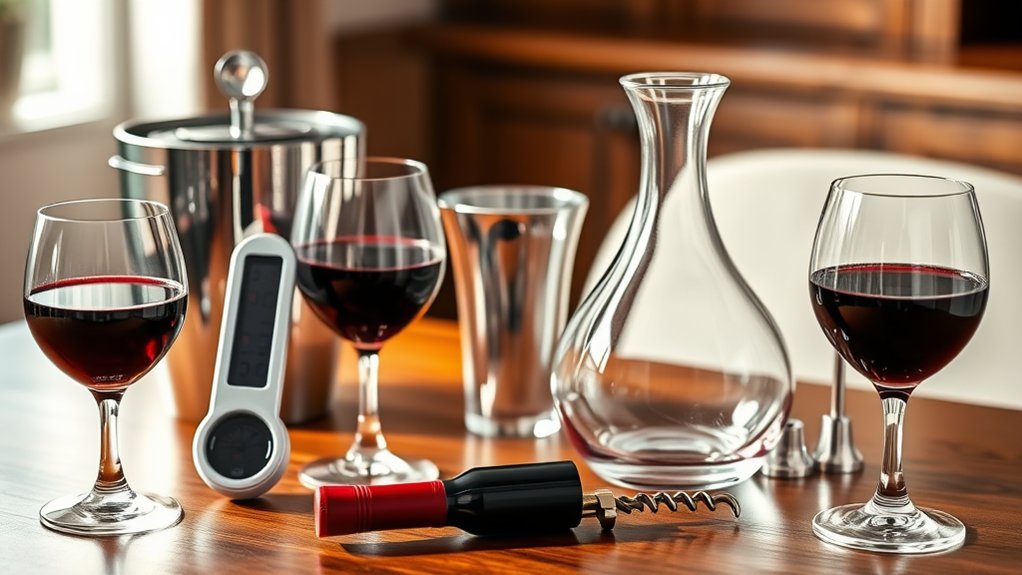
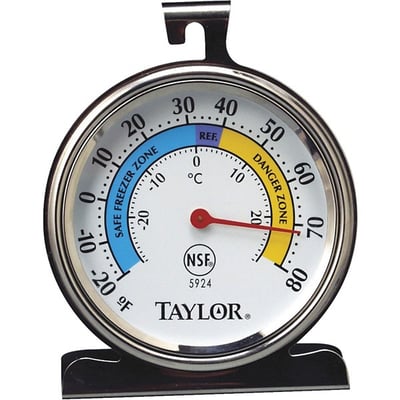
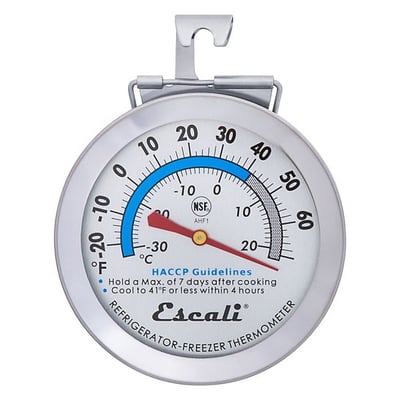
Getting your wine temperatures right doesn't need to be guesswork when you've got the proper tools at your disposal. From simple wine thermometers that clip onto your bottle to high-tech temperature control devices that'll make you feel like a sommelier-scientist, there's a gadget for every budget and expertise level.
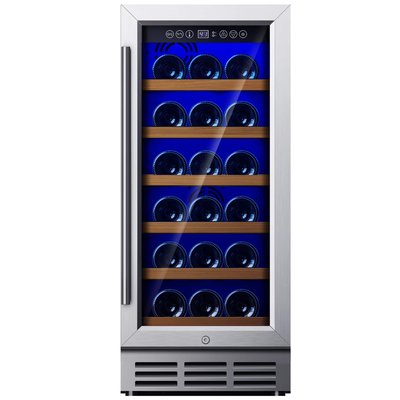
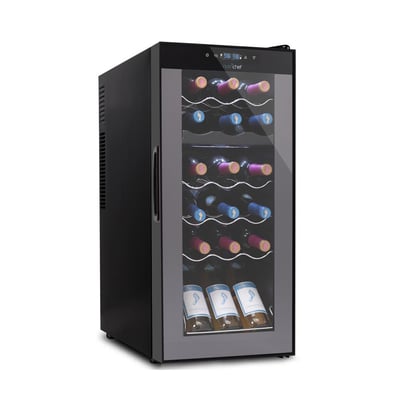
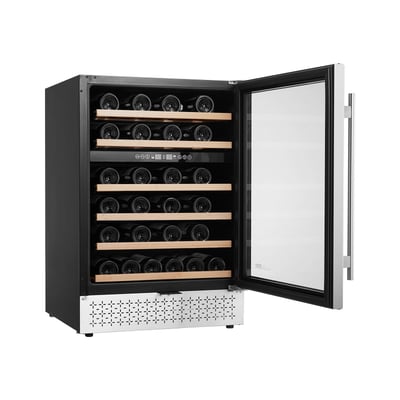
You'll want to start with a reliable digital wine thermometer, which gives you instant readings and takes the mystery out of serving temperatures. For the truly dedicated wine lover, consider investing in a wine refrigerator with multiple temperature zones – it's like having your own mini wine cellar! Don't forget about those handy sleeve chillers and bottle wraps, which are perfect for quick cool-downs when unexpected guests arrive with their favorite bottle in tow.
Quick Chilling and Warming Techniques
When your wine isn't quite at the perfect temperature, there's no need to panic! You've got several quick fixes at your disposal to get that bottle ready for serving in no time.
Here are the fastest ways to adjust your wine's temperature:
- For rapid chilling, wrap the bottle in a damp towel and place it in the freezer for 15 minutes
- Create an ice bucket solution with ice, water, and a handful of salt to speed up cooling
- To warm a too-cold bottle, place it in a basin of warm water for 5-10 minutes
- Use your hands to cup the bowl of the glass, gently warming too-cool wine
Maintaining the Right Temperature While Serving
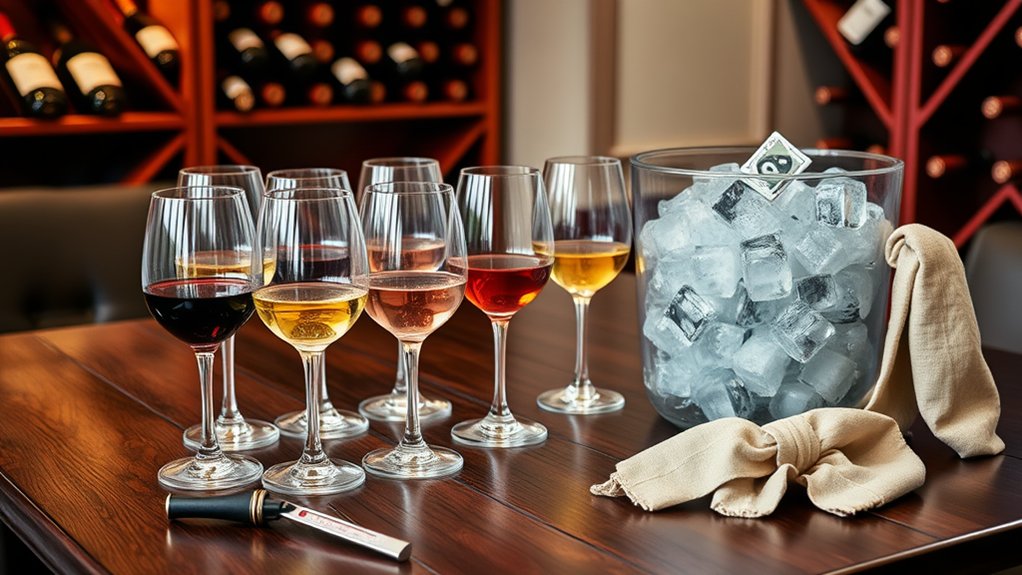
Now that you've got your wine at the perfect temperature, you'll want to keep it that way throughout your gathering! Your glassware selection plays an essential role – opt for stemmed glasses that let you hold the wine without warming it with your hands (unless that's exactly what your too-cold Burgundy needs).
Keep your wines at their ideal temperature by using smart serving techniques. Place white wine bottles in an ice bucket filled with ice and water, but don't forget to dry the bottle before pouring! For reds, avoid placing them near heat sources like windows or candles. Here's a fun trick: if you're serving multiple wines, arrange them from lightest to fullest body, which usually aligns with their ideal serving temperatures. Your guests will appreciate the thoughtful progression!
Frequently Asked Questions
Does Wine Temperature Affect How Many Calories I Consume?
Your wine's temperature won't affect its caloric intake. You'll get the same calories whether it's warm or cold – temperature effects only change how you perceive flavors and aromas.
Can Wine Temperature Changes Cause Headaches or Migraines?
Hit the nail on the head – your wine headaches might come from temperature changes. If you're dealing with temperature sensitivity, rapid shifts in wine temperature can trigger migraines or headaches.
How Does Altitude Affect the Ideal Serving Temperature of Wine?
You'll need to lower your ideal serving temperature at higher altitudes, as altitude effects cause wine to warm faster. Make temperature adjustments of roughly 1°F cooler for every 1,000 feet above sea level.
Do Wine Temperature Recommendations Vary Between Different Countries and Cultures?
You'll find wine traditions vary considerably across cultures. While Europeans often serve reds cooler than Americans do, Asian wine cultures may prefer their wines at warmer temperatures based on cultural preferences.
Can Serving Temperature Impact How Wine Pairs With Specific Foods?
You'll notice temperature greatly affects food pairing success. Warmer wines can overpower delicate dishes, while cooler serving temps enhance flavor enhancement with lighter foods, creating more balanced dining experiences.