Did you know that 90% of wine enthusiasts consider blue cheese one of the trickiest foods to pair with wine? You're about to discover why Port wine has earned its crown as the ultimate companion for those pungent, creamy bites of blue-veined heaven. Whether you're planning a fancy dinner party or just wanting to elevate your cheese board game, understanding the perfect wine pairings can transform your blue cheese experience from good to absolutely mind-blowing.
Key Takeaways
- Port wine is the classic and most recommended pairing, offering rich sweetness that perfectly balances blue cheese's sharp flavors.
- Sweet white wines like Sauternes and Riesling complement blue cheese by balancing its salty, tangy characteristics with honey notes.
- Full-bodied red wines such as Cabernet Sauvignon and Syrah can enhance blue cheese's savory qualities when properly balanced.
- Late harvest wines and ice wines provide concentrated sweetness that harmonizes with blue cheese's intense flavors.
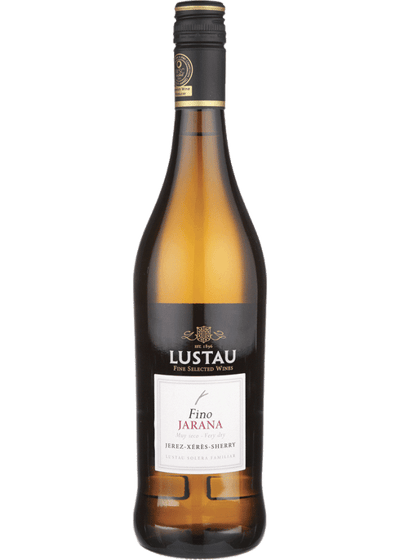
- Pedro Ximénez sherry pairs excellently with blue cheese, delivering intense fig flavors that match the cheese's bold character.


Understanding Blue Cheese Characteristics

Blue cheese, with its bold personality and distinctive aroma, stands as one of the most fascinating players in the cheese world. You'll discover flavor profiles ranging from mild and buttery to sharp and spicy, with that characteristic tang that'll make your taste buds do a happy dance. When you're exploring texture varieties, you'll find everything from creamy Danish blues to crumbly Roqueforts that practically melt on your tongue.
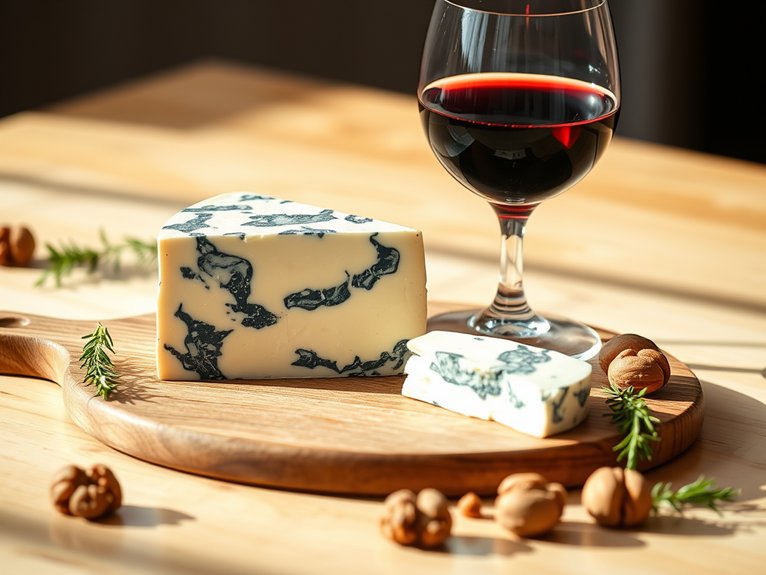
And let's talk about that infamous blue-green marbling – it's not just for show! Those beautiful veins are actually edible mold (don't worry, it's the good kind) that gives each variety its unique personality. Whether you're a cheese novice or a seasoned connoisseur, understanding these characteristics will help you appreciate why blue cheese is such a standout in the dairy department.
Port Wine: The Classic Companion
When it comes to finding the perfect wine companion for those bold blue-veined beauties, Port wine has earned its crown as the undisputed champion. You'll discover that this rich, fortified wine's flavor profile, with its intense sweetness and hints of dark fruit, creates a magnificent dance with the salty, pungent notes of blue cheese.
Whether you're sipping a vintage Port or a tawny variety, you're in for a treat that'll make your taste buds do the happy dance. The wine's silky texture and concentrated flavors stand up beautifully to the cheese's creamy intensity, while its sweetness tames those sharp, spicy notes that make blue cheese so distinctive. It's like they were made for each other – think Romeo and Juliet, minus the tragic ending and with more delicious results!
Sweet White Wines for Blue Cheese

Although Port wine might be the traditional star of blue cheese pairings, sweet white wines deserve their moment in the spotlight too. You'll find that the sweetness beautifully balances the salty, tangy notes of blue cheese, creating a delightful taste symphony on your palate.
When you're choosing sweet white wines for your cheese board, consider these flavor profiles that work magic with blue cheese:
- Sauternes from France, with its honey and apricot notes
- German Auslese Riesling, offering apple and mineral complexity
- Late-harvest Gewürztraminer, bringing lychee and rose petal aromas
- Ice wine, featuring intense concentrated sweetness
You'll notice these wines don't just complement the cheese – they transform your tasting experience into something extraordinary. The contrast between the wine's sweetness and the cheese's pungency creates pure gastronomic fireworks!

Bold Red Wine Pairings
For those who enjoy bold flavors, robust red wines can create spectacular matches with blue cheese, offering an intense interplay of rich, complex notes. You'll find that full bodied reds like Cabernet Sauvignon and Syrah bring out the cheese's savory character while adding their own layers of dark fruit and spice.
The key to success lies in the tannin balance of your chosen red wine. While blue cheese's creamy texture can soften strong tannins, you don't want them to overwhelm the pairing. Try an aged Bordeaux or a velvety Australian Shiraz – these wines have just enough structure to stand up to the cheese's intensity without turning the experience into a tongue-wrestling match (and trust us, the cheese usually wins those!).
Dessert Wine Options
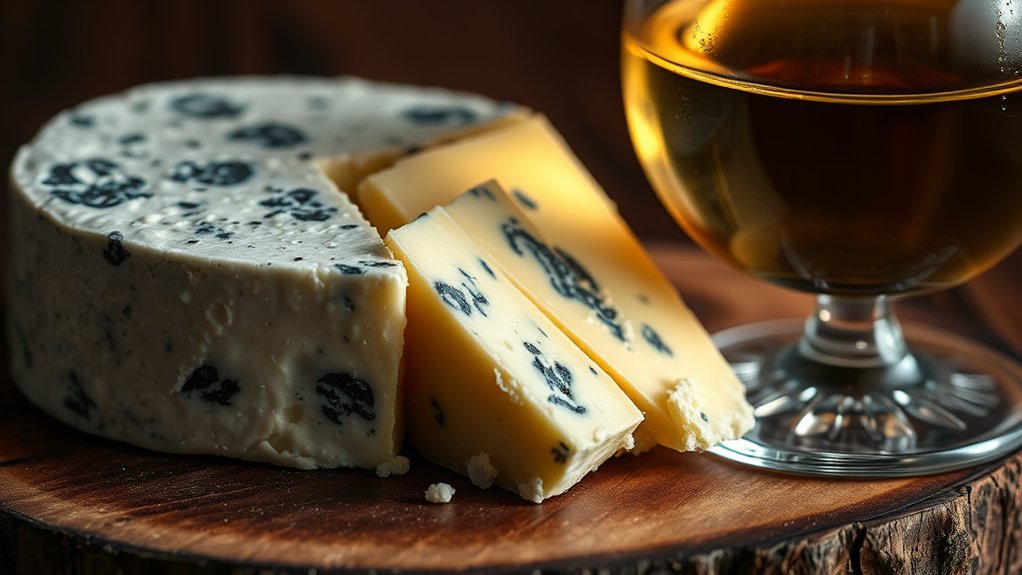
Sweet dessert wines offer a match made in culinary heaven when paired with pungent blue cheeses. When you're planning dessert pairings, you'll find that wine sweetness plays an essential role in balancing the bold, salty characteristics of blue cheese. The contrast creates an explosion of flavors that'll make your taste buds dance!
Here are some stellar dessert wine options to try with your favorite blue cheese:
- Port wine, with its rich, raisin-like sweetness
- Sauternes, offering honey and apricot notes
- Late harvest Riesling, bringing balanced acidity
- Pedro Ximénez sherry, delivering intense fig flavors
Don't be afraid to experiment with these combinations – you might just discover your new favorite guilty pleasure. Trust us, once you've tried these matches, you'll wonder how you ever enjoyed blue cheese any other way!
Regional Wine and Cheese Traditions
When exploring regional wine and cheese traditions, you'll discover that different cultures have perfected their own magical combinations over centuries of culinary experimentation. Each region's unique approach reflects its terroir and cultural heritage, creating pairings that'll make your taste buds dance.
Italian traditions often feature robust reds like Chianti with aged Gorgonzola, while French pairings showcase the timeless match of Roquefort with Sauternes. You'll find that Northern Europeans love their Port with Danish blue, creating a delightfully decadent experience that'll warm you up on chilly evenings. In Spain, you might encounter the surprising combo of sherry with Cabrales, proving that sometimes the most unexpected matches can spark pure joy. These time-tested regional pairings aren't just delicious – they're living history in your glass and on your plate!
Tips for Serving Temperature and Timing
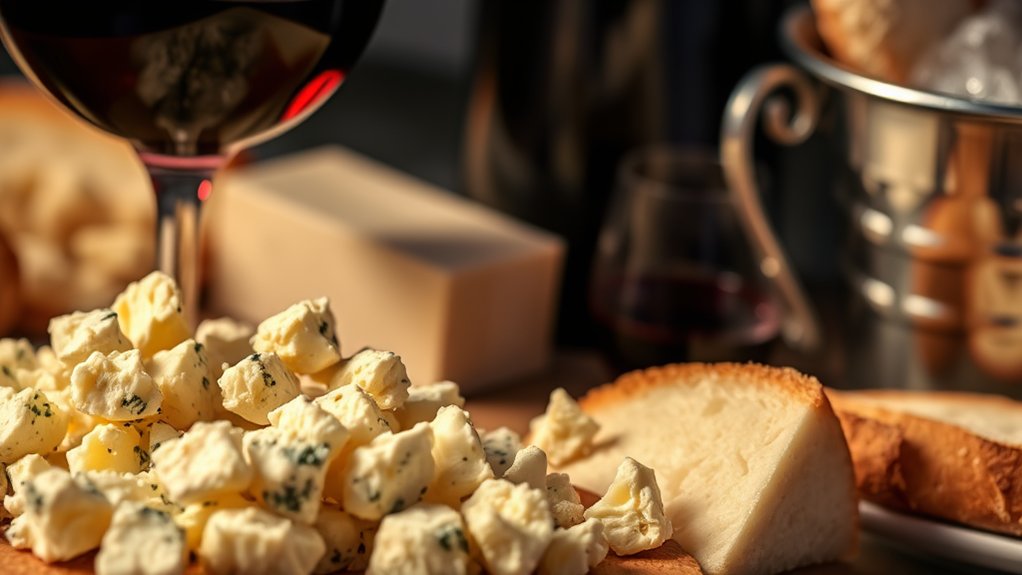
The perfect temperature and timing can transform your wine and blue cheese pairing from good to absolutely mind-blowing! When it comes to serving temperature, you'll want to be strategic about when you pull both items from your fridge. Remember, temperature impacts the flavors and aromas of both wine and cheese dramatically.
Here are your essential timing considerations for the perfect tasting experience:
- Remove blue cheese 1-2 hours before serving to reach 55-65°F
- Serve red wines at 60-65°F, pulling them out 30 minutes ahead
- Chill white wines to 45-50°F, but not colder
- Present port wines slightly cool at 60°F for ideal enjoyment
Don't rush the process – letting your wine and cheese reach their ideal temperatures will help release their full flavor potential!
Hosting a Blue Cheese Wine Tasting
Hosting a wine and blue cheese tasting party isn't just an excuse to indulge – it's your chance to become the neighborhood's resident food-and-wine guru! Set up your tasting stations with different blue cheese varieties, from mild Gorgonzola to punchy Roquefort, and match them with your wine selections.
Create simple tasting notes cards where your guests can jot down their flavor profiles and favorite pairings. You'll be amazed at how everyone's palates differ! For extra fun, try a blind tasting where you cover the wine labels – you might discover that your friend who "only drinks reds" actually loves that sweet white port. Remember to provide palate cleansers like water crackers and grapes between tastings, unless you want your guests confusing their Stilton with their Maytag Blue!
Frequently Asked Questions
How Long Can Blue Cheese and Opened Wine Last When Stored Together?
You shouldn't store opened wine and blue cheese together. For best flavor preservation, keep wine refrigerated for 3-5 days, while your blue cheese's storage tips suggest refrigeration for 3-4 weeks separately.
Can Pregnant Women Eat Blue Cheese With Non-Alcoholic Wine Alternatives?
Like sending a telegram to your doctor, you shouldn't eat unpasteurized blue cheese during pregnancy. However, you can enjoy pasteurized varieties with non-alcoholic wine alternatives for a safe, sophisticated experience.
Which Wine Glasses Are Best for Serving Different Wines With Blue Cheese?
You'll want red wine glasses with large bowls for fuller-bodied wines, while smaller white wine glasses work well for lighter pairings. Both styles let you fully experience the wine's aromas.
Does Blue Cheese Affect the Alcohol Content or Taste of Certain Wines?
While blue cheese won't change wine's alcohol content, it'll intensify your wine's tannins and can make dry wines taste bitter, so you'll want to focus on sweeter wine pairings.
What Cheese Alternatives Work Well for Lactose-Intolerant People Enjoying Wine Pairings?
You'll find great wine pairings with lactose-free cheeses like aged cheddar or gouda, while vegan cheese options made from cashews or almonds offer creamy alternatives for your tasting experience.