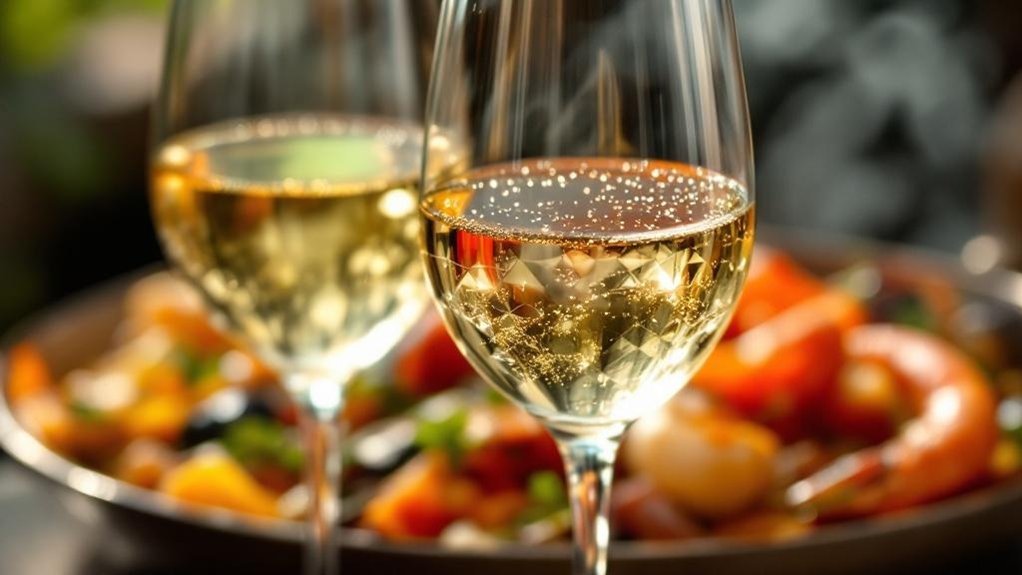
For bouillabaisse, you can’t go wrong with a crisp Provençal rosé—it’s the classic choice that locals swear by! The wine’s strawberry notes and invigorating acidity perfectly balance the stew’s rich saffron and seafood flavors. If you’re feeling adventurous, try a mineral-forward Muscadet or even a chilled light Pinot Noir. Just make sure whatever you choose has enough zip to cut through that delicous tomato-y richness. Plenty more surprises await in your glass!
Key Takeaways
- Provence rosés offer the most authentic regional pairing with strawberry notes that complement the seafood stew’s Mediterranean flavors.
- Crisp white wines like Muscadet, Vermentino, or Alsatian Riesling enhance delicate seafood flavors with their mineral notes and acidity.
- Light-bodied red wines such as Pinot Noir or Beaujolais can work surprisingly well when served slightly chilled.
- Match your wine to the dominant flavor profiles in your bouillabaisse—saffron, fennel, tomato or spice level.
- Wine with balanced acidity cuts through the richness while complementing the aromatic herbs and spices in bouillabaisse.


Understanding Bouillabaisse: A Brief History and Flavor Profile
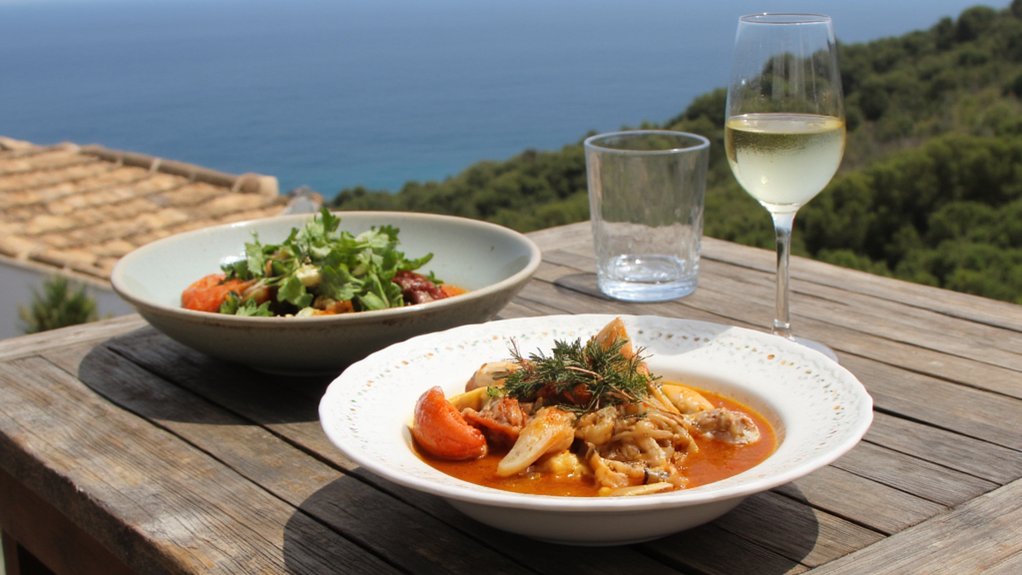
Although Bouillabaisse may sound fancy and intimidating, it’s actually a dish with humble beginnings that you’ll absolutely fall in love with. This hearty fish stew originated in Marseille, France, where local fishermen would use their unsold catch to create a delicious pot of goodness at the end of the day. Talk about making lemonade from lemons—or rather, soup from fish!
The magic of this Provencal cuisine classic lies in its Mediterranean flavors: saffron, orange zest, fennel, and a variety of fresh seafood swimming in a tomato-based broth. You’ll notice the distinct aroma of garlic and herbs that’ll transport you straight to a seaside cafe in southern France. Each spoonful delivers a complex symphony of tastes that’s somehow both rustic and sophisticated at the same time. The right wine can enhance the flavors of bouillabaisse, bridging the gap between different taste profiles, making it a perfect pairing for unique fermentation processes that contribute to delightful bubbles and flavor profiles.
Rosé Wines From Provence: the Classic Regional Pairing
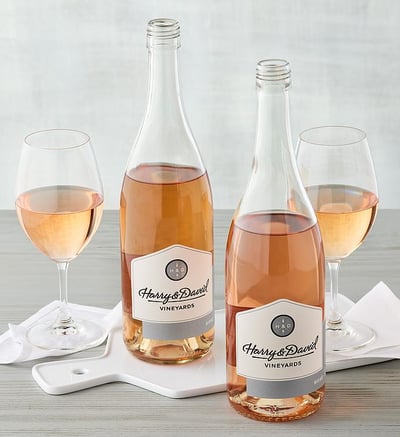
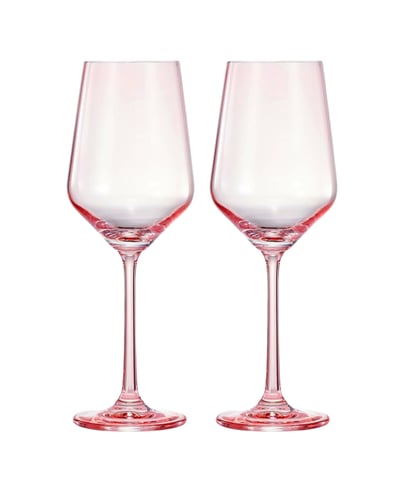
When it comes to pairing wine with bouillabaisse, you’d be hard-pressed to find a more perfect match than a crisp rosé from Provence. The region’s signature pale pink wines, with their delicate fruit flavors and invigorating acidity, cut through the richness of the saffron-infused broth perfectly. Many vineyards in Provence now follow sustainable wine practices, giving you a guilt-free indulgence with your seafood feast. Additionally, these rosés are made using the direct press method, which allows for the preservation of their unique flavor and color profiles.
- Look for Bandol or Cassis appellations for the most authentic pairings
- Serve at 50-55°F, slightly cooler than room temp but not ice-cold
- The salmon-pink hue complements the golden colors of the stew beautifully
- Store unopened bottles away from light to preserve their vibrant flavors
- Expect notes of strawberry, citrus, and herbs that echo the dish’s flavors
White Wine Options That Complement Seafood Stews
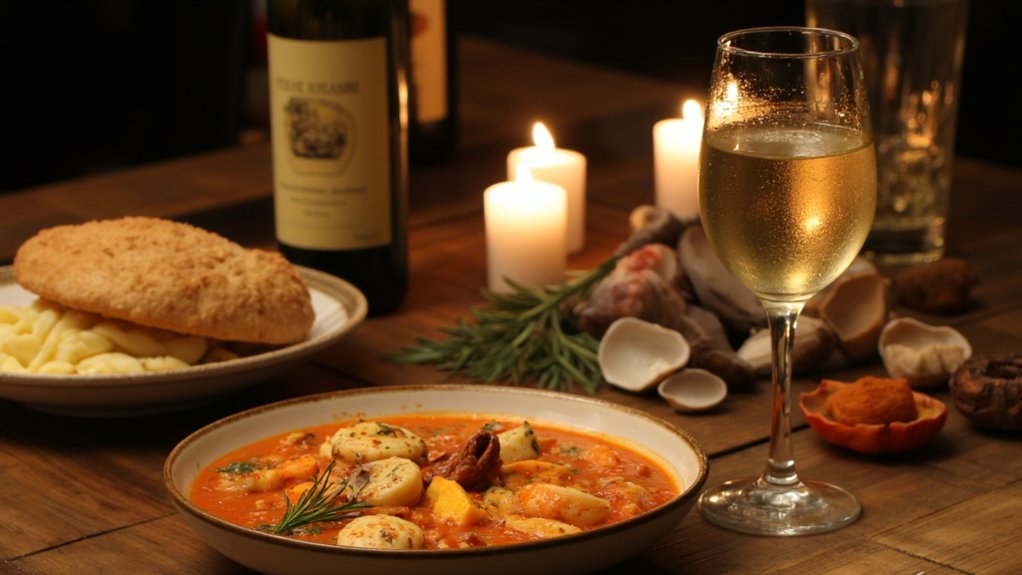
While rosé wines offer a classic pairing for bouillabaisse, don’t overlook the stunning array of white wines that’ll take your seafood stew to new heights! A crisp Muscadet from Loire Valley, with its mineral notes and lemony finish, provides perfect seafood flavor enhancement without overwhelming the delicate broth.
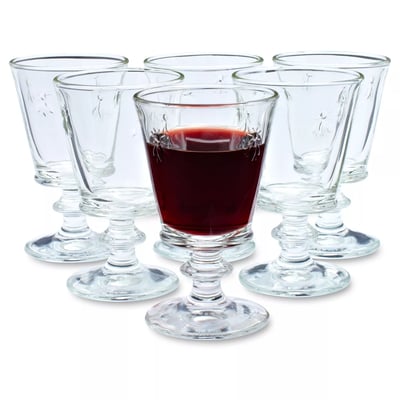
For something with a bit more body, you might try a Vermentino from Sardinia or a dry Alsatian Riesling, both offering wine acidity balance that’ll cut through the richness of the stew. Spanish Albarino is another excellent choice, bringing citrus and saline qualities that mirror the ocean’s essence. Additionally, crisp acidity in white wines enhances the overall flavor profile of seafood dishes, making them a delightful match for bouillabaisse.

Beyond the Expected: Red Wines That Surprisingly Work
Despite what conventional wisdom might tell you, red wines can be spectacular companions to your bouillabaisse if you’re willing to break the rules a little! The key lies in choosing reds that don’t overpower the delicate seafood flavors but instead enhance the rich, tomato-based broth. Unconventional pairings often yield the most delightful surprises at your dinner table.
- Light-bodied Pinot Noir, especially from cooler regions like Oregon or Burgundy
- Beaujolais with its fruity, low-tannin profile that won’t clash with the seafood
- Chilled Grenache that brings spice notes complementing the saffron
- Italian Barbera with bright acidity that cuts through the richness
- Spanish Mencia for its herbal qualities that echo the herbs in your stew
Additionally, the right wine pairing can elevate the dish by balancing flavors, much like how Sauvignon Blanc’s bright acidity complements feta’s tangy, salty characteristics.
Red wine versatility is vastly underrated when it comes to seafood dishes!
Pairing Principles: How to Match Wine With Your Specific Bouillabaisse Recipe
Now that we’ve explored some unexpected red wine options, let’s get down to the nitty-gritty of pairing principles!
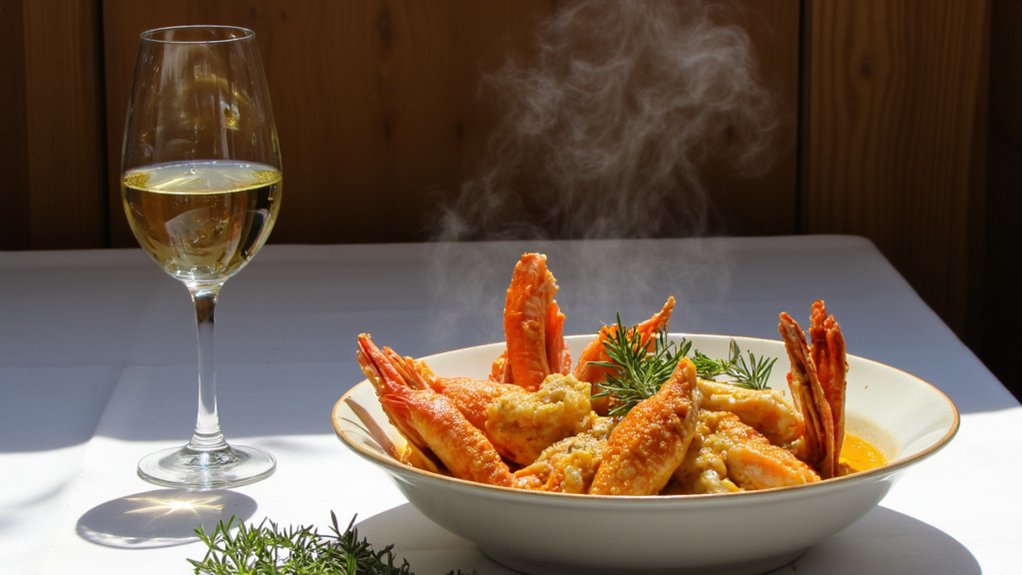
Your bouillabaisse’s flavor profile should guide your wine choice, simple as that. If your recipe leans heavily on saffron and fennel, you’ll want a wine with enough acidity to cut through those aromatic spices. Think about the spice balance in your dish – a fiery rouille might call for something with a touch of sweetness to cool things down! For tomato-forward versions, higher wine acidity helps complement rather than clash with the tanginess. Additionally, serving your wine at optimal temperature ranges will enhance its flavor and aroma, making it an essential consideration for your pairing.
Frequently Asked Questions
Can I Use Boxed or Canned Wine for Bouillabaisse Pairing?
Yes, you can use boxed wine or canned wine for bouillabaisse. While not traditional, they’re convenient options if you choose quality varieties with crisp acidity and mineral notes.
How Far in Advance Should I Open Wine Before Serving Bouillabaisse?
For ideal wine aeration, open your bottle 30-60 minutes before serving bouillabaisse. You’ll want whites opened closer to serving time, while reds benefit from longer breathing time.


Are Non-Alcoholic Alternatives Available That Complement Bouillabaisse Flavors?
You’ll enjoy non-alcoholic wines like Chardonnay or Sauvignon Blanc alternatives with bouillabaisse. Virgin cocktail options featuring citrus and herbs also complement the dish’s Mediterranean flavors beautifully.
What Wine Glasses Are Best for Serving With Seafood Stew?
For seafood stew, you’ll want elegant stemware with wide mouthed glasses that enhance aromas. They’ll provide enough space for swirling while maintaining temperature and capturing complex seafood fragrances properly.
How Much Wine Should I Budget per Person for a Bouillabaisse Dinner?
For your wine budget, plan for at least half a bottle per person. That’s roughly 2-3 glasses each, which should comfortably accompany your bouillabaisse from start to finish.