Did you know that 73% of fine dining establishments recommend Cabernet Sauvignon as their top wine pairing for prime rib? You'll find this classic combination isn't just a happy accident – there's actually some fascinating science behind why certain wines make your prime rib taste even better. Whether you're hosting a dinner party or treating yourself to a special meal, choosing the right wine can transform your prime rib from merely delicious to absolutely unforgettable.
Key Takeaways
- Cabernet Sauvignon is the ultimate prime rib pairing, offering bold tannins and rich fruit flavors that complement the meat's robust profile.
- Full-bodied Bordeaux blends provide complex flavors of dark fruits and tobacco, perfectly matching prime rib's rich, beefy taste.
- Argentinian Malbec delivers intense black fruit and chocolate notes, with natural acidity that cuts through prime rib's richness.
- Italian reds like Sangiovese and Barbera offer earthy notes and firm tannins that enhance the meat's savory characteristics.
- Rich, oaked Chardonnay presents a non-red alternative, with buttery notes that complement the meat's marbling and flavor profile.
Understanding Prime Rib's Flavor Profile
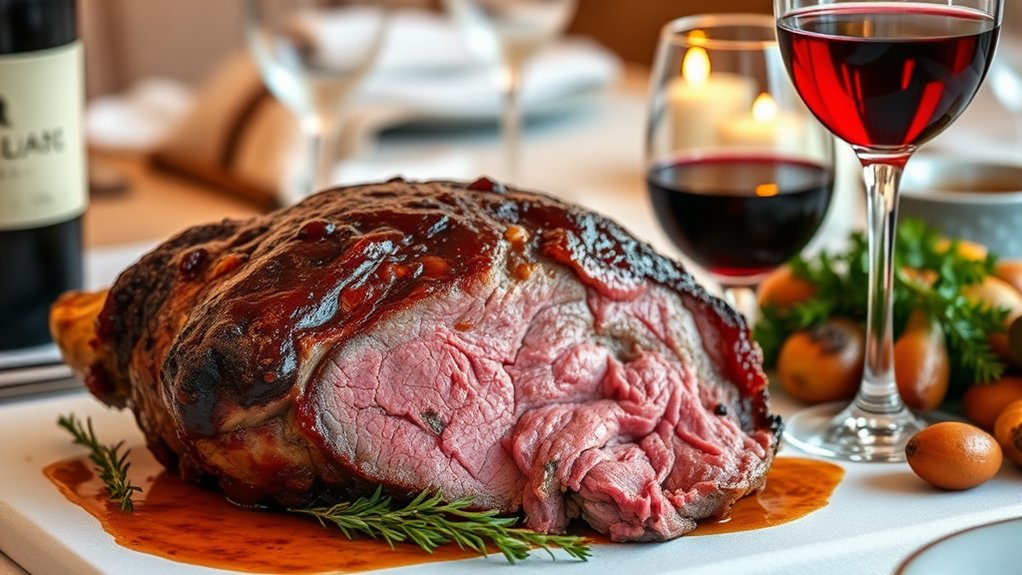
When you're preparing to serve a magnificent prime rib, understanding its rich flavor profile is absolutely vital for finding the perfect wine pairing. The star of any special dinner, prime rib delivers a robust, beefy taste that's wonderfully marbled with fat, creating an explosion of savory goodness in every bite. You'll notice the prime rib seasoning plays a vital role, typically featuring garlic, herbs, and pepper that add layers of aromatic complexity. The meat's natural umami combines with rendered fat for flavor enhancement that's simply irresistible – it's like a steakhouse symphony in your mouth! Don't forget about that coveted outer crust, which adds a delightful textural contrast and concentrates those amazing seasonings into a caramelized masterpiece. The ideal wine to complement this dish is often a full-bodied red, such as Cabernet Sauvignon, known for its ability to match the richness of the meat.
Classic Cabernet Sauvignon Pairings
The classic Cabernet Sauvignon stands as prime rib's most celebrated wine companion, and it's not hard to see why. With its bold tannins and rich fruit flavors, this wine's classic cabernet characteristics create a match made in culinary heaven for your perfectly cooked prime rib. Proper tasting techniques can enhance your enjoyment of this exquisite pairing.
| Region | Flavor Profile | Price Range |
|---|---|---|
| Napa Valley | Black Cherry, Tobacco | $50-100 |
| Bordeaux | Blackberry, Cedar | $40-80 |
| Tuscany | Plum, Leather | $30-70 |
| Washington | Cassis, Vanilla | $25-60 |
You'll find that cabernet food pairings work best when you're serving a wine that's been aged at least 5-7 years, letting those gorgeous tannins soften just enough to complement, not overpower, your prime rib's rich marbling. Trust us, your taste buds will thank you for this classic pairing!
Bold Bordeaux Blends Worth Exploring
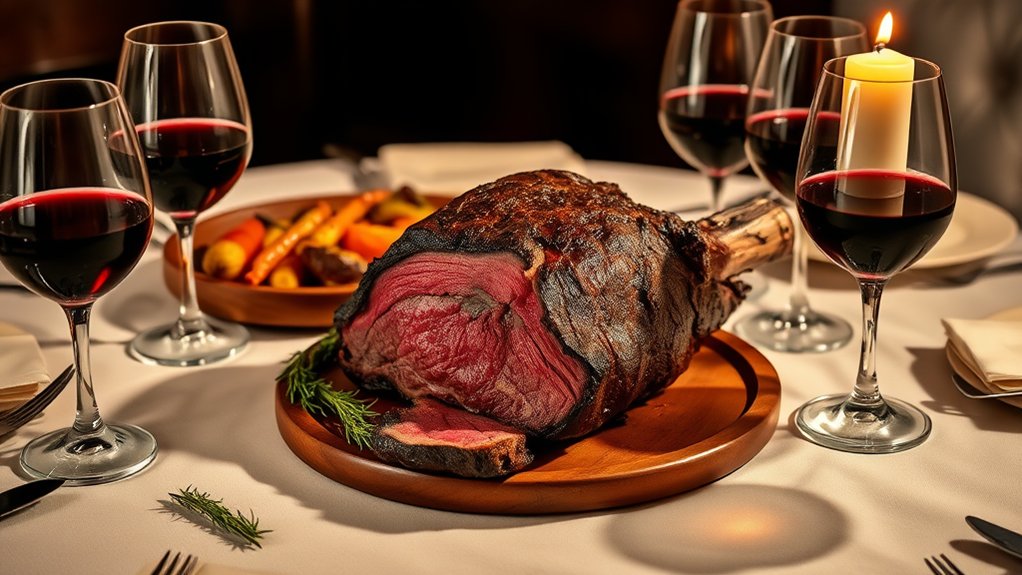
Sophisticated wine enthusiasts know that Bordeaux blends offer an exciting alternative to single-varietal Cabernets, bringing layers of complexity that'll dance beautifully with your prime rib. These unique blends typically feature a masterful mix of Cabernet Sauvignon, Merlot, and sometimes Cabernet Franc, creating a symphony of flavors that'll make your taste buds do the happy dance.
When you're exploring Bordeaux characteristics, look for wines that showcase rich dark fruits, tobacco, and that lovely hint of earthiness – it's like Mother Nature's giving your prime rib a big, warm hug. You'll find fantastic options from both the Left and Right Banks of Bordeaux, each bringing its own personality to your plate. Trust me, once you go Bordeaux, you might never want to go back!
Malbec: The Argentinian Match
Moving across the Atlantic from Bordeaux, Argentina's mighty Malbec has earned its spot as a prime rib's perfect dance partner. You'll find that the unique Argentinian terroir, with its high-altitude vineyards and intense sunlight, creates Malbec characteristics that'll make your taste buds tango – think bold black fruit, velvety chocolate notes, and a punch of spice that'll high-five your prime rib's rich flavors.
When you're shopping for the right bottle, look for Malbecs from Mendoza's prime growing regions. These ruby-red beauties pack enough structure to stand up to your meat's marbling, while their natural acidity cuts through the richness like a well-sharpened steak knife. Trust us, this pairing's so good, it might just steal the spotlight from your carefully crafted prime rib!
California Red Wine Selections
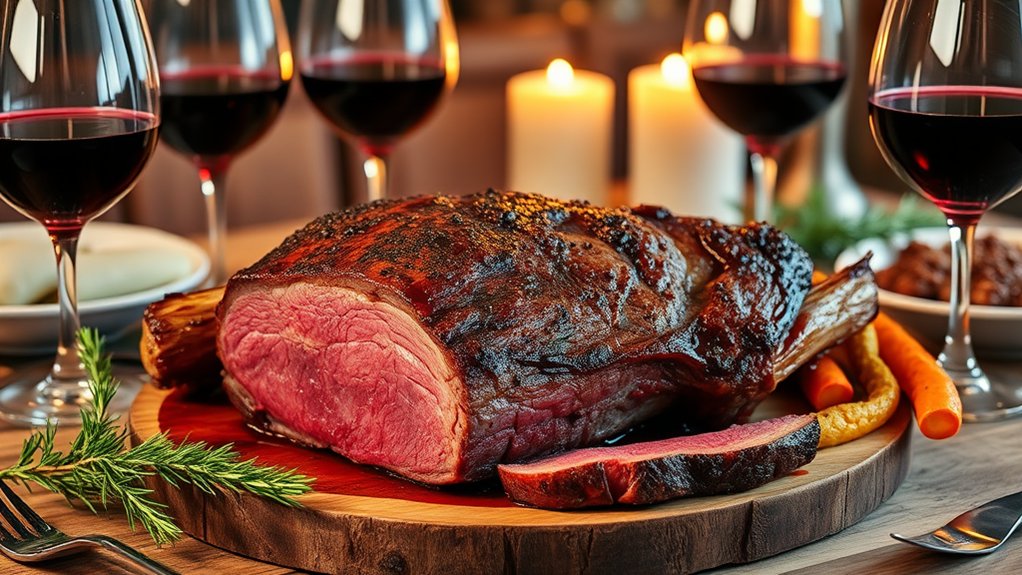
Renowned for its sun-drenched vineyards and innovative winemaking, California offers prime rib enthusiasts a treasure trove of red wine options that'll make your mouth water. You'll find robust Cabernet Sauvignons from Napa Valley varietals that dance perfectly with the rich, marbled meat of your prime rib.
Don't limit yourself to just one region though – California wine regions like Sonoma, Paso Robles, and Santa Barbara each bring their own personality to the table. Try a velvety Meritage blend from Sonoma that'll have you wondering if you've died and gone to wine heaven, or grab a bold Zinfandel from Paso Robles that packs enough punch to stand up to even the heartiest cut of beef. These Golden State gems prove that you don't need to cross an ocean for world-class wine pairings.
Italian Reds That Complement Prime Rib
When you're seeking the perfect Italian red to accompany your prime rib, you'll discover that Italy's wine regions offer an abundance of bold, structured wines that'll make your meal truly memorable. Start with a robust Sangiovese pairing, particularly from Tuscany's renowned vineyards, where the wine's earthy notes and firm tannins embrace the meat's rich flavors like a warm Italian hug. You'll love how the bright acidity cuts through the prime rib's marbling.
Don't overlook the Barbera benefits, especially from Piedmont. This crowd-pleasing red brings a delightful mix of dark fruit and spice, with just enough acidity to keep your palate dancing between bites. Trust me, your taste buds will thank you for this delicious Italian connection!
Serving Temperature and Wine Decanting Tips
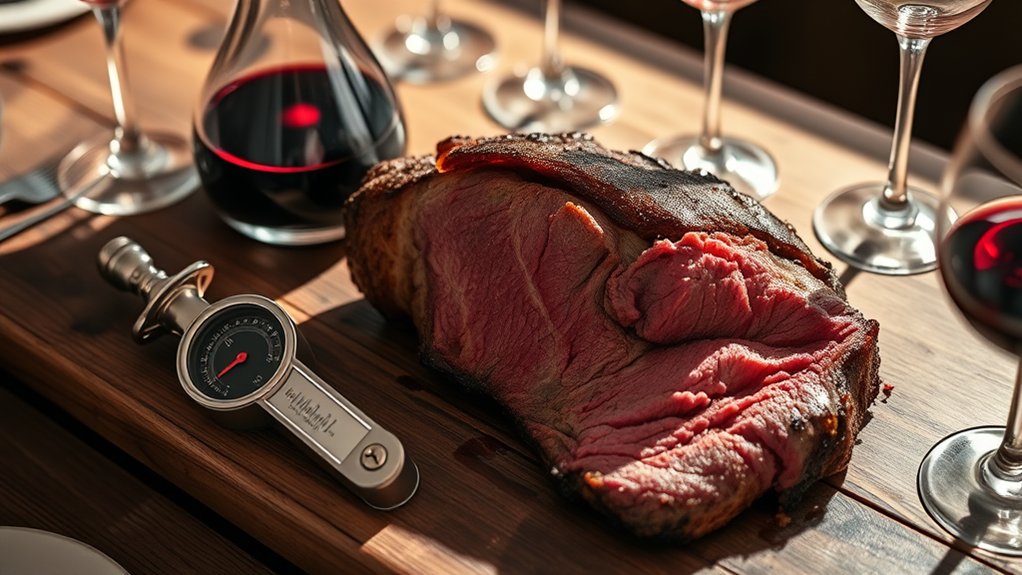
The proper serving temperature and decanting technique can make those Italian reds shine even brighter with your prime rib. For bold reds like Barolo or Brunello, you'll want to serve them at the ideal temperature of 60-65°F (16-18°C) – not too warm, not too chilly, just perfect for releasing those amazing aromas.
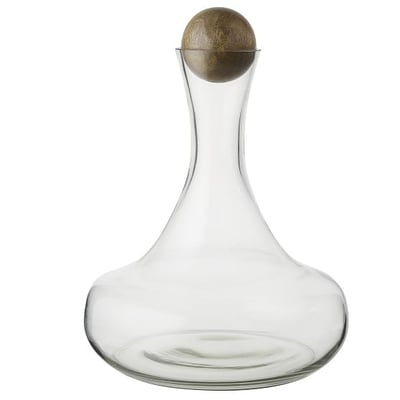
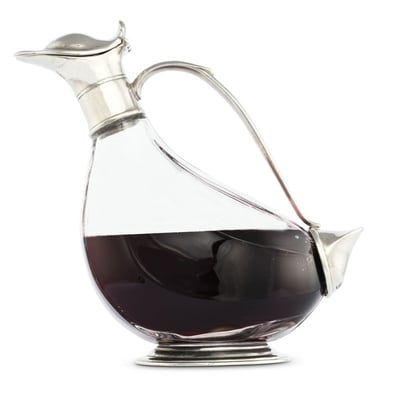
When it comes to decanting techniques, don't be intimidated! Simply pour your wine into a decanter about 30-45 minutes before dinner. If you're in a pinch and don't have a decanter, here's a fun trick: use a clean water pitcher! The key is letting those bigger reds breathe, which softens any harsh tannins and lets the wine's personality really come through. Trust me, your prime rib will thank you for the extra effort.
Regional Wine Recommendations by Price Point
Selecting spectacular wines for prime rib doesn't require emptying your savings account, as fantastic options exist across every price range and region. You'll find budget options like Spanish Tempranillo at $15-25 that'll make your taste buds dance, while California Cabernet Sauvignon in the $30-50 range offers bold, structured flavors that complement the meat beautifully.
For those ready to splurge, classic Bordeaux from France ($75-150) delivers the kind of complexity that'll have your dinner guests swooning. Love exploring regional varietals? Try an Argentine Malbec ($20-40) – it's like getting a first-class ticket to flavor town without the premium price tag! And if you're feeling adventurous, Australian Shiraz ($25-60) brings a peppery punch that'll make your prime rib sing.
Seasoning Influences on Wine Selection
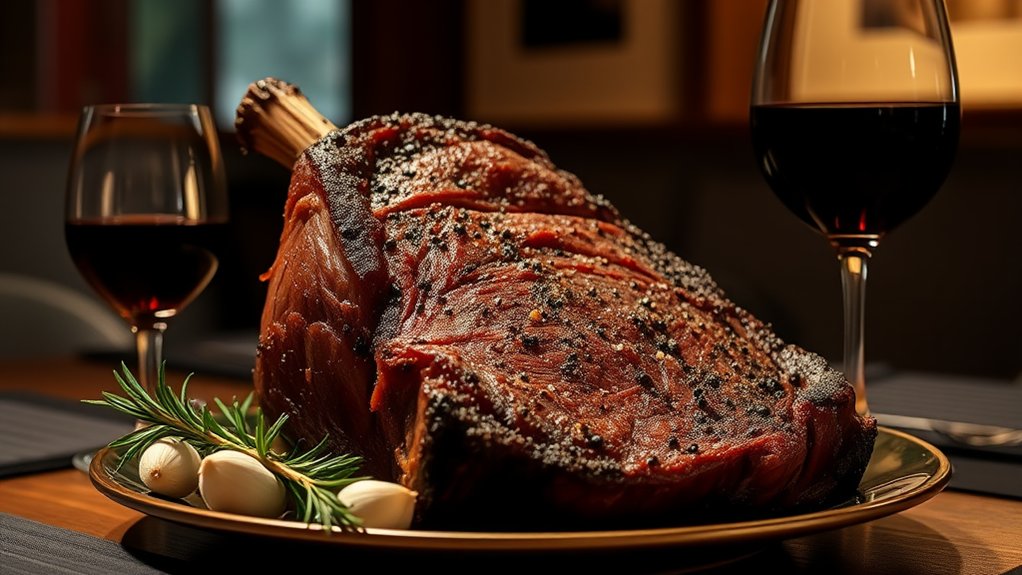
Seasoning choices for your prime rib can dramatically shift your wine pairing strategy, turning what seems like a straightforward selection into an exciting flavor adventure. If you've gone bold with black pepper and garlic, you'll want to contemplate a spicier Syrah or Zinfandel that can stand up to that robust seasoning impact. For herb-crusted prime rib, particularly with rosemary and thyme, you'll find a medium-bodied Cabernet Franc or Merlot complements the earthier spice profile beautifully.
And here's a fun tip: if you're using Montreal steak seasoning (you rebel, you!), grab a peppery Australian Shiraz – it's like they were made for each other! Remember, the more intense your seasonings, the more full-bodied your wine should be.
Alternative Wine Choices for Non-Red Drinkers
While red wines traditionally steal the spotlight with prime rib, non-red wine enthusiasts shouldn't feel left out of this culinary celebration. You've got plenty of exciting white wine alternatives and sparkling wine options that'll make your taste buds dance with joy.
For those seeking something different, consider these fantastic non-red pairings:
- A rich, oaked Chardonnay brings buttery notes that complement the meat's marbling while adding a revitalizing contrast.
- A crisp, elegant Champagne or sparkling wine cuts through the richness with delightful bubbles and bright acidity.
- A full-bodied Viognier offers aromatic peach and honeysuckle notes that create an unexpected but delicious harmony.
In fact, the lively bubbles of sparkling wine can enhance the overall dining experience by adding a refreshing element to the meal. Don't let anyone tell you that white wines can't handle prime rib – these alternatives prove that breaking tradition can lead to amazing discoveries!
Frequently Asked Questions
How Long Can I Store an Opened Bottle of Wine With Prime Rib?
You'll want to consume your opened wine within 3-5 days for best quality. Store it in the fridge with a wine stopper, as the wine's shelf life decreases quickly after opening.
Can I Use Cooking Wine Instead of Regular Wine for Prime Rib?
While cooking wine is convenient, you'll get better results with regular wine. Cooking wine's inferior quality and harsh flavor profiles can negatively impact your prime rib's taste. Use drinkable wine instead.
Should I Serve Different Wines for Different Prime Rib Cooking Temperatures?
You'll want to match wine temperature and flavor profiles to your preferred doneness. Rare meat pairs well with bold reds, while medium-well benefits from lighter-bodied wines that won't overwhelm the cooked flavors.
How Many Bottles of Wine Should I Buy for Twelve Prime Rib Dinner Guests?
Since guests typically drink 2-3 glasses each at dinner, you'll want 4-5 bottles for your twelve guests. Consider wine quantity based on your guests' preferences and drinking habits.
What Wine Glasses Are Best Suited for Serving Red Wine With Prime Rib?
You'll want large crystal glassware with broad bowls and tapered rims that let your red wine breathe. These red wine glasses enhance aromas and help develop complex flavors.