You’ll want an acidic white that cuts through that tangy dressing without overpowering your veggies. Sauvignon Blanc’s your best bet—crisp, grassy, and light enough to let those fresh flavors shine. Pinot Grigio works great if you’re watching your wallet, while Albariño brings a briny coastal vibe that enhances everything. The key’s matching the wine to whatever ingredient’s dominating your bowl, whether that’s leafy greens or roasted veggies. Stick around to discover how to nail the perfect pairing for your specific salad combo.
Key Takeaways
- Acidic white wines like Sauvignon Blanc cut through vinaigrette while complementing quinoa’s subtle, nutty earthiness.
- Pinot Grigio offers an affordable, versatile option with crisp acidity that enhances fresh vegetables without overpowering.
- Albariño’s maritime minerality and citrus notes brighten vegetable-heavy bowls while maintaining delicate flavor balance.
- Match wine selection to dominant salad ingredients: leafy greens need lighter wines; roasted vegetables pair with fuller-bodied options.
- Serve acidic whites chilled at 45–50°F in standard white wine glasses to preserve delicate flavors effectively.

What Makes Quinoa Salad Tricky to Pair?
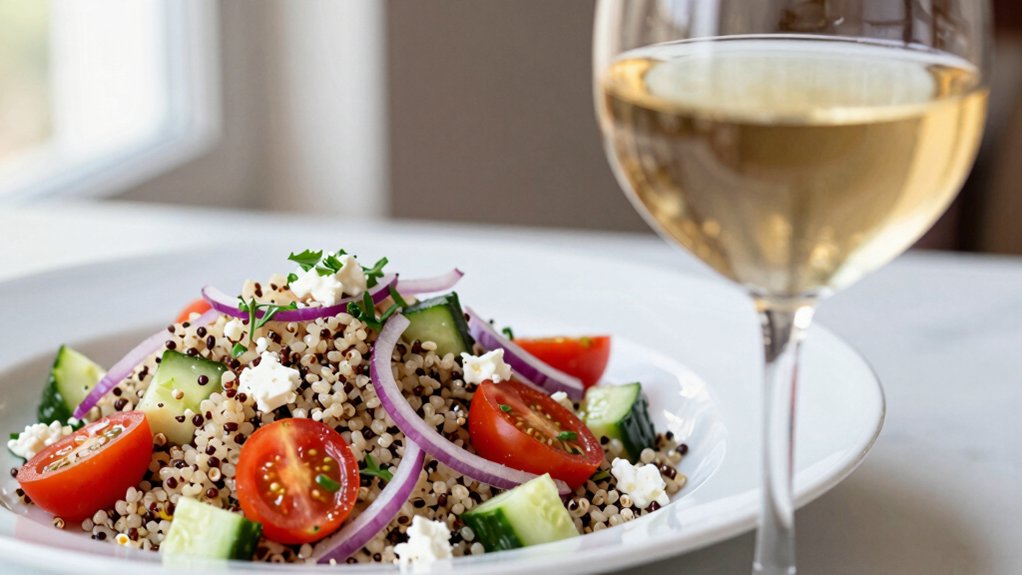
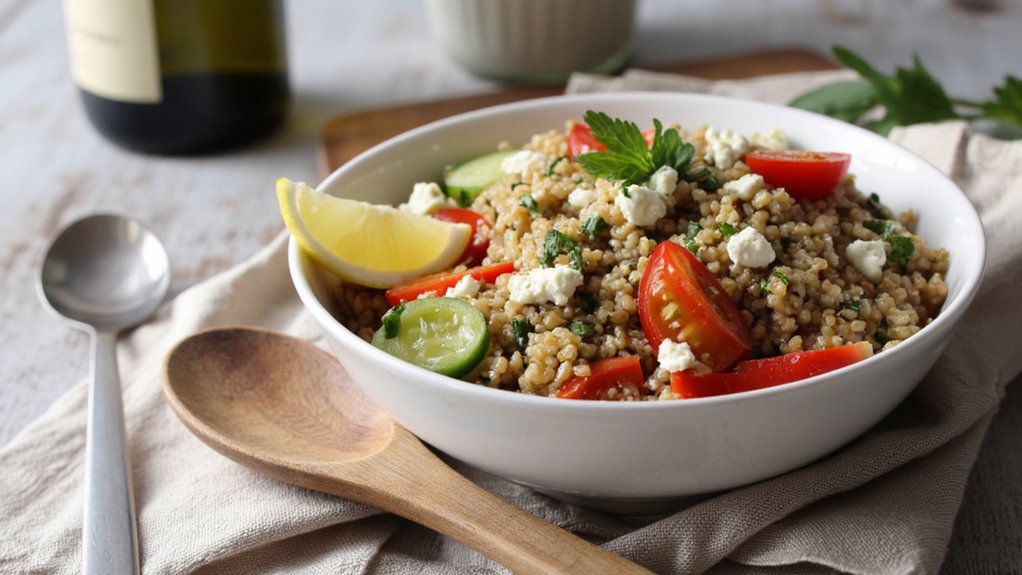
If you’ve ever stared at a wine rack while holding a bowl of quinoa salad and felt completely lost, you’re not alone. Here’s the thing: quinoa salad presents some unique challenges. First, there’s the texture contrast issue. You’ve got fluffy grains mixed with crisp veggies, crunchy nuts maybe, and creamy dressing all competing for attention. It’s a lot going on in one bowl.
Then there’s spice pairing to ponder. Most quinoa salads include vinaigrettes, fresh herbs, or even a kick of heat that can clash with heavier wines. The acidity matters too—too much tannin and you’ll get that weird metallic taste. You need something that won’t overpower the delicate grain but’ll actually complement those veggie flavors. Just like with vegetable stir-fries, sauce type significantly influences your wine selection and can make or break the pairing. Finding that sweet spot? Yeah, that’s why you’re feeling lost.
Why Acidic White Wines Win
Here’s where your wine troubles actually start to clear up. You need acidity balance, and that’s where acidic white wines absolutely shine. They’re your secret weapon against quinoa’s nutty earthiness and all those fresh veggies competing for attention.
Why acidic whites work so well:
- They cut through rich dressings without overpowering delicate greens
- Their citrus backbone brightens the entire dish naturally
- They refresh your palate between bites, keeping things interesting
- They complement rather than compete with quinoa’s subtle flavors
Think Sauvignon Blanc or Pinot Grigio. These wines’ve got that zing you’re looking for. The bright acidity dances with vinaigrette, and suddenly everything clicks into place. Sauvignon Blanc’s vibrant citrus acidity and fresh, grassy aromas make it particularly suited for pairing with vegetable-forward dishes. Your salad stops being a pairing puzzle and becomes genuinely delicious. That’s the magic acidic whites bring to the table.
Sauvignon Blanc: The Gold Standard
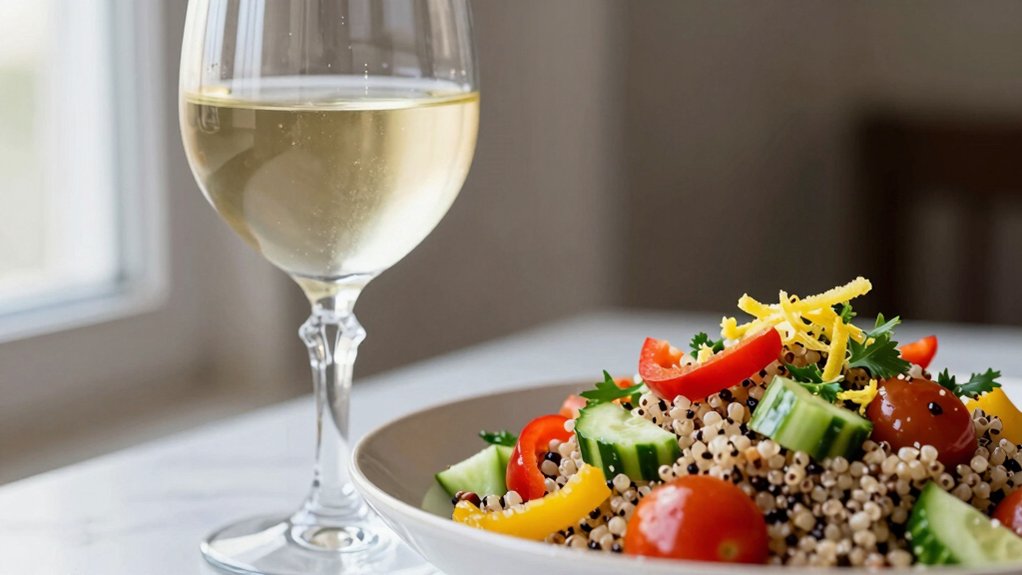
When you’re looking for the ultimate quinoa salad companion, Sauvignon Blanc is honestly your best bet, and here’s why: that crisp acidity cuts right through fresh veggies like cucumber and tomato, keeping everything feeling bright and balanced on your palate. The herbaceous notes you’ll find in most Sauvignon Blancs—think grassy, vegetal undertones—they’re basically made to play nice with quinoa’s earthy, nutty character, creating this surprisingly perfect match that just works. You’re not forcing it, the wine and salad are just vibing together naturally and making each other taste even better. Since Sauvignon Blanc originates from France’s Loire Valley, it carries mineral qualities that enhance the fresh, clean flavors of your vegetable-forward dish.


Crisp Acidity Complements Fresh Vegetables
Because your quinoa salad’s got all those crisp veggies and bright flavors going on, you’re gonna want a wine that doesn’t try to muscle in on the action. That’s where Sauvignon Blanc really shines. Here’s why this pairing works so well:
- Crisp acidity cuts through your zesty vinaigrette without overwhelming it
- Herbaceous notes echo the fresh vegetables on your plate
- Light body won’t overpower the crunchy textures you’ve worked to maintain
- Citrus undertones brighten each bite and keep things lively
The wine’s acidity fundamentally cleanses your palate between forkfuls, letting those veggie flavors pop all over again. You’re not fighting flavor battles here. Instead, you’ve got a harmonious dance happening. Your salad stays fresh, your wine stays crisp, and everyone’s happy with how they complement each other so naturally. Wine acidity enhances subtle flavor notes that might otherwise be lost, making each element of your meal shine brighter.
Herbaceous Notes Match Quinoa Earthiness
Now let’s talk about what really makes Sauvignon Blanc the MVP of quinoa salad pairings. You see, quinoa’s got this earthy, nutty vibe that needs a wine that gets it. Sauvignon Blanc does exactly that with its herbaceous character. Those grassy, vegetal notes in the wine mirror the fresh ingredients you’ve got going on.
Think garden pesto meets crisp white wine. That’s your sweet spot. When you’re drizzling a lemongrass vinaigrette over your greens and quinoa, Sauvignon Blanc steps up beautifully. The wine’s herbal undertones complement rather than compete with these flavors. It’s like they were made for each other, honestly. You’ll notice how the earthiness of the grain and the wine’s green apple acidity create this perfect harmony on your palate. For optimal enjoyment, serve your wine between 45-55°F in standard white wine glasses to preserve those fresh, delicate flavors that make this pairing truly shine.
Pinot Grigio: Maximum Flavor on a Budget
If you’re looking to stretch your wine budget without sacrificing quality, Pinot Grigio deserves a serious spot on your shopping list. This Italian white won’t break the bank, yet it pairs beautifully with your quinoa salad’s fresh vegetables and herbaceous elements.
Here’s why Pinot Grigio’s your go-to choice:
- Budget sourcing – Italian and regions like Veneto offer excellent bottles under fifteen dollars
- Crisp acidity – cuts through vinaigrette without needing vinegar substitution
- Light body – complements rather than overpowers delicate greens and veggies
- Versatility – works with various salad toppings and flavor combinations
You’ll find Pinot Grigio’s mineral notes echo quinoa’s earthiness perfectly. The wine’s invigorating character keeps your palate clean between bites. Honestly, it’s hard to go wrong with this reliable option that delivers serious flavor without the serious price tag.
Albariño: Mediterranean Brightness for Veggie Salads
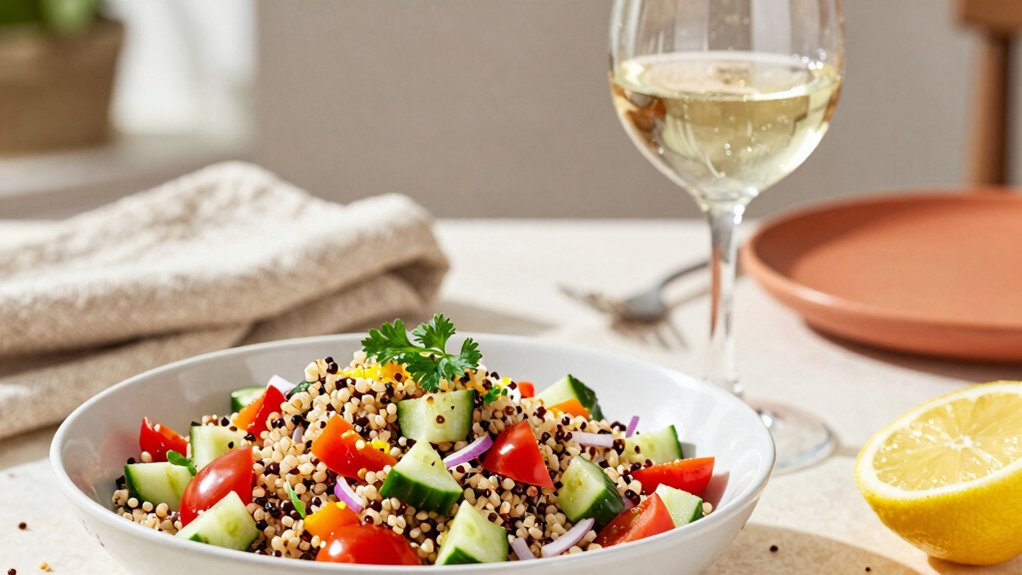
If you’re looking to shake things up from that budget-friendly Pinot Grigio, Albariño’s got the crisp acidity and fresh herb notes you didn’t know your quinoa salad was missing. You’ll catch hints of citrus and that bright Mediterranean vibe that just makes veggie-heavy bowls sing without overpowering ’em. It’s basically like your salad got a little vacation to Spain, and honestly, your taste buds’ll thank you for the upgrade.
Albariño’s Crisp Acidity Profile
When you’re looking to match a wine with your quinoa salad, Albariño’s crisp acidity is pretty much your MVP. This Spanish white wine brings the goods with its sharp, invigorating bite that cuts right through fresh veggies and grains like a knife through butter.
Here’s what makes it shine:
- Maritime minerality that echoes coastal origins
- Bright citrus notes complementing leafy greens
- Saline finish that enhances vegetable flavors
- Light body that won’t overshadow delicate ingredients
You’ll appreciate how the acidity activates your palate between bites, making each forkful taste even better. The wine’s got this salty, ocean-like quality that feels natural alongside quinoa’s nutty undertones and fresh produce. It’s basically the perfect wingman for your bowl, keeping everything balanced and interesting without demanding center stage.

Fresh Herb and Citrus Notes
Beyond that briny, mineral quality we just talked about, Albariño’s got another superpower that makes it absolutely brilliant with quinoa salads: those fresh herb and citrus notes that practically dance across your tongue. You’ll catch hints of lemon zest that brighten up every forkful, especially when your salad’s loaded with veggies. The parsley forward aromatics complement leafy greens perfectly, while mint bright undertones add an unexpected freshness that’ll make you wonder why you haven’t paired this wine with salads sooner. If your quinoa bowl features cilantro twine through the dressing, you’re basically in flavor heaven. Albariño doesn’t fight these herbaceous elements; it actually enhances them, creating this harmonious dance between wine and food that’s honestly pretty magical.
Vermentino and Other Italian Options
Since you’re looking to boost your quinoa salad game, Italian whites deserve a serious spot on your radar. Vermentino brings that coastal minerality you crave, paired perfectly with fresh veggies and grains. Here’s why Italian options work so well:
- Vermentino offers a saline finish that complements quinoa’s nutty profile
- Pinot Grigio delivers crisp aromatic citrus notes without overpowering delicate flavors
- Frascati provides savory almond undertones that dance with herb-dressed salads
- Greco di Tufo adds complexity while staying light and revitalizing
You’ll find these wines won’t compete with your ingredients but rather enhance them. The Mediterranean influence in these bottles feels natural alongside Mediterranean-style salads. They’re approachable, affordable, and honestly, they just get the job done right.
Rosé as Your Middle Ground
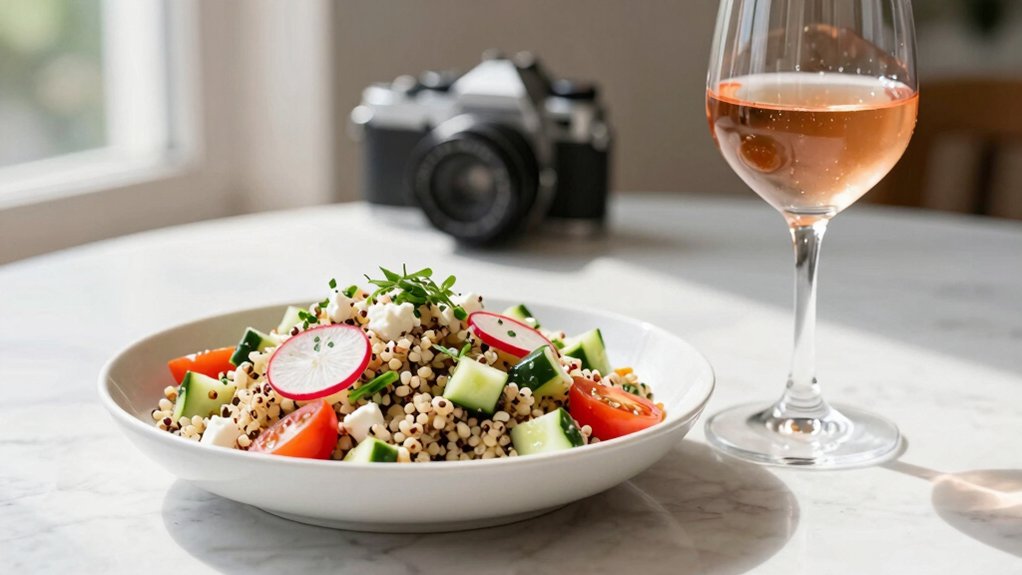
What if you’re not quite ready to commit to a full white wine but a red feels too heavy? Enter rosé, your perfect middle ground. This wine’s rosé versatility makes it surprisingly adaptable to quinoa salads with various toppings. You’re basically getting the best of both worlds, and honestly, it’s kind of genius.
The beauty lies in rosé’s lighter body and subtle rosé tannins, which won’t overpower your fresh veggies. Consider seasonal pairings too—lighter rosés work great during summer months, while fuller-bodied versions shine in cooler seasons. Want something extra festive? Sparkling rosé adds pizzazz without stealing the show from your salad.
The wine’s acidity cuts through vinaigrette beautifully, and its delicate fruitiness complements herb-forward dishes. You really can’t go wrong here.
Matching Wine to Your Salad’s Star Ingredient
Now that you’ve got rosé down as your safe bet, it’s time to get a little more strategic about what you’re actually putting in that bowl. Your quinoa salad’s ingredients deserve real thought when picking wine. Consider these key players:
- Leafy greens demand lighter wines that won’t overpower delicate flavors
- Roasted vegetables create umami pairings that work beautifully with fuller-bodied options
- Fresh herbs like cilantro or mint need wines with good acidity to complement
- Nuts and seeds add texture contrasts requiring wines with enough body to stand up
The thing is, quinoa itself is pretty neutral, so your actual vegetables are steering the ship here. Roasted beets? Go bolder. Crisp cucumber? Stay light. Think about what’s dominating your bowl, and you’ll nail the pairing every time.
How to Serve and Store Your Selection
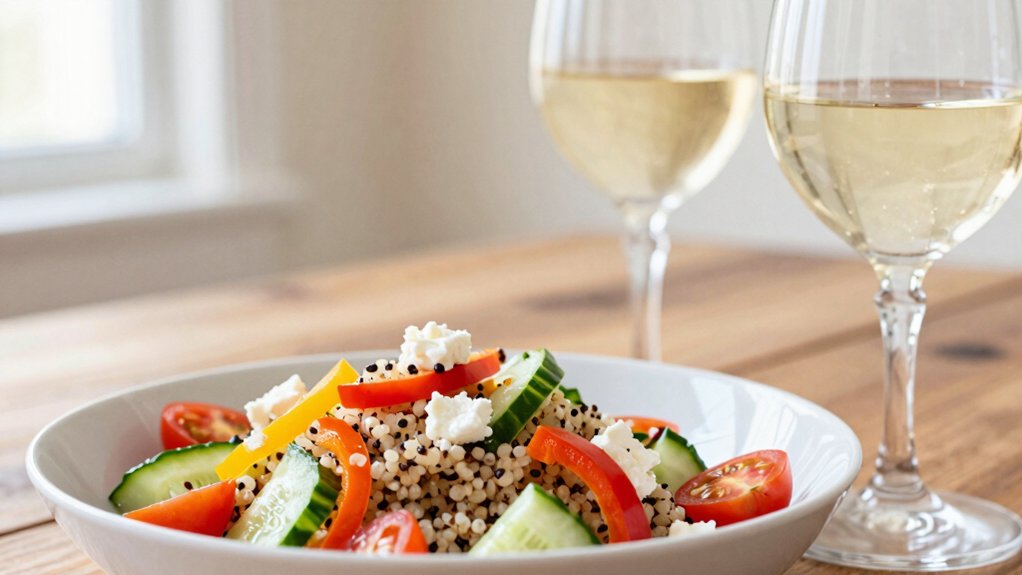
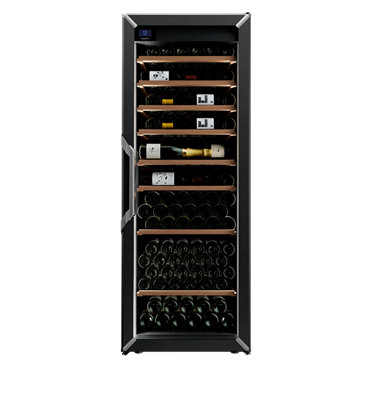
Once you’ve picked your perfect wine pairing, you’ll want to serve it chilled—most white wines and lighter reds hit their sweet spot around 45 to 65 degrees Fahrenheit, depending on the varietal, so don’t just yank it straight from the fridge and expect magic. For storage, keep your bottle in a cool, dark place on its side if it’s corked, which helps the cork stay moist and prevents it from drying out and letting air ruin your wine before you’ve even opened it. If you’re not finishing the bottle that same day, recork it tightly, stick it back in the fridge, and you’ve got a few days before it starts tasting like regret.
Optimal Serving Temperatures
Since your wine’s temperature can make or break the whole pairing experience, you’ll want to get it just right before you dig into that quinoa salad. Temperature gradations matter more than you’d think when it comes to flavor.
Here’s what you need to know:
- Chilled service works best for lighter whites and rosés, targeting 45-50°F
- Glassware choice affects how quickly your wine warms up in your hand
- Serving timing means pouring just before you sit down to eat
- Temperature maintenance requires keeping bottles on ice throughout the meal
You don’t want your wine getting too warm, or it’ll taste flabby and lose its crisp character. Conversely, serving it too cold mutes those delicate flavors you’re paying for. Find that sweet spot, and your quinoa salad experience becomes something genuinely memorable.
Proper Storage Methods
Getting the temperature right is only half the battle, because what happens before you even open that bottle matters just as much. You’ll want to store your wine in a cool, dark place, away from direct sunlight and heat sources. Here’s the thing: quinoa salads keep best when you’re using airtight containers for both the salad and your wine selection.
| Storage Type | Temperature | Duration | Best For |
|---|---|---|---|
| Wine Fridge | 45-65°F | Months | Whites, rosés |
| Cool Closet | 50-60°F | Weeks | Reds, blends |
| Airtight Containers | 40°F | Days | Dressed salads |
| Pantry Shelf | Room temp | Weeks | Unopened bottles |
Pro tip: always keep your separate dressings in their own sealed container. That way, your greens stay crisp and your wine stays fresh. Don’t mix ’em until serving time.
Wine Strategy by Occasion and Guest Count
Your wine pairing game changes dramatically depending on what you’re actually doing and who’s showing up. You’ve gotta think strategically about seasonal pairings and guest count adjusted selections because they’ll make or break your meal.
Here’s how to nail it:
- Intimate dinners for two work great with a crisp Sauvignon Blanc that complements quinoa’s nuttiness
- Small gatherings of four to six people benefit from a versatile Pinot Grigio everyone can enjoy
- Larger parties with eight plus guests need fuller-bodied whites like Chardonnay that hold up well
- Outdoor summer events call for chilled rosé that pairs beautifully with fresh veggies
Consider your crowd’s preferences too. Are they adventurous drinkers or more traditional? Match the wine’s weight to your guest count and you’ll look like a total pro without breaking a sweat.
Frequently Asked Questions
Can I Pair Red Wine With Quinoa Salad Instead of White Wine?
Yes, you can pair red wine with quinoa salad. You’ll want to choose light bodied reds like chilled Pinotage, which won’t overpower your veggies. These options work beautifully with your salad’s fresh, delicate flavors.
What if I’m Serving Quinoa Salad to Guests Who Don’t Drink Alcohol?
You’ve got plenty of options! Try mocktails options, sparkling water with fresh herbs, herbal iced tea, or nonalcoholic beer. These’ll complement your quinoa salad beautifully while keeping everyone happy and included.
How Long Can Opened Wine Last After Pairing With Quinoa Salad?
You’ll want to consume your opened wine within 3-5 days for peak tasting notes. Proper storage times depend on the bottle type—reds last longer than whites. Keep it cool and sealed tightly between servings.
Should I Chill Quinoa Salad Before Serving It With Wine?
Yes, you should chill your quinoa salad before serving it with wine. This creates a cooling temperature contrast that enhances both the salad’s flavors and your wine’s profile, making for a more enjoyable pairing experience.
What’s the Best Wine Choice for Quinoa Salad With Added Protein?
You’ll find Herbaceous Sauvignon Blanc works wonderfully with protein-added quinoa salad, offering crisp acidity that complements both the grain and protein. Alternatively, Light Pinotage provides earthiness that enhances the dish’s complexity beautifully.