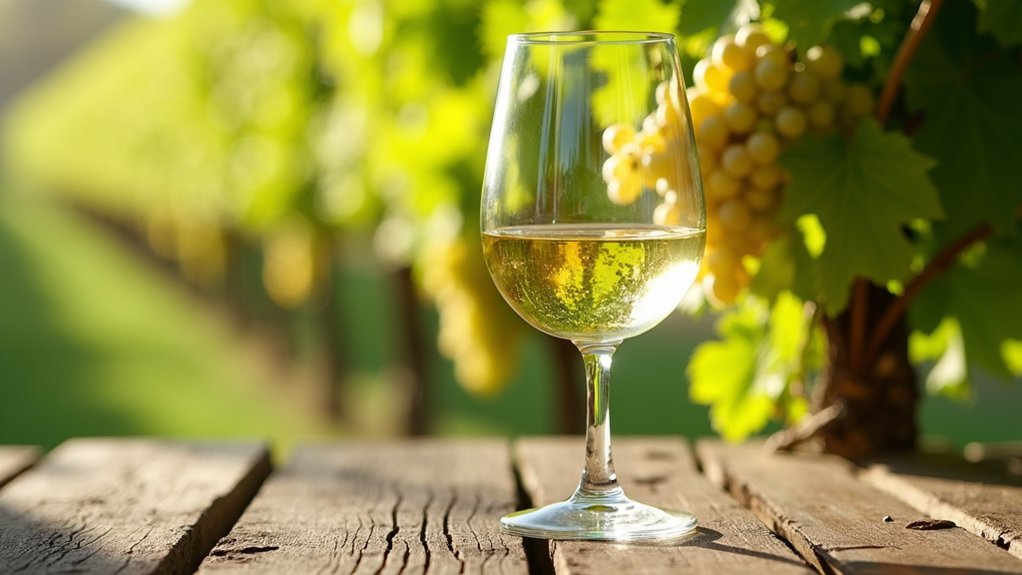
So, you wanna know what Sauvignon Blanc is? Imagine this: you’re sipping a glass that’s crisp, zippy, and maybe just a little sassy, with flavors that bounce between fresh-cut grass and tangy citrus. It’s the kind of wine that wakes up your taste buds and whispers, “Hey, want to have some fun?” There’s more to this lively white than meets the eye—curious where it all began and what makes it so unique?
Key Takeaways
- Sauvignon Blanc is a crisp, herbaceous white wine known for vibrant citrus acidity and fresh, grassy aromas.
- It originates from France’s Loire Valley but is now produced worldwide, including New Zealand and California.
- The wine features flavors of gooseberries, green apple, lemon, lime, and sometimes passionfruit.
- Sauvignon Blanc is best served chilled and pairs well with seafood, salads, and zesty dishes.
- Notable producers include Cloudy Bay, Château d’Yquem, and Robert Mondavi Winery, with most bottles enjoyed young for freshness.
Crisp, Herbaceous White Wine
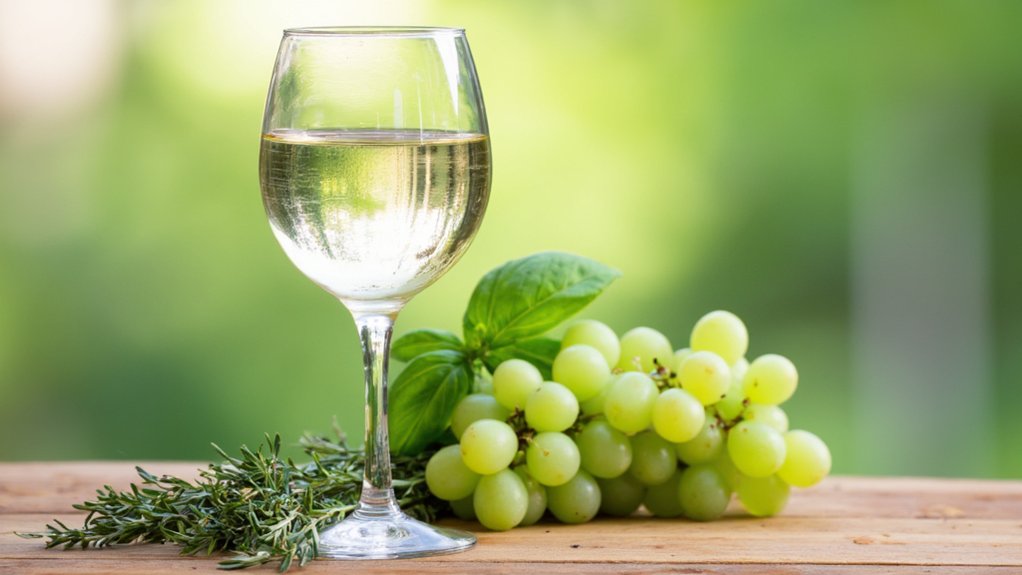
Even if you’ve never sipped a glass before, you’ve probably heard someone rave about Sauvignon Blanc’s crisp, herbaceous style. When you pour a glass, you’ll notice those zingy citrus acidity notes right away. It’s like the wine is trying to wake up your tastebuds, saying, “Hey! Pay attention!” As you swirl it, herbal aromas will rise, and you might think someone just mowed the lawn or scattered fresh basil nearby. It’s rejuvenatingly green and lively, never dull. This is a white wine that doesn’t just sit quietly in the corner—it jumps up, joins the conversation, and maybe even cracks a joke about lemons. If you like wines that feel energetic, playful, and a bit cheeky, Sauvignon Blanc’s your perfect match.
Loire Valley French Roots
While Sauvignon Blanc pops up all over the world, its real roots dig deep into the lush soil of France’s Loire Valley. Here, you feel the magic of Loire Terroir—those rolling hills, chalky soils, and gentle rivers that practically whisper “grow grapes here!” You can almost picture old French winemakers, berets tilted just right, passing down secrets from one generation to the next. That’s the heart of French Heritage. You taste it in every glass. Loire Sauvignon Blanc bursts with zippy citrus and green notes, a crispness that makes your mouth do a happy dance. When you sip, you’re not just enjoying wine; you’re sipping centuries of tradition. And let’s be honest, who wouldn’t want a little French countryside in their glass?
Parent of Cabernet Sauvignon
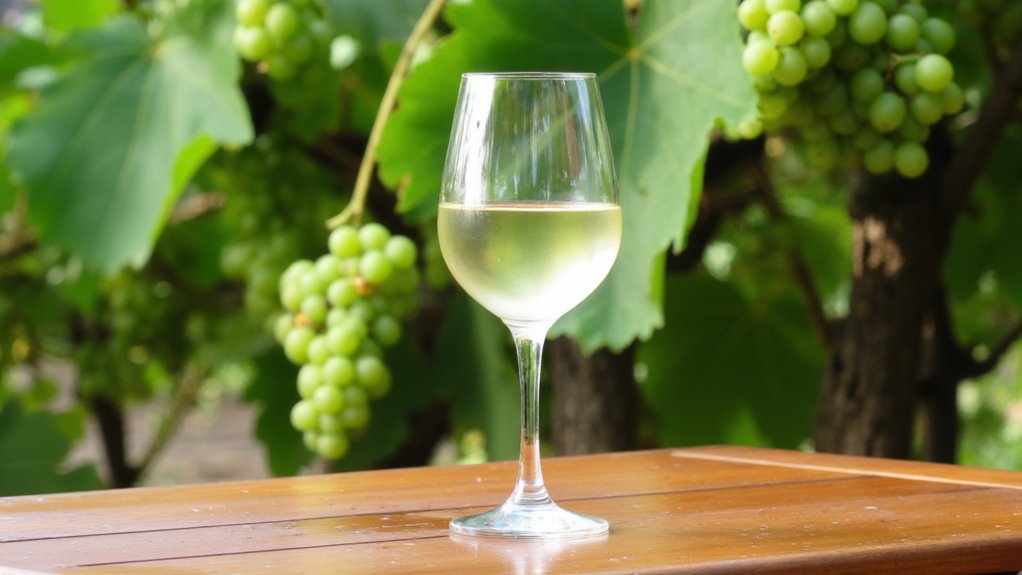
Parenthood in the wine world comes with its own drama, and Sauvignon Blanc wears its title with style. Did you know that Sauvignon Blanc is actually one of the proud Sauvignon parents of Cabernet Sauvignon? That’s right—without this zesty white grape, the famous Cabernet lineage wouldn’t exist. The other parent? The lesser-known but equally important Cabernet Franc. Together, they birthed the legendary Cabernet Sauvignon, a wine that’s conquered dinner tables and cellars worldwide.
Imagine family reunions! Sauvignon Blanc brings brightness and energy, while Cabernet Franc adds depth and intrigue. The result is Cabernet Sauvignon, a grape that’s bold, complex, and oh-so-loved. So next time you sip a glass of Cab, remember to thank its Sauvignon parents for their creative spark and legendary genes.

Gooseberry and Citrus Notes
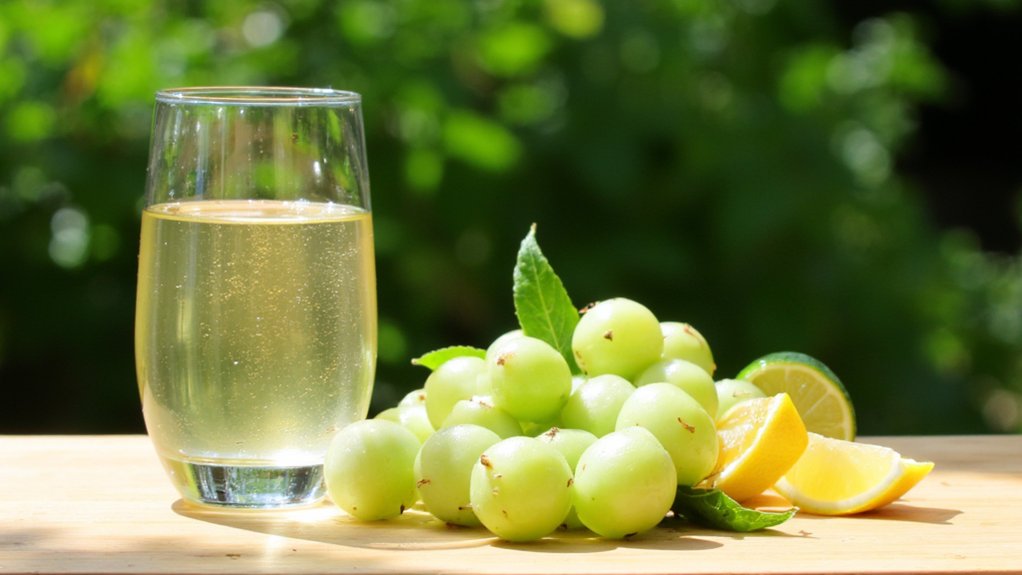
Gooseberries and citrus fruits throw the ultimate party in every glass of Sauvignon Blanc. You’ll notice it right away—the citrus aroma leaps from the glass, practically begging for your attention like a puppy with a squeaky toy. Take a sip, and those gooseberry flavors dance across your tongue. Some people say it’s like biting into a tart green apple while a lemon zings you from the background. Others catch hints of lime, grapefruit, or even passionfruit crashing the party. The freshness is unmistakable. It’s zippy, bright, and sometimes a little wild—like a picnic where someone brought confetti. Don’t be surprised if you find yourself grinning. Sauvignon Blanc is all about fun, flavor, and a whole lot of personality.
Famous Sauvignon Blanc Wine Brands
That wild, zesty flavor party in your glass wouldn’t be the same without some real legends behind the label. When you want to immerse yourself in the world of Sauvignon Blanc, it pays to know the notable producers and the vineyard regions that truly make this grape shine. You’ll find some bottles so famous, they practically have their own fan clubs. Think of it as the Sauvignon Blanc Hall of Fame—no velvet ropes, just delicious wine.
- Cloudy Bay (New Zealand): This brand put Marlborough on the map, delivering those punchy, tropical notes you crave.
- Château d’Yquem (France): Yep, they do more than Sauternes. Iconic, historic, and absolutely divine.
- Robert Mondavi Winery (California): Classic Napa style, crisp, fresh, and impossible not to love.
Who’s thirsty?
Popular Sauvignon Blanc Choices For Any Budget
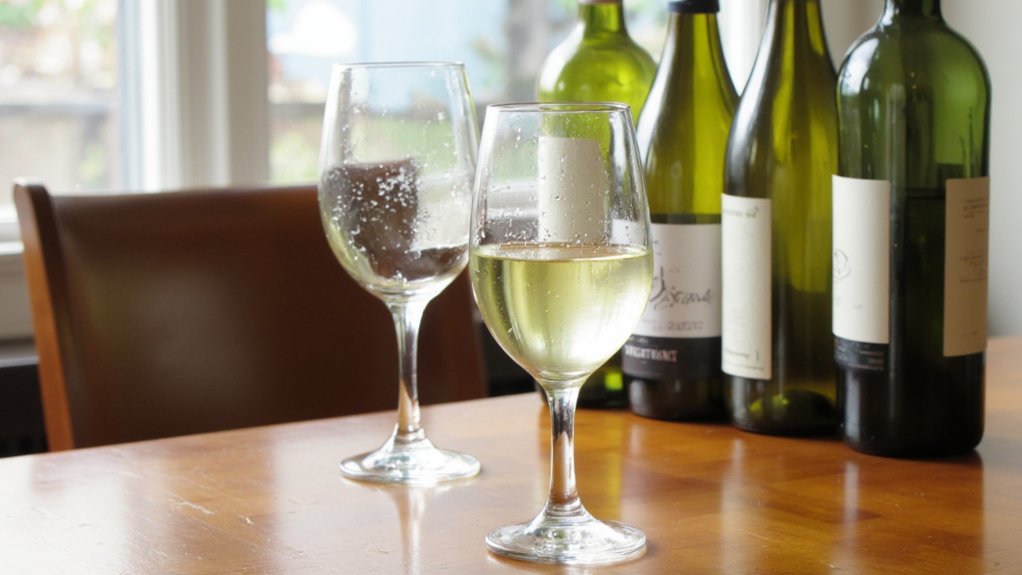
You don’t need a millionaire’s wallet to enjoy a great glass of Sauvignon Blanc—trust me, there’s something delicious for every price range. From crisp bargains under $20, to mid-range gems you’ll proudly pour for friends, and even those high-end bottles that might make your credit card gasp, you’re in for a treat. Let’s uncork some options that’ll keep both your taste buds and your bank account smiling!
Bargain Sauvignon Blanc Wines Under $20
- Kim Crawford (Marlborough) – zesty, citrusy, vibrant, New Zealand classic
- Joel Gott (California) – crisp, melon, grapefruit, easy-drinking
- Oyster Bay (Marlborough) – fresh, passionfruit, lively acidity
- Matua (Marlborough) – grassy, tropical, bright, affordable
- Chateau Ste. Michelle (Columbia) – balanced, lime, green apple, Washington favorite
Mid-Range Sauvignon Blanc Wines Between $20-$100
- Cloudy Bay (Marlborough) – iconic, passionfruit, mineral, balanced, vibrant acidity
- Pascal Jolivet Sancerre (Loire) – elegant, flinty, citrus, refined, French classic
- Duckhorn (Napa) – lush, melon, grapefruit, polished, California staple
- Dog Point (Marlborough) – intense, herbal, lime, textured, complex
- Whitehaven (Marlborough) – crisp, gooseberry, lively, invigorating, pure

High-End Sauvignon Blanc Wines Above $100
- Château Haut-Brion Blanc (Bordeaux) – legendary, opulent, citrus, floral, nuanced, cellar-worthy
- Domaine Didier Dagueneau Silex (Loire) – iconic, smoky, mineral, intense, layered, long finish
- Eisele Vineyard Sauvignon Blanc (Napa) – elegant, textured, exotic fruit, refined, persistent, collectible
- Château Smith Haut Lafitte Blanc (Bordeaux) – vibrant, complex, stone fruit, spice, structured, age-worthy
- Realm Cellars Fidelio (Napa) – powerful, tropical, crisp, balanced, rich, luxurious
Classic Sauvignon Blanc Wine Food Pairings
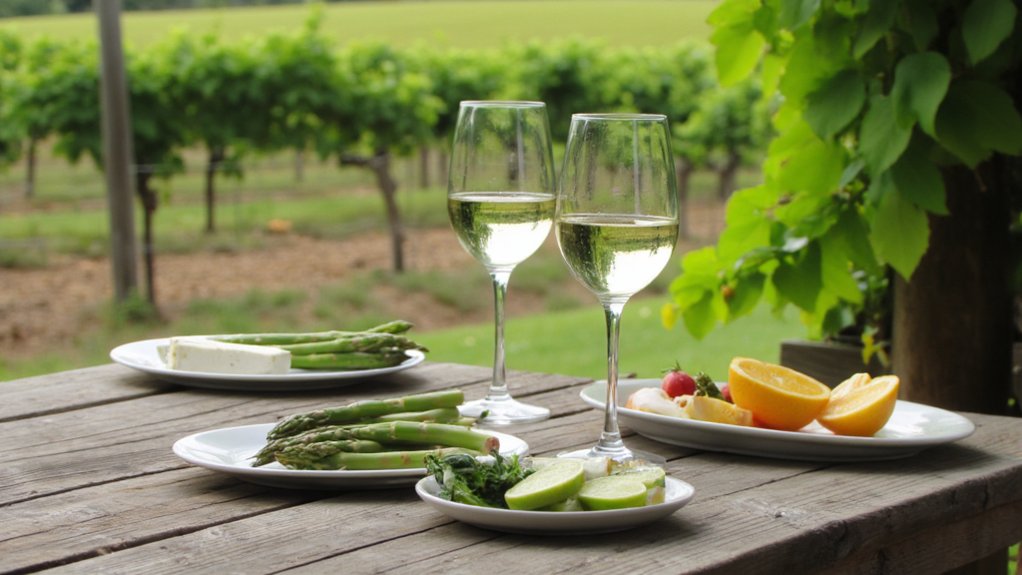
While you might already know Sauvignon Blanc for its zesty, invigorating vibe, pairing it with the right food takes things to a whole new level of deliciousness. This wine loves a good food pairing, and trust me, some culinary matches are pure magic. You get bright acidity and bold flavors that just beg for company on your plate—maybe something salty, creamy, or bursting with fresh herbs. Ready to upgrade your dinner game? Try these classic combos:
- Goat cheese salad – The tangy cheese and grassy notes in the wine are like best friends at a picnic.
- Grilled asparagus with lemon – Sauvignon Blanc makes those green veggies sing.
- Oysters on the half shell – A briny, zippy match that’s almost too good. Almost.
New Zealand’s 1970s Sauvignon Surge
You’ve tasted the magic of Sauvignon Blanc with food, but have you ever wondered how this grape turned into such a global superstar? Hold onto your glass, because the story gets wild in the 1970s. Picture New Zealand—a place more famous for sheep than for wine—suddenly throwing Sauvignon Blanc into the spotlight. Winemakers there took a French classic and dialed up the zing. Think bold flavors, punchy aromas, and enough personality to make your taste buds dance the haka.
New Zealand’s cool climate gave Sauvignon Blanc a zesty, vibrant style the world hadn’t seen before. Word spread fast. Suddenly, everyone wanted a sip of that Kiwi freshness. So, next time you pop open a bottle, remember: you’re sipping a revolution that started down under.
Does Sauvignon Blanc Wine Age Well?
So, can Sauvignon Blanc really stand the test of time in your cellar? Well, you might be surprised, but most bottles actually prefer a short stay in wine storage—think of them as guests who never overstay their welcome. Sauvignon Blanc is famous for its zippy freshness and those lively fruity notes, so you’ll usually want to drink it young. The aging potential isn’t what you’d call legendary, though there are rare exceptions—some high-end bottles from Bordeaux or Sancerre can age gracefully for several years, morphing into something richer and more complex. But honestly, unless you’ve struck gold with a special bottle, you’re better off sipping sooner than later. So, don’t let your Sauvignon Blanc gather dust. Life’s too short for stale wine!
Sauvignon Blanc Wine Serving Tips
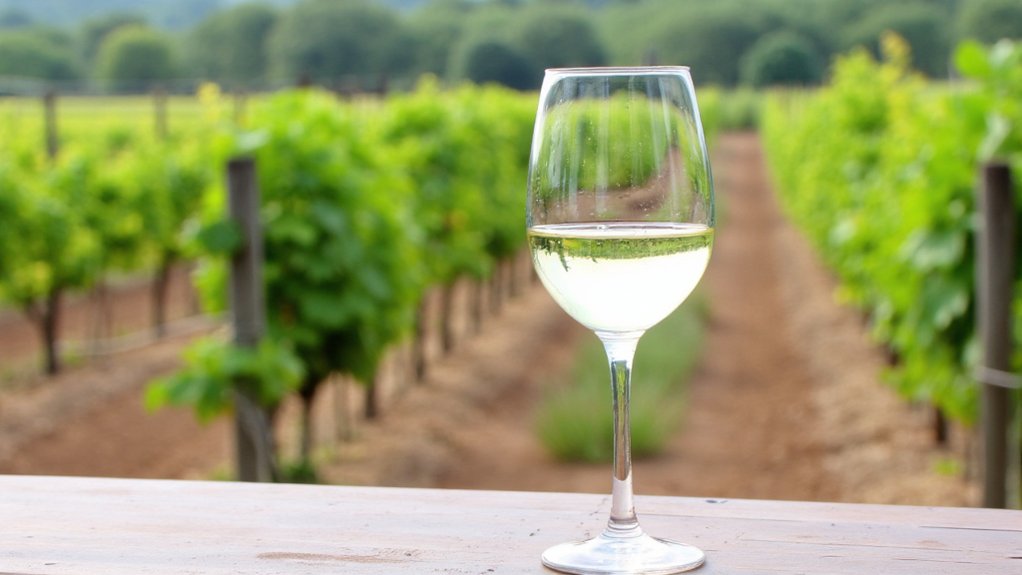
If your Sauvignon Blanc isn’t meant for a long, dramatic nap in the cellar, that just means you’ve got a perfect excuse to pop the cork sooner and enjoy every zesty sip. Let’s get right to it—serving this wine is easy, but a couple of tips will make you look like a total pro. First, chilling temperature matters; aim for 45–50°F. Too cold and you’ll mute those juicy aromas. Too warm and, well, it’s basically fruit salad in a glass.
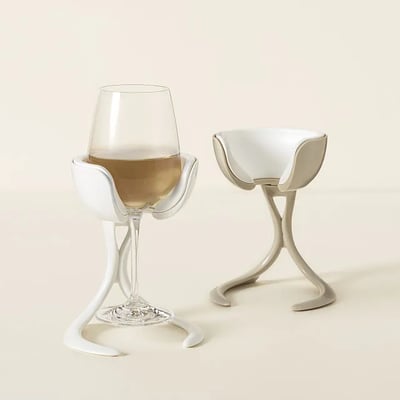
- Pick a glass with a narrower bowl to concentrate those amazing aromas.
- Don’t overfill—leave room to swirl and sniff like you’re on a vineyard vacation.
- Pair with zesty foods or fresh salads for flavor fireworks.
Ready to pour? Cheers!
Similar Wines to Sauvignon Blanc Wine
Ever wonder what to sip when that bottle of Sauvignon Blanc runs dry? Don’t panic—you’ve got options! If you love the crisp zing of classic Sauvignon Blanc styles from regions like Marlborough or the Loire Valley, try a glass of Pinot Grigio. It’s bright, fresh, and just as easy to pronounce after your second glass. For a touch of the tropics, a Verdejo from Spain offers zesty citrus and herbal notes, echoing some of those famous Sauvignon Blanc regions. Craving a little more complexity? Grüner Veltliner from Austria will surprise you with its spicy twist and playful attitude. Basically, if you like Sauvignon Blanc, you’ve got a whole world of wines ready to join the party. Cheers to variety, my adventurous friend!
Frequently Asked Questions
Is Sauvignon Blanc Typically a Dry or Sweet Wine?
When you compare dry versus sweet wines, you’ll find Sauvignon Blanc is typically dry. Its flavor profiles showcase crisp acidity, citrus, and green notes. You usually won’t encounter it as a sweet wine, except in rare dessert styles.
What Is the Ideal Temperature to Store Sauvignon Blanc?
When you consider ideal storage, keep Sauvignon Blanc at 45-50°F (7-10°C). Temperature effects matter—if you store it too warm, you’ll dull its crisp flavors; too cold, and you might mute its aromas and complexity.
Are There Any Notable Organic Sauvignon Blanc Producers?
You’ll find several notable organic Sauvignon Blanc producers worldwide. Look for organic vineyards like Frog’s Leap, Domaine Fouassier, and Seresin Estate. They emphasize sustainability practices, so you can enjoy great wine while supporting eco-friendly winemaking methods.
Can Sauvignon Blanc Grapes Be Used to Make Sparkling Wine?
Yes, you can use Sauvignon Blanc grapes to make sparkling wine. Winemakers apply traditional wine production techniques, like the méthode traditionnelle or tank method, to create Sauvignon Blanc sparkling wines with vibrant acidity and invigorating citrus notes.
Is Sauvignon Blanc Suitable for People With Sulfite Sensitivities?
If you’ve got sulfite sensitivities, you might find Sauvignon Blanc challenging, since most wines use sulfites for preservation. Some winemakers offer sulfite alternatives, but these can affect wine shelf life, so always check labels carefully.