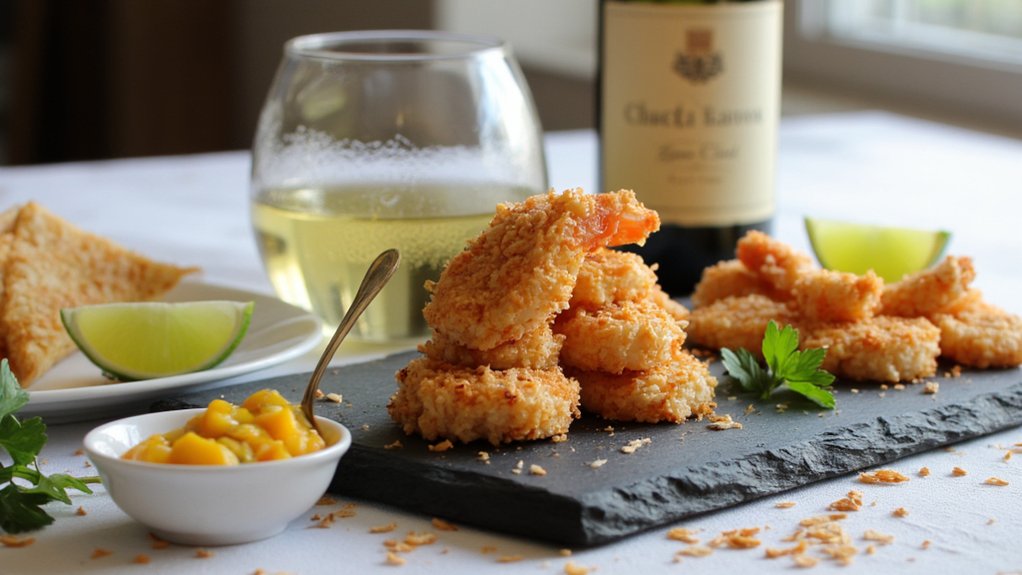
You’ll want a wine that cuts through all that fried richness without getting bullied by the coconut sweetness. Crisp whites like Sauvignon Blanc or Pinot Grigio are your safest bet—their bright acidity and citrus notes slice right through the oil. If you’re into sweeter vibes, try an off-dry Riesling that echoes the coconut coating. Sparkling wine’s bubbles are pretty genius too, resetting your palate between bites. But here’s the thing: your sauce actually matters way more than you’d think.
Key Takeaways
- Crisp, high-acidity whites like Sauvignon Blanc and Pinot Grigio cut through fried richness and complement coconut flavors.
- Off-dry Riesling and Gewürztraminer echo coconut sweetness while their acidity and residual sugar balance spice.
- Sparkling wines’ effervescence and carbonation break up the coconut coating and refresh the palate between bites.
- Light-bodied Pinot Noir offers a bolder option with earthy undertones that complement crispy coating without overpowering shrimp.
- Match wine acidity and sweetness to your specific sauce; creamy sauces need fuller wines, spicy drizzles need higher acidity.

Crisp Whites: Your Best Foundation
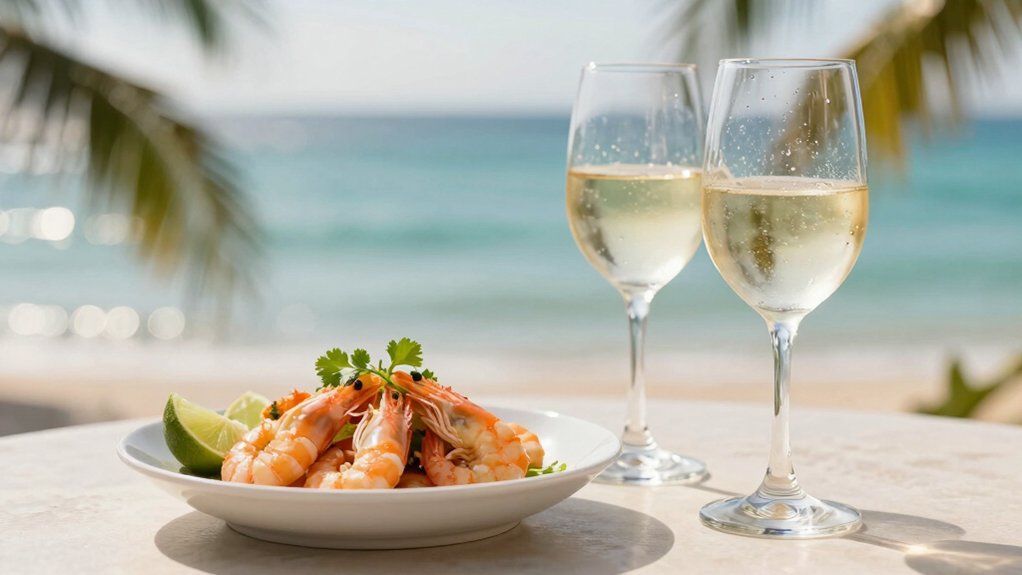
The foundation of any solid wine pairing is honestly simpler than you’d think. You want crisp whites. These wines cut through the richness of coconut shrimp like a charm, balancing all that fried goodness with their bright acidity.
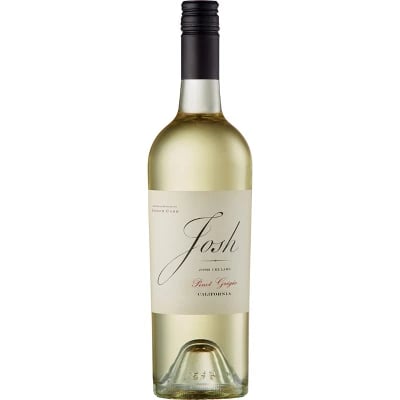
Sauvignon Blancs are your go-to choice here. They’re zesty, they’re fresh, and they won’t compete with your shrimp. Pinot Grigio works too if you prefer something a bit lighter and more delicate.
Now, if you’re feeling fancy, a buttery Chardonnay can work wonders. The oaked complexity adds sophistication without overwhelming your palate. Just avoid heavily oaked versions that might clash with the coconut coating. For cream-based or richer coconut shrimp preparations, consider full-bodied whites like Greek Assyrtiko or Australian Semillon to better complement the dish.
These crisp whites create the perfect backdrop for your appetizer, letting every flavor shine through beautifully.
Sauvignon Blanc & Pinot Grigio: Clean Acidity To Cut The Oil
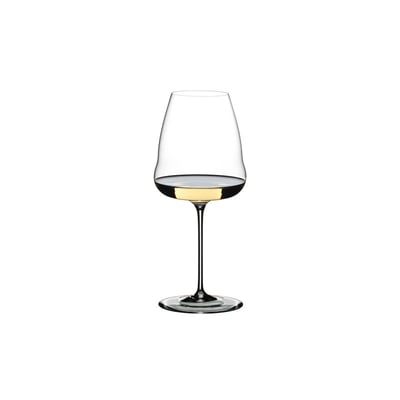
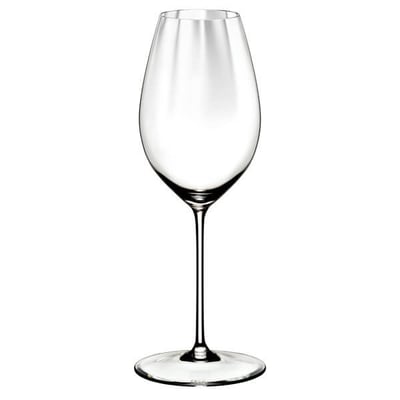
When you’re biting into those crispy, coconut-coated shrimp, you’ll want a wine that’s got enough acidity to slice through all that fried richness, and that’s exactly where Sauvignon Blanc and Pinot Grigio shine. Both varieties bring that clean, zesty punch that’ll refresh your palate between bites while their tropical fruit notes—think grapefruit, passion fruit, and citrus—actually complement the coconut flavors rather than fighting against ’em. Plus, their lighter body won’t overpower the delicate taste of the shrimp itself, letting you enjoy the whole dish without one element drowning out the other. For those seeking premium options, the finest Sauvignon Blanc wines offer exceptional quality and complexity that elevates any seafood pairing experience.
Crisp Acidity Cuts Through Oil
Crispy, golden coconut shrimp’s biggest enemy isn’t bad seasoning or undercooked shrimp—it’s that slick coating of oil that clings to your palate. That’s where crisp acidity becomes your best friend.
When you’re reaching for a wine to pair with this dish, you’ll want something with serious cutting power. Here’s what makes the difference:
- Zesty citrus notes that slice right through the richness like a knife through butter
- Minerally backbone that adds complexity without weighing things down
- High acidity levels that refresh your mouth between bites
Sauvignon Blancs and Pinot Grigios excel here. They’re not trying to compete with your shrimp. Instead, they’re working alongside it, breaking down that oily coating and prepping your palate for the next bite. You’ll notice how the wine’s brightness makes the coconut shine even more. Both wines originate from distinct regions—Sauvignon Blanc from France’s Loire Valley and Pinot Grigio from Italy—each bringing their own terroir-driven character to your table.

Tropical Fruit Notes Complement Coconut
Beyond the acidity doing its job, here’s where things get really fun—those tropical fruit notes in Sauvignon Blanc and Pinot Grigio actually dance with the coconut in ways you might not expect. The tropical aroma from these wines mirrors the coconut texture of your shrimp, creating this natural harmony on your palate. Think about it: when you’re tasting mango, pineapple, or passion fruit notes alongside that breaded, crispy exterior, everything clicks together. You’re not fighting flavors, you’re amplifying them. The wine doesn’t just balance the dish; it becomes part of the experience itself. Sauvignon Blanc’s crisp acidity and vibrant character make it particularly effective at cutting through rich, fried textures while its citrus and herbaceous notes provide brightness that complements the sweetness of coconut. Your taste buds get to enjoy this delicious conversation between the fruit-forward wine and that rich coconut coating, making each bite and sip feel intentional and delightfully connected.
Light Body Enhances Shrimp Flavor
The real magic happens when you consider how these wines actually work on your palate. You’re looking for something that won’t overpower your shrimp. That’s where lighter-bodied wines shine.
Sauvignon Blanc and Pinot Grigio are your best friends here. They’ve got clean acidity that cuts right through the coconut oil, preventing that heavy, greasy feeling. You know that moment when a rich dish suddenly feels manageable? That’s these wines doing their thing.
What makes ’em special:
- Delicate minerality that won’t compete with your shrimp’s subtle flavors
- Subtle herbaceousness adding complexity without drowning everything out
- Crisp finish that refreshes your palate between bites
The lightness of these wines lets your shrimp actually taste like shrimp instead of getting lost in coating. It’s honestly the difference between an okay meal and one you’ll actually remember. Similar to how wine chemistry influences flavor interactions with seafood, the acidity in these lighter whites creates harmony between the coconut coating and your palate.
Riesling & Off-Dry Wines: Sweet Wines That Match The Coconut
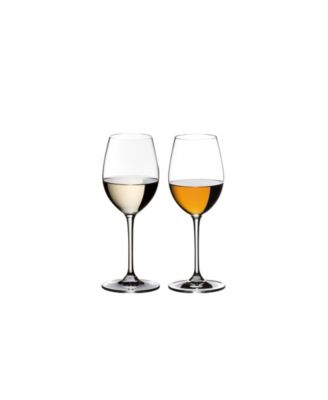
If you’re looking to go sweeter with your coconut shrimp pairing, Riesling’s actually your best friend here. You’ve got those tropical fruit notes that echo the coconut while the wine’s off-dry sweetness balances out the heat from whatever spices you’re working with, and honestly, it’s a combo that just works. The slight residual sugar won’t overpower the shrimp—it’ll just smooth everything out and make each bite feel a little more harmonious on your palate.
Riesling’s Tropical Fruit Notes
Riesling’s got this magical thing going on where it tastes like a tropical fruit stand had a party in your mouth. You’re getting aromatic mangoes mixed with floral honeydew, and honestly, it’s a total flavor explosion that pairs beautifully with coconut shrimp.
Here’s what makes Riesling shine with this dish:
- The wine’s natural sweetness echoes the coconut breading without competing
- Tropical fruit notes complement the shrimp’s delicate, buttery texture
- High acidity cuts through richness, keeping your palate fresh between bites
When you take a sip, those fruity undertones dance with the coconut coating. The wine doesn’t overpower your shrimp, it enhances them. You’ll notice how the sweetness and acidity work together, creating this perfect balance. It’s like they were made for each other, honestly.
Off-Dry Sweetness Balances Heat
Often, the magic happens when you pair coconut shrimp with an off-dry wine, and here’s why: that gentle sweetness acts like a buffer between the heat and your taste buds. You’re basically creating a cooling effect. The residual sweetness in wines like Riesling or Gewürztraminer doesn’t overpower your dish, it complements it. What’s really clever is how the acid balance works here. These wines have enough acidity to cut through the richness of coconut while their slight sweetness soothes any spice lingering on your tongue. It’s like the wine’s playing peacekeeper between your mouth and those crispy, fiery shrimp. You’ll notice how each sip feels invigorating rather than clashing with your food. That’s the off-dry sweet spot doing its thing.


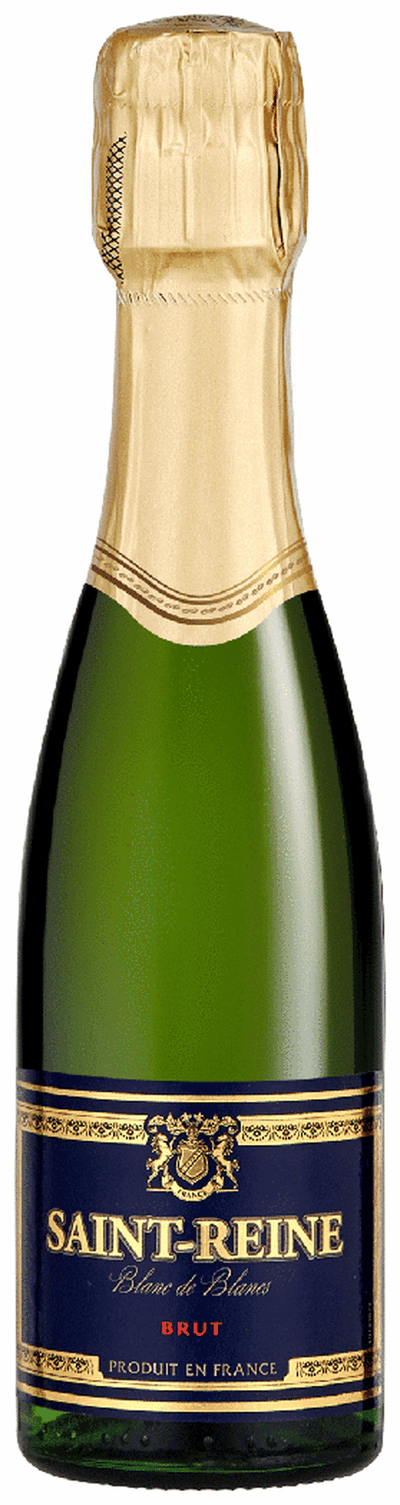
Sparkling Wines: Why Bubbles Refresh Every Bite
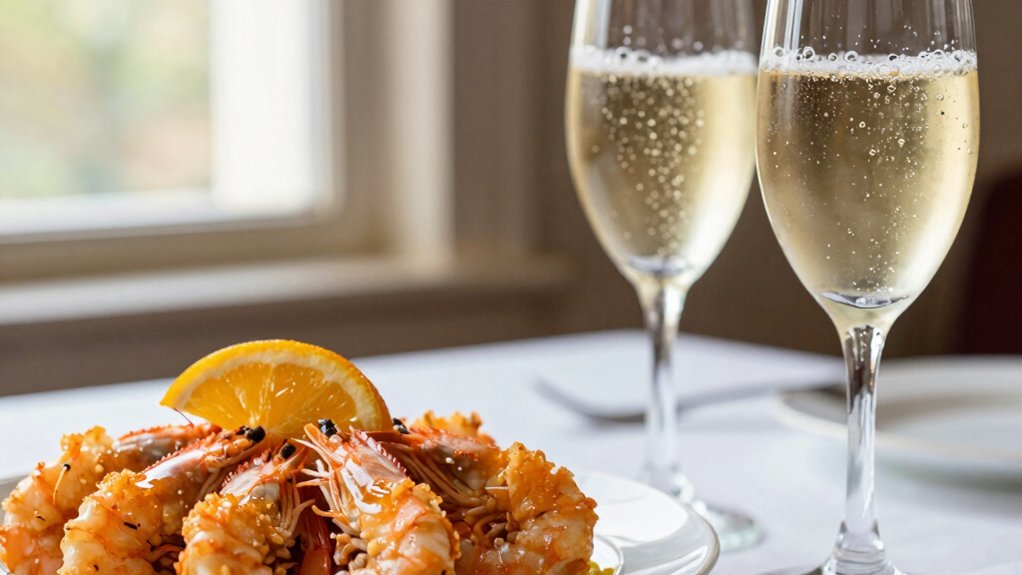
Sparkling wine might just be your secret weapon for coconut shrimp. Here’s why you’ll want to pop that cork:
- Effervescence texture cuts through richness – Those tiny bubbles break up the coconut coating and fried exterior, preventing your palate from getting overwhelmed
- Palate cleansing between bites – Champagne or Prosecco basically resets your taste buds, keeping each shrimp tasting fresh and exciting
- Acidity brightens the sweetness – The wine’s crispness balances coconut’s natural sugars without competing for attention
The carbonation creates this invigorating sensation that makes you want another bite, then another sip. You’re not dealing with heavy, cloying flavors anymore. Instead, you’ve got this nice back-and-forth happening between the wine’s brightness and your food’s richness. It’s honestly hard to beat.
Rosé & Light Red Wines: A Bolder Pairing Option
If you’re ready to venture beyond the fizz, rosé and light red wines offer you a totally different angle on coconut shrimp pairing. Berry driven rosés bring a rejuvenating sweetness that complements the crispy coating without overwhelming your palate. They’ve got just enough acidity to cut through the richness, you know?
Light bodied pinots are seriously underrated here. These wines won’t compete with your shrimp, instead they’ll dance alongside those coconut flavors beautifully. The earthy undertones mixed with subtle fruit notes create this gorgeous balance that somehow just works.
You’re looking at wines that feel more adventurous than sparkling options but still stay approachable. They’ll uplift your meal without taking themselves too seriously, which honestly matches the fun vibe of coconut shrimp perfectly.
Does Your Sauce Change The Pairing?
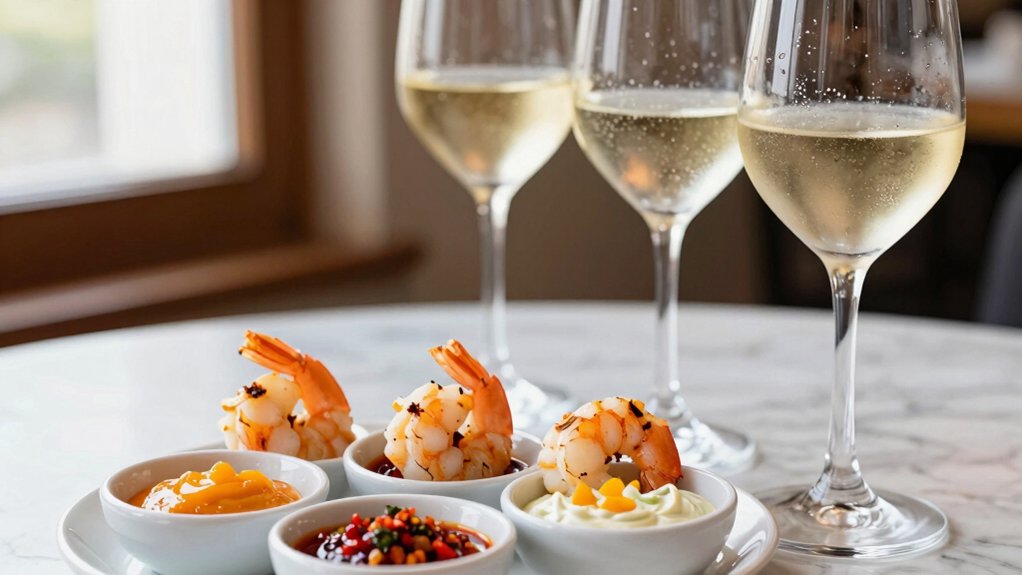
What’s drizzled on top of your coconut shrimp matters way more than you might think. Your sauce choice can totally shift which wine works best.
Here’s what you need to ponder:
- Salsa spice level determines if you need a wine with more acidity to cut through the heat
- Dressing texture affects how the wine coats your palate, influencing whether lighter or fuller wines pair better
- Sauce flavor profile can either complement or clash with your wine selection
A sweet mango sauce? You’d want something crisp and invigorating. But if you’re going with a spicy sriracha drizzle, you’ll need a wine that can handle that kick without getting knocked around. The dressing texture matters too, since creamy sauces pair differently than thin, tangy ones. Think about what’s actually coating that shrimp before you grab that bottle.
Frequently Asked Questions
What Temperature Should I Serve Coconut Shrimp Wine Pairings At?
You should serve chilled whites at 45-50°F and slightly sparkling wines at 40-45°F. These temperatures’ll enhance the wines’ crispness and complement your coconut shrimp’s tropical flavors perfectly.
Can I Pair Coconut Shrimp With Full-Bodied Red Wines Successfully?
You can pair coconut shrimp with full-bodied reds, though they’re unconventional choices. Oaked Shiraz’s richness complements the coconut’s sweetness, while Tannic Merlot’s structure balances the shrimp’s delicate texture and the sauce’s richness effectively.
How Does Coconut Shrimp Pair With Dessert or Fortified Wines?
You’ll find that dessert wines work wonderfully with coconut shrimp. The dessert contrasts beautifully with savory flavors, while fortified sweetness complements the coconut’s richness. Try Moscato or tawny port—they’re exceptional choices you’ll enjoy.
What Are the Best Wine Pairings for Coconut Shrimp Appetizers?
You’ll want wines with tropical acidity and citrus brightness to complement your coconut shrimp appetizers. Sauvignon Blanc, Pinot Grigio, or sparkling rosé work beautifully, cutting through the richness while enhancing the shrimp’s delicate sweetness.
Should I Avoid Certain Wine Varietals When Serving Coconut Shrimp?
You should definitely avoid oaky reds and tannic cabernets with coconut shrimp. They’ll overpower the delicate, sweet flavors. Instead, you’ll want lighter, crisper wines that complement rather than compete with your appetizer’s tropical profile.