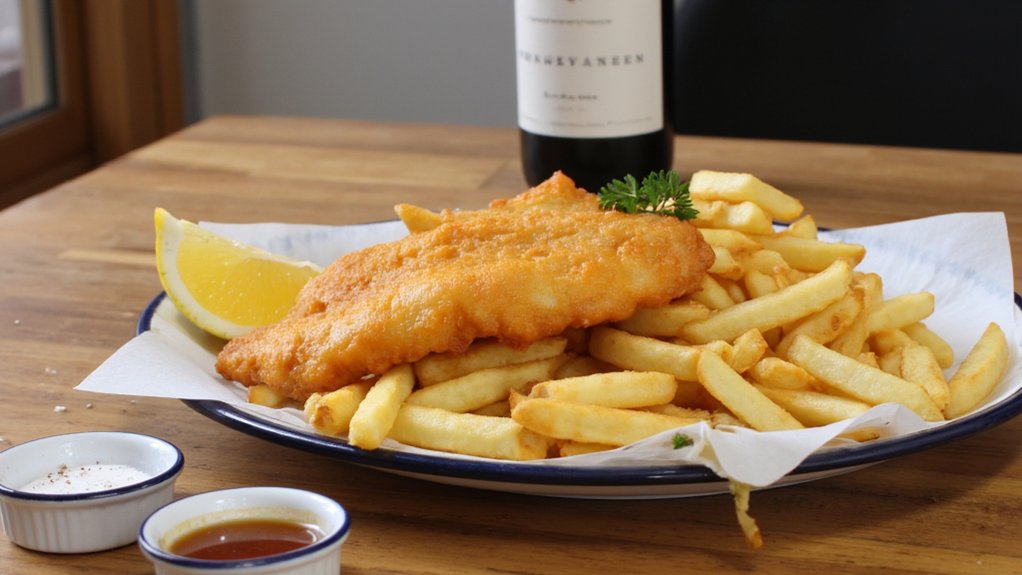
You don’t need fancy Champagne—what you’re really after is acidity and bubbles that cut through greasy batter. Prosecco, Cava, or even budget-friendly Muscadet’ll do the trick just fine, and they’ll save you some cash. The secret? High acidity washes away that oily coating and keeps your taste buds fresh between bites. Skip red wine entirely; tannins clash with fish oils and taste metallic. Chill whatever you pick to 45–50°F, grab a flute glass, and you’re golden—though there’s actually way more strategy behind picking the perfect bottle.
Key Takeaways
- Sparkling wines like Champagne and Prosecco cut through grease and refresh your palate between bites with high acidity and effervescence.
- Muscadet Sèvre et Maine offers wallet-friendly, brisk acidity and coastal minerality that perfectly balances crispy batter and fried fish.
- Acidity is the MVP of fish and chips pairings, washing away oil coating and keeping taste buds fresh throughout the meal.
- Avoid red wines due to tannins clashing with fish oils; they create unpleasant metallic tastes and amplify unwanted saltiness.
- Chill sparkling and white wines to 45–50°F and serve in appropriate glassware to maximize refreshment, aromatics, and pairing effectiveness.

Why Champagne Wins (But Isn’t Your Only Option)
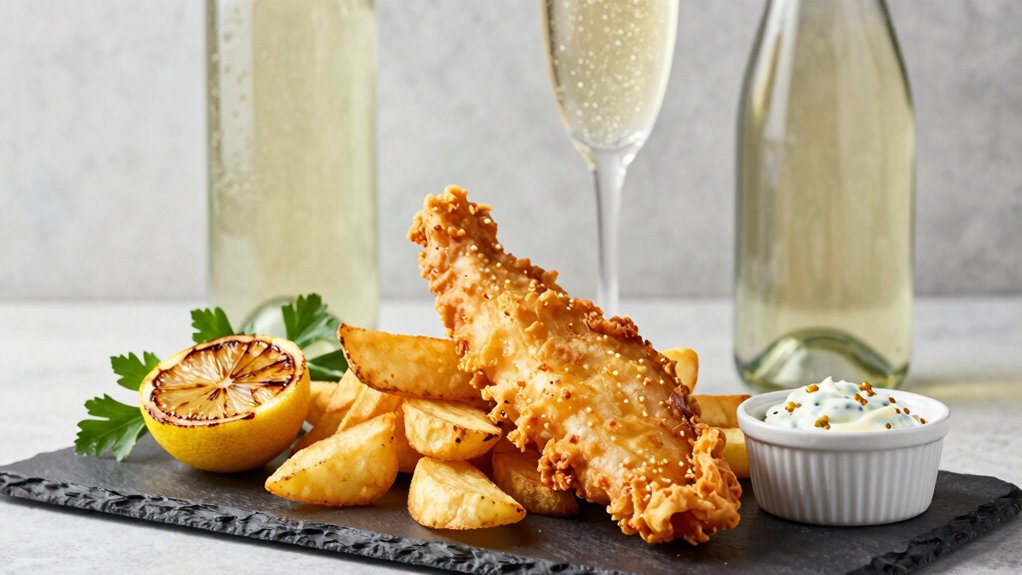
When you’re craving fish and chips, there’s something undeniably satisfying about popping open a bottle of Champagne to go with it. The bubbles cut right through that greasy, crispy batter like nothing else can, and honestly, it just feels fancy, you know? Those effervescent qualities refresh your palate between bites, making each forkful taste just as good as the first one.
But here’s the thing—Champagne isn’t your only option, even though it wins on pure style points. Prosecco and Cava deliver similar sparkly magic for way less money. If you’re skipping the toast rituals and bottle age pretension, these alternatives bring the same acidity and crispness that make fried fish sing. The Traditional Method used in Champagne production creates those refined bubbles that enhance the pairing experience, but Tank Method sparkling wines offer excellent results at a fraction of the cost. The real winner? Whatever sparkling wine you’ll actually enjoy drinking. That’s what matters most when you’re digging into golden, crispy fish and chips.
Match Wine to How You Cook Your Fish
Here’s the thing—how you’re cooking your fish actually changes everything about which wine’ll work best with it. If you’re going the battered and deep-fried route, you’ll want something with serious acidity and bubbles to cut through all that greasiness, like a crisp Prosecco or Muscadet that’ll feel invigorating with every bite. But when you’re grilling or pan-searing, you’ve got more flexibility, and that’s when a buttery Chardonnay or even a zesty Sauvignon Blanc can really shine without getting totally overpowered by fried richness. Remember that wine temperature significantly impacts your tasting experience, so serve your white wines chilled between 45-50°F for the best results.
Battered And Deep-Fried
Deep-fried fish and chips bring out the big guns when it comes to wine pairing, and you’ve got to shift your strategy accordingly. When that heritage batter hits the oil, you’re dealing with serious richness and crispiness that demands wines with real cutting power.
Here’s what’ll work best for street pairings:
- Champagne or Prosecco cutting through grease with bubbles and acidity
- Muscadet Sevre et Maine offering wallet-friendly balance around $10-15
- Albariño delivering coastal vibes that complement fried seafood perfectly
You’ll want high-acidity whites that refresh your palate between bites. Think of it like a lemon squeeze doing the heavy lifting. Effervescence is your best friend here, slicing through that battered richness like nobody’s business. Serve these wines chilled to 45-50°F to maximize their refreshing properties and aromatic intensity. Skip heavy wines entirely, trust me on this one.

Grilled Or Pan-Seared
Shift gears a bit, because grilled or pan-seared fish brings a totally different vibe to the table than that deep-fried stuff we just covered. You’re working with charred aromatics and a lighter preparation that lets the fish actually shine. That means you’ve got way more flexibility with your wine choices now. The crisp acidity found in wines like Sauvignon Blanc and Albariño helps cut through the natural oils in pan-seared preparations, much like how wine chemistry enhances seafood pairings across different cooking methods.
| Cooking Method | Best Wine Match |
|---|---|
| Pan-seared white fish | Sauvignon Blanc or Albariño |
| Grilled salmon | Chardonnay or Pinot Gris |
| Charred sea bass | Verdelho or Semillon |
| Buttery pan-seared halibut | Unoaked Chablis |
| Grilled branzino | Assyrtiko with citrus finish |
Without that heavy batter coating, you want wines with bright acidity and that citrus finish cutting through the natural oils. Riesling works beautifully here too, bringing fruity notes that compliment those charred edges without overwhelming delicate flavors.
The Best Sparkling Wines for Fish and Chips

When you’re craving crispy fish and chips, sparkling wine practically begs to join the party. The effervescence cuts right through that greasy, fried richness like nothing else can.
Here’s what makes bubbly so brilliant with your meal:
- Champagne’s crisp acidity and bubbles rejuvenate your palate between bites of battered fish
- Prosecco offers zippy, light-bodied crispness that contrasts beautifully with crunchy textures
- Cava Brut Nature delivers that dry, budget-friendly alternative without breaking the bank
Low alcohol fizz works especially well since you’re already enjoying hearty food. Think seasonal pairings too, like lighter sparklers in summer or richer options come winter. The key’s finding something with enough punch to cleanse your mouth, yet enlivening enough to keep you coming back for another chip and sip. You’ll find the bubbles do the heavy lifting, making every forkful taste even better. Prosecco’s bright acidity and floral aromas from its Glera grapes make it particularly well-suited for complementing the crispy, salty notes of your fish and chips.
White Wines That Work Better Than Champagne
While Champagne’s bubbles get all the glory, you might be missing out on some seriously stellar options that’ll actually do more heavy lifting for your fish and chips. White wines with serious acidity—think crisp Muscadet or zesty Sauvignon Blanc—cut through that greasy batter way better than sparkle alone, and they won’t drain your wallet like a fancy Champagne bottle will. Plus, when you match the wine’s texture to your fish’s preparation, whether it’s a buttery Chardonnay for creamy fillet or a lean, mineral Chablis for something lighter, you’re getting way more bang for your buck without sacrificing that perfect pairing magic.
Acidity Over Effervescence
Though champagne gets all the glory when it comes to fish and chips, there’s a whole lineup of still white wines that’ll actually do the job better in a lot of situations.
Here’s the thing: acidity hierarchy matters way more than bubbles. When you’re tackling greasy batter and salty fish, you want wines with serious staying power on your palate. Still whites deliver that punch without the fizz distraction.
Consider these alternatives:
- Muscadet from Loire Valley, crisp and mineral-driven, cleanses your palate like a lemon wedge
- Sauvignon Blanc with its grapefruit bite that cuts through richness effortlessly
- Chablis, unoaked Chardonnay with bright acidity and palate persistence that lasts
These wines let the acidity do the heavy lifting. No bubbles needed. Just pure, focused refreshment that keeps working through every bite.
Budget-Friendly Alternatives Shine
You don’t need to drop serious cash on a bottle of Champagne to get a genuinely better pairing with fish and chips. Honestly, some of your best cheap bubbles come from supermarket finds that’ll surprise you. Muscadet Sevre et Maine sur lie runs about $10-15 and its acidity cuts through that greasy batter like nothing else. Prosecco offers crisp, invigorating notes without the price tag, while Cava Brut Nature gives you that dry, sophisticated feel for half what you’d spend on actual Champagne.
Then there’s Albariño, a Spanish white that delivers serious acidity and coastal vibes perfectly suited to fried fish. Even dry Lambrusco Rosé works surprisingly well, adding complexity that expensive bottles can’t touch. You’re getting genuine pairing magic without emptying your wallet.


Texture Matching For Perfection
Matching the creamy, crispy texture of your fish and chips with the right wine is where things get really interesting. You’re not just looking for any white wine—you want something that creates a mouthfeel contrast, cutting through that batter microstructure beautifully.
Here’s what’ll blow your mind:
- Unoaked Chardonnay glides across your palate, its buttery notes mirroring creamy fish while its acidity slices through grease
- Muscadet’s crisp minerality dances against crunchy exteriors, rejuvenating your mouth between bites
- Albariño delivers zippy brightness that actually enhances salty, fried elements instead of fighting them
The trick? Don’t overthink it. Pick wines with enough body to stand up to richness, but sharp enough acidity to keep things lively. That’s when magic happens, honestly.
Regional Favorites: Muscadet, Albariño, and Coastal Wines
When you’re craving fish and chips, there’s something special about reaching for wines that come from the same coastal regions where this dish itself was born. Muscadet terroir from France’s Loire Valley is practically made for this pairing, offering crisp acidity that cuts through greasy batter like a charm. You’ll find these wines at bargain prices, typically $10-15, making them perfect for casual meals. Then there’s Albariño pairing, the Spanish coastal gem that delivers bright, zesty notes ideal for fried seafood. Both wines share that salty, maritime quality that just feels right alongside your fish. Whether you choose Muscadet’s mineral edge or Albariño’s citrus punch, you’re honoring the dish’s oceanic heritage while getting seriously delicious results.
Budget Picks: Prosecco, Cava, and Value Alternatives
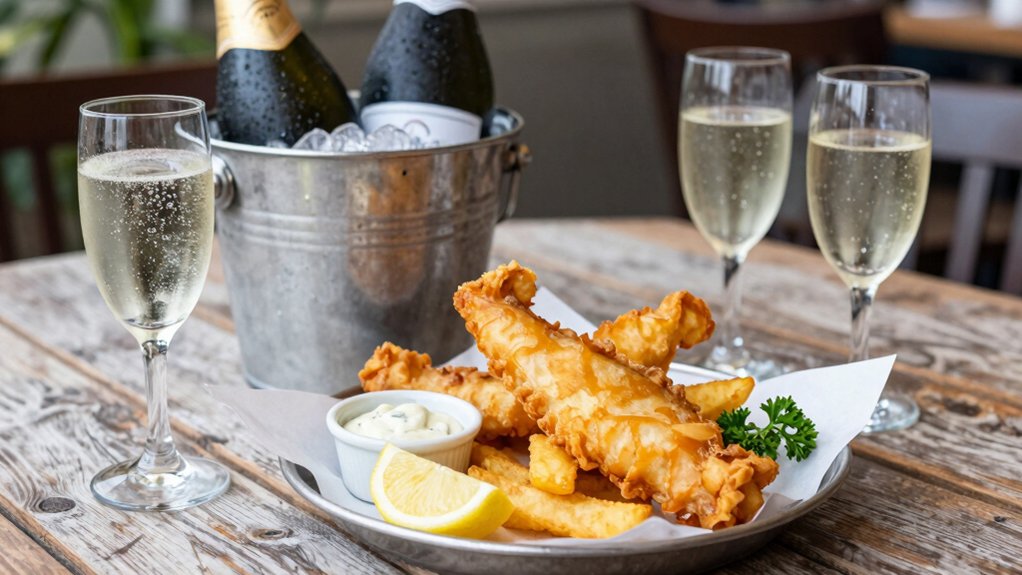
Most of us don’t need to drop serious cash to enjoy a stellar wine with fish and chips, and honestly, some of the best pairings won’t break the bank. You’ve got killer options that deliver serious flavor without emptying your wallet.
- Italian Prosecco brings crisp, light-bodied refreshment that cuts through fried richness like a charm
- Cava Alternatives, especially Brut Nature styles, offer that dry sparkle rivaling Champagne at half the price
- Muscadet Sevre et Maine sur lie sits around $10-15, balancing batter with impressive acidity
These sparkly picks work because effervescence slices through greasiness while zesty acidity mirrors a squeeze of lemon. Italian Prosecco’s zippy profile contrasts crunchy textures beautifully. Cava Alternatives provide budget-friendly sophistication without compromise. You’re getting restaurant-quality pairings for casual fish and chips nights.
When Rosé and Light Reds Actually Work
While you might think red wine and fish don’t mix, Spanish rosé’s fuller body actually rounds out all that salty, fried richness in surprisingly satisfying ways. Then there’s Beaujolais Villages, a light red with just enough acidity and low tannins to cut through the batter’s greasiness without tasting metallic against your fish—it’s honestly a secret weapon most people overlook. So if you’re tired of always reaching for white, these options prove that sometimes bending the pairing “rules” gives you something even better than playing it safe.
Spanish Rosé’s Fuller Body
Spanish rosés tend to surprise people who’ve only tried the delicate, bone-dry stuff from Provence. These fuller-bodied versions pack way more personality, thanks to their coastal influence and riper fruit character. You’re getting something that actually stands up to your fish and chips instead of disappearing on your palate.
Here’s what makes Spanish rosé so food friendly:
- Deeper salmon or coral color signals more body and fruit intensity
- Warmer climate strawberry and melon notes that dance with fried batter
- Slightly higher alcohol content that balances salty, greasy elements
The beauty is you’re not sacrificing freshness either. Spanish rosé delivers that crisp acidity you need while bringing enough weight to match your meal’s richness. It’s the Goldilocks option, honestly.
Beaujolais Villages’ Fat-Cutting Power
You’d think red wine with fish would be a hard pass, but Beaujolais Villages actually breaks all the rules in the best way possible. This light red’s secret? It’s got enough body to stand up to fried richness without creating that dreaded tannic clash you’d normally worry about with fish and oils. The wine’s bright cherry notes and peppery kick work overtime cutting through batter greasiness like nobody’s business. Here’s the thing though—serving temperature matters big time. You’ll want to chill it slightly, around fifty-five degrees, so it stays invigorating rather than flabby. That chilled approach keeps the fat-cutting acidity sharp and punchy, making each sip feel crisp and lively against your chips’ golden crunch. It’s basically proof that rules exist to be broken.
Why Tannins Ruin Fish and Chips
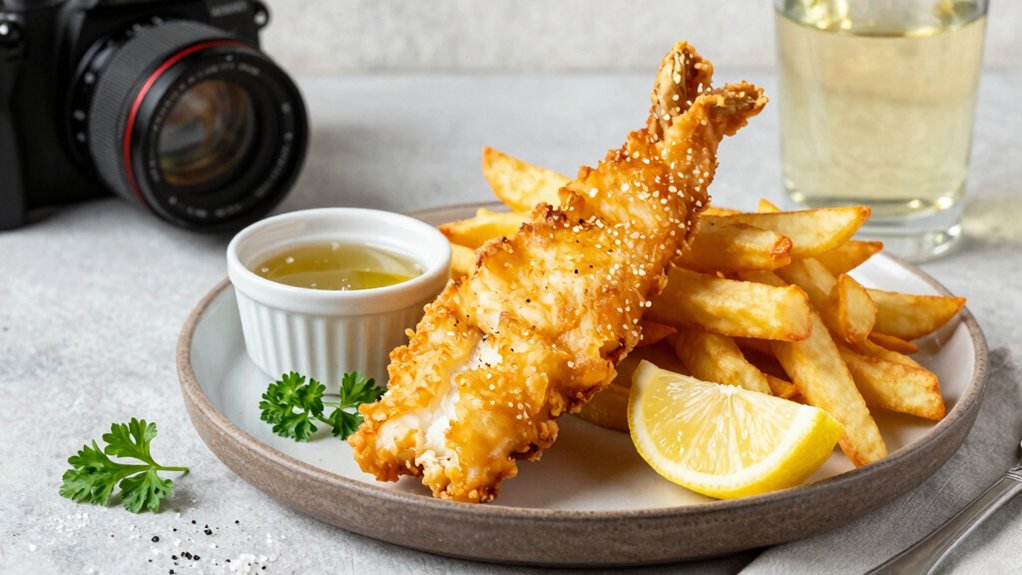
Because red wines contain tannins—those compounds that make your mouth feel dry and slightly pucker—they’re basically the enemy of fish and chips. Here’s why you’ll want to skip them:
- Tannin interaction with fish oils creates an unpleasant metallic taste that’ll make you grimace
- The dryness amplifies saltiness, leaving your palate parched and uncomfortable
- Oil binding with tannins produces a coating sensation that clashes with delicate seafood
When tannins meet the greasy, salty richness of fried fish, they don’t complement each other. Instead, they clash hard. The compounds bind with the dish’s oils, creating that nasty metallic flavor you definitely don’t want. Your mouth feels increasingly dry, making each bite less enjoyable. That’s why white wines with their lower tannin content work so much better. They let you actually enjoy your meal instead of fighting against it.
Champagne vs. Prosecco vs. Muscadet: How to Choose
Among the sparkling and crisp white options for fish and chips, three bottles stand out as the top contenders: Champagne, Prosecco, and Muscadet.
If you’re after that classic bubbly texture and don’t mind spending a bit more, Champagne’s your winner. The effervescence cuts through grease like nothing else, plus it’s got serious prestige.
Want something lighter on the wallet? Prosecco delivers zippy acidity and those invigorating bubbles without the price tag. It’s zippy, it’s fun, and it works beautifully.
Now Muscadet—specifically Sevre et Maine sur lie—is honestly underrated. You’ll snag a quality bottle for just $10-15, and it brings coastal minerality that pairs gorgeously with fried fish. The acidity balances batter perfectly. It’s the value pick that actually delivers.
Your Step-by-Step Fish and Chips Wine Buying Guide
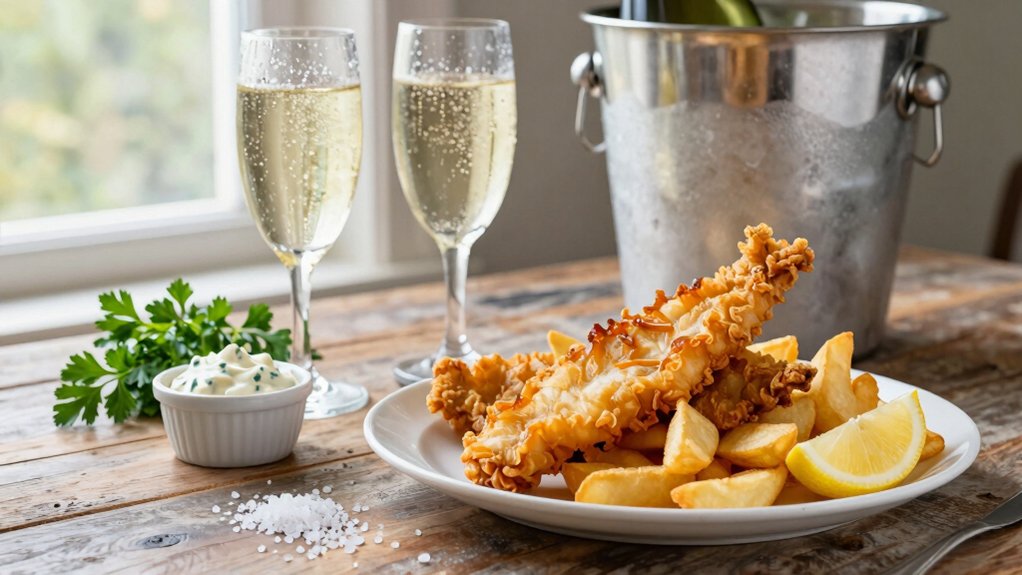
Finding the right wine for fish and chips doesn’t have to feel like you’re decoding a wine list in French. Here’s how to navigate your local wine shop like a pro.
- Check the label for acidity clues — look for words like “crisp,” “brut,” or “sur lie” that signal wines cutting through grease
- Time your shopping for weekday visits when staff aren’t swamped and can actually help you decode price tiers
- Ask about local sourcing options — regional sparkling wines often offer better value than imported Champagne
Start with budget-friendly picks around $12-18. Muscadet or Spanish Cava gives you serious bang for your buck. Once you’ve found what clicks with your palate, you’ll know exactly what to grab next time.
Frequently Asked Questions
You’ve probably got a bunch of questions bouncing around about what actually works with fish and chips, and honestly, we’re here to answer ’em without all the fuss. Whether you’re wondering if acidity really matters, which white wines hit different, or if you can sneak in a red wine without anyone judging you, we’ve covered the ground. Plus, we’ll touch on how to serve everything at the right temperature so you’re not fumbling around with warm wine when you should be enjoying crispy, hot chips.
What Wine Works Best?
What’s the one wine that’ll never steer you wrong with fish and chips? Champagne, hands down. The bubbles cut through grease like nothing else, and that crisp acidity balances the salty, fried goodness perfectly.
But here’s where pairing myths get busted. You don’t need to drop serious cash or stick to rigid regional contrasts. Consider these solid options:
- Prosecco – zippy, affordable, and crushes that crunchy texture
- Muscadet Sevre et Maine sur lie – Loire Valley classic around $10-15 that tackles batter brilliantly
- Cava Brut Nature – budget-friendly sparkling alternative with real depth
The truth? Any crisp white with high acidity works beautifully. Riesling, Albariño, even unoaked Chardonnay delivers. Don’t overthink it. Just grab something bubbly or acidic, chill it down, and enjoy your meal.
Does Acidity Matter Here?
Since acidity’s basically the MVP of fish and chips pairings, it’s worth understanding why it matters so much. Think of acidity like a tiny flavor reset button for your palate cleansing between bites.
| Wine Type | Acidity Level | Why It Works |
|---|---|---|
| Champagne | High | Cuts through grease effortlessly |
| Muscadet | High | Balances salty, fried elements |
| Prosecco | Moderate | Refreshes without overwhelming |
Here’s the thing: that crispy batter and rich fish oil can coat your mouth pretty quick. High acidity wines literally wash that coating away, keeping your taste buds fresh and ready for the next forkful. Your acidity perception sharpens when you’ve got the right wine working alongside your meal. It’s not fancy—it’s just practical chemistry making everything taste better.
How About White Varieties?
Now that we’ve covered why acidity’s doing the heavy lifting, let’s talk about which white wines actually deliver the goods with fish and chips.
You’ve got some solid options here. New Zealand Sauvignon Blanc brings that grapefruit punch that cuts right through the grease. Then there’s Riesling, which pairs brightness with fruity aromas that just harmonize beautifully with all that saltiness. And here’s where things get interesting:
- Zesty Verdelho enhances the meal with lush texture and crisp acidity that complements fried fish perfectly
- Aromatic Fiano works wonders with creamy potato scallops through its medium body and aromatic profile
- Albariño delivers ideal acidity for fried coastal cuisine, giving you that authentic pairing vibe
These aren’t fancy choices. They’re straightforward wines that actually work with your meal, not against it.
Can Red Wine Work?
Most people assume red wine’s off the table with fish and chips, and honestly, there’s a pretty good reason for that assumption. Red wine’s tannins can clash with fish oils, creating this metallic taste that’ll make you regret your choice. But here’s the thing: you can experiment with room temperature reds if you’re feeling adventurous.
Beaujolais Villages works surprisingly well, offering light, fruity notes that won’t overpower your meal. If you’re keen on gamay experimentation, this grape variety actually plays nicely with fried batter’s richness. The key is sticking with lighter reds that won’t compete aggressively with your fish. Honestly though, white wine remains your safest bet for maximum enjoyment.
Temperature And Serving Tips?
Getting the temperature right can honestly make or break your wine pairing experience with fish and chips.
Here’s what you need to know:
- Chill your sparkling wines and white wines to 45-50°F, which keeps them invigorating without numbing the flavors that balance your meal’s richness.
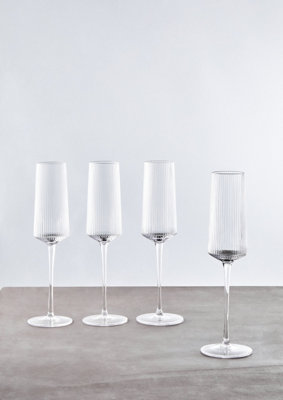
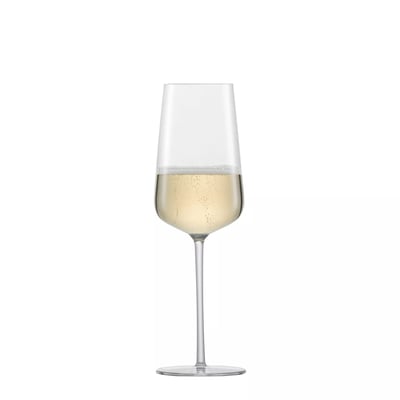
- Grab proper glassware selection matters more than you’d think, so use flute glasses for Champagne and standard white wine glasses for Chardonnay or Sauvignon Blanc to let those aromas shine.
- Don’t serve your wine ice-cold straight from the freezer, as extreme temperatures actually mask the acidity that cuts through fried batter so effectively.
A quick tip: let your bottle sit out for five minutes after chilling. You’re aiming for that sweet spot where effervescence stays lively and flavors remain vibrant, making every sip complement your chips perfectly.
Conclusion
You don’t need to break the bank on Champagne to nail your fish and chips pairing. Honestly, a crisp Muscadet or Albariño’ll do ya just fine. The key’s finding something with good acidity and bubbles to cut through that fried coating. So grab whatever speaks to you from our guide, chill it down, and enjoy your meal. You’ve got this.