Nothing wakes up Roquefort cheese quite like a glass of Sauternes—think sweet, golden, and loaded with honey and apricot magic. The combo hits that “OMG” spot, all juicy wine pitted against salty, creamy, crumbly cheese. It’s a flavor face-off where both sides win! Don’t have Sauternes? No sweat—grab a nice late-harvest Riesling or maybe some port. Spoiler: boring crackers will never taste as good. You want to find truly epic pairings? Just wait—there’s more.
Key Takeaways
- Sweet white wines like Sauternes are the classic and most harmonious pairing for Roquefort cheese.
- Other excellent options include Tokaji, late-harvest Riesling, and Monbazillac for their honeyed sweetness and balancing acidity.
- Sparkling wines such as Champagne or Crémant de Limoux cut through Roquefort’s richness with refreshing bubbles and acidity.
- Fortified wines like Port and sweet Sherry offer bold, jammy flavors that tame Roquefort’s salty tang.
- Avoid super-tannic reds; instead, try light, fruity reds like Pinot Noir or Beaujolais for a surprising match.

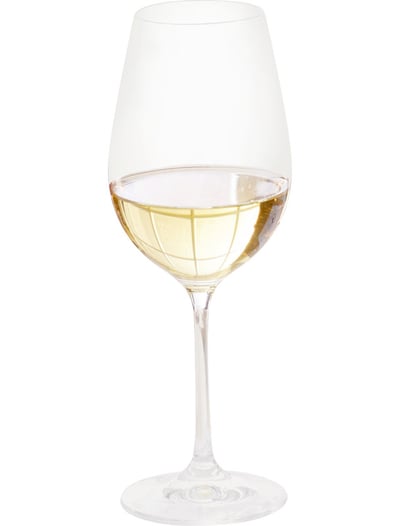
Understanding the Flavor Profile of Roquefort Cheese
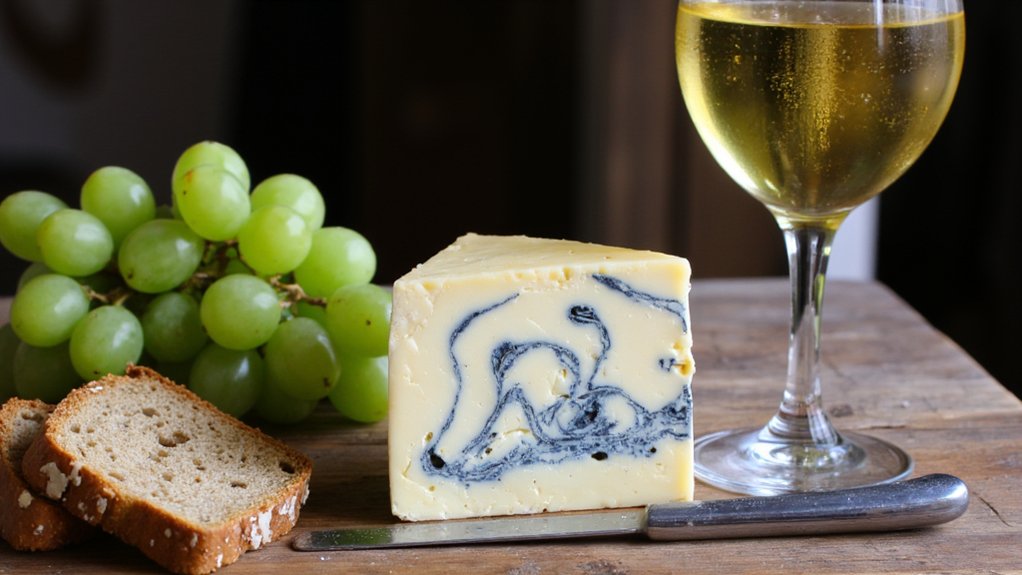
Blue cheese magic—that’s Roquefort to sum it up. You open the package, and bam! A wild party of aroma hits your nose—earthy, tangy, a little salty, and yes, funky in the best way possible. The flavor notes are bold: sharp, creamy, peppery, and there’s even a hint of sweet grass hiding somewhere in there if you pay close attention. Now, let’s talk cheese texture. Roquefort’s got this crumbly yet creamy thing going on, kind of like it can’t make up its mind, which just adds to the charm. It melts in your mouth but also holds its own on a cracker. If you’ve never tasted it, you’re in for a ride. Grab a napkin—things might get drooly!
Classic Pairing: Sauternes and Roquefort
So you’ve got this wild, funky Roquefort staring you down, basically daring you to find a wine that can keep up. Don’t sweat it—Sauternes is your secret weapon. The Sauternes characteristics—lush sweetness, gold color, rich honey and apricot notes—are like a velvet cape draped over Roquefort’s blue-veined boldness. It’s a classic combo, rooted in Roquefort history and centuries of French know-how. Why does it work? Sweetness tames salty tang, and the wine’s acid slices right through the cheese’s creamy chaos. Here’s how the magic happens:
| Roquefort Trait | Sauternes Response | The Result |
|---|---|---|
| Sharp tang | Honey sweetness | Bold, balanced bite |
| Creamy texture | Crisp acidity | Lively contrast |
| Salty punch | Lush fruit notes | Dreamy harmony |
Exploring Other Sweet White Wines

While Sauternes might be the all-star quarterback when it comes to tackling Roquefort, it’s definitely not the only sweet white wine worth inviting to the party. You’ll find a whole lineup of dessert wines from different wine regions that know how to score big with this blue cheese. Ever tried a luscious Tokaji from Hungary? Or maybe a honeyed late-harvest Riesling from Germany? They bring sweetness and acidity that wrestle Roquefort’s tang into a delicious armistice. Fancy a French Monbazillac or an Italian Vin Santo? You’ll be amazed at how these bottles transform the salty, creamy bite of the cheese. The world of dessert wines is wide open, so don’t just stick to Sauternes—let your tastebuds travel and have a little fun.

Red Wines That Work Surprisingly Well
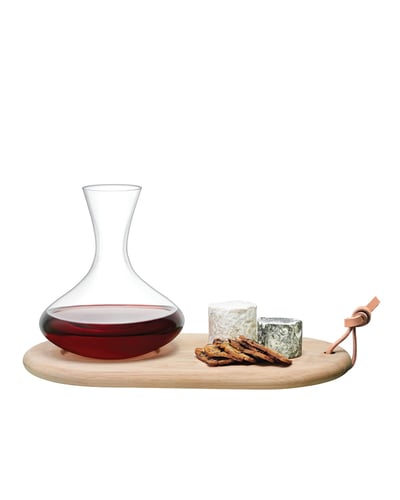
You might not expect red wine to play nice with Roquefort, but some reds actually pull it off—and with style. Think light reds with a zippy acidity or fruity bottles that can stand up to all that salty, funky blue, because let’s face it, Roquefort doesn’t exactly whisper. And sure, big tannins usually wrestle blue cheese to the ground, but sometimes a little tension makes things way more interesting (like a rom-com, but for your taste buds).
Light Reds With Acidity
Even though most folks reach for sweet wines when Roquefort’s on the cheese board, there’s a little secret the adventurous know: light, zippy reds can be absolute magic here. You might be thinking, “Red wine? With blue cheese?” Trust me, it’s a wild card that pays off. Light reds—think Pinot Noir or Gamay—bring just enough acid balance to cut through Roquefort’s creamy, salty punch. They don’t overpower, and they sure don’t argue with all that blue-veined intensity. Instead, they play referee, keeping each bite lively and fresh. You’re skipping the sugar rush and heading straight for a tangy, savory thrill ride. So go on, pour a glass, and surprise your taste buds. Who knew balance could be this much fun?
Fruity Reds For Balance
Because Roquefort can be, well, a bit of a show-off—salty, creamy, full of blue swagger—you might assume only sweet wines can handle the drama. But here’s a twist: fruit forward blends and juicy varietals can actually hold their own and even steal a little of the spotlight. Don’t believe me? Try pairing Roquefort with a red that’s bursting with berries or cherries. You’ll get a revitalizing pop of fruit that balances all that blue cheese bravado, leaving your taste buds both surprised and delighted.
- Try a zesty Beaujolais for a burst of red fruit
- Go for a Grenache with plenty of ripe cherry notes
- Experiment with a fruit-packed Zinfandel
- Pop open a Pinot Noir, especially from California
You’ll thank yourself for trying it!
Tannins Versus Blue Cheese
Let’s bust a myth—big, tannic reds and blue cheese aren’t mortal enemies. Sure, you’ve probably heard that tannins impact blue cheese compatibility in “scary” ways, but let’s get real: some reds can shine with Roquefort. The trick is finding the right combo of boldness and creaminess, letting those flavors dance instead of clash. You might be surprised how a powerful wine can tame blue cheese’s wild side, while the cheese softens those tannins just enough.
Here’s a quick cheat sheet:
| Red Wine | Why It Works With Roquefort |
|---|---|
| Malbec | Rich fruit cuts through saltiness |
| Cabernet Franc | Earthy notes echo blue veins |
| Syrah/Shiraz | Peppery spice matches tang |
Dare to experiment! Your palate might just thank you.
Sparkling Wines and Blue Cheese: A Match Made in Heaven
While it might sound a bit wild at first, sparkling wines and blue cheese—especially Roquefort—are like that unlikely couple at a party who end up stealing the show. You know, the ones everyone talks about on the ride home. The fizz in sparkling styles slices right through Roquefort’s creamy richness, and the bubbles lift all those bold flavors, making each bite more exciting than the last. Let’s break down why this combo works so well:
- Crisp acidity scrubs your palate, making you crave another bite.
- Effervescence tames Roquefort’s salty edge, balancing out the flavors.
- Pairing principles say opposites attract—sweetness and salt, zing and cream.
- Dry or off-dry sparkling wines (think Champagne) are especially magical. Additionally, the texture and flavor profile of both cheese and wine play a significant role in creating harmonious pairings.
Don’t knock it till you’ve tried it!
Fortified Wines: Port, Sherry, and Madeira

If you thought bubbly was a fun twist with Roquefort, just wait till you meet its rich, mysterious cousins—fortified wines like Port, Sherry, and Madeira. These aren’t just after-dinner sippers for your grandma. Port varieties, from ruby to tawny, bring sweet, jammy tasting notes that tame Roquefort’s wild side. Sherry styles? Fino and manzanilla are zippy and salty, while cream sherry goes full dessert mode—each one offering a different kind of food pairing magic. And Madeira types are practically immortal, with nutty flavors and a caramel kick that’ll make your tastebuds dance. Honestly, if you haven’t dunked a chunk of Roquefort into a glass of fortified wine, you’ve only been living half a cheese life. What are you waiting for?
Lesser-Known Pairings to Try
If you think Roquefort only plays well with classics, you’re in for a cheesy surprise. Sweet white wines—yes, even that odd bottle your aunt brought last Thanksgiving—can be magical, and don’t even get me started on the bubbly matches that’ll make your taste buds feel like they’re at a disco. Ready to shake things up and maybe even shock your wine snob friends?
Sweet White Surprises
Even though everyone raves about classic blue cheese and Sauternes pairings, you’re missing out if you stop there—seriously, there’s a whole world of sweet white surprises waiting to shake up your Roquefort experience. Don’t just stick to the old favorites; think outside the cheese box! There are sweet wine varieties and dessert wine options that’ll make your taste buds dance like no one’s watching. Ready to venture into the unknown? Try these:
- Tokaji Aszú: Hungarian magic in a glass, all honeyed apricot and wildflowers.
- Ice Wine: Liquid gold from Canada or Germany, with a zingy, juicy punch.
- Late Harvest Riesling: Sweet, tart, and totally underrated.
- Muscat de Beaumes-de-Venise: A French classic—light, floral, and oh-so-sippable.
Go on, get a little adventurous!
Sparkling Wine Matches
Honestly, who says bubbles are just for birthdays and brunch? If you’ve never tried a sparkling wine with Roquefort cheese, you’re missing out on a party for your tastebuds. The lively sparkling profiles, from bone-dry Champagne to zesty Cava, cut straight through Roquefort’s creamy, blue-veined power. It’s like fireworks meeting velvet—totally unexpected but somehow perfect. Those crisp bubbles scrub your palate clean after each bite, letting you experience the cheese textures anew, again and again. And let’s be real, even if you can’t pronounce “Crémant de Limoux,” you’ll love what its fizz does to that salty tang. Next time you’re reaching for a wedge of Roquefort, ditch the obvious and try a bottle that pops—because cheese deserves a little sparkle too.
Tips for Building a Cheese Board With Roquefort

While curating a cheese board featuring Roquefort, you’re not just slapping cheese on a plate and calling it a day—oh no, you’re creating a full-on flavor experience. You want a board that looks as good as it tastes, so cheese board aesthetics matter almost as much as flavor contrasts. Think of it like painting with food—only here, your medium is creamy blue veins and golden crackers.
- Add dried fruits and honey for sweet notes that mellow Roquefort’s punch.
- Include different textures—think crisp apples, crusty bread, or crunchy walnuts.
- Go for visual pop with colorful accompaniments like grapes or figs.
- Mix in mild cheeses so your guests don’t have a blue cheese meltdown.
Get creative. Have fun. And remember—snacking should be an adventure!
Common Mistakes to Avoid When Pairing Wine With Blue Cheese
Let’s be real—pairing wine with blue cheese isn’t always a walk in the park, and if you just grab any old bottle off the shelf, you might end up with a flavor trainwreck. One of the most common pairing misconceptions is thinking a bold cheese needs an even bolder wine—nope! That’s a recipe for palate overload. Instead, focus on acidity balance tips. A wine with a touch of sweetness or vibrant acidity (think Sauternes or a zippy Riesling) can tame that salty, punchy blue and make your taste buds do a happy dance. And please, don’t go with super-tannic reds. They’ll clash like socks and sandals. Remember, pairing is about harmony, not a cage match. Your cheese—and your guests—will thank you. Additionally, understanding flavor profiles of the cheese can enhance your wine selection, ensuring a more enjoyable tasting experience.
Frequently Asked Questions
How Should Roquefort Cheese Be Stored After Opening?
After opening, you should keep Roquefort cheese storage in ideal conditions by wrapping it in wax or parchment paper, then placing it in an airtight container. Store it in your fridge’s vegetable drawer, where humidity and temperature remain stable.
Is Roquefort Cheese Safe for Pregnant Women?
If you’re concerned about pregnancy safety and cheese consumption, you shouldn’t eat Roquefort cheese while pregnant. It’s a blue cheese made from unpasteurized milk, which increases your risk of listeria infection, potentially harming your baby.
What Are the Best Non-Alcoholic Drinks to Serve With Roquefort?
You’re looking for non alcoholic pairings that complement Roquefort’s bold flavor profiles. Try sparkling apple cider, pear nectar, or chilled grape juice. These drinks balance the cheese’s saltiness and enhance its creamy, tangy notes beautifully.
Can Roquefort Be Used in Cooking, and if So, How?
You can definitely use Roquefort in cooking—it’s amazing in Roquefort recipes like salads, pastas, or even steaks. Try melting it into Roquefort sauces for a rich, tangy flavor that enhances your dishes beautifully.
How Long Does Roquefort Cheese Last Once Opened?
Once you’ve opened Roquefort, its cheese shelf life depends on storage conditions. If you wrap it tightly and keep it in the fridge, you’ll usually get about two to three weeks before quality declines or mold develops.