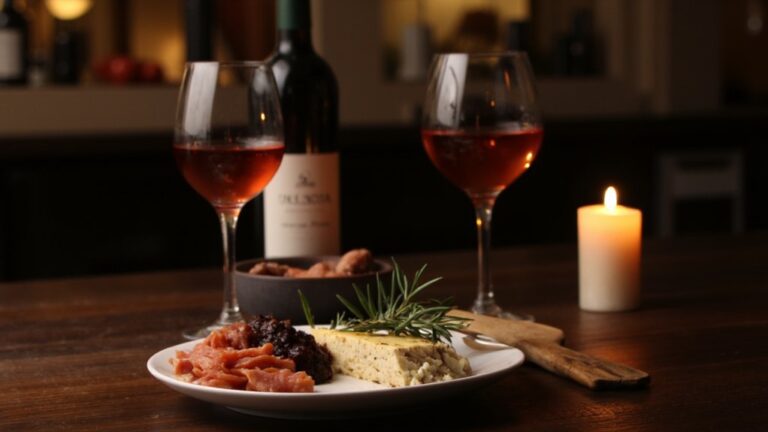
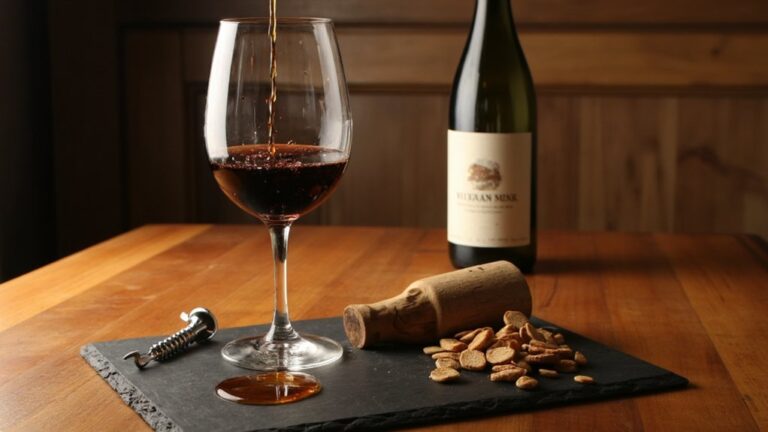
Ever wondered what makes Vin Santo so special? Picture a golden, sweet Tuscan wine that tastes like dried apricots and toasted almonds, with a story that stretches back to medieval monasteries. You pour a glass and instantly feel like you’re at an Italian feast, but there’s more to this enchanting drink than meets the eye—wait till you hear how it’s made and why people still seal it with wax. Curious yet?
Key Takeaways
- Vin Santo is a traditional Tuscan dessert wine known for its golden color, honeyed aromas, and dried fruit flavors.
- It is made primarily from dried Trebbiano and Malvasia grapes, which intensify the wine’s sweetness and complexity.
- Vin Santo undergoes lengthy aging, often in small barrels, developing rich, nutty, and caramelized notes over time.
- It is typically served slightly chilled in small glasses, often paired with cantucci almond cookies for dessert.
- Vin Santo holds cultural significance in Tuscany, symbolizing hospitality and tradition, and is enjoyed during celebrations and special occasions.


Tuscan Dessert Wine Definition

Dessert wine. That’s what Vin Santo is at its core, but you’re in for so much more than just sweetness in a glass. With Tuscan origins, this luscious nectar isn’t just any after-dinner drink—it’s a celebration of centuries-old winemaking. You’ll notice dessert characteristics right away: honeyed aromas, dried fruit flavors, and sometimes a nutty finish that’ll make you want to slow dance with your glass. Sip it, and you’ll taste sunshine, rolling hills, and maybe a little bit of magic. Vin Santo’s golden color practically winks at you in the light, daring you to take another sip. If you think dessert wine is just for the end of a meal, well, Tuscany might just change your mind.
Medieval Monastery Wine Traditions
Long before Vin Santo graced your glass, monks in medieval monasteries were the real MVPs of the wine world. Imagine this: you’re wandering through ancient stone halls, and the air is thick with the scent of fermenting grapes. These monks weren’t just praying—they were perfecting the art of winemaking. Through strict monastic traditions, they recorded every step and tweak, creating a legacy that shaped how wine was made across Europe.
You might find it funny, but these holy men sometimes enjoyed a little sip, too—quality control, right? Their dedication gave Vin Santo its historical significance, passing down secret methods and rituals. So, next time you raise a glass of Vin Santo, give a silent nod to those robed innovators who started it all.
Trebbiano and Malvasia Grapes

Grapes are the real stars behind Vin Santo, and two names you’ll hear over and over: Trebbiano and Malvasia. If you think grape varieties don’t matter, think again—these two are like the dynamic duo of sweet Italian wine. Trebbiano brings crispness and a gentle touch, kind of like the reliable friend who always shows up on time. Malvasia, on the other hand, is the life of the party, adding those floral, almost cheeky notes that make you smile. The magic really begins during the fermentation process, where these grapes work together, turning sugars into rich, golden nectar. It’s teamwork, but with a delicious outcome—no need for superhero capes here, just a bottle and a glass. Cheers to grape power!


Dried Apricot and Almond Notes

Sunshine in a glass—that’s what you’ll find when you take your first sip of Vin Santo and catch those dried apricot and almond notes wafting up from the rim. You can almost picture a Tuscan orchard, can’t you? This wine’s signature dried fruit aromas leap out first. Let them dance around your nose a bit. Then you’ll notice those nutty flavors, as if someone just cracked open a fresh almond right under your nose. It’s a combo that feels both familiar and totally new. Swirl it, sip it, let the flavors linger. There’s warmth, sweetness, and a gentle earthiness that keeps you coming back for more. Vin Santo is basically dessert for your senses—with a little bit of Italian sunshine thrown in.
Famous Vin Santo Wine Brands
When you’re ready to plunge into the world of Vin Santo, you’ll want to know which bottles are worth hunting down. Trust me, it’s a delicious journey. The most famous Vin Santo producers come from Tuscany, but don’t forget about charming vin santo regions like Umbria and Trentino. Each bottle sings with its own personality—some bold, others silky, all unforgettable. If you want to impress your friends or just treat yourself, here are four legendary names you’ll want to remember:
- Avignonesi – A Tuscan classic, rich and velvet-smooth.
- Capezzana – Their Vin Santo ages forever and tastes divine.
- Fèlsina – Bold, expressive, and oh-so-memorable.
- Castello di Volpaia – Zesty and full of Tuscan sunshine.
Go on, let your tastebuds dance.
Popular Vin Santo Choices For Any Budget

No matter what your wallet’s saying, you’ll find a Vin Santo that fits just right—there are tasty bargains under $20, some solid mid-range picks between $20 and $100, and seriously fancy bottles that’ll make your credit card sweat above $100. You don’t have to be a millionaire or a monk to enjoy this legendary dessert wine, but hey, if you want to splurge, who’s judging? Let’s check out the options, whether you’re saving up for a pizza night or planning to impress your most dramatic in-laws.
Bargain Vin Santo Wines Under $20
- Avignonesi Vin Santo di Montepulciano (Tuscany) – sweet, nutty, caramel, balanced acidity, affordable
- Rocca delle Macìe Vin Santo (Tuscany) – dried fruit, honey, almond, mellow, approachable
- Banfi Centine Vin Santo (Tuscany) – golden, smooth, notes of fig, budget-friendly
- Fattoria La Vialla Vin Santo (Tuscany) – organic, rustic, raisin, toffee, good value
- Castello Banfi Grappa Vin Santo (Tuscany) – delicate, floral, hints of spice, lighter style
Mid-Range Vin Santo Wines Between $20-$100
- Avignonesi Vin Santo di Montepulciano (Tuscany) – rich, dried apricot, caramel, long finish, classic benchmark
- Capezzana Vin Santo di Carmignano (Tuscany) – honeyed, nutty, fig, balanced acidity, elegant
- Isole e Olena Vin Santo del Chianti Classico (Tuscany) – almond, orange peel, silky, complex, traditional
- Fèlsina Vin Santo del Chianti Classico (Tuscany) – toffee, dried fruit, spice, smooth, persistent
- Castello di Querceto Vin Santo del Chianti Classico (Tuscany) – golden, raisin, vanilla, round, well-integrated sweetness
High-End Vin Santo Wines Above $100
- Avignonesi Occhio di Pernice Vin Santo di Montepulciano (Tuscany) – rare, opulent, fig, tobacco, immense depth, legendary dessert wine
- Capezzana Riserva Vin Santo di Carmignano (Tuscany) – complex, dried fruit, caramel, nuts, unctuous, long aging
- San Giusto a Rentennano Vin San Giusto (Tuscany) – intense, dried apricot, almond, honeyed, silky, profound concentration
- Fèlsina Vin Santo di Chianti Classico Riserva (Tuscany) – elegant, spicy, rich, hazelnut, persistent, masterful craftsmanship
- Isole e Olena Vin Santo di Chianti Classico Riserva (Tuscany) – lush, candied citrus, marzipan, layered, exceptional balance
Classic Vin Santo Wine Food Pairings

When you’re ready to access the pleasures of Vin Santo, classic food pairings will take your experience to the next level. You might think of it as just a dessert wine, but there’s so much more to explore! In Tuscany, dipping crunchy cantucci (almond biscotti) into Vin Santo is a beloved ritual. Sweet, nutty, and just a little rebellious—who says you can’t play with your food?
Here are four classic pairings guaranteed to make your taste buds sing:
- Cantucci biscotti—crunchy, sweet, and perfect for dunking.
- Blue cheeses—the saltiness highlights Vin Santo’s honeyed notes.
- Dried figs or apricots—fruity, chewy, and oh-so-yum.
- Rich desserts like panna cotta or tiramisu—luxury in every bite.
Dive in, savor, and smile!
Vin Santo Barrels Sealed With Wax
After all that talk of dunking biscotti and spooning up tiramisu, you might be wondering how Vin Santo gets its signature magic in the first place. Here’s a fun secret: it’s not just about the grapes or the sun-dried raisins. The real wizardry? Barrel aging, and—wait for it—those classic wax sealing techniques. Imagine this: barrels filled with golden liquid, their wooden staves soaked with flavor, and then, each one gets sealed tight with a thick layer of wax. It’s kinda like putting a snug beanie on your favorite winter mug. The wax stops air from sneaking in, locking in all those developing aromas and rich flavors. Old-school? Absolutely. But that’s half the charm. And honestly, who doesn’t love a bit of wine drama?
Does Vin Santo Wine Age Well?
So, does Vin Santo wine actually get better with age, or is that just another grape-fueled myth? Good news: it’s the real deal! Vin Santo’s aging potential is legendary. If you’re patient (and can resist temptation), letting a bottle rest in proper wine storage conditions pays off big time. The flavors grow richer, the texture silkier, and the aromas—wow—soar to new heights. You’ll notice dried fruit, honey, and even a nutty kick that wasn’t there before. Just imagine opening a bottle from a decade ago and tasting pure Tuscan history. Store it on its side, keep it cool and dark, and you’re golden. So, yes—Vin Santo ages like a fine Italian opera. It just gets better and better.
Vin Santo Wine Serving Tips
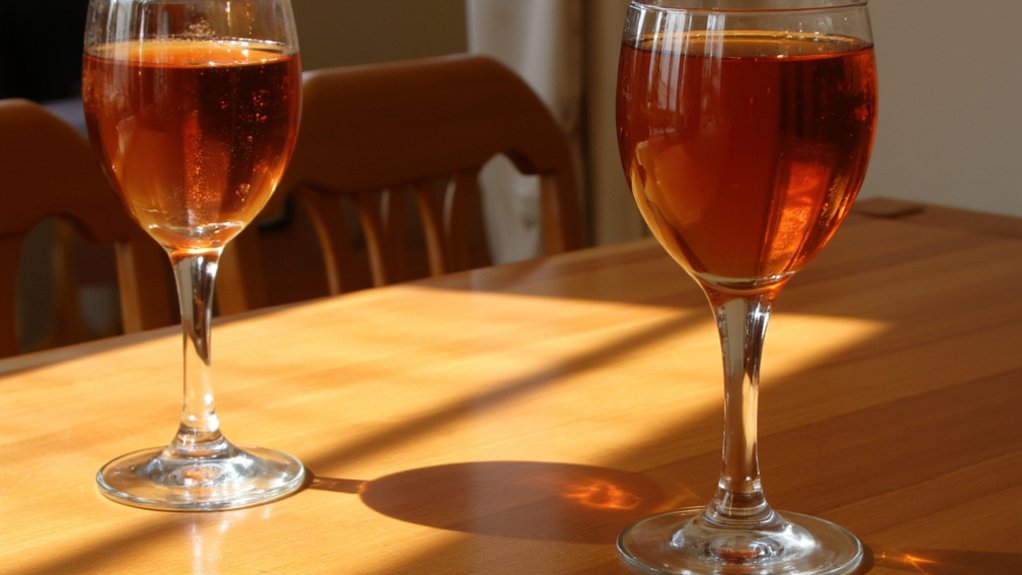
Ever wondered how to serve Vin Santo like a true Tuscan? You’re about to nail vin santo serving like an Italian pro! First, don’t just pop it open and pour—Vin Santo deserves a little more love. The ideal vin santo temperature is slightly chilled, around 12–14°C (54–57°F). This brings out its magical flavors and aromas.
Here’s how you can turn a simple bottle into an unforgettable moment:
- Chill it gently—not too cold, not room temp, just Goldilocks perfect.
- Pick small glasses to amplify those sweet scents and flavors.
- Pair with cantucci (almond cookies) for a classic, heartwarming combo.
- Pour slowly and savor each golden drop—pretend you’re in Tuscany!
Ready to wow your friends? Buon appetito!
Similar Wines to Vin Santo Wine
Now that you’ve got Vin Santo serving down like a Tuscan nonna, it’s only natural to get curious about what else is out there in the delicious world of sweet, golden wines. You might spot some Vin Santo similarities in other classics like France’s Sauternes, which drips with honey, apricot, and “wow.” Or maybe you’ll want to try Hungary’s Tokaji, a sweet wine alternative known as “the king of wines,” which is basically dessert in a glass. Keep an eye out for Spain’s Pedro Ximénez sherry, too; it’s rich, raisiny, and dangerously drinkable. Even Madeira from Portugal brings caramel and nutty notes that’ll make you grin. Each has its own story, but they all scratch that Vin Santo itch.
Frequently Asked Questions
Is Vin Santo Suitable for Vegans or Vegetarians?
When you choose Vin Santo, always check the label for vegan ingredients, since some producers use animal-based agents during wine clarification. While some Vin Santos are vegan-friendly or vegetarian, others aren’t, so it’s best to confirm.
Are There Any Health Benefits or Risks Associated With Vin Santo?
When you drink Vin Santo, you’ll enjoy antioxidants that may offer health benefits, but you should also watch for potential risks like high sugar and alcohol content. Drink moderately to avoid negative impacts on your health.
Can Vin Santo Be Used in Cooking or Baking Recipes?
You can use Vin Santo in various cooking applications, especially in dessert recipes. It adds rich, nutty flavors to cakes, sauces, or even soaked biscuits. Don’t hesitate to experiment; you’ll enhance your dishes beautifully.
What Is the Alcohol Content of Vin Santo Wine?
When you drink Vin Santo, you’ll notice its alcohol percentage usually ranges from 14% to 17%, depending on the wine types and producer. Always check the label, since different Vin Santo wine types can vary in strength.
How Should Vin Santo Be Stored After Opening?
After opening Vin Santo, you should use proper storage methods—seal the bottle tightly and refrigerate it. This way, you’ll extend its opened lifespan, keeping its flavors fresh for up to two weeks for ideal enjoyment.