Ever wondered what makes Soave wine so special? Picture yourself sipping something crisp and lively, with a hint of citrus and maybe a sneaky almond note sneaking up on your taste buds. It’s fresh, it’s Italian, and honestly, it’s the kind of white wine that just begs for a second glass. But what’s the real story behind this Venetian classic—and could it be your new favorite dinner sidekick? Let’s find out.
Key Takeaways
- Soave is a signature white wine from Italy’s Veneto region, primarily made from the Garganega grape.
- It is known for its light, crisp, and lively character with notes of citrus, almond, and wildflower.
- Soave’s history dates back to medieval times, reflecting deep-rooted tradition and traditional grape-growing techniques.
- The wine pairs well with a range of foods, especially seafood, risotto, and herb-seasoned poultry.
- Notable producers include Pieropan, Inama, and Suavia, and similar alternatives are Verdicchio, Pinot Grigio, Lugana, and Gavi.

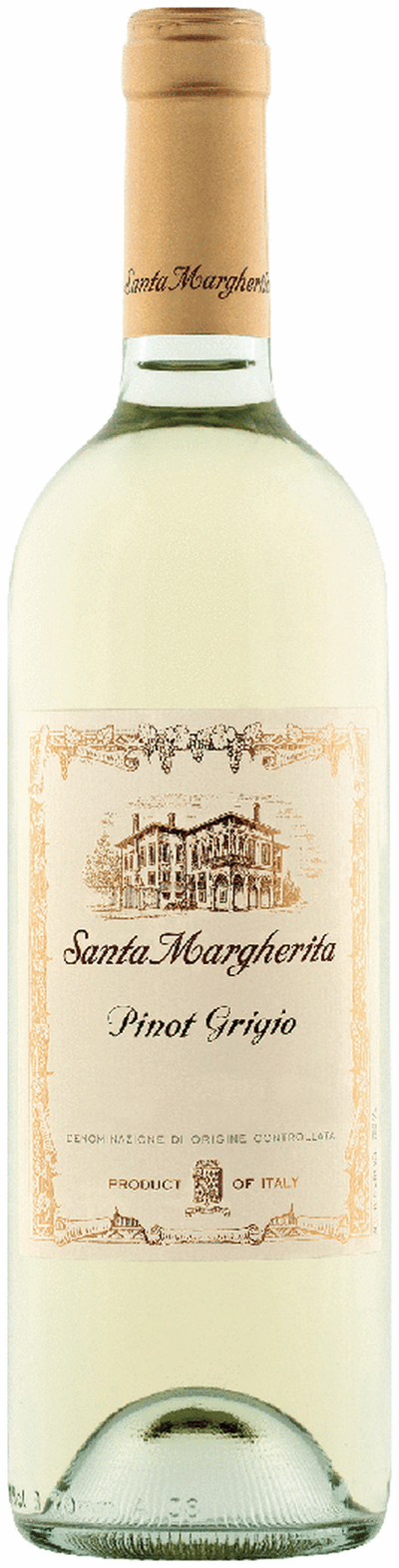
Veneto’s Signature White Wine

While you might think Italy’s most famous wines all come from sun-drenched, red-grape vineyards, let’s take a quick detour to the rolling hills of Veneto, where Soave reigns as the region’s signature white wine. You’ll find that Soave history is surprisingly rich, with this crisp, invigorating white quietly climbing the ranks of Italy’s most beloved wines. The secret? It’s all about Soave production. Winemakers use mainly Garganega grapes, carefully tending the vines and picking at just the right moment. Each bottle sings with notes of citrus, almond, and sometimes a cheeky whiff of wildflower. The result is a wine that’s light, lively, and shockingly food-friendly. So, if you ever doubted white wine’s star power, Soave’s ready to change your mind!
Medieval Soave’s Wine Roots
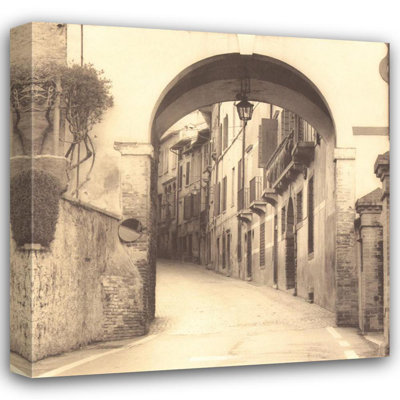
Let’s wind the clock back a bit—before Soave became a dinner-table staple and a sommelier’s secret weapon, the story started in the heart of medieval Italy. Picture those rolling hills, dotted with castles and cloaked in mist, where monks and farmers tinkered with medieval winemaking. You’d find Soave history woven into every hillside vineyard, with local records hinting at wines enjoyed by knights, nobles, and maybe even a few cheeky peasants sneaking a sip. Folks took grape growing seriously, using old-school tools and plenty of trial and error. It wasn’t glamorous—think less royal banquet, more muddy boots—but it worked. Soave’s roots run deep, shaped by centuries of tradition, patience, and just a dash of medieval mischief. Cheers to that!
Garganega: Soave’s Main Grape

If you want to know Soave’s secret weapon, it’s all about Garganega. This grape gives Soave its signature style, and you’ll find it’s not just any old white grape. Garganega characteristics set it apart: think crisp, fresh vibes with a touch of elegance. It’s lively, but not too wild, kinda like your favorite friend at a party who just gets everyone talking.
Now, let’s talk Garganega terroir. This grape loves Soave’s volcanic hills and mineral-rich soils. It soaks up the sun, chills with the cool breezes, and turns all that geography into pure deliciousness. The result? A wine that’s light yet complex, smooth but never boring. If you enjoy wines that surprise you, Garganega’s your new best pal.


Notes of Almond and Citrus

Garganega sets the stage, but it’s those notes of almond and citrus that really steal the show in a glass of Soave. You’ll notice almond aromas wafting up the moment you take a sniff—almost like someone snuck a handful of nuts into your glass just for fun. Then, take a sip and zing! The citrus flavors burst onto your tongue, fresh and lively, like biting into a juicy lemon or orange. It’s a combo that’s both inviting and a little surprising, making each sip feel like a mini adventure. You might even catch yourself grinning. Soave manages to balance these playful almond and zesty citrus notes in a way that keeps you coming back for more, sip after sip.
Famous Soave Wine Brands
Once you start exploring the world of Soave, you’ll quickly notice a handful of brands popping up again and again, almost like the cool kids at a high school dance. These famous brands stand out for their quality, consistency, and, let’s be honest, a little bit of swagger. If you’re ready to dip your toes into Soave wine, you’ll want to keep your eyes peeled for these names:
- Pieropan – The OG of Soave, Pieropan’s wines have serious street cred.
- Inama – These folks know how to coax elegance from Garganega grapes, and their labels look as good as their bottles taste.
- Suavia – A family-run icon, and their wines have a devoted following (for good reason).
Go ahead, invite these stars to your next dinner party.
Popular Soave Choices For Any Budget

No matter what you’ve got to spend, there’s a Soave out there with your name on it. You can grab a crisp, zippy bottle for under $20, treat yourself to a richer mid-range pick, or—even better—go all out and impress your friends with a high-end Soave that costs more than your last haircut. Ready to see which bottles make the cut for every budget, and maybe find your new favorite, too?
Bargain Soave Wines Under $20
- Inama Vin Soave (Veneto) – crisp, citrus, floral, easy-drinking, crowd-pleaser
- Pieropan Soave Classico (Veneto) – mineral, peach, almond, balanced, classic style
- Bolla Soave (Veneto) – light-bodied, invigorating, green apple, budget-friendly
- Coffele Soave Classico (Veneto) – zesty, white flowers, pear, sustainable, vibrant
- Cantina di Monteforte Soave (Veneto) – fresh, lemon, clean finish, everyday value
Mid-Range Soave Wines Between $20-$100
- Pieropan Calvarino (Veneto) – elegant, mineral, citrus, herbal, iconic, age-worthy
- Suavia Monte Carbonare (Veneto) – volcanic, smoky, textured, floral, complex
- Graziano Prà Soave Classico Otto (Veneto) – crisp, saline, orchard fruit, invigorating, balanced
- Gianni Tessari Soave Classico (Veneto) – vibrant, peach, almond, smooth, versatile
- Ca’ Rugate Monte Fiorentine (Veneto) – structured, pear, white flowers, mineral, refined


High-End Soave Wines Above $100
- Pieropan La Rocca Vecchie Vigne (Veneto) – rare, complex, honeyed, silky, profound, cellar-worthy
- Inama Vigneti di Foscarino Riserva (Veneto) – layered, spicy, rich, mineral, lingering finish, collector’s choice
- Gini Contrada Salvarenza Vecchie Vigne (Veneto) – intense, textured, floral, deep, elegant, age-worthy
- Suavia Le Rive (Veneto) – luxurious, concentrated, apricot, spice, creamy, persistent
- Pra Staforte Riserva (Veneto) – refined, expressive, orchard fruit, saline, remarkable depth
Classic Soave Wine Food Pairings
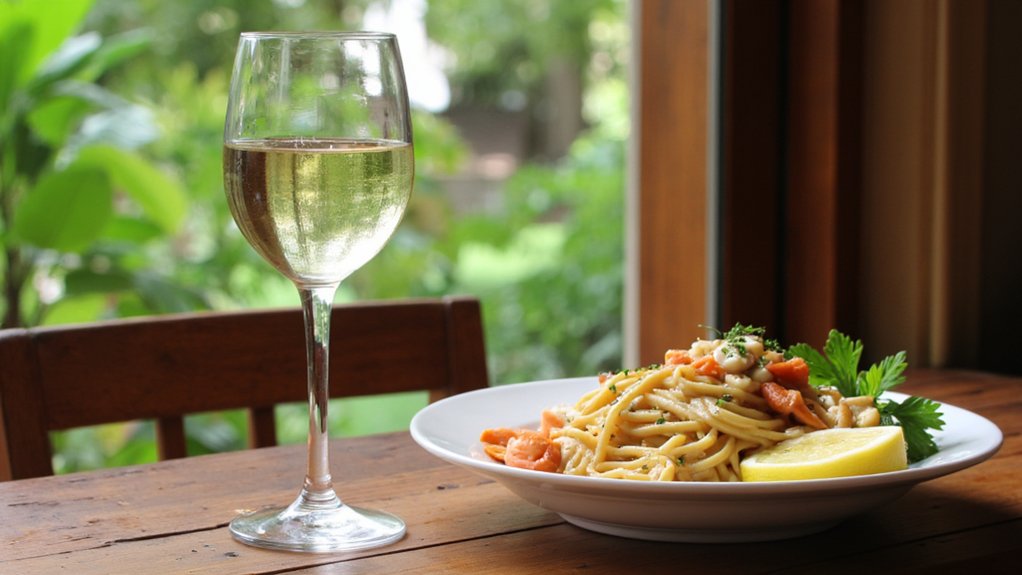
If you’ve ever wondered what to eat with a glass of Soave, you’re not alone—the answer’s as fun as it is delicious. Soave pairings are all about highlighting the wine’s bright, zesty personality, so you’ll want to choose classic dishes that let those flavors shine. Imagine this: you’re at a lively table, laughter bouncing around, and the food just seems to sing with your wine. That’s the Soave magic.
- Crisp fried calamari with a squeeze of lemon, making the wine’s citrus notes pop
- Creamy risotto primavera loaded with spring veggies, letting Soave’s minerality dance
- Grilled chicken with fresh herbs, where the wine’s freshness lifts every bite
You get it—simple, classic dishes make Soave truly unforgettable.
Soave’s Volcanic Soil Origins
Imagine this: you’re strolling through the Soave hills, and under your feet lies a secret weapon—volcanic soil. That’s right, the very ground beneath you is a patchwork of ancient lava flows and ash, shaping the region’s volcanic terroir. You might think soil is just dirt, but here, it’s the magic behind Soave’s zingy, mineral-rich wines. The soil composition is wild: dark basalt rocks, minerals galore, and a little bit of mystery. Vines dig deep, soaking up nutrients and giving the wine those signature crisp, stony notes. You can almost taste the volcano in every sip—minus the lava burns, of course. So, next time you raise a glass of Soave, remember: that electric zip comes straight from the earth’s fiery past!
Does Soave Wine Age Well?
While most folks think white wines are best enjoyed young and fresh, Soave can surprise you. Sure, you can pop open a bottle right away and it’ll taste lively and crisp, but did you know some Soave wines have real aging potential? That’s right—certain Soave, especially those labeled Classico or from top producers, can age gracefully for five, ten, even fifteen years. Over time, their flavors shift from fruity and floral to nutty, honeyed, and complex. It’s like a glow-up for your taste buds. Wine longevity isn’t just for reds or fancy French whites! If you’re patient (or just forget a bottle in your cellar), you might get rewarded with layers of flavor that’ll make you smile—and maybe brag a little.
Soave Wine Serving Tips

Although Soave is easygoing by nature, serving it right can turn a good glass into a truly great one. You don’t need a sommelier’s touch—just a few smart moves. Start with the Soave temperature: chill your bottle to about 48–52°F (9–11°C). Too cold, and you’ll lose all that lovely aroma; too warm, and the zing goes missing. Next, reach for the right Soave glassware. A regular white wine glass works wonders, letting those fresh scents swirl up to your nose. Finally, don’t be shy with presentation—little touches make moments memorable.
- Cool a bottle in the fridge for 2 hours, but not in the freezer (icy tragedy awaits)
- Use tulip-shaped glasses for maximum aroma
- Pour moderate servings to keep things lively and crisp
Similar Wines to Soave Wine
So you’ve nailed the perfect pour of Soave—now maybe you’re wondering, what else is out there that brings similar vibes? If you’re hunting for Soave alternatives, you’re in for a treat. Italy practically invented invigorating, zippy whites. Try a Verdicchio from Marche. Crisp, citrusy, a little almond on the finish. Or pick up a Pinot Grigio, but not the mass-market stuff—find one from Friuli and thank me later. Lugana’s another Italian white that’s light, floral, and just a bit sassy. Want to branch out? Explore Gavi, made with the Cortese grape, and you’ll find a wine that’s elegant but never stuffy. All these Italian whites share Soave’s lively, food-friendly personality, so you can keep the party going. Cheers!
Frequently Asked Questions
Is Soave Wine Suitable for Vegans or Vegetarians?
If you’re vegan or vegetarian, you should check Soave production methods and look for Vegan certifications. Some Soave wines use animal-based fining agents, while others don’t. Always read labels or contact producers to guarantee suitability for your diet.
What Is the Typical Alcohol Content of Soave Wine?
When you explore Soave varieties, you’ll notice the typical alcohol content ranges from 11% to 13%. You can enjoy a rejuvenating, light wine that doesn’t feel too heavy, perfect for pairing with many dishes.
Can Soave Wine Be Used in Cooking Recipes?
You can definitely use Soave wine in cooking recipes. Its crisp, dry flavor profiles pair well with seafood and poultry. Experiment with different cooking techniques like deglazing or poaching to enhance your dishes’ subtle flavors.
Are There Organic or Biodynamic Soave Producers?
You’ll find several Soave producers embracing organic practices and even biodynamic methods. When you look for Soave wines, check labels or producer websites, as many now prioritize sustainability and eco-friendly viticulture in their winemaking approach.
Is Soave Wine Widely Available Outside of Italy?
You’ll find Soave wine in many countries, thanks to strong Soave distribution and international availability. Most major wine retailers and restaurants outside of Italy offer it, especially in the US, UK, and parts of Asia.