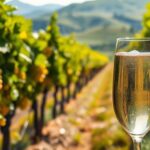
So, you’ve heard the name Sangiovese tossed around at dinner parties, but what’s the deal with this Italian superstar? Picture a grape that packs in cherry flavors, a hint of herbs, and just enough earthiness to keep things interesting—kind of like that mysterious friend who brings homemade snacks to every get-together. It’s got roots deep in Tuscany’s sun-drenched hills, and trust me, its story gets even juicier from here…
Key Takeaways
- Sangiovese is Italy’s most prominent red grape variety, especially famous in Tuscany.
- It produces wines with flavors of cherry, herbs, and earthy notes, which evolve as the wine ages.
- The grape has thin skins, resulting in wines with lighter color and softer tannins.
- Sangiovese wines pair well with tomato-based dishes, grilled meats, and hard cheeses.
- Notable Sangiovese wines include Brunello di Montalcino, Chianti, and Vino Nobile di Montepulciano.
Italy’s Signature Red Grape
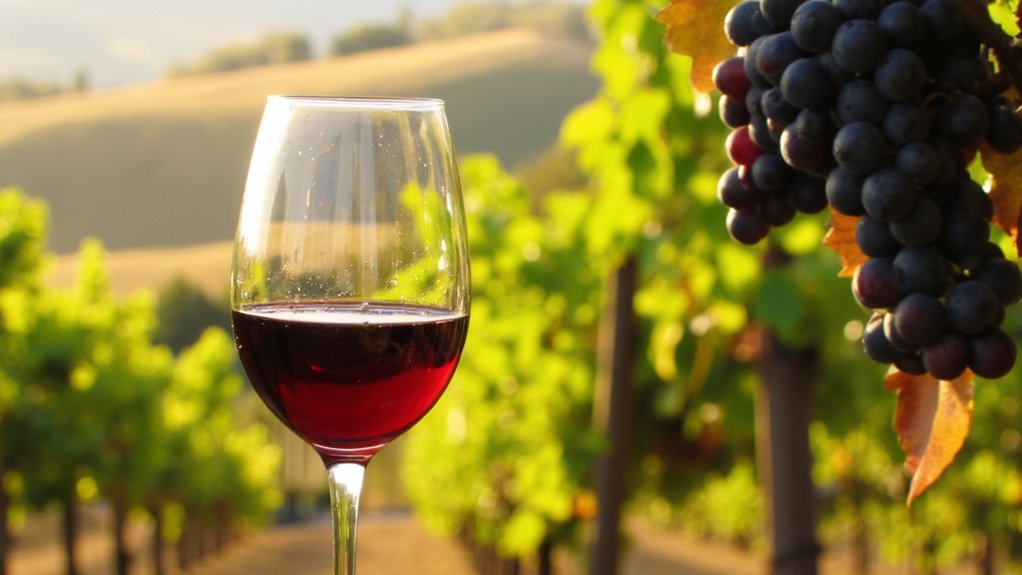
Sangiovese—say it with me, “san-joe-VAY-zay.” It’s not just a fun word to say; it’s Italy’s superstar red grape, and honestly, the country wouldn’t be the same without it. When you sip a glass, you’re tasting pure Italian pride. Sangiovese terroir is a big deal. This grape loves to soak up the sun in different soils, picking up flavors like a sponge. You’ll find it earthy in one place, cherry-bright in another. And here’s a twist—thanks to Sangiovese clones, there’s a wild variety of styles. Some clones give you bold and rustic, while others whisper with elegance. It’s like a family reunion, but nobody argues about politics, just about who’s the tastiest. And honestly, everyone wins.
Tuscan Roots: Sangiovese’s Beginnings
Long before Sangiovese became a celebrity grape, its story began in the rolling hills of Tuscany, where sunlight dances on ancient vines and the air practically hums with history. Imagine yourself wandering those timeless vineyards, boots crunching on soil that’s seen centuries of ancient cultivation. Sangiovese isn’t just a grape—it’s a living piece of Italy’s past. Over time, clever Tuscan growers noticed how different pockets of land gave the grape unique personalities. That’s where regional variations come in. Some areas produced bold, rustic flavors, while others nurtured lighter, more delicate notes. Each village tried its own twist, like a culinary rivalry but with vines. You could say Tuscany’s landscape shaped Sangiovese’s character, one sun-drenched hill at a time.
Thin-Skinned Red Grape Characteristics
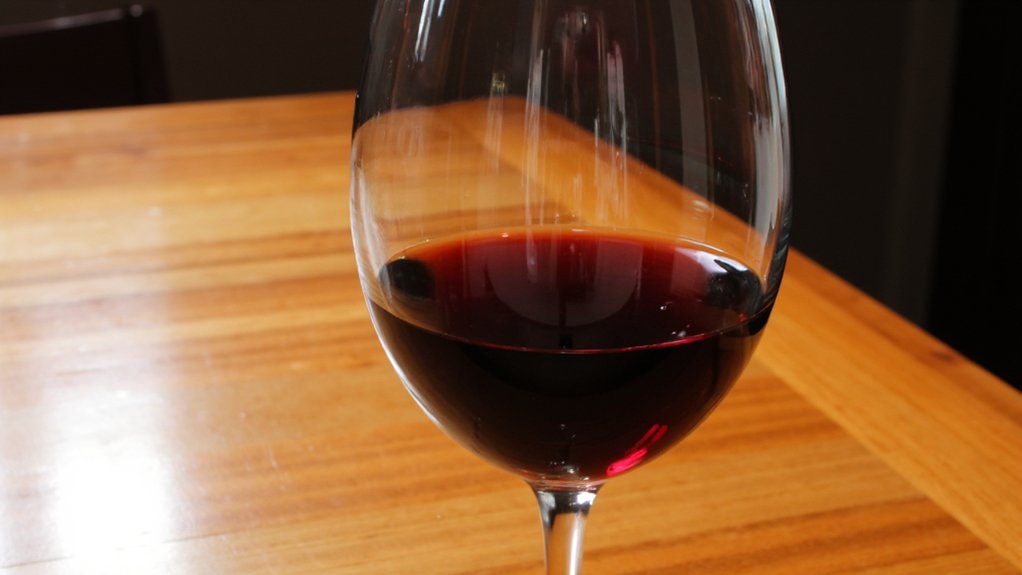
You can almost picture those Tuscan hills whispering secrets to Sangiovese, and one of the juiciest is this: it’s a thin-skinned red grape, and that changes everything. Unlike some tougher grape varieties, Sangiovese’s thin skin means it’s sensitive—kind of like that friend who blushes easily, or the tomato that bruises if you just look at it wrong. This delicate skin lets in sunlight, but it also responds fast to weather, which can really shake things up in the vineyard. You’ll notice the color isn’t as deep or inky as other reds, and the tannins can be surprisingly gentle, too. Honestly, if grape varieties were characters, Sangiovese would be the poetic soul—fragile, expressive, and ready to surprise you.


Cherry, Herb, and Earth Notes
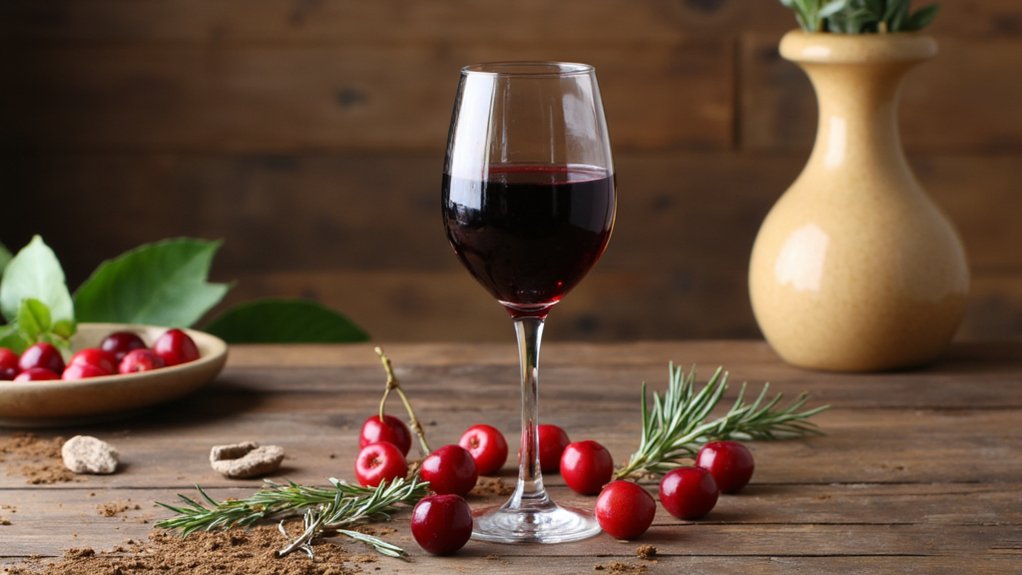
Cherry is the star of the show here, and it’s not shy about it. When you sip Sangiovese, you’ll notice that cherry flavor pop up right away—it’s front and center, bold and juicy, like the lead singer in a rock band. But don’t stop there. As you swirl your glass, you’ll pick up herbal nuances, too. Think dried oregano, maybe a hint of thyme, almost like your wine’s been hanging out in an Italian kitchen. Then comes the earthiness. It’s subtle, grounding everything, giving you a sense that this wine truly belongs to the soil. Together, these notes create a symphony in your mouth. Sangiovese isn’t boring. It’s vibrant, full of character, and just a little wild.
Famous Sangiovese Wine Brands
All those juicy cherry flavors and whispers of herbs and earth wouldn’t be half as fun without some famous names behind the bottle. You want the real Sangiovese magic? Let’s talk legends. The Sangiovese terroir shapes every sip, and the different Sangiovese clones bring their own quirks to the party, but you’ll find the best in bottles from some heavy-hitters. Here are three famous Sangiovese wine brands you’ll want to remember:
- Biondi-Santi – The original Brunello di Montalcino. This family basically invented the fine Sangiovese scene.
- Antinori – Making Sangiovese sing for centuries, blending tradition with innovation.
- Castello di Ama – Imagine Sangiovese with modern flair, grown in a truly stunning terroir.
You’ll never forget these names.
Popular Sangiovese Choices For Any Budget
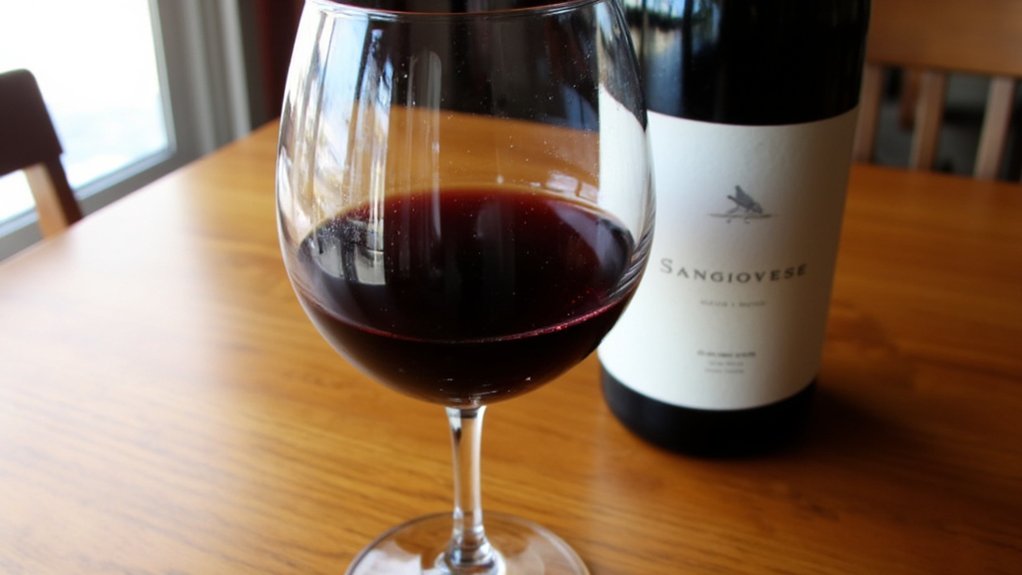
You don’t have to break the bank to enjoy a great Sangiovese—seriously, there are some absolute gems under $20 that’ll make your wallet do a happy dance. If you’re feeling a bit fancy, the mid-range bottles between $20 and $100 offer richer flavors and a touch of Italian elegance that might just impress your friends (or your cat, no judgment). And when you’re ready to splurge, the high-end Sangiovese wines above $100 bring out the big, bold, brag-worthy flavors that’ll turn any dinner into a celebration—so let’s check out what each price range has in store.
Bargain Sangiovese Wines Under $20
- Ruffino Chianti (Tuscany) – bright cherry, soft tannins, everyday classic
- Cecchi Sangiovese (Tuscany) – juicy, floral notes, great value
- Cavit Sangiovese (Umbria) – medium-bodied, plum, easy-drinking
- Banfi Centine Rosso (Tuscany) – fruit-forward, approachable, crowd-pleaser
- Piccini Chianti (Tuscany) – vibrant acidity, red fruit, food-friendly
Mid-Range Sangiovese Wines Between $20-$100
- Fontodi Chianti Classico (Tuscany) – elegant, black cherry, leather, balanced acidity, age-worthy
- Avignonesi Vino Nobile di Montepulciano (Tuscany) – plum, spice, silky tannins, complex
- Fèlsina Berardenga Chianti Classico Riserva (Tuscany) – savory, earthy, wild herbs, structured
- La Carraia Sangiovese (Umbria) – ripe berries, soft tannins, approachable, great value
- Poliziano Rosso di Montepulciano (Tuscany) – fresh, red fruit, lively acidity, versatile
High-End Sangiovese Wines Above $100
- Biondi-Santi Brunello di Montalcino Riserva (Tuscany) – legendary, complex, age-worthy, floral, red cherry, leather
- Soldera Case Basse Brunello di Montalcino (Tuscany) – iconic, elegant, profound, layered, vibrant acidity, silky tannins
- Montevertine Le Pergole Torte (Tuscany) – pure, refined, floral, red fruit, graceful, long finish
- San Giusto a Rentennano Percarlo (Tuscany) – powerful, dark fruit, spicy, structured, cellar-worthy
- Castello di Ama L’Apparita (Tuscany) – plush, concentrated, modern, black cherry, polished, seamless
Classic Sangiovese Wine Food Pairings
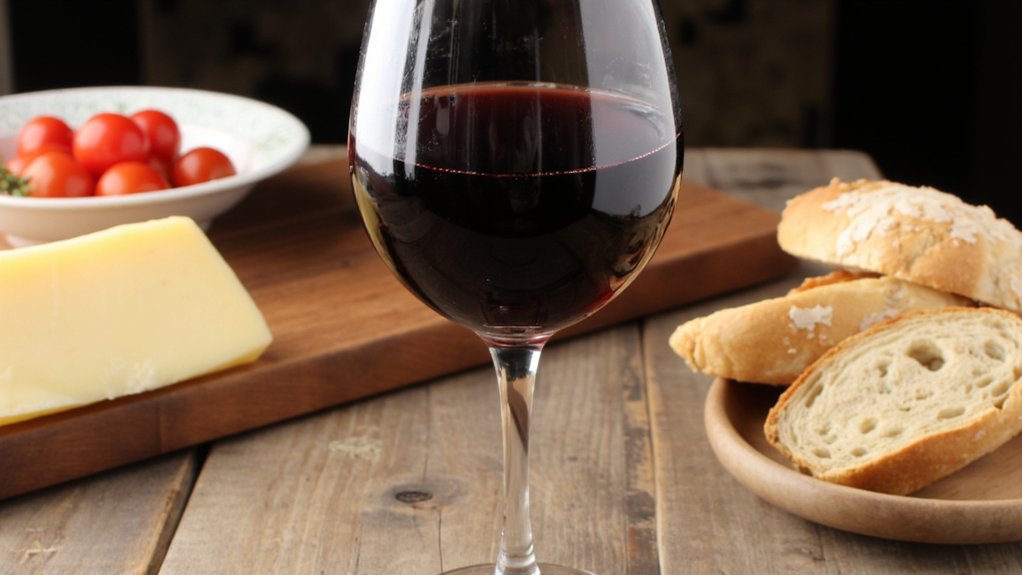
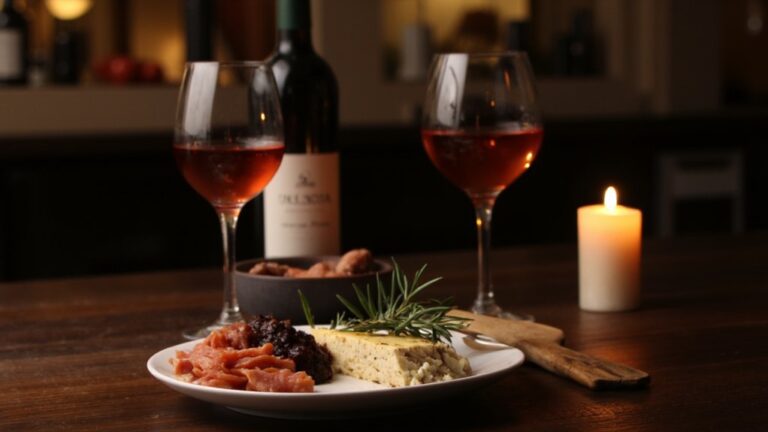
If you’ve ever wondered what to serve with a glass of Sangiovese, you’re not alone—this classic Italian grape practically begs for food on the table. Get ready for some mouthwatering classic pairings and regional specialties that make every sip more memorable. Sangiovese’s bright acidity and savory notes love company, especially in the form of Italian eats. Picture yourself at a sunlit Tuscan table, laughing with friends, as these flavor combos steal the show:
- Tomato-based pasta dishes—Spaghetti pomodoro, lasagna, or pizza Margherita? Sangiovese is the hero these classics deserve.
- Grilled meats—Think juicy sausages or bistecca alla Fiorentina, kissed by the grill.
- Hard Italian cheeses—Parmigiano-Reggiano and Pecorino Romano make Sangiovese sing, and you’ll be singing too. Mangia!
Leonardo Da Vinci’S Vineyard Connection
Of course, no Italian feast is complete without a bit of history and a dash of legend—so let’s pour ourselves another glass and travel back in time. Imagine yourself strolling through the lush rows of Leonardo’s vineyard, right in the heart of Renaissance viticulture, where genius and grapes mingled. You probably didn’t expect to bump into Leonardo da Vinci among the vines, did you? Yet it’s true—he wasn’t just a master painter but also dabbled in winemaking. The guy had a vineyard gifted by the Duke of Milan, and rumor says he cultivated Sangiovese grapes among others. Picture him sketching inventions with one hand and swirling a glass of red with the other. Now that’s multitasking, Renaissance style!
Does Sangiovese Wine Age Well?
So, does Sangiovese have what it takes to stand the test of time in your wine rack? You bet it does—at least, if you pick the right bottle! Sangiovese has serious aging potential, especially when it comes from top regions like Brunello di Montalcino or Chianti Classico Riserva. Over time, the wine’s flavor development gets pretty fascinating. You’ll notice bright cherry and plum morphing into dried fruit, leather, and even hints of earthy mushroom. It’s like your wine is going through a glow-up phase. That said, not all Sangiovese is made for the long haul. Some bottles are best enjoyed young and fresh. But the good stuff? It’ll reward your patience, making you feel like a wine-aging wizard. Magic in a glass!
Sangiovese Wine Serving Tips
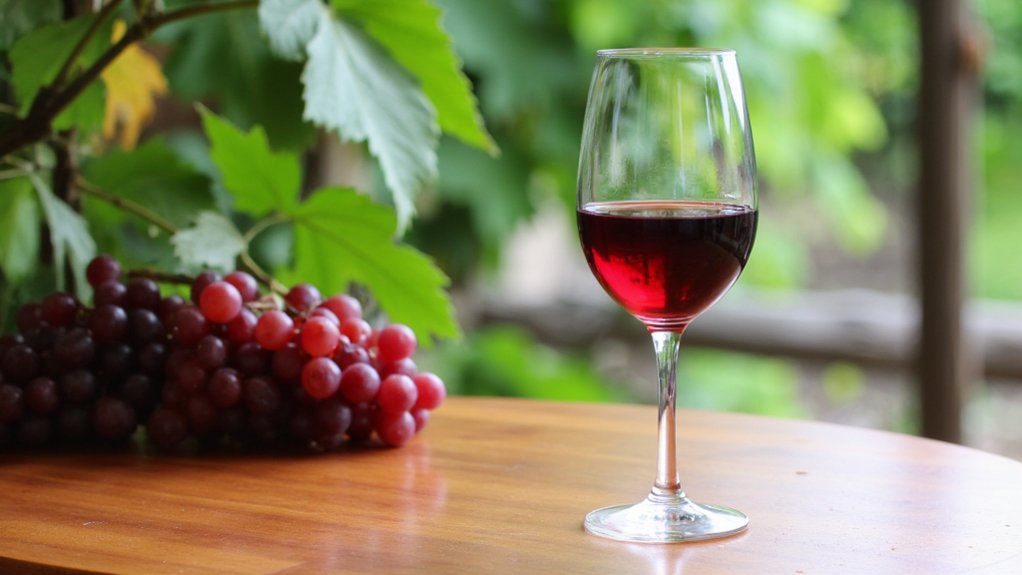
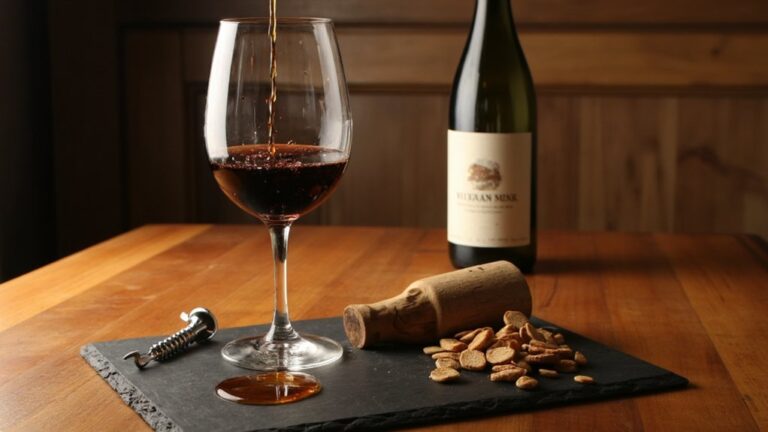
Glasses at the ready—because serving Sangiovese is your moment to shine. You want every sip to taste like Italy itself, so let’s set the mood right. Start with the perfect serving temperature: slightly cool, around 60–65°F, lets the flavors come alive without turning the wine into grape soup. Next, don’t just grab any glass—choose one that’s big and round, so those aromas can swirl and dance. Think “wine ballet,” but in your kitchen. And a quick decanting never hurts; twenty minutes does the trick, softening those tannins and opening up the bouquet. Hungry? Pair it with tomato-based dishes, grilled meats, or hard cheeses for a match made in culinary heaven.
- Chill to 60–65°F
- Use a wide glass
- Decant for 20 minutes
Similar Wines to Sangiovese Wine
When you fall for Sangiovese, it’s natural to start wondering—what else out there hits those same high notes? If you love the tart cherry and earthy spice of Sangiovese varietals, you might find yourself vibing with Tempranillo from Spain. It’s got a similar balance—think juicy fruit and savory kick. Look for Nebbiolo too, the grape in Barolo and Barbaresco, which brings bright acidity and grippy tannins, just like classic Sangiovese blends. Pinot Noir is another crowd-pleaser: lighter in body but big on personality and food-friendliness. Want to stay in Italy? Try Montepulciano or Barbera. Both offer that energetic, mouthwatering zip. Explore these wines, and you’ll keep your palate dancing—no opera lessons required, just a good corkscrew and a sense of adventure!
Frequently Asked Questions
Is Sangiovese Wine Suitable for Vegans or Vegetarians?
When you choose Sangiovese, you’ll want to check the label or ask the producer about Sangiovese production methods. Some use animal-based fining agents, but plenty of vegan wine options exist if you look for them.
What Is the Typical Alcohol Content of Sangiovese Wines?
When you explore Sangiovese characteristics, you’ll find its typical alcohol content ranges from 12% to 14%. Depending on Sangiovese regions like Tuscany, the climate and winemaking style can influence the final alcohol level noticeably.
Are There Organic or Biodynamic Sangiovese Wines Available?
You’ll find plenty of Sangiovese wines produced using organic farming and biodynamic practices. Many vineyards in Italy and beyond are committed to sustainable methods, so you can easily choose organic or biodynamic Sangiovese bottles.
Does Sangiovese Wine Contain Sulfites?
You’ll find that Sangiovese wine does contain sulfites. Winemakers add sulfites to control sulfite levels, which helps with wine preservation and freshness. Even natural Sangiovese wines have some sulfites, since they occur naturally during fermentation.
Can Sangiovese Grapes Grow Outside of Italy Successfully?
You can successfully pursue Sangiovese cultivation outside Italy, thanks to its strong climate adaptability. You’ll find vineyards thriving in places like California and Australia, but you’ll need to carefully match soil and weather conditions for best results.