So, you’ve heard folks rave about Pinot Noir, but what’s the real story behind this mysterious grape? Imagine a wine that’s elegant yet tough, with flavors that dance between bright cherry and rich, earthy notes. It’s the star of Burgundy, adored by sommeliers and dinner guests alike. But don’t get too comfortable—Pinot Noir has a few secrets up its sleeve, and not every bottle tells the same tale. Curious yet? Let’s uncork what makes it so irresistible.
Key Pinot Noir Takeaways
- Pinot Noir is a delicate, thin-skinned red grape variety best known for producing elegant, complex wines, especially in Burgundy, France.
- Its wines typically feature bright berry flavors, silky textures, and aromas of cherry, strawberry, and earthy notes.
- Pinot Noir is historically significant, with cultivation dating back to ancient Roman times and strong ties to Burgundy’s wine heritage.
- Renowned producers like Domaine de la Romanée-Conti and Joseph Drouhin set global standards for high-quality Pinot Noir.
- It pairs well with dishes like roasted chicken, grilled salmon, and mushroom risotto, and is best served slightly cooler than room temperature.


Burgundy’s Signature Red Grape
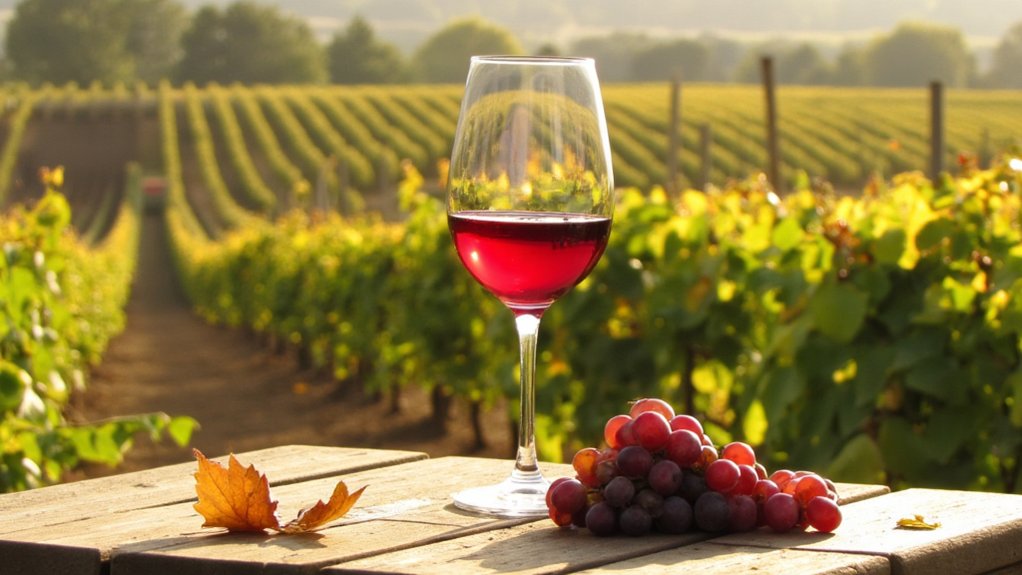
Pinot Noir, the star of Burgundy, isn’t shy about stealing the spotlight. If you wander the rolling hills of this famed French region, you’ll quickly see why. The Burgundy terroir, with its patchwork of soils and microclimates, gives Pinot Noir a stage to show off its best moves. You’ll find that no two bottles taste exactly alike. Why? Pinot Noir clones! There are dozens of these grape varieties, each bringing its own quirks and charms. Some clones love to flaunt juicy cherry notes, while others get all fancy with earth and spice. It’s like a talent show in your glass. So, when you sip Burgundy Pinot Noir, you’re not just drinking wine. You’re tasting a region’s soul.
Ancient Roman Pinot Noir Roots
Before Burgundy became the wine world’s version of a rock star, ancient Romans had already spotted something special growing in those very soils. Imagine Roman soldiers and merchants wandering through France, stumbling upon ancient vineyards, and thinking, “Hey, this grape’s got potential!” You might be surprised, but roman winemaking shaped much of what you sip today. They didn’t just taste the grapes—they got serious, planting vines and figuring out how to make wine that’d last for ages (or at least until the next party).
If you picture togas and goblets, you’re not far off. Those early Roman farmers set the stage for Pinot Noir’s future fame, turning simple grapes into legendary wines. Isn’t it wild to think your glass connects you to ancient history?
Thin-Skinned Red Grape Characteristics
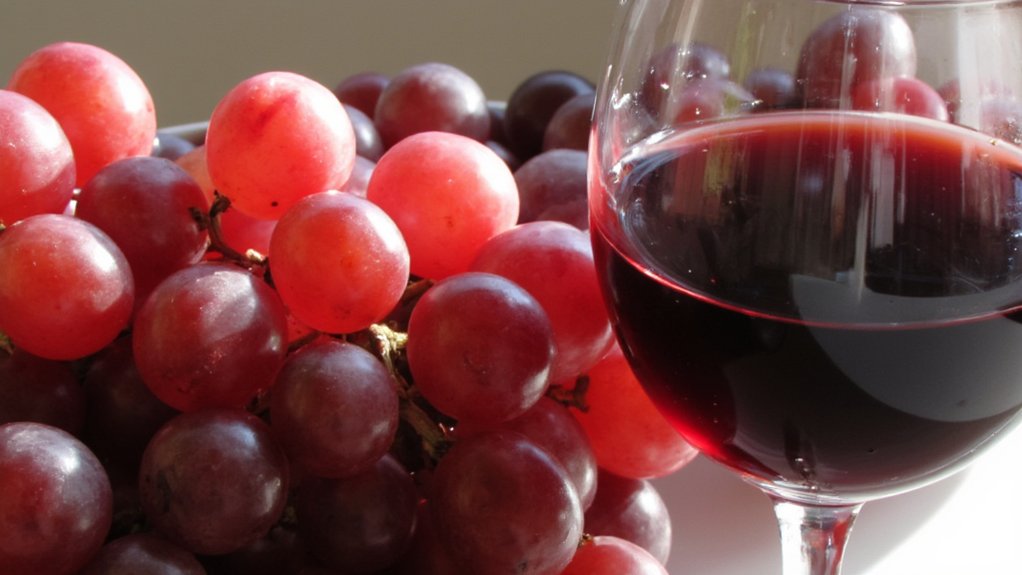
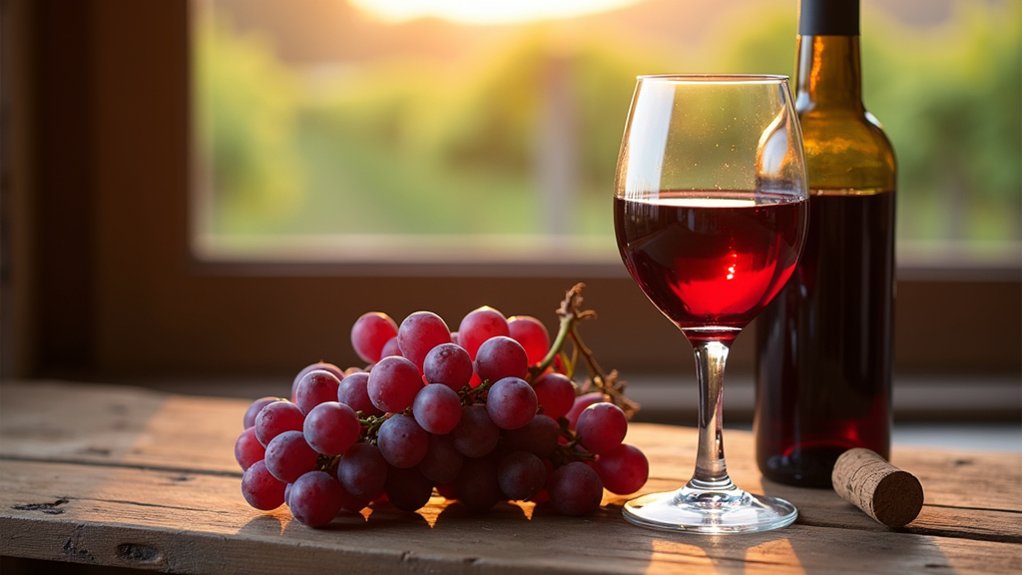
Even though it’s one of the world’s most celebrated grapes, you might be surprised by how fragile this variety really is. Pinot Noir has a reputation for being thin skinned, and that’s not just a metaphor for sensitivity. These grapes are literally delicate! If you so much as look at them funny, they’ll bruise. Unlike some robust grape varietals, Pinot Noir’s thin skinned resilience is kind of miraculous—it manages to thrive despite being so easy to damage. Weather, pests, and disease all seem to have it on their hit list. Yet, with the right care, Pinot Noir shows off its true character. You might say growing it takes nerves of steel and a sprinkle of magic. It’s drama in the vineyard, every season.
Red Cherry and Earthy Notes
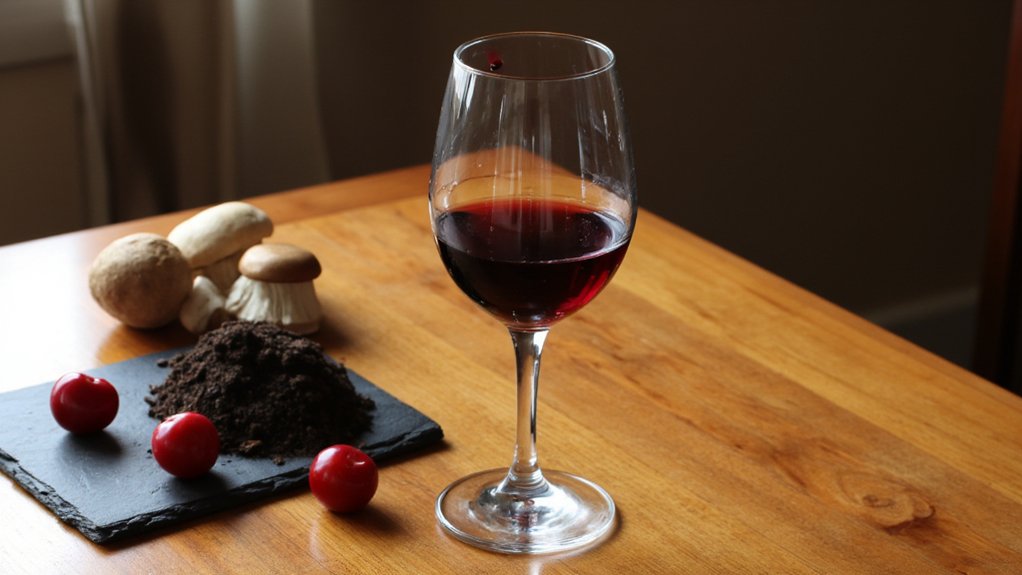
A glass of this wine is like an invitation to a flavor party, and trust me, red cherry is always the first guest to show up. You’ll notice those juicy red cherry aromas right away, practically leaping from the glass and begging for a sniff. But don’t get too cozy, because earthy undertones sneak in like mysterious party crashers. They add a touch of forest floor, maybe a hint of mushroom, and suddenly, the whole thing feels grounded and a bit wild. It’s not just fruit; it’s a walk in the woods with a basket of cherries, shoes optional. You might even find yourself sniffing the glass longer than you sip. That’s fine. Pinot Noir loves attention, and it totally deserves it!
Famous Pinot Noir Wine Brands
Those bold cherry and earthy notes don’t just appear out of nowhere—they’re crafted by some truly legendary names in the wine world. When you look for a famous pinot, you’re stepping into a domain of iconic producers who’ve turned the grape into an art form. Curious? Let’s pop the cork on a few names you’ll want to remember:
- Domaine de la Romanée-Conti – The Beyoncé of Burgundy. If you can snag a bottle, you’ve basically won the wine lottery.
- Joseph Drouhin – Reliable, elegant, and always ready to impress at your next dinner party.
- Meiomi – California’s crowd-pleaser, smooth and fruit-forward, perfect for both newbies and Pinot geeks.
These iconic producers set the gold standard for famous pinot around the globe.
Popular Pinot Noir Choices For Any Budget
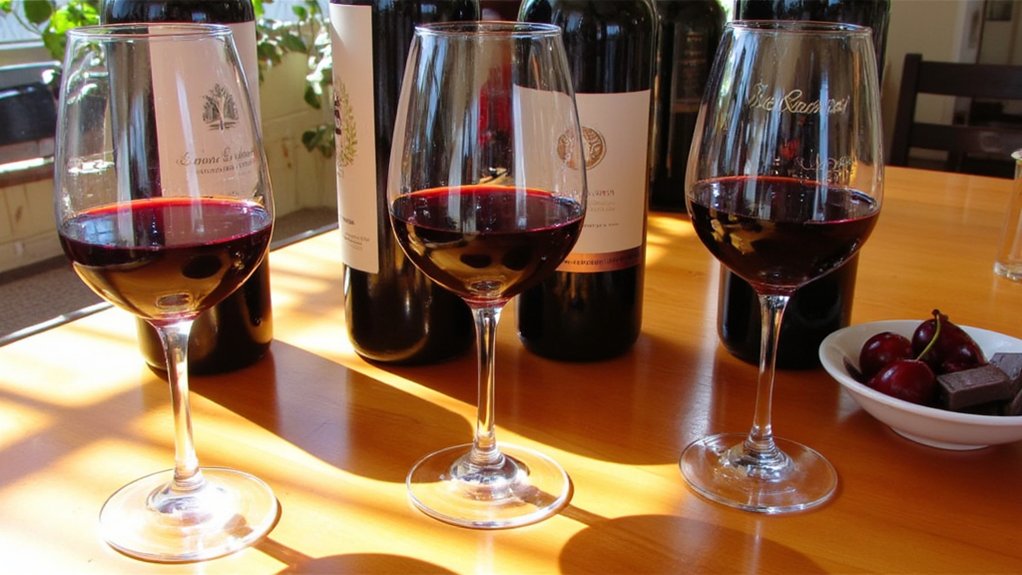
No matter what your wallet’s up to, you can still enjoy a great glass of Pinot Noir. You’ll find tasty bargain bottles for under $20, some seriously good mid-range picks between $20 and $100, and if you’re feeling fancy (or just won the lottery), there are high-end stunners waiting above $100. Let’s check out what you can get, whether you’re pinching pennies or going full-on wine royalty—spoiler alert: there’s no shame in either.
Bargain Pinot Noir Wines Under $20
- Mark West Pinot Noir (California) – cherry, raspberry, smooth, approachable, versatile
- Meiomi Pinot Noir (California) – lush, fruit-forward, vanilla, silky, popular
- A to Z Pinot Noir (Oregon) – balanced, bright, cranberry, earthy, crowd-pleaser
- La Vieille Ferme Pinot Noir (France) – light-bodied, fresh, strawberry, easy-drinking, value
- Alamos Pinot Noir (Argentina) – juicy, plum, spice, soft tannins, affordable
Mid-Range Pinot Noir Wines Between $20-$100
- Belle Glos Las Alturas (California) – bold, ripe, dark fruit, vanilla, lush, rich texture
- Siduri Pinot Noir (Oregon) – vibrant, cherry, spice, silky, balanced, elegant
- Domaine Drouhin Pinot Noir (Oregon) – refined, earthy, red berry, smooth, French-inspired
- Flowers Sonoma Coast Pinot Noir (California) – coastal, floral, raspberry, mineral, fresh, structured
- Cloudline Pinot Noir (Oregon) – approachable, plum, cranberry, soft tannins, food-friendly
High-End Pinot Noir Wines Above $100
- Domaine de la Romanée-Conti (Burgundy) – legendary, complex, earthy, silky, profound, collectible
- Kosta Browne Single Vineyard (California) – opulent, dark fruit, plush, polished, limited, celebrated
- Domaine Leroy Bourgogne Rouge (Burgundy) – elegant, floral, layered, mineral, rare, prestigious
- Sea Smoke “Southing” (California) – concentrated, smoky, cherry, lush, structured, sought-after
- Williams Selyem Estate (California) – nuanced, red fruit, balanced, vibrant, harmonious, iconic
Classic Pinot Noir Wine Food Pairings
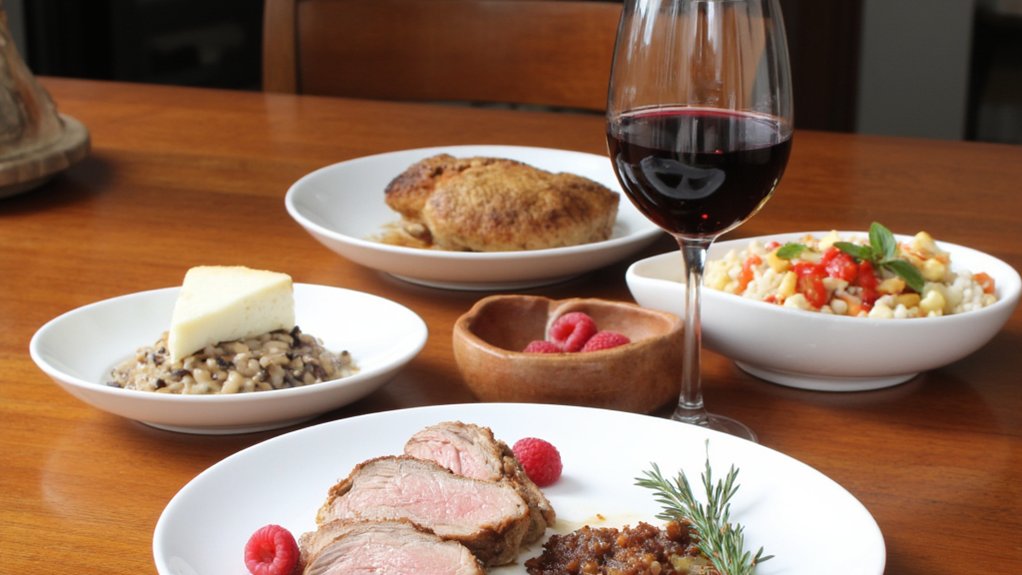
When you think about classic Pinot Noir wine food pairings, you’re stepping into a culinary playground where flavors dance and nobody’s left out of the fun. Pinot Noir is the ultimate team player, thanks to its culinary versatility and approachable character. You don’t have to be a sommelier to nail the perfect food pairing, either. With its bright acidity and silky texture, Pinot Noir shines alongside all sorts of dishes. Check this out:
- Roasted chicken with herbs—simple, yet mouthwatering.
- Grilled salmon—Pinot’s fruitiness plays off the fish’s richness like a catchy duet.
- Mushroom risotto—the earthy notes in both make them instant best friends.
World’S Priciest Wine: Romanée-Conti
Romanée-Conti—now that’s a name with some serious bragging rights. If you’re talking about the world’s most expensive Pinot Noir, you’ve got to mention Romanée Conti. The history of this vineyard goes back centuries, and it’s basically the Beyoncé of Burgundy. You’re sipping liquid legend if you ever get a taste. Romanée Conti pricing? Well, let’s just say your wallet might cry. Bottles can sell for tens, even hundreds, of thousands of dollars. That’s not a typo—people pay more for one bottle than some do for a car! It all comes down to scarcity, insane quality, and a cult following that’s so dedicated, they probably dream in Pinot. If you ever see a bottle, snap a selfie. Bragging rights earned.
Does Pinot Noir Wine Age Well?
So, you’ve heard about bottles of Pinot Noir that cost more than your car—pretty wild, right? Here’s the thing: Pinot Noir actually has impressive aging potential, but not every bottle will turn into liquid gold with time. If you stash away a good bottle under the right aging conditions—think cool, dark, and with a steady temperature—you’ll let it develop complex flavors that might just blow your mind. Still, Pinot is a bit of a diva. It’s sensitive, and if you mess up the storage, you could end up with a wine that’s more “meh” than “wow.” So, if you’re dreaming of tasting history, invest in quality Pinot and treat it like royalty. Who knows what magic you’ll uncork?
Pinot Noir Wine Serving Tips
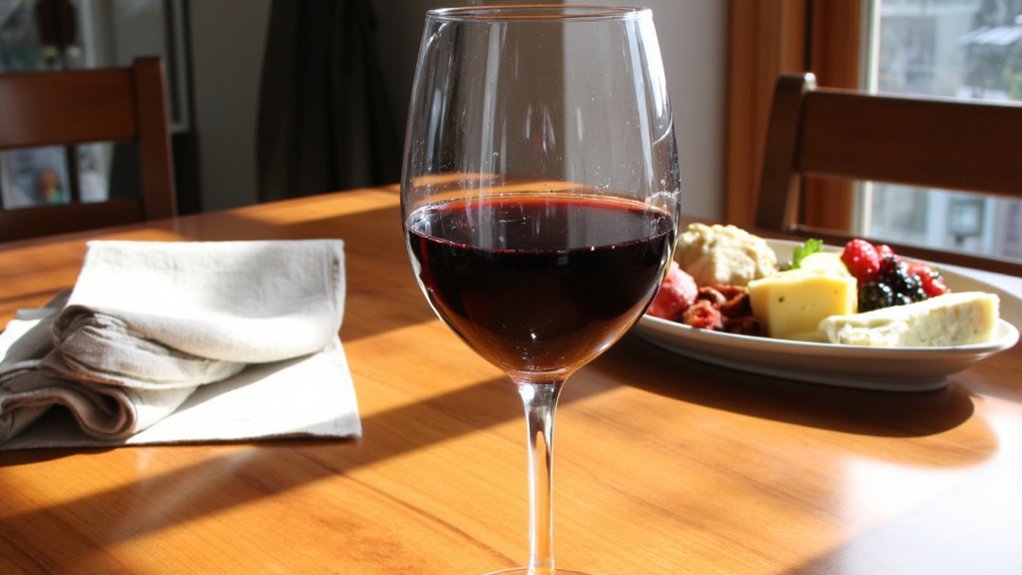
Although popping open a bottle of Pinot Noir feels like an event in itself, serving it right takes things to another level. You want to get the most out of every sip, right? Here’s how you can make your Pinot shine:
- Ideal serving temperature: Don’t serve it too warm! Keep your Pinot Noir between 55–60°F (that’s slightly cooler than room temp). If it’s too warm, you’ll lose those delicate aromas. Too cold, and the flavors hide like a shy cat.
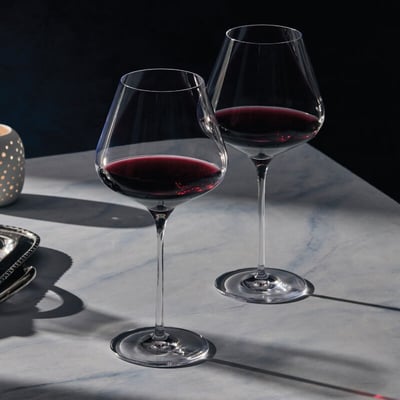
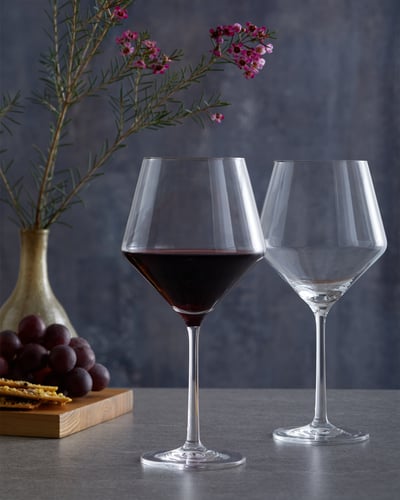
- Glassware recommendations: Use a large, tulip-shaped glass. This shape lets those amazing strawberry and cherry notes dance up to your nose.
- Let it breathe: Swirl it a bit! Pinot Noir loves a little air, so don’t be shy about letting it open up.
Similar Wines to Pinot Noir Wine
When you fall for Pinot Noir’s silky texture and bright berry flavors, it’s only natural to start wondering what other wines might hit that same sweet spot. You’re in luck—there are plenty of similar red varietals out there just waiting to become your new favorites. Ever tried Gamay? It’s the grape behind Beaujolais, and it packs a juicy punch with a lively, light body. Or maybe you’ll fall for Grenache, which brings a bit more spice but still keeps things fresh and bright. Want alternative wine pairings? Think about trying Sangiovese or even a lighter style of Zinfandel. These wines dance across your palate, offering layers of flavor without being heavy. Let your tastebuds take a little adventure!
Frequently Asked Questions
Is Pinot Noir Used to Make Sparkling Wines Like Champagne?
You’ll find Pinot Noir commonly used in sparkling wines, especially during champagne production. It’s one of the three main grape varieties allowed in Champagne. When you enjoy bubbly, there’s a good chance Pinot Noir’s part of that blend.
What Is the Ideal Climate for Growing Pinot Noir Grapes?
You want to grow Pinot Noir grapes in cool climates, since they thrive with moderate temperatures and long ripening seasons. You’ll also need well-drained soil types, like limestone or clay, to help develop the grape’s delicate flavors.
Are There Any Health Benefits to Drinking Pinot Noir?
When you drink Pinot Noir in moderate consumption, you can benefit from its antioxidant properties. These antioxidants, like resveratrol, may support heart health. Remember, you shouldn’t overindulge—moderation is key to enjoying these potential health benefits.
How Does Pinot Noir Differ From Pinot Grigio?
When you compare Pinot Noir and Pinot Grigio, you’ll notice distinct flavor profiles—Pinot Noir offers earthy, fruity notes, while Pinot Grigio is crisp and light. You’ll pair Pinot Noir with meats, Pinot Grigio with seafood.
Can Pinot Noir Grapes Be Used to Make Rosé Wine?
Yes, you can use Pinot Noir grapes for rosé production. Their grape characteristics—like thin skins and delicate flavors—make them ideal. You’ll typically press the grapes lightly, extracting just enough color to create a fresh, vibrant rosé.