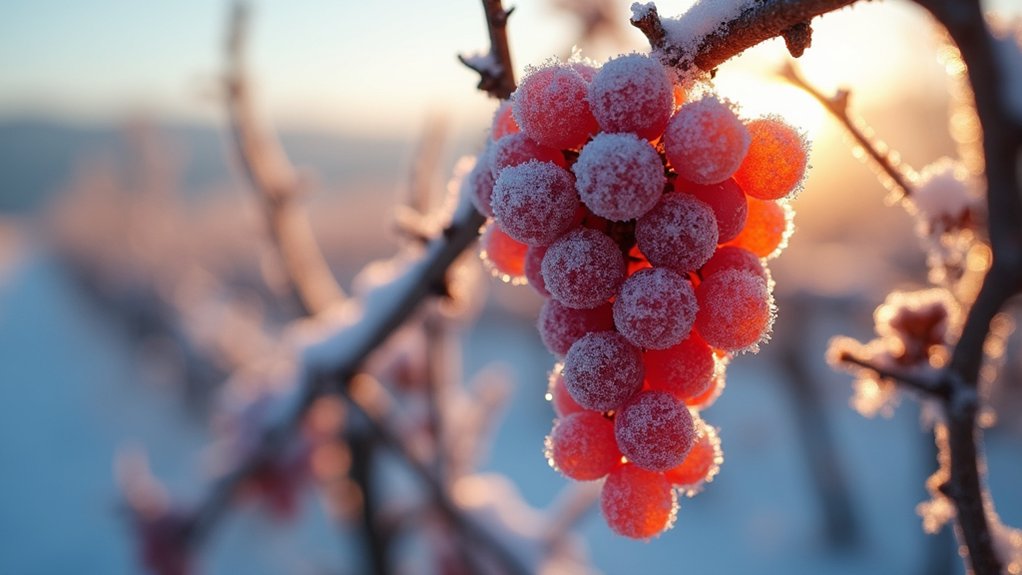
Ever crunched into a grape that’s been frozen solid on the vine? That’s where the magic of icewine begins. You won’t believe how those chilly grapes pack a punch: super sweet, bursting with honey and citrus, and so rich you might just skip dessert. It’s not your grandma’s wine—unless she’s secretly a Canadian or German winemaker. But there’s more to this frosty story than just frozen fruit. Curious how it all started?
Key Takeaways
- Icewine is a sweet dessert wine made from grapes naturally frozen on the vine and harvested at extremely cold temperatures.
- The primary grape varieties used are Vidal and Riesling, chosen for their ability to withstand harsh winter conditions.
- Frozen grapes produce a concentrated, syrupy juice, resulting in intensely sweet wines with vibrant acidity and flavors of honeyed fruit and citrus.
- Icewine originated in Germany by accident but is now especially associated with Canada due to its ideal winter climate.
- It is best served chilled in small glasses and pairs well with rich cheeses, fruit desserts, or spicy dishes.


Frozen Grape Harvest Explained
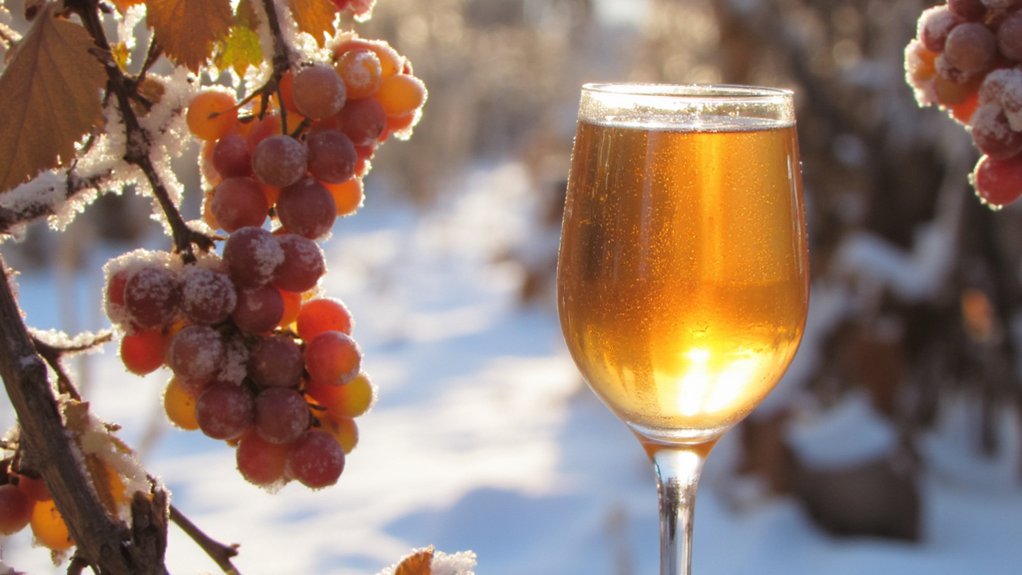
If you’ve ever wondered how icewine gets its magical sweetness, it all starts with a bold move: picking grapes in the dead of winter. Imagine trudging through snow at dawn, your breath hanging in the air, just to grab those frozen grapes off the vine. Sounds a bit wild, right? Well, that’s the heart of the harvest process. You wait until temperatures dip to at least –8°C (that’s really cold), so the grapes freeze solid on the vine. When you crush them, most of the water stays frozen, leaving behind a thick, syrupy juice packed with sugar and flavor. It’s like nature’s slushy machine—except a lot more expensive and a lot tastier. Who knew winter could taste so sweet?
1794 German Frost Discovery
Long before icewine became a luxury, a happy accident in Germany set everything in motion. Picture it: German vineyards, chilly air, and an unexpected cold snap. Farmers looked out their windows with dread as frost conditions swept in. Grapes, still hanging on the vine, froze solid. Honestly, most folks thought the crop was ruined. But curiosity got the better of them—what if you pressed these frozen grapes? Turns out, the juice was sweeter, more intense, and downright delicious. You can thank Mother Nature’s frosty mood swings for that surprise. It’s kind of like finding out your leftovers taste better the next day, except with a lot more bragging rights. So, without that frosty German twist, icewine might never have existed!
Vidal and Riesling Grapes
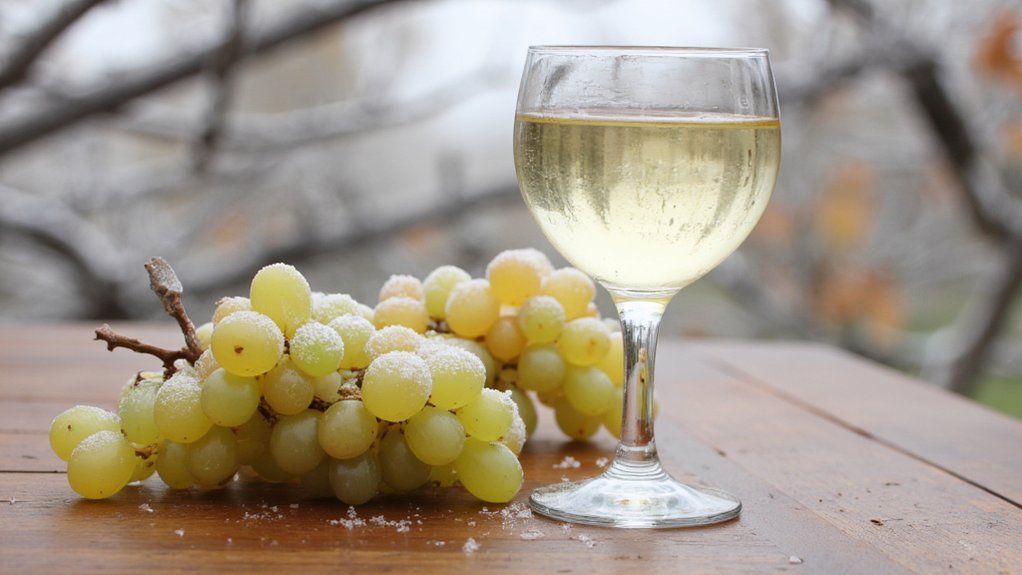
Although plenty of grapes dream of stardom, only a lucky few ever make it to the icy big leagues. If you want to know the real MVPs of icewine, search no further than Vidal and Riesling. Vidal characteristics? Think thick skins, superhero-level frost resistance, and a knack for hanging onto vines through brutal Canadian winters. Vidal’s like the grape equivalent of a snowplow—unstoppable and reliable. Now, Riesling profiles bring elegance to the party. Riesling grapes are famous for their lively acidity and ability to balance sweetness with crispness, making your taste buds do a happy dance. When you sip icewine made from these grapes, you’re tasting the result of nature’s chill and a grape’s determination. Pretty cool, right?


Honeyed Apricot and Citrus Notes
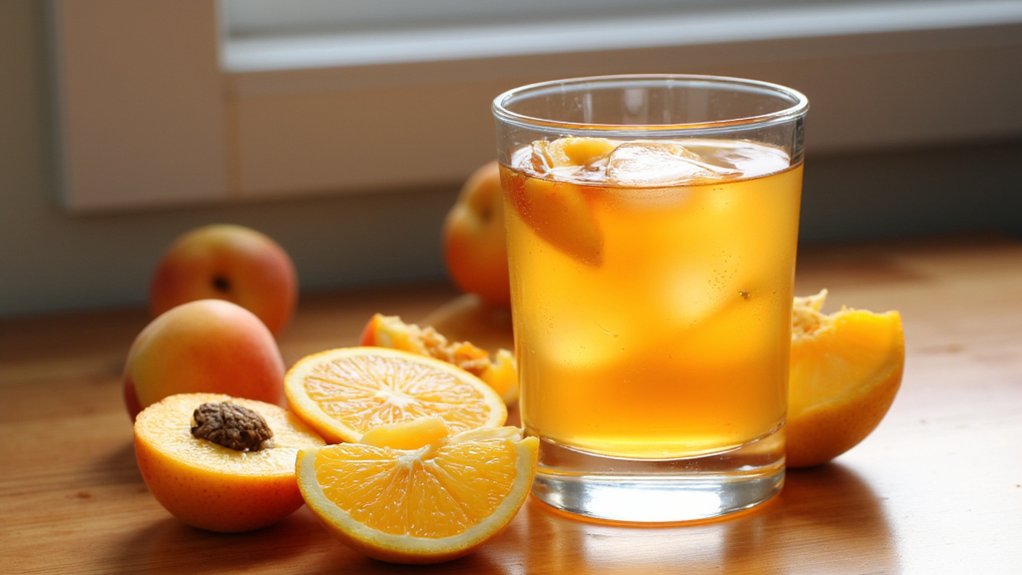
When you take a sip of icewine, you’re not just tasting sugar—you’re getting hit with a rush of honeyed apricot and zesty citrus that’ll make your mouth sit up and pay attention. Seriously, it’s like someone bottled the essence of a summer fruit stand and then turned the volume up to eleven. You’ll notice those honeyed flavors up front, sweet but never cloying, balanced by a pop of bright citrus that keeps things lively. Let those apricot aromas swirl around and you might even find yourself grinning like you’ve just tasted sunshine itself. It’s a wild flavor ride—one moment you’re swimming in syrupy gold, the next you’re zapped awake by a citrus zing. No boredom here.
Famous IceWine Brands
Legends of the wine world, that’s what these famous icewine brands are. If you want to sip the very best, you’ll want to know the top icewine producers. These names aren’t just good—they’re iconic, and their bottles can turn any dessert course into a party. You might even start bragging about your wine knowledge at dinner (don’t worry, it’s endearing).
Check out these star players:
- Inniskillin: Canada’s pride, this winery basically wrote the rulebook on icewine.
- Peller Estates: Another Canadian gem, their icewine is like liquid sunshine.
- Dr. Loosen: Germany’s Riesling icewines are crisp, sweet, and unforgettable.
- Weingut Gunderloch: This German icewine producer brings serious flavor to the table.
Try them—you’ll never look at dessert wine the same way!
Popular IceWine Choices For Any Budget

You don’t need a king’s ransom to sip on great Icewine. Whether you’re hunting for a tasty bargain under $20, want to treat yourself to a mid-range bottle, or feel like splurging on a high-end showstopper, there’s an Icewine out there with your name on it. Let’s check out some tempting picks for every wallet—because your taste buds deserve a party, even if your bank account is feeling shy.
Bargain IceWine Under $20
- Inniskillin Vidal Sparkling Icewine (Ontario) – peach, honey, fresh acidity, delicate bubbles
- Jackson-Triggs Vidal Icewine (Niagara) – tropical fruit, juicy, balanced sweetness, citrus finish
- Peller Estates Vidal Icewine (Ontario) – apricot, lychee, smooth texture, lingering sweetness
- Pelee Island Vidal Icewine (Ontario) – melon, floral, crisp, light-bodied, invigorating
- Royal DeMaria Vidal Icewine (Ontario) – pineapple, honey, rich, concentrated, elegant
Mid-Range IceWine Between $20-$100
- Pillitteri Estates Reserve Vidal Icewine (Niagara) – golden raisin, honey, vibrant acidity, lush, balanced
- Quails’ Gate Riesling Icewine (Okanagan) – citrus, green apple, floral, invigorating, crisp finish
- Henry of Pelham Cabernet Franc Icewine (Ontario) – strawberry, raspberry, silky, complex, bright
- Mission Hill Reserve Riesling Icewine (Okanagan) – apricot, lemon zest, lively, concentrated, long finish
- Reif Estate Vidal Icewine (Niagara) – peach, pear, honeyed, smooth texture, elegant sweetness


High-End IceWine Above $100
- Inniskillin Gold Vidal Icewine (Niagara) – opulent, pineapple, mango, luscious, persistent finish, collectible
- Peller Estates Signature Series Riesling Icewine (Niagara) – intense, citrus, floral, layered, seamless, decadent
- Weingut Dr. Loosen Eiswein (Mosel) – vibrant, stone fruit, mineral, electric acidity, precise, rare
- Jackson-Triggs Grand Reserve Riesling Icewine (Niagara) – concentrated, lemon curd, honey, silky, structured, luxurious
- Royal DeMaria Chardonnay Icewine (Niagara) – exotic, lychee, caramel, rich, complex, ultra-premium
Classic IceWine Food Pairings
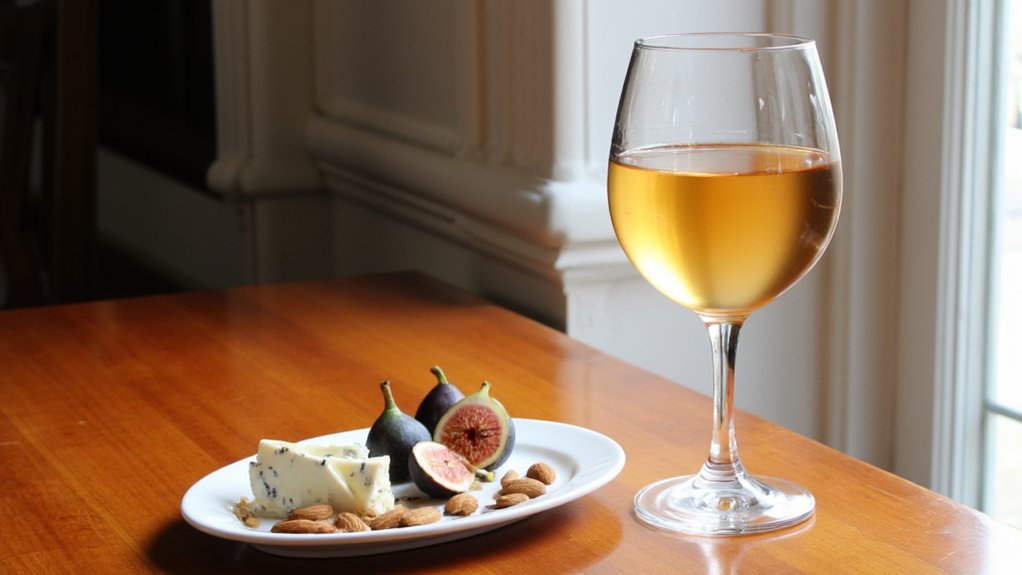
When you’re ready to plunge into the world of classic Icewine pairings, get ready for a flavor adventure that’s sweet, surprising, and maybe even a little daring. Icewine isn’t just for sipping on its own—it shines brightest when you match it with the right foods. Think dessert pairings that make your taste buds dance, or cheese combinations that’ll have you wondering where this magic has been all your life. Try these crowd-pleasers:
- Blue cheese with Icewine? Oh yes, it’s a funky-sweet masterpiece.
- Pair with lemon tart, and suddenly you’re a dessert genius.
- Foie gras and Icewine bring out the best in each other—rich, creamy, and decadent.
- Even spicy Asian dishes can be tamed with a chilled glass.
Go on, experiment and have fun!
Icewine Barrels Rescued From Fire
Imagine this: dozens of precious Icewine barrels, each packed with liquid gold, nearly lost to a raging fire. You can almost smell the smoke and feel the panic as winemakers sprinted into action. It’s a nail-biter, but here’s the twist—thanks to quick thinking and sheer determination, a heroic fire recovery unfolded right before everyone’s eyes. You’d be amazed how much hope can fit inside a barrel.
Once the flames died down, the real challenge began. Barrel restoration isn’t just scrubbing off soot; it’s a delicate rescue mission. Winemakers examined each barrel, patching up damage, testing for leaks, and saving every drop possible. The reward? Not just salvaged Icewine, but stories to swirl around your glass and share with friends.
Does IceWine Age Well?
If you’ve ever wondered whether Icewine gets better with age, you’re not alone—this question pops up as often as someone asks for a second glass. Now, Icewine isn’t like your average red, where time always means improvement. Some Icewines have real aging potential. You might notice that as the wine matures, its flavors evolve, shifting from bright, fruity notes to richer honey and caramel tones. That’s wine maturity for you! But here’s the catch: not every bottle’s a winner after years in the cellar. Some can lose that zippy freshness you loved in the first place. So, should you age your Icewine? Maybe, maybe not. It’s a bit of a gamble, but sometimes, that risk pays off deliciously.
IceWine Serving Tips
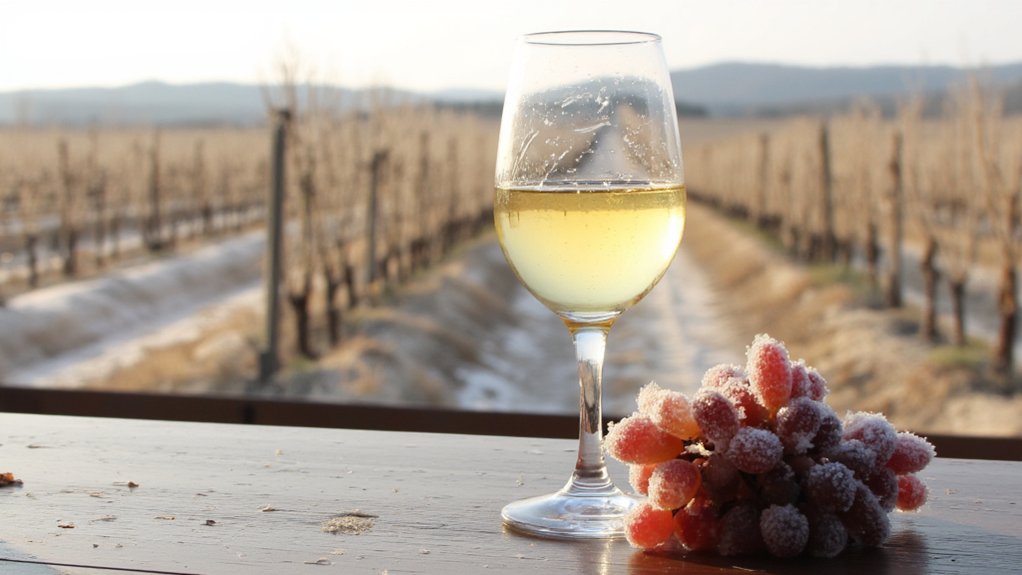
Although you might think pouring Icewine is as simple as popping the cork and hoping for the best, there’s actually a bit of art to it. Icewine serving is all about highlighting those lush, sweet flavors and making every sip sing. First, get the icewine temperature right—chill it to about 8-10°C (that’s 46-50°F, for the Fahrenheit fans). Not too cold, or you’ll mute those gorgeous aromas. Not too warm, or it’ll feel heavy and sticky.
Here’s how to make your next pour unforgettable:
- Use small dessert wine glasses—bigger is not better here.
- Serve in tiny pours, savoring every drop (it’s liquid gold, after all).
- Pair with bold cheeses or fruit-based desserts.
- Don’t rush—let the wine linger and the flavors unfold.
Similar Wines to IceWine
So you’ve got the perfect pour and you’re savoring every golden drop—now your taste buds might start wondering, “What else is out there that’s anything like this?” Icewine’s rich sweetness and zingy acidity make it a real showstopper, but it’s not the only dessert wine that can light up your palate. If you’re craving more sweet wines, give Sauternes from France a shot. It’s lush, honeyed, and oh-so-decadent. Tokaji from Hungary? It’s got apricot, spice, and enough intrigue to keep you guessing with every sip. There’s also German Beerenauslese and Trockenbeerenauslese—try saying those after two glasses! These dessert wines bring intense flavors and a dreamy finish, so you’ll never run out of excuses to have dessert first.
Frequently Asked Questions
Is Icewine Vegan or Vegetarian-Friendly?
When you check Icewine ingredients and Icewine production, you’ll find most Icewines are vegetarian-friendly, but not all are vegan. Some producers use animal-derived fining agents, so always ask the winery or look for vegan certification.
What Is the Alcohol Content of Icewine?
When you explore icewine production, you’ll notice the alcohol content is usually between 8% and 12%. This lower percentage preserves those intense icewine flavors, so you can really savor the sweetness and unique character of each sip.
How Many Calories Are in a Glass of Icewine?
When you’re counting the caloric content in a glass of icewine, consider the serving size—typically 2-3 ounces. You’ll usually consume about 120-150 calories per glass due to the high sugar concentration in this dessert wine.
Can People With Diabetes Drink Icewine?
If you have diabetes, you should approach icewine cautiously because its high sugar content can impact diabetes management. You’ll want to monitor your blood sugar closely or consider wine alternatives with lower sugar content for safer choices.
Where Can I Buy Authentic Icewine Outside of Canada?
You can find authentic icewine retailers online that offer international icewine shipping options. Check major wine specialty websites or local liquor stores with global selections. Always verify authenticity and shipping regulations before you place your order.