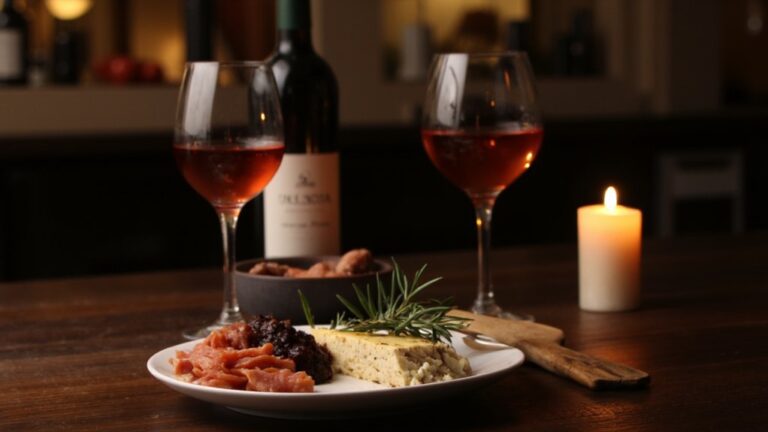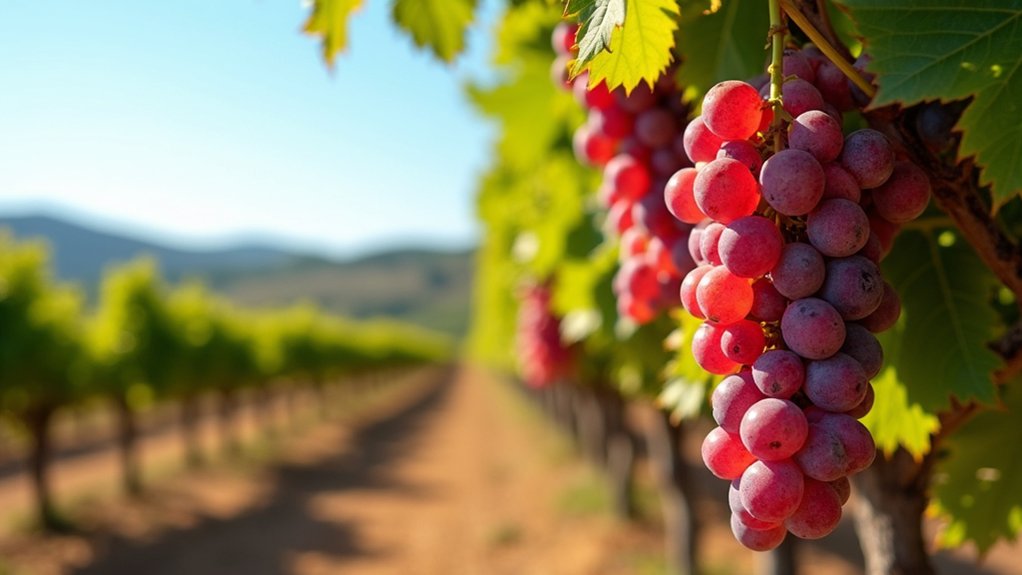
Ever heard of Grenache—or maybe Garnacha if you’re feeling a bit Spanish? You’re about to. Imagine a red wine that brings juicy strawberries, a sprinkle of spice, and just enough warmth to make you dream of Mediterranean sunsets. It’s an old grape with a wild side, traveling from Spain to France and beyond, charming everyone in its path. Curious why this grape’s got such a fan club? Wait till you hear about its famous friends and cheeky flavors.
Key Takeaways
- Grenache (Garnacha) is a versatile red grape variety originating from Spain’s Aragon region, now grown worldwide.
- It features thin skins, producing wines with lighter color but robust fruit flavors and moderate tannins.
- Grenache wines are typically fruit-forward, offering notes of ripe strawberries, white pepper, and subtle spices.
- The grape thrives in hot, dry climates, especially Mediterranean regions, and adapts well to challenging conditions.
- Grenache can be enjoyed young for its juicy fruitiness or aged for deeper, spicier, and herbal flavors.


Mediterranean Sun-Kissed Red Wine
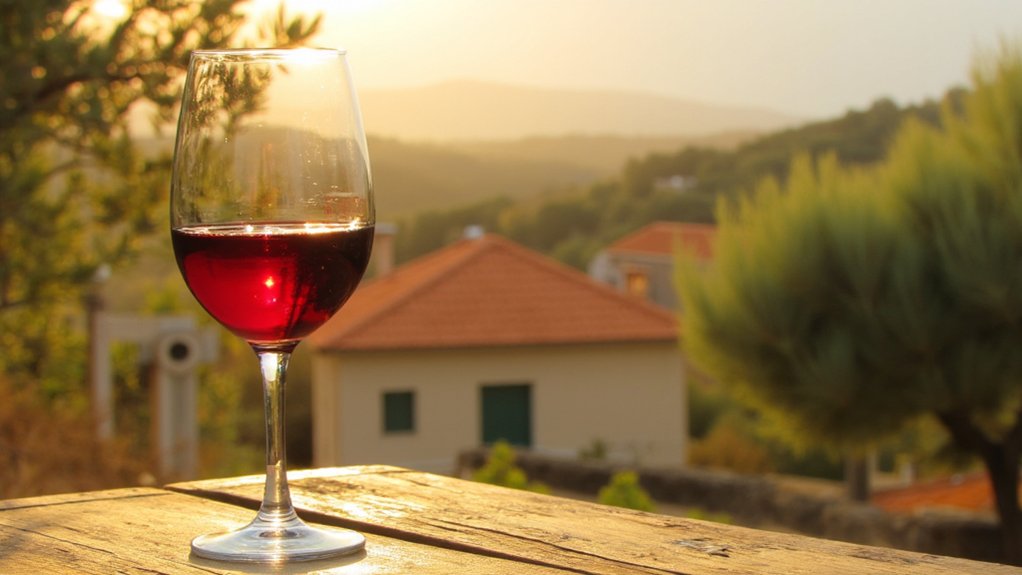
Even if you’ve never sipped a glass of Grenache, you’ve almost certainly tasted a little Mediterranean sunshine in some wine or another. This grape thrives where the days are long, the sun exposure feels endless, and the Mediterranean terroir shapes every berry. You can pretty much taste the warm rocks, wild herbs, and sun-baked earth in every sip. Grenache loves to soak up the rays, turning all that sunlight into juicy, plump grapes ready to burst with flavor.
If you close your eyes, you might imagine yourself on a breezy hillside, sun on your skin, glass in hand. It’s not just wine—it’s a vacation in a bottle. So next time you pour Grenache, remember: you’re drinking pure Mediterranean magic.
Aragonese Roots and Spread
While that sun-drenched flavor feels right at home on the Mediterranean coast, Grenache didn’t just appear out of thin air with a beach towel and sunglasses. Nope, this grape has serious roots, and you’ll find them planted deep in the rugged soils of Spain’s Aragon region. That’s right—Grenache, or Garnacha as it’s called there, boasts an Aragonese heritage that makes any family tree look dull by comparison. Over time, the grape didn’t just stay put; it wandered, charmed, and settled across new regions, each one putting its own twist on the style. This regional evolution is what makes Grenache so fun to explore. Taste it from Aragon and then try it from southern France—you’ll see, each sip tells a different story.
Thin-Skinned Red Grape Origins
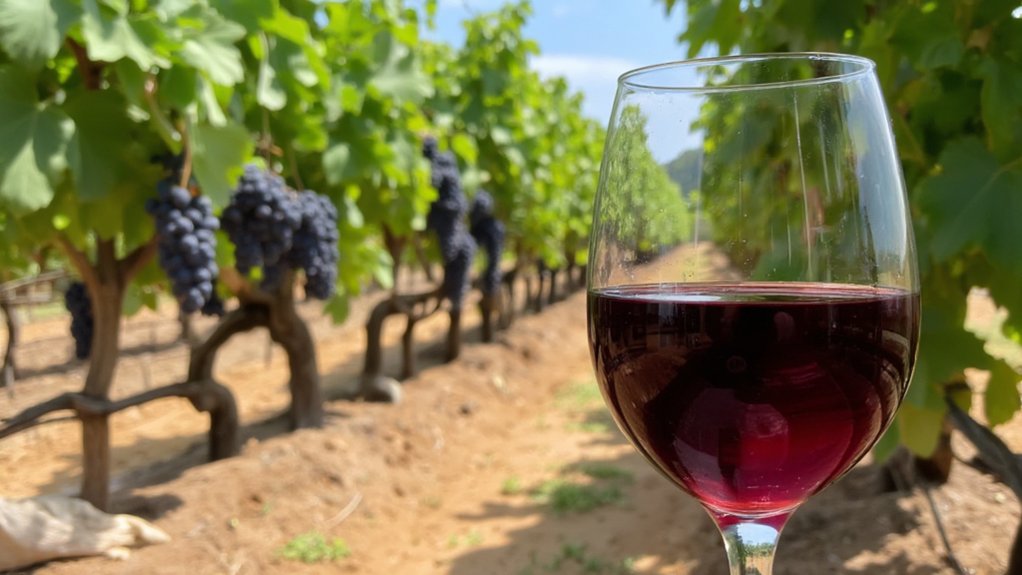
Because Grenache wears such a thin skin, you might think it’s a bit of a delicate diva among red grapes. But don’t let that fool you. In grape cultivation, Grenache is surprisingly hardy. Its thin skin is actually one of the classic grenache characteristics, giving it a lighter color and making it more prone to soaking up the sun’s rays. You’ll find it thriving where other grapes might throw in the towel—think windy hillsides, dry soils, and plenty of heat. It’s a grape that laughs in the face of adversity, soaking up tough conditions and still managing to deliver. So, while Grenache may look fragile, it’s got grit, and its origins are proof that appearances can be deliciously deceiving.
Strawberry and Spice Notes
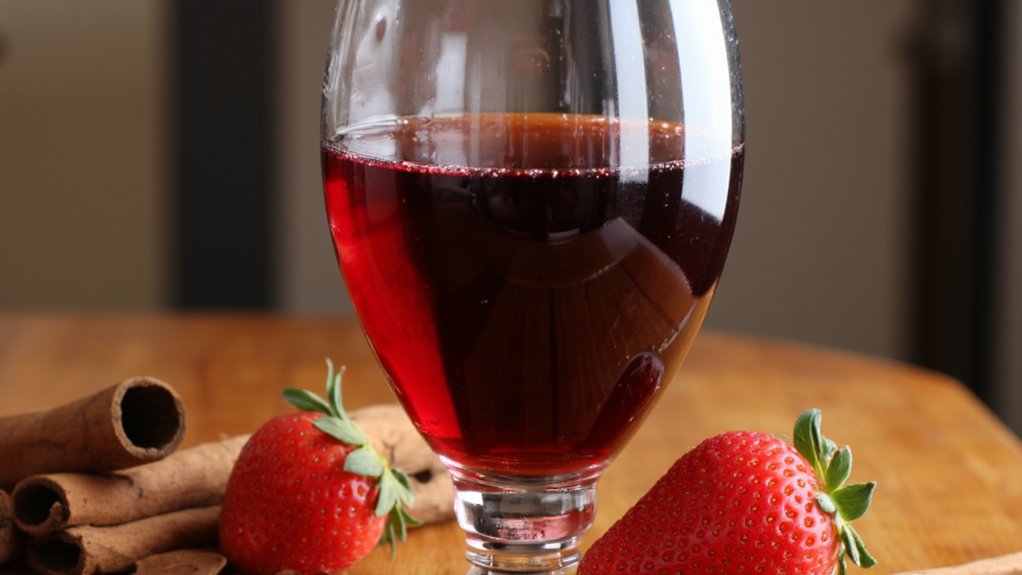
If you’ve ever taken a sip of Grenache and suddenly thought, “Wait, is that strawberry jam?”—congratulations, your taste buds are working just fine. Grenache is famous for fruit forward profiles, with ripe strawberries often stealing the spotlight. But don’t stop there—take a second sniff and you’ll probably catch a whiff of white pepper, cinnamon, or even a hint of dried herbs. That’s where the aromatic complexity kicks in.
It’s a bit like biting into a strawberry tart dusted with spice, making every sip a mini-adventure. Some say it’s playful, some say it’s seductive, but one thing’s for sure: It never gets boring. Next time you pour a glass, see if you can taste the jammy fruit and that little spicy zing!
Famous Grenache Wine Brands
Those strawberry and spice notes don’t just magically appear—they’re the handiwork of some seriously skilled winemakers. You can thank famous producers and their iconic vineyards for those flavors that dance around your senses. If you want to taste Grenache in its finest form, keep an eye out for these names:
- Château Rayas (France) – Their wines are like a masterclass in Grenache, pure and powerful.
- Bodegas Alto Moncayo (Spain) – They turn old-vine Garnacha into something bold and memorable.
- d’Arenberg (Australia) – Proof that the Aussies know how to coax out the grape’s juicy side.
- Sine Qua Non (California) – These bottles are rare, wild, and legendary.
Try them. Your tastebuds will thank you—probably with a standing ovation.
Popular Grenache Choices For Any Budget
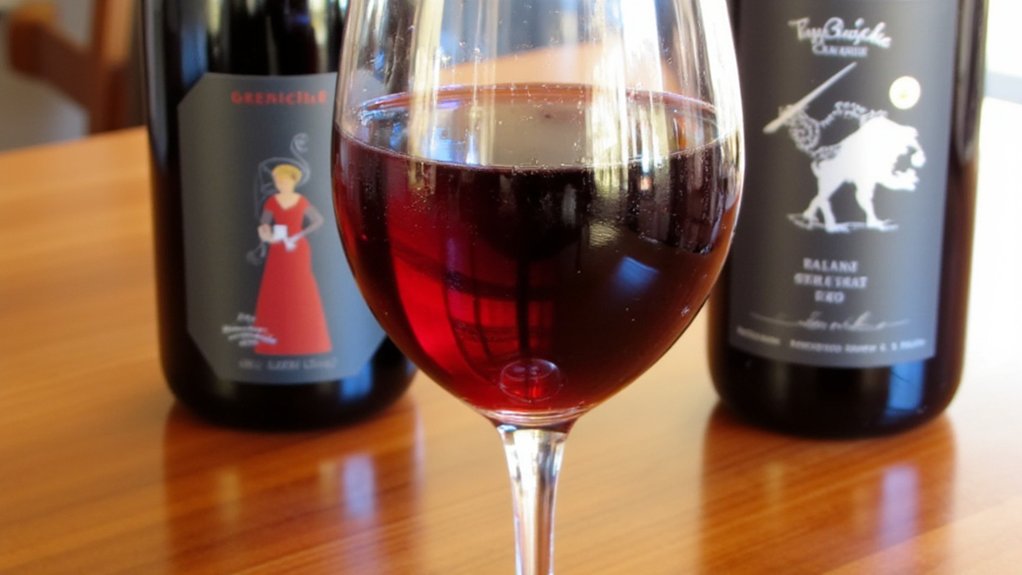
You don’t have to break the bank to enjoy a good Grenache—there are tasty bottles under $20 that’ll make your wallet smile and your taste buds do a little happy dance. If you’re feeling a bit fancy or want to impress your friends, you’ll find plenty of excellent picks in the $20 to $100 range, and let’s be honest, sometimes you just have to treat yourself, right? And for those moments when you want to go full-on wine royalty, there are high-end Grenache bottles over $100 that can turn any night into a celebration (just remember to invite me, okay?).
Bargain Grenache Wines Under $20
- Borsao Garnacha (Campo de Borja) – juicy, vibrant, red fruit, easy-drinking, crowd-pleaser
- Las Rocas Garnacha (Calatayud) – ripe berries, spice, medium-bodied, smooth finish
- Evodia Garnacha (Calatayud) – floral, fresh, mineral notes, silky texture
- La Vieille Ferme Rouge (Rhône) – approachable, cherry, earthy, balanced, French classic
- Yalumba Y Series Grenache (Barossa) – fragrant, raspberry, soft tannins, Australian charm
Mid-Range Grenache Wines Between $20-$100
- Shatter Grenache (Roussillon) – bold, dark fruit, licorice, lush texture, French-American collaboration
- Yangarra Old Vine Grenache (McLaren Vale) – complex, cherry, spice, silky tannins, organic Australian
- Bodegas Alto Moncayo Veraton (Campo de Borja) – rich, blackberry, chocolate, powerful, Spanish standout
- Domaine La Barroche Liberty (Rhône) – elegant, red berries, herbs, smooth, Châteauneuf character
- Tablas Creek Grenache (Paso Robles) – juicy, raspberry, white pepper, mineral, California Rhône-style
High-End Grenache Wines Above $100
- Sine Qua Non Grenache (California) – cult classic, intense, layered, rare, collector favorite
- Château Rayas (Rhône) – legendary, ethereal, pure, silky, benchmark Châteauneuf-du-Pape
- Clos Erasmus (Priorat) – powerful, black fruit, mineral-driven, opulent, Spanish icon
- Saxum James Berry Vineyard (California) – rich, spicy, bold, plush, critically acclaimed
- Clos des Papes (Rhône) – elegant, refined, complex, age-worthy, prestigious Châteauneuf-du-Pape
Classic Grenache Wine Food Pairings
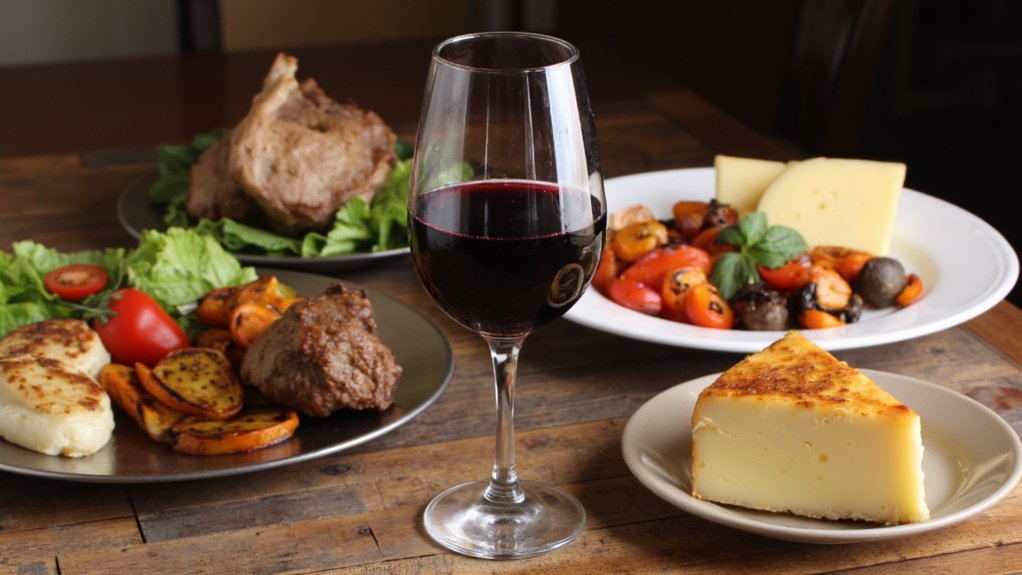
When it comes to pairing food with Grenache, get ready for some seriously delicious matchups. This grape is a real team player at the table, showing off its food compatibility with a wide range of dishes. Want to know some top Grenache pairings? Here you go:
- Grilled meats – Think lamb chops or sausages, smoky flavors love Grenache.
- Roasted veggies – Sweet peppers, eggplant, or zucchini, all get along great.
- Hard cheeses – Aged Gouda or Manchego? Yes, please.
- Hearty stews – Beef stew, or a rustic ratatouille, perfect for chilly nights.
You’ll find that Grenache’s fruity, spicy vibe makes it a flexible, friendly partner. Don’t be afraid to experiment. Wine and dinner should be fun, not stressful!
Châteauneuf-du-Pape Pope’s Preference
If you’ve ever wondered why Châteauneuf-du-Pape sounds so regal, there’s a juicy bit of history behind it—spoiler alert, it involves actual popes! Back in the 14th century, the Pope moved to Avignon, and guess what? The papal preferences for wine changed everything. Grenache took center stage because the papal court had taste, and they wanted the best. Châteauneuf history is steeped in these papal choices, making this wine region a holy grail for Grenache lovers. You can almost picture the popes swirling their goblets, debating which vintage deserves a blessing. Today, when you sip a glass of Châteauneuf-du-Pape, you’re basically tasting history—plus a little papal approval. Not bad for a wine that once graced the papal table!
Does Grenache Wine Age Well?
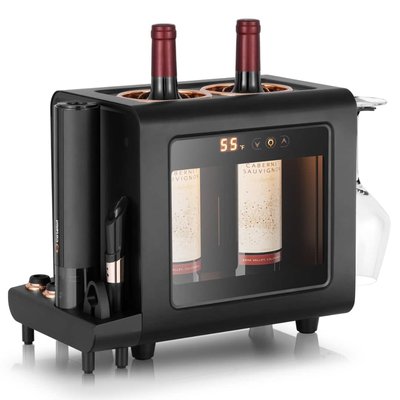
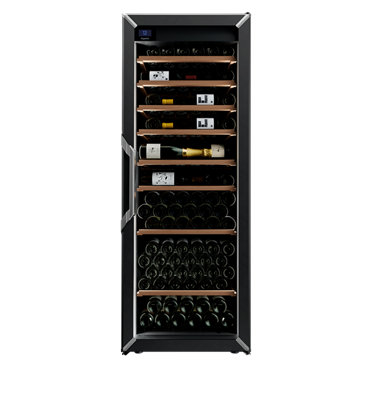
Turns out, those popes really knew how to pick a wine that could stand the test of time. Grenache aging is the real deal. If you get your hands on a quality bottle, you’ll want to stash it away with care—think cool, dark, and definitely not in your kitchen next to the oven. Grenache storage matters, because with the right conditions, this wine develops deeper flavors over the years. You might start with bright red fruit, but wait a decade or two, and suddenly you’re swirling hints of leather, spice, and dried herbs. It’s like your wine just went to grad school. Not every Grenache will age like royalty, but the good ones? Oh, they’re absolutely worth the patience.
Grenache Wine Serving Tips
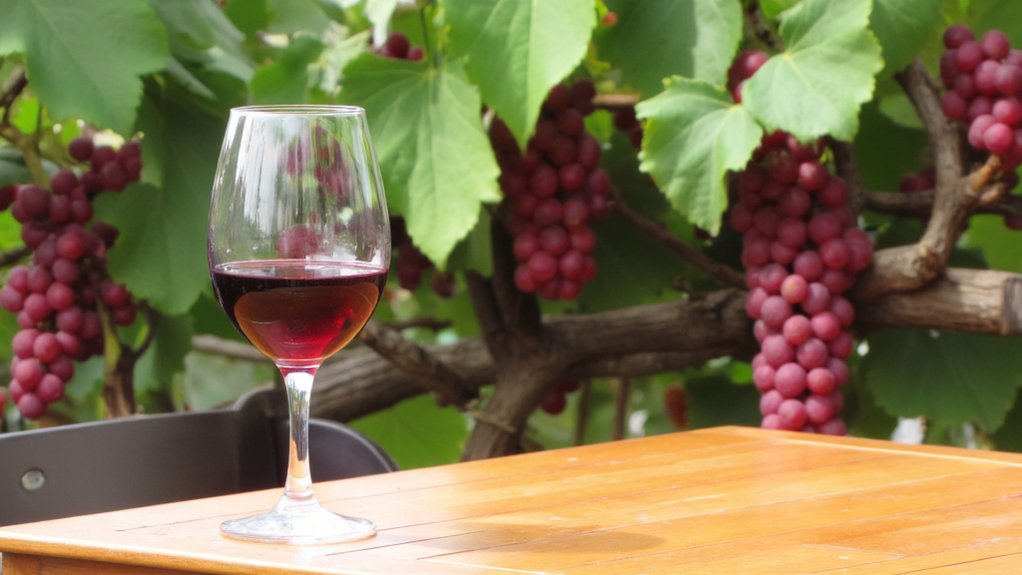
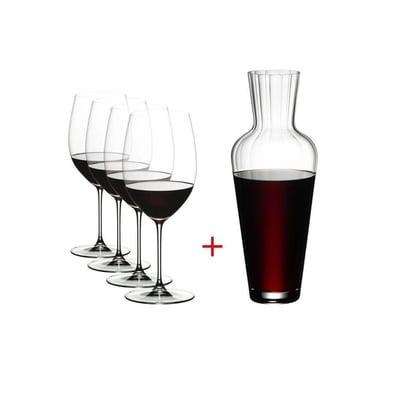
Ever wonder how to make your Grenache really sing in the glass? It’s easier than you think! Start with the right moves and you’ll reveal juicy fruit, subtle spice, and all that Grenache goodness. First off, don’t just grab any old cup—glass recommendations matter here. Choose a large, rounded red wine glass to let those aromas soar. When pouring, remember ideal temperatures: serve Grenache slightly cool, around 55-60°F (13-16°C). Want it to taste even better? Try these tips:
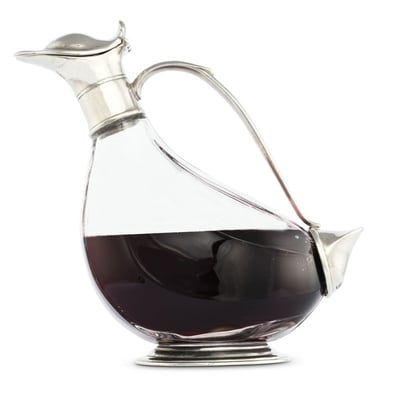
- Decant for 20-30 minutes to soften tannins.
- Use a clean glass—no detergent funk, please!
- Pair with casual bites like grilled veggies or charcuterie.
- Don’t overthink it—Grenache loves good company and laughter.
Cheers to easy, delicious sipping!
Similar Wines to Grenache Wine
While Grenache has a charm all its own, you might find yourself craving something with a similar vibe—juicy, fruity, and a little bit wild. If that’s you, let’s talk options. Try Pinot Noir. It’s light, fresh, and full of red berry flavors, a solid choice if you love Grenache varietals. Another fun pick is Zinfandel—think ripe fruit, a hint of spice, and just enough oomph to keep things interesting. Tempranillo from Spain brings a touch of earthiness, and it’s right at home alongside Grenache blends. Don’t skip on Cinsault or Carignan, either, both are often partners in classic Grenache blends and can offer that same playful, fruit-forward energy. Who knew wine shopping could be this much fun?
Frequently Asked Questions
Is Grenache Wine Suitable for Vegans or Vegetarians?
When you choose Grenache wine, check if animal products like egg whites or gelatin were used during wine filtration. Some producers use these, so you’ll want to look for bottles labeled vegan or vegetarian-friendly to guarantee suitability.
What Is the Typical Alcohol Content of Grenache Wines?
You’ll usually find Grenache wines have an alcohol content between 13.5% and 16%. Depending on Grenache regions and Grenache varieties, this can vary, but expect a robust, warming profile common to this expressive grape.
Are There Any Organic or Biodynamic Grenache Wines Available?
You’ll find plenty of Grenache wines crafted using organic viticulture and biodynamic practices. Many producers prioritize sustainability, so you can easily choose bottles made with these methods if you value environmentally friendly wine production and natural farming.
Can Grenache Grapes Be Used to Make Dessert or Fortified Wines?
You can absolutely use Grenache grapes for Grenache desserts and Fortified Grenache wines. Winemakers often craft sweet, rich dessert wines and fortified styles like Banyuls, showcasing Grenache’s versatility and its delicious, fruit-forward character.
How Does Climate Change Affect Grenache Grape Production?
When you consider climate impacts on grenache grape production, you’ll notice warmer temperatures can boost ripeness but also threaten acidity and yields. Luckily, grenache shows strong grape resilience, adapting well to drought and heat compared to other varieties.