So, you’re curious about Chianti? Picture yourself in Tuscany, glass in hand, surrounded by rolling hills and that warm Italian sun. Chianti isn’t just any red wine—it’s a zesty, cherry-packed classic with a backstory that’s older than your grandma’s lasagna recipe. There’s history, there’s flavor, and there’s even a black rooster involved—yeah, really. But what actually makes Chianti so special, and why do wine geeks go nuts for it? Well, let’s uncork that mystery together…
Key Takeaways
- Chianti is a red wine from Tuscany, Italy, primarily made from Sangiovese grapes.
- It is known for lively acidity, cherry flavors, and often floral or earthy notes.
- The wine’s production is regulated, with origins dating back to Cosimo III de’ Medici’s 1716 decree.
- Chianti pairs well with classic Italian dishes like pasta, roasted meats, and aged cheeses.
- Quality and price vary widely, from affordable bottles to prestigious, age-worthy selections.

Tuscan Red Wine Region
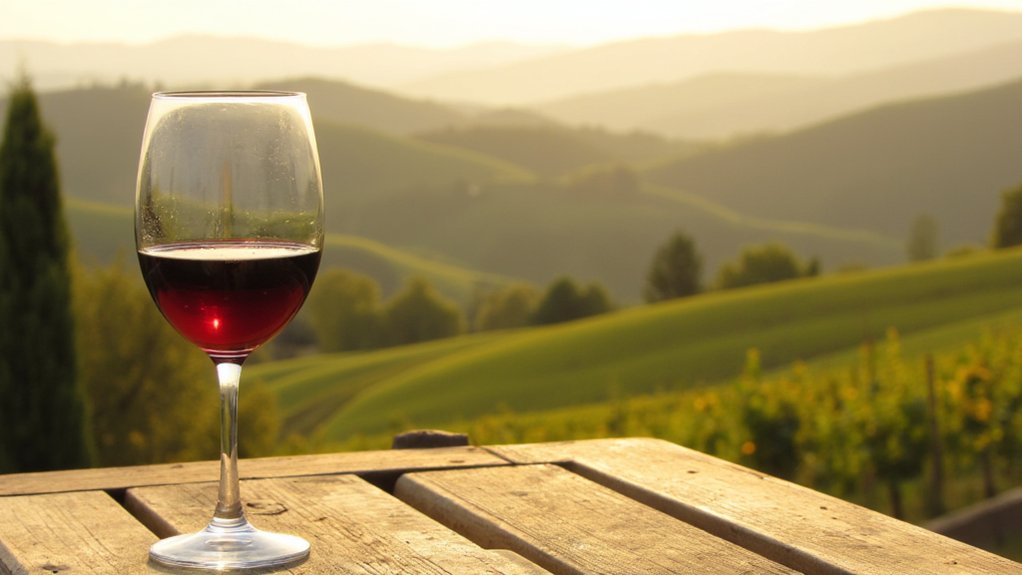
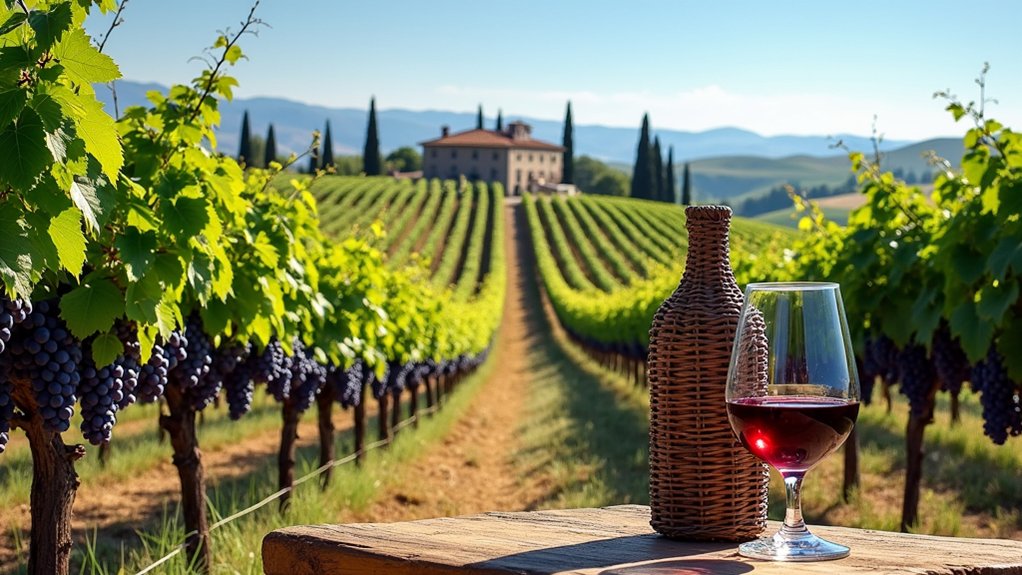
If you’ve ever dreamed of rolling hills dotted with cypress trees, then you’re halfway to understanding the magic of the Tuscan red wine region. You can almost hear the buzz of bees and clinking of glasses already, right? This is the birthplace of Chianti, where Chianti history practically seeps from the soil itself. The region’s unique terroir—meaning the sun, soil, and even the breezes—gives Chianti its signature taste. You’ll find vineyards everywhere, like a grape-lover’s paradise. Here, winemakers have been crafting reds since, well, before you could say “cheers” in Italian. Every bottle tells a story of ancient villages, stubborn farmers, and the glorious Sangiovese grape. So, pour yourself a glass and taste a piece of Tuscany’s red wine heartbeat.
1716 Cosimo III Decree
Long before you could book a wine tour with a swipe on your phone, Cosimo III de’ Medici—yes, that’s a real name, and yes, he was kind of a big deal—stepped in to shape the future of Chianti. Picture yourself in 1716, when Cosimo dropped the Cosimo decree, drawing the first official boundaries for Chianti. He wasn’t messing around. These Chianti regulations meant that only wines from certain villages could call themselves “Chianti,” which basically turned the region into a VIP club for wine. You’d probably love the idea of a wine so special it needed legal protection, right? Thanks to Cosimo, Chianti wasn’t just another red—it started its journey to iconic status. Rules, boundaries, and a bit of royal flair. Cheers to that!
Sangiovese-Dominant Blend
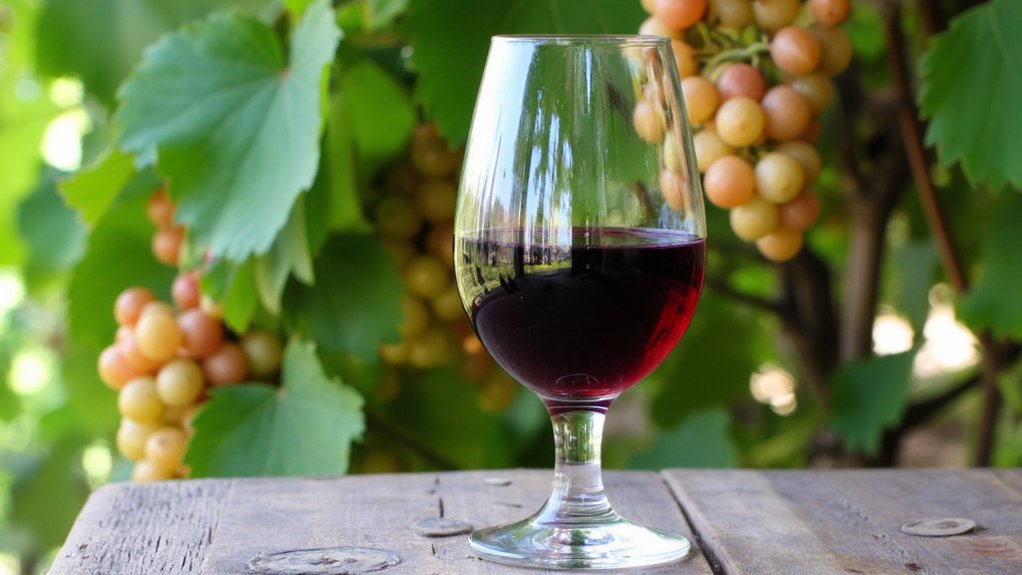
Sangiovese steals the spotlight in Chianti, and honestly, it kind of deserves the fame. You’ll notice those classic Sangiovese characteristics front and center—think lively acidity, zippy red fruit, and a hint of earth that keeps you guessing. But Chianti doesn’t just stick to one trick. Nope, it loves a little creativity. The region’s blend variations let winemakers add grapes like Canaiolo or Colorino for extra color, softness, or just a dash of personality. Sometimes they’ll even sneak in a bit of Merlot or Cabernet Sauvignon, shaking things up like a plot twist in your favorite show. So every bottle’s a bit of a surprise, but Sangiovese’s signature style always shines through. Seriously, it’s the real MVP here.
Notes of Tart Cherry
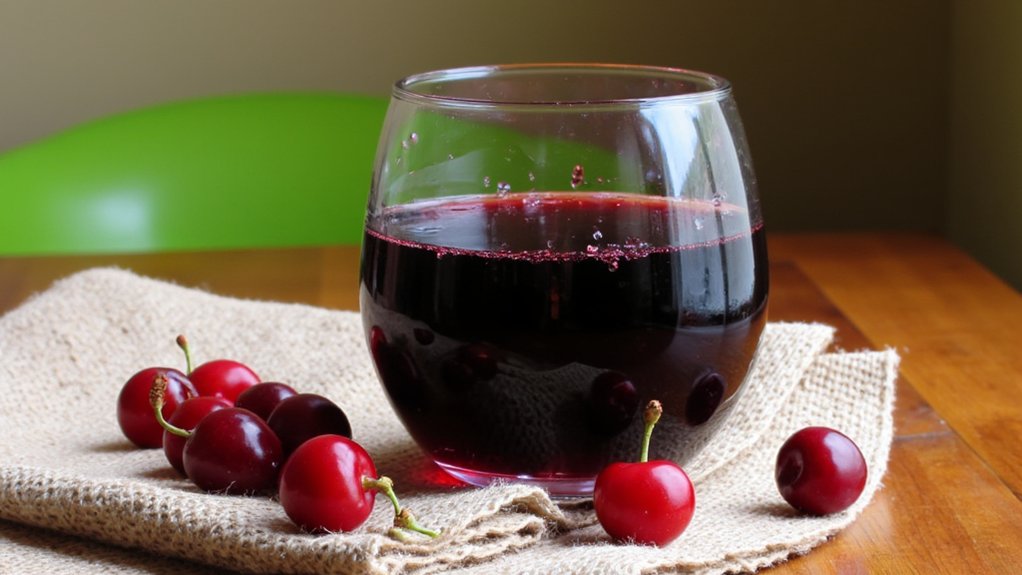
Tart cherry—that’s the flavor that pops up and says hello every time you take a sip of Chianti. You can’t really ignore it. It’s bright, a little sassy, and totally unforgettable. When you do a flavor profile analysis, tart cherry characteristics always stand out, setting Chianti apart from other reds. It’s like the wine’s signature handshake. Notice how the tangy, almost puckery edge dances across your tongue? That’s the tart cherry working its magic, making your taste buds sit up and take notice. It keeps things lively, not boring. Sometimes you’ll even get a hint of sour candy or a wink of cranberry, but the star of the show is always that bold, zippy cherry note. Admit it—you’re craving a glass now.
Famous Chianti Wine Brands
So you’ve got that tart cherry zing in your mind, probably imagining it swirling around in a big glass. Now, let’s talk Chianti’s rockstars! When you spot those iconic labels from famous vineyards, you know you’re in for something special. Picture yourself exploring Tuscany’s rolling hills, stumbling across bottles that practically wink at you. Let’s paint a scene:
- Castello di Ama: A blend of history and innovation—think art, vineyards, and world-class wine.
- Antinori: Centuries-old, with a family legacy longer than your favorite Netflix series.
- Ruffino: Reliable, approachable, and never a bad date to dinner.
- Castello di Querceto: Rustic charm, tucked away in Greve, with bottles that feel like hidden treasures.
Popular Chianti Choices For Any Budget
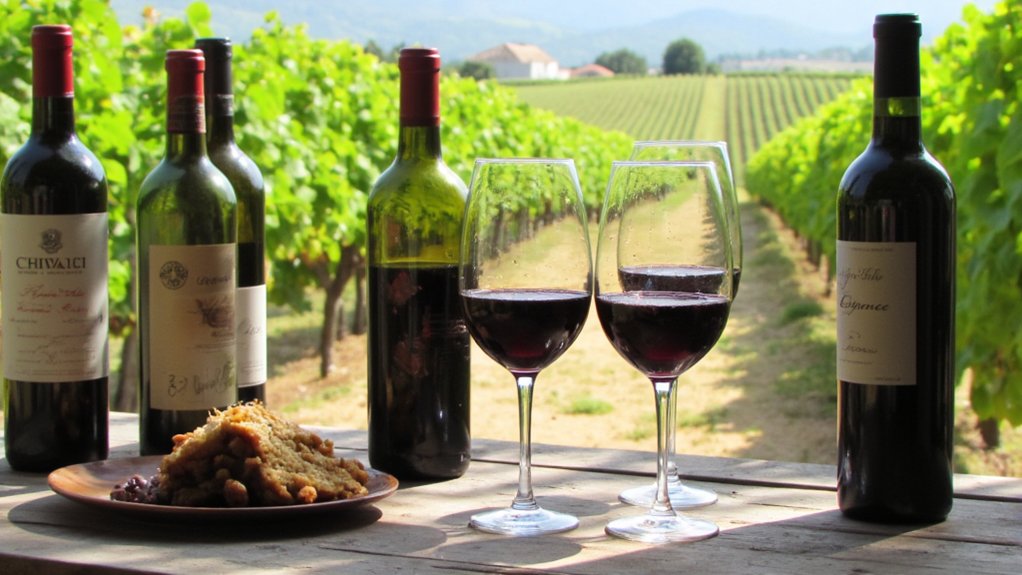
You don’t need a fat wallet to enjoy Chianti—there are tasty bottles under $20 that punch way above their price tag, making your pizza night feel fancy. If you’re feeling a bit more spendy, the $20-$100 range opens up a world of richer, more complex flavors that’ll have you swirling your glass and pretending you’re in Tuscany. For those who want to go all-in, high-end Chianti wines above $100 deliver luxury and bragging rights, and honestly, they might just make you want to recite Italian poetry at the dinner table.
Bargain Chianti Wines Under $20
- Ruffino Chianti (Tuscany) – bright cherry, smooth, food-friendly, classic style
- Banfi Chianti Superiore (Tuscany) – vibrant fruit, balanced, silky, great value
- Da Vinci Chianti (Tuscany) – ripe plum, easy-drinking, mellow tannins, popular
- Gabbiano Chianti (Tuscany) – fresh berries, lively acidity, approachable, everyday favorite
- Cecchi Chianti (Tuscany) – red fruit, soft, versatile, crowd-pleaser
Mid-Range Chianti Wines Between $20-$100
- Castello di Ama Chianti Classico (Tuscany) – elegant, floral, structured, black cherry, long finish
- Fontodi Chianti Classico (Tuscany) – organic, rich, dark fruit, spice, velvety tannins
- Querciabella Chianti Classico (Tuscany) – biodynamic, refined, red currant, mineral, balanced
- Ricasoli Brolio Chianti Classico Riserva (Tuscany) – savory, blackberry, earthy, polished, well-integrated
- Isole e Olena Chianti Classico (Tuscany) – balanced, vibrant, cherry, herbal, smooth texture
High-End Chianti Wines Above $100
- Castello di Ama Vigneto Bellavista Gran Selezione (Tuscany) – complex, layered, floral, black cherry, persistent, age-worthy
- Fontodi Vigna del Sorbo Gran Selezione (Tuscany) – powerful, elegant, dark fruit, spice, structured, long finish
- Querciabella Riserva Gran Selezione (Tuscany) – biodynamic, refined, deep, mineral, red fruit, polished
- Isole e Olena Chianti Classico Gran Selezione (Tuscany) – concentrated, silky, vibrant, cherry, herbal, sophisticated
- Castello di Fonterutoli Siepi (Tuscany) – rich, bold, blackberry, cedar, velvety, harmonious
Classic Chianti Wine Food Pairings

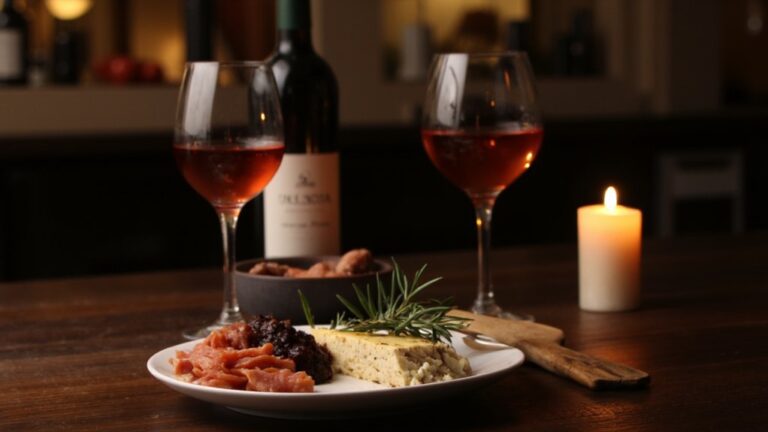
If you’re ready to reveal the magic of Chianti, let’s talk about what really makes this wine sing—food pairings that’ll have your taste buds dancing the tarantella. Picture yourself in a cozy trattoria, red-checkered tablecloth, a bottle of Chianti breathing beside a plate of rustic Italian fare. This is Chianti’s happy place. The wine’s bright acidity and cherry flavors beg for classic recipes loaded with rich tomato sauce, herbs, and savory meats.
Here’s your Chianti dream menu:
- A steaming bowl of pasta al ragù, with shavings of Parmesan melting on top.
- Crispy, herb-roasted chicken, straight from the oven.
- Wild mushroom risotto, creamy and earthy.
- Slices of aged pecorino cheese, drizzled with honey.
Now, pour a glass and dig in!
Black Rooster Symbol Origin
Long before Chianti was swirling in your glass, a feisty black rooster was already strutting its stuff across the hills of Tuscany, crowing its way into the history books. The black rooster, or “Gallo Nero,” isn’t just there for show. It’s loaded with symbol meaning. Legend says, centuries ago, the rival cities of Florence and Siena settled a land dispute with a wild rooster race at dawn. The Florentines chose a clever, hungry black rooster, which crowed early, giving them a head start and ultimately, victory. So, when you spot that black rooster on a Chianti Classico bottle, you’re not just looking at a logo—you’re seeing a cheeky nod to cunning, tradition, and a story that’s pure Tuscan swagger.
Does Chianti Wine Age Well?
So, does Chianti wine age well, or is it just another bottle begging to be popped open as soon as you get home from the store? Good news—Chianti, especially Chianti Classico or Riserva, has real aging potential. If you’ve got patience (and, let’s be honest, enough willpower not to drink it right away), you’ll notice that Chianti gets smoother and more complex with time. The flavors shift, the tannins mellow out, and aromas can surprise you as the years pass. But, hey, don’t just toss your bottle in a closet and forget it! Proper wine storage matters. Keep your Chianti cool, dark, and lying on its side. Treat it well, and it’ll reward you with a symphony in your glass.
Chianti Wine Serving Tips
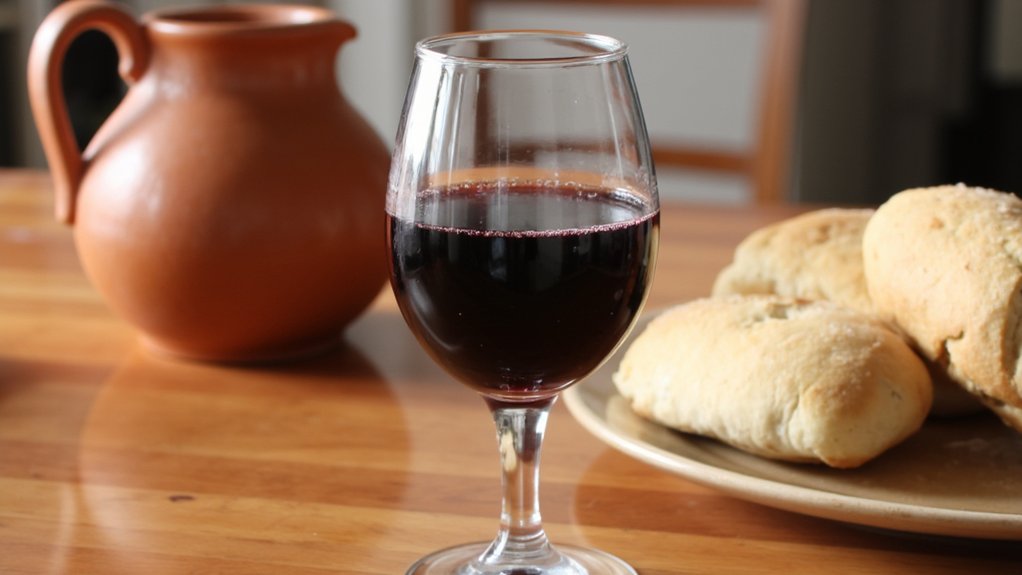
Three simple tweaks can turn your Chianti experience from “just another glass of red” into an Italian celebration. It’s all about how you serve it! Nail the chianti serving game, and suddenly you’re not just sipping—you’re living la dolce vita. First, don’t just yank the cork and pour; a little care goes a long way.
- Set the wine temperature between 60-65°F (that’s slightly cool, not fridge-cold—like a Tuscan evening breeze).
- Use a wide-bowled glass to let those cherry and violet aromas dance out.
- Decant for about 30 minutes if it’s a younger bottle, letting flavors open up like a symphony.
- Pair it with rustic Italian food—think pasta or cheese—because Chianti loves company.
Trust me, your taste buds will thank you.
Similar Wines to Chianti Wine
While Chianti might steal the spotlight at your dinner table, it’s not the only red with that classic Italian charm and zippy personality. If you’re searching for Sangiovese alternatives, you’ve got plenty of options to explore. Start with Brunello di Montalcino—think of it as Chianti’s sophisticated cousin, bold yet smooth. Or try Vino Nobile di Montepulciano, another Tuscan favorite that’s rich but approachable, just like your favorite uncle at family gatherings. Don’t skip the Super Tuscan blends either; these wines mix Sangiovese with international grapes like Merlot or Cabernet, creating something exciting and a little rebellious. Each glass brings a new twist, a fresh reason to smile, and maybe even a reason to text your friends, “You gotta try this.”
Frequently Asked Questions
Is Chianti Wine Suitable for Vegans or Vegetarians?
When choosing Chianti, you’ll want to check for vegan certification, since some wineries may use animal-based fining agents. You can find vegetarian options more easily, but always verify the label or contact the producer for confirmation.
Does Chianti Contain Sulfites or Additives?
When you drink Chianti, you’ll find it usually contains sulfites, as most wines do. Sulfite levels help preserve freshness. Some producers may use other wine additives, but traditional Chianti tends to use minimal additives overall.
What Glassware Is Best for Serving Chianti?
When choosing Chianti glassware, use a medium-sized, tulip-shaped wine glass to enhance its aromas. Serve at the ideal Chianti serving temperature, around 60–65°F, so you’ll appreciate its flavors and bouquet to the fullest.
Can Chianti Be Used for Cooking Recipes?
You can absolutely use Chianti in cooking recipes. Its bright acidity and earthy flavor profiles enhance sauces, stews, and braises. Experiment with various cooking techniques—Chianti adds depth and complexity that’ll uplift your dishes beautifully.
Is Chianti Available in Organic Varieties?
You’ll find Chianti available in organic varieties. Look for bottles with organic certification labels, which guarantee the wine’s produced using sustainable practices. Choosing organic Chianti means you’re supporting environmentally friendly vineyards and enjoying a cleaner, more natural product.