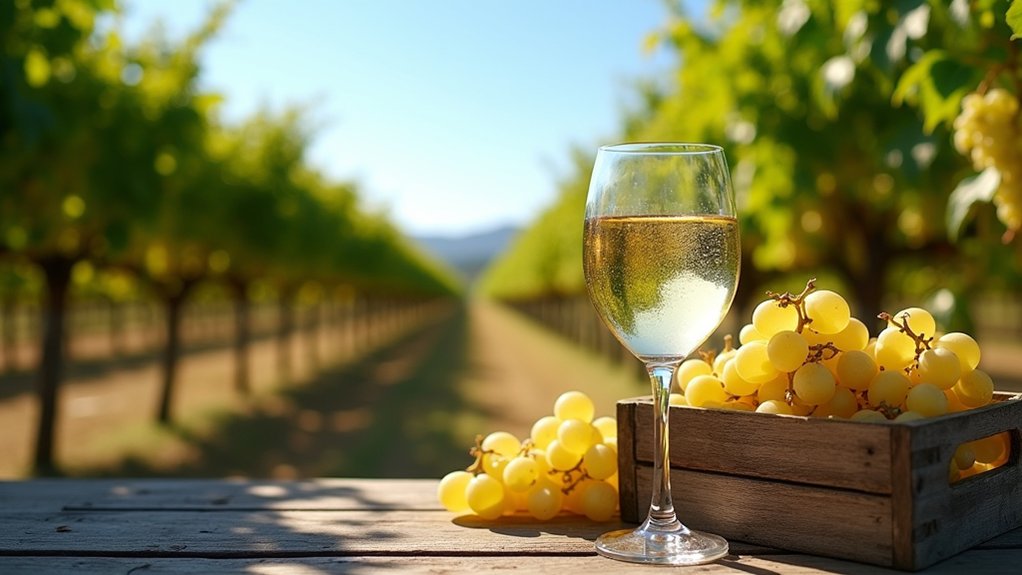
Ever wondered what makes Chenin Blanc such a crowd-pleaser? You’re about to find out. This grape’s got some serious style—think juicy green apples, a drizzle of honey, and just a hint of quince (fancy, right?). It’s the Loire Valley’s white wine superstar, but it hides out in South Africa too, under the alias “Steen.” Whether you like your wine sweet, dry, or sparkling, Chenin’s got you covered. So—ready to uncork the next juicy secret?
Key Takeaways
- Chenin Blanc is a versatile white grape variety originally from France’s Loire Valley, known for producing wines ranging from dry to sweet and still to sparkling.
- Its flavor profile includes green apple, honey, quince, and floral notes, with both fresh and rich, aged expressions possible.
- Chenin Blanc is grown worldwide, notably in France, South Africa, and California, with each region imparting unique characteristics to the wine.
- It pairs well with foods like roast chicken, spicy cuisine, and goat cheese, and many examples can age beautifully for decades.
- Popular brands span a wide price range, including Domaine Huet, Mullineux, and MAN Family Wines, offering diverse styles for different budgets.
Loire Valley’s Signature White
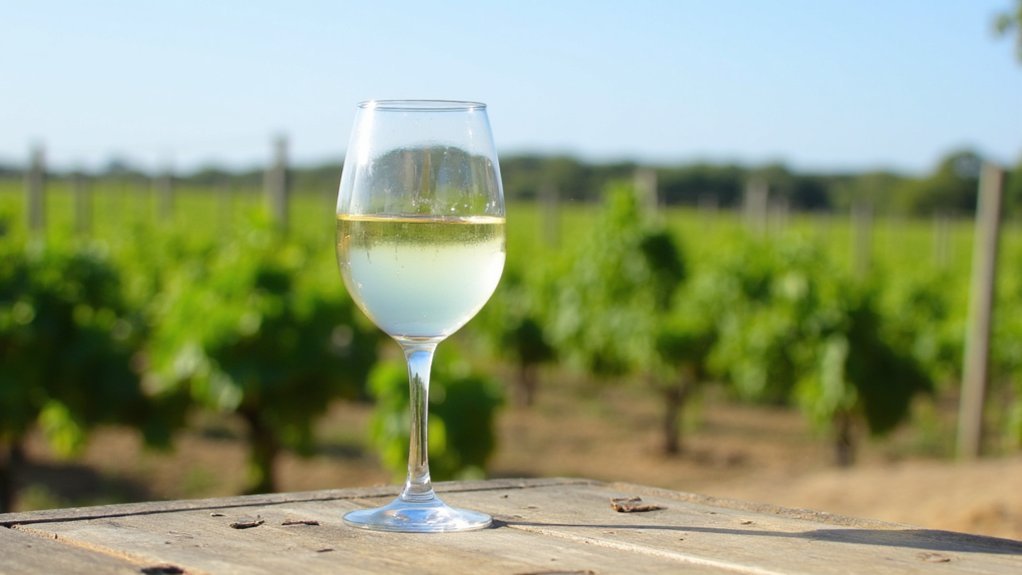
Even if you’ve never set foot in France, you’ve probably heard whispers about the Loire Valley’s most famous white grape, Chenin Blanc. This grape is the darling of the region, and it’s not hard to see why. When you take a sip, you’re tasting the essence of Loire Terroir—think cool rivers, misty mornings, and limestone-rich soils that give each glass that zingy freshness. Chenin Characteristics? They’re like a playlist on shuffle: bright green apple, honey, quince, sometimes a cheeky hint of lanolin, and always a crisp edge. It’s a shape-shifter, going dry or sweet, still or sparkling, but always lively. Seriously, Chenin Blanc is the life of the Loire party, and you’re invited to taste the fun.
9Th-Century Loire Valley Roots
History buffs, get your glasses ready. You’re about to sip through centuries. Chenin Blanc’s roots reach deep into the 9th-century Loire Valley, where monks and vintners first realized they had struck liquid gold. Picture yourself wandering ancient vineyards, the air buzzing with tales of kings, queens, and the occasional rowdy peasant. This grape’s historical significance isn’t just about age; it’s the way it shaped the region’s culture. Loire Valley towns thrived because of Chenin Blanc, and local traditions grew up around it, from harvest festivals to boisterous feasts. You can’t ignore the cultural impact either—this wine became a centerpiece at tables and in hearts. So, next time you pour a glass, you’re not just drinking wine; you’re sipping history.
Versatile French White Grape
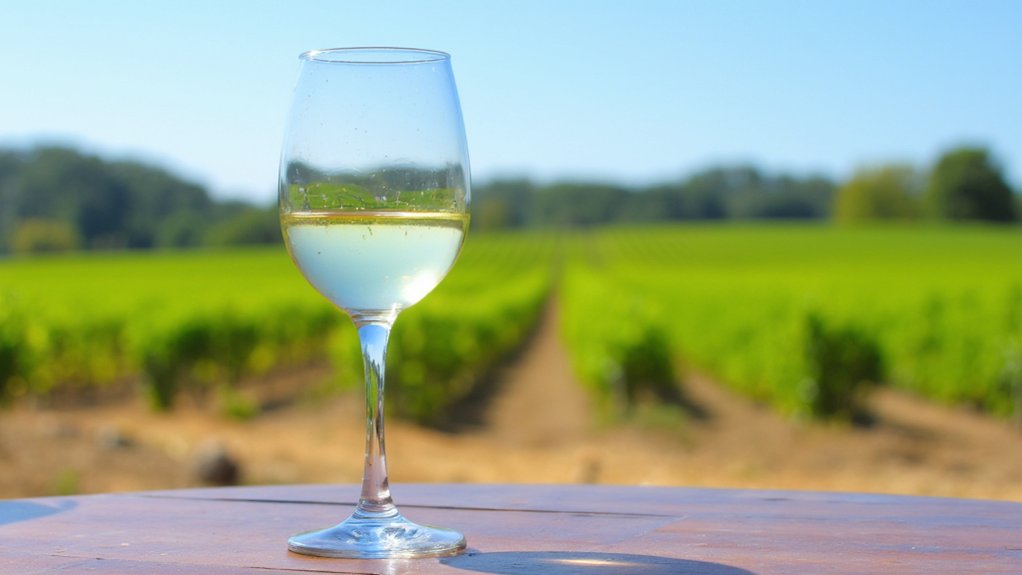
All that rich history wouldn’t mean much if Chenin Blanc was a one-trick pony. Lucky for you, it’s anything but. Imagine a grape that can do it all—Chenin Blanc characteristics shift and shimmer with every bottle. This grape’s like that friend who can pull off any style, from sparkling and crisp to lusciously sweet or bone-dry. The main Chenin Blanc regions are the Loire Valley in France and South Africa, but you’ll spot it popping up in California and even Australia. Each region brings its own twist, so you never know exactly what you’ll get. It’s a grape with a split personality, but in the best way possible—a true chameleon. Don’t try to pin it down, just enjoy the ride!

Notes of Quince and Honey
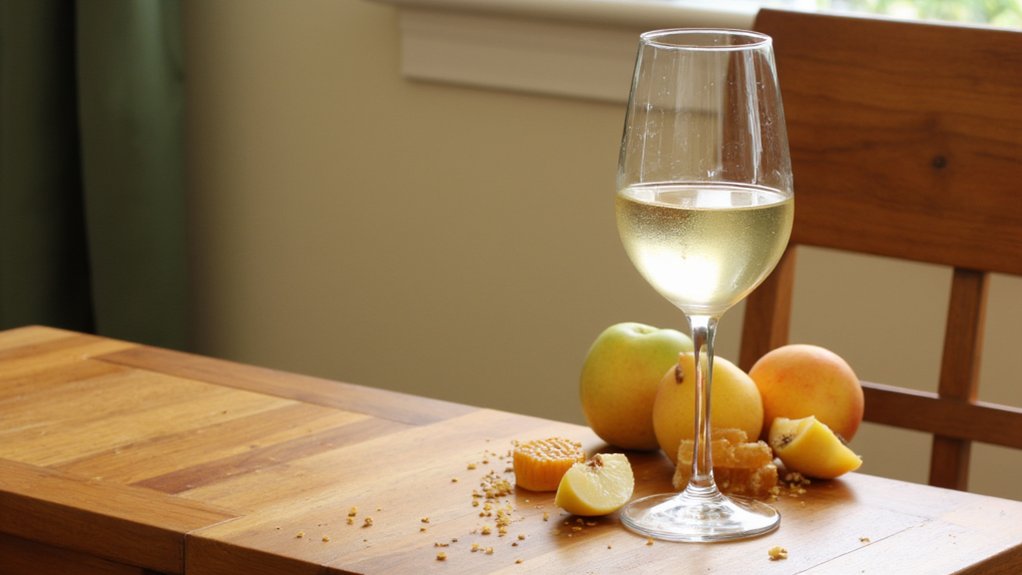
If you’ve ever swirled a glass of Chenin Blanc and caught a whiff of something that reminds you of a fancy fruit basket, you’re not imagining things. That lovely aroma often comes from the quince flavor that’s a signature part of this wine’s personality. You might not eat quince every day, but in Chenin Blanc, it’s right there—perfumed, a little tart, and totally unique. Now, let’s talk about honey notes. When you sip, there’s this gentle sweetness, like a drizzle of honey over ripe fruit. It doesn’t hit you over the head, but it’s smooth and cozy, like a fuzzy blanket for your taste buds. So next time you take a sip, see if you can find these flavors hiding in plain sight!
Famous Chenin Blanc Wine Brands
Spotting those notes of quince and honey in your glass is one thing, but you might be wondering which bottles really capture the magic. If you want to experience Chenin Blanc at its finest, you’ll want to know a few famous producers and their iconic vintages. Some brands have built a legendary status, with bottles that make sommeliers swoon and regular wine lovers grin like they’ve just found twenty bucks in their jeans. Here are a few names you should keep an eye out for:
- Domaine Huet – Masters of Vouvray, making bottles that age like your grandma’s secret fruitcake (but way tastier).
- Mullineux – South Africa’s Chenin rockstars, crafting bold, expressive wines.
- Nicolas Joly – Biodynamic pioneer, with cult-favorite vintages that’ll blow your mind.
Popular Chenin Blanc Choices For Any Budget

You don’t have to empty your wallet to enjoy a great bottle of Chenin Blanc—there are tasty options under $20 that’ll make your taste buds dance, and your bank account smile. If you’re feeling a bit fancy, mid-range bottles between $20 and $100 offer more complexity and style, making them the life of any dinner party (or Tuesday night in, we don’t judge). But if you’re chasing true luxury, high-end Chenin Blancs above $100 bring the wow-factor, the bragging rights, and probably a not-so-subtle urge to show off your wine “expertise” to anyone who’ll listen.
Bargain Chenin Blanc Wines Under $20
- MAN Family Wines Chenin Blanc (South Africa) – crisp, citrus, invigorating, value, vibrant acidity
- Pine Ridge Chenin Blanc + Viognier (California) – floral, peach, off-dry, crowd-pleaser, aromatic
- Vouvray Domaine Pichot (Loire) – semi-sweet, honeyed, apple, balanced, classic style
- Barton & Guestier Vouvray (Loire) – smooth, melon, affordable, gentle sweetness, versatile
- Les Hauts de Lagarde Chenin Blanc (France) – organic, fresh, pear, mineral, light-bodied
Mid-Range Chenin Blanc Wines Between $20-$100
- Mullineux Old Vines Chenin Blanc (South Africa) – textured, stone fruit, complex, mineral-driven, acclaimed
- Domaine Huet Vouvray Sec (Loire) – biodynamic, crisp, citrus, age-worthy, legendary producer
- Field Recordings Chenin Blanc (California) – bright, apple, floral, lively acidity, modern style
- Ken Forrester FMC Chenin Blanc (South Africa) – rich, honeyed, intense, layered, collectible
- Chateau de la Roulerie Chenin Blanc (Loire) – organic, fresh, pear, balanced, elegant
High-End Chenin Blanc Wines Above $100
- Domaine Huet Le Mont Moelleux Première Trie (Loire) – legendary, luscious, honeyed, age-worthy, complex
- Mullineux Schist Chenin Blanc (Swartland) – rare, mineral, textured, powerful, acclaimed
- Sadi Malot Clos de Chenin (Champagne) – unique, sparkling, refined, elegant, limited
- Richard Leroy Les Noëls de Montbenault (Loire) – cult, intense, pure, mineral-driven, biodynamic
- Alheit Vineyards Radio Lazarus (Swartland) – iconic, layered, nuanced, collectible, sought-after
Classic Chenin Blanc Wine Food Pairings

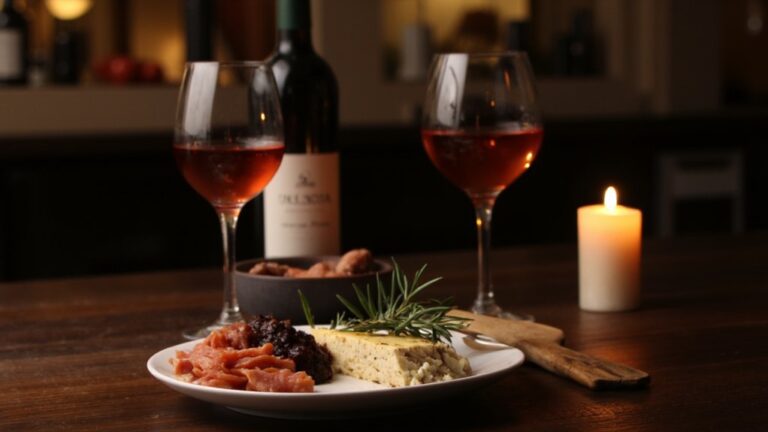
If you’ve ever wondered what foods truly make Chenin Blanc sing, you’re in for a treat. Let’s talk Chenin pairings and food compatibility, because this wine’s versatility is nothing short of magical. Whether you’re popping a dry bottle or something with a hint of sweetness, Chenin Blanc loves to mingle with a wide range of dishes. Its bright acidity and fruity notes make it a party guest that gets along with everyone at the table. Here are some classic pairing ideas to get you started:
- Roast chicken with herbs—simple, classic, and always a winner.
- Spicy Thai or Indian curry—Chenin handles heat like a pro.
- Creamy goat cheese—pure food-and-wine harmony.
Honestly, Chenin Blanc makes dinner way more fun.
South Africa’s “Steen” Nickname
Nicknames have a way of sticking, don’t they? In South Africa, you’ll hear locals call Chenin Blanc by a name that sounds almost like an old friend—Steen. It’s catchy, easy to say, and fits right in with the relaxed South African vibe. No one’s exactly sure where the nickname came from, but it’s part of the country’s wine culture now. Some say “Steen” echoes the grape origins in France, even though the word itself doesn’t exist in French—go figure! When you’re sipping a glass of South African Steen, you’re actually tasting Chenin Blanc, just with a little extra local flair. So next time you see “Steen” on a label, you’ll know the secret handshake. Cheers to knowing your grape origins!
Does Chenin Blanc Wine Age Well?
So you’ve learned that Chenin Blanc goes by “Steen” in South Africa, but here’s a twist—this grape isn’t just a one-hit wonder. You might think white wines are best enjoyed young, but Chenin Blanc loves to break the rules. Thanks to its high acidity and sugar levels, its aging potential is impressive. Proper storage conditions—cool, dark, and steady—let those bottles mature beautifully, rewarding your patience with honeyed, nutty, and complex flavors. Some Chenin Blancs can age for decades, not just years. You’ll find older bottles showing off notes of baked apples, quince, and even a little beeswax. Don’t rush it! If you’ve got a cellar, let a few bottles nap. Who knew patience could taste this good?
Chenin Blanc Wine Serving Tips
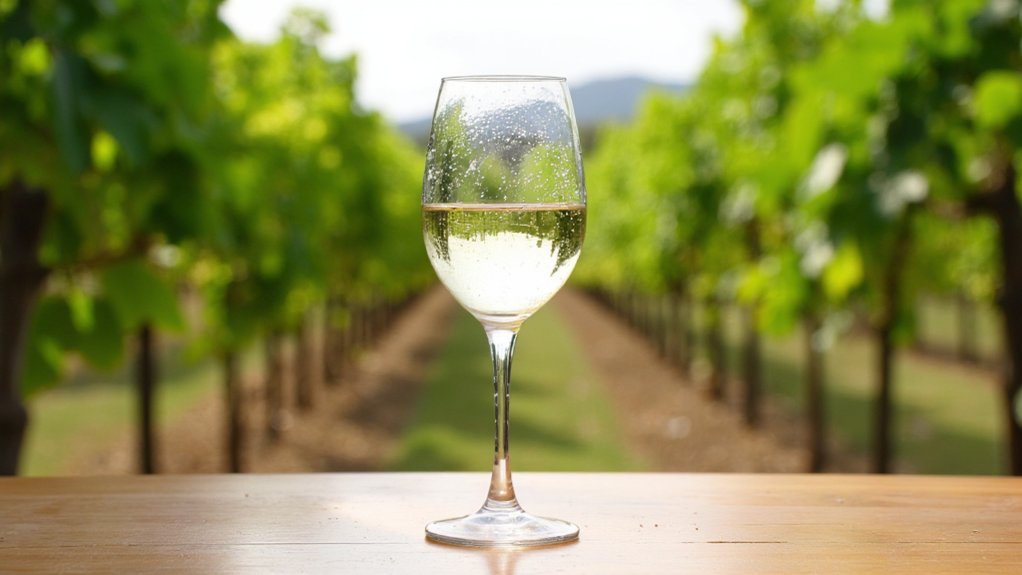
Ever wondered how to get the absolute most out of your bottle of Chenin Blanc? You’re in for a treat! Serving Chenin Blanc the right way isn’t rocket science, but a few simple tricks can turn you from casual sipper to wine wizard. Let’s make sure every glass sings.
- Chill to perfection: Aim for a Chenin Blanc temperature of about 48–52°F (9–11°C). Too cold, and the flavors hide; too warm, and they get rowdy.
- Pick the right Chenin Blanc glassware: Go for a white wine glass with a slightly tapered rim. It’ll focus those lovely aromas straight to your nose.
- Don’t overpour: Smaller pours keep your wine cool, fresh, and oh-so-inviting, just like you at every party.
Cheers—enjoy every sip!
Similar Wines to Chenin Blanc Wine
Curious what other wines can scratch that Chenin Blanc itch when your favorite bottle runs dry? Let’s go exploring. Try Sauvignon Blanc first. It’s zippy and fresh, with tart citrus flavors that dance on your tongue and wake up your taste buds. If you like Chenin’s crispness, you’ll find a friend in Sauvignon Blanc. Now, for something a bit bolder, grab a Viognier. It’s got a lush, floral vibe that whispers sweet nothings—think apricot, peach, and a touch of honeysuckle. Viognier’s richness makes it feel like Chenin Blanc’s dramatic cousin, always arriving fashionably late. You could also dabble with Pinot Gris or Riesling if you want to keep things interesting. So, why not turn your wine night into a tasting adventure?
Frequently Asked Questions
Is Chenin Blanc Typically Oaked or Unoaked?
You’ll usually find Chenin Blanc in unoaked profiles, showcasing fresh fruit and vibrant acidity. However, some winemakers age it in oak barrels, creating oaked characteristics like creamy texture and subtle spice, adding complexity to the wine.
What Is the Typical Alcohol Content of Chenin Blanc Wines?
You’ll usually find Chenin Blanc wines with an alcohol content between 11% and 13.5%. Depending on typical regions like Loire Valley or South Africa, this influences the flavor profile, balancing acidity, fruit, and freshness beautifully.
Can Chenin Blanc Be Used to Make Sparkling Wines?
You can absolutely use Chenin Blanc for sparkling production. Winemakers often choose different fermentation methods, like traditional or tank fermentation, to create lively, crisp sparkling wines. You’ll find these styles especially popular in France’s Loire Valley.
Is Chenin Blanc Suitable for Vegans or Vegetarians?
You can enjoy Chenin Blanc as a vegan or vegetarian, but check for vegan certification. Some wineries use animal products during wine filtration, so it’s best to confirm that your bottle meets vegan standards before purchasing.
How Does Chenin Blanc Compare in Sweetness to Riesling?
When you make a sweetness comparison, you’ll notice Chenin Blanc usually offers a wider range than Riesling. Chenin Blanc’s flavor profiles span bone-dry to sweet, while Riesling typically leans toward off-dry or sweet, with vibrant acidity.