So, you think you know Champagne? Let’s shake things up! It’s not just any fizzy wine—it’s a superstar born in France, where ancient monks probably had more fun than you’d think. You’ll find bold Pinot Noir, fresh Chardonnay, and fruity Meunier grapes dancing together, all wrapped up with flavors like brioche and zesty citrus. But what really makes Champagne pop—and why do folks like Napoleon swear by it before battle? Stick around, the bubbles are just getting started.
Key Takeaways
- Champagne is a sparkling wine produced exclusively in the Champagne region of France, known for its unique terroir and traditional production methods.
- It is made primarily from Pinot Noir, Chardonnay, and Meunier grapes, creating a complex blend of flavors and aromas.
- The signature bubbles in Champagne result from a second fermentation process inside the bottle.
- Champagne is often associated with celebration and luxury, with a wide range of brands and price points available.
- Not all sparkling wines are Champagne; only those from the Champagne region following specific rules can use the name.
French Sparkling Wine Definition
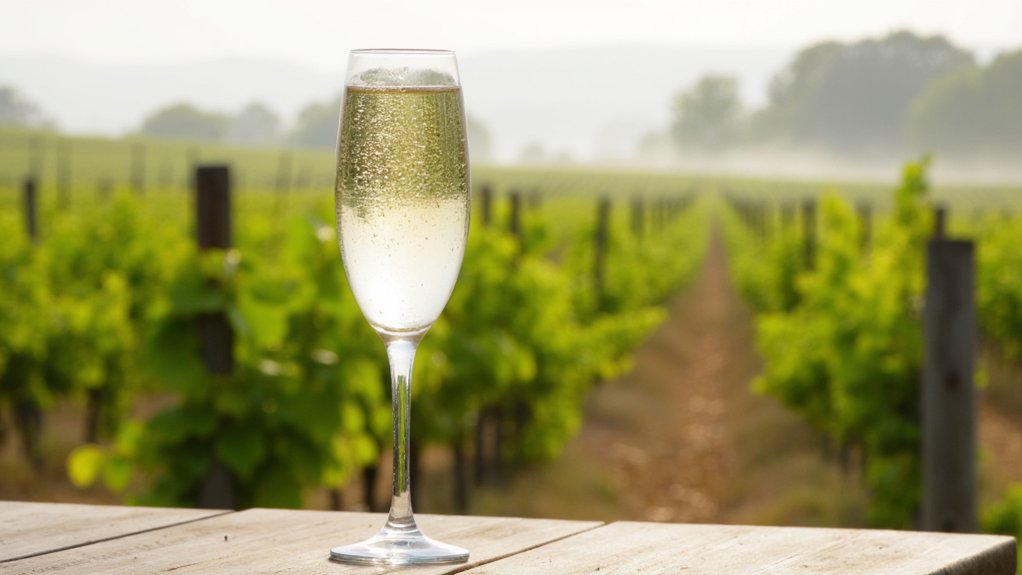
If you’ve ever wondered what makes French sparkling wine so special, you’re definitely not alone. The secret starts with French terroir—a fancy word for the soil, climate, and magic that gives grapes their unique character. You can’t just plop a grapevine anywhere and expect champagne-level results. Nope, the land matters! But wait, there’s more. French sparkling wine isn’t just about grapes and dirt. There’s a special process called sparkling fermentation. That’s where the bubbles come from, and let’s be honest, it’s the bubbles that make you smile. You’re not just drinking wine; you’re sipping on liquid celebration. So next time you pop a bottle, remember: you’re tasting the French countryside, plus a little bit of science and a whole lotta fun.
Monks Invent Sparkling Champagne
Long before champagne became the star of toasts and celebrations, a group of curious monks in France were quietly tinkering away in their chilly, stone-walled cellars. You might picture them in robes, juggling barrels and muttering about bubbles, but their work was serious. These monks, driven by their monastic origins, accidentally sparked the sparkling evolution that would change wine forever. Imagine the surprise when their bottles started popping with fizz—some called it a miracle, others called it a mess! Yet, they didn’t give up. They refined their techniques, learned to coax those playful bubbles into existence, and eventually, they created a drink that made people’s eyes light up. So, next time you sip champagne, remember: it all started with some very patient monks.
Pinot Noir, Chardonnay, Meunier
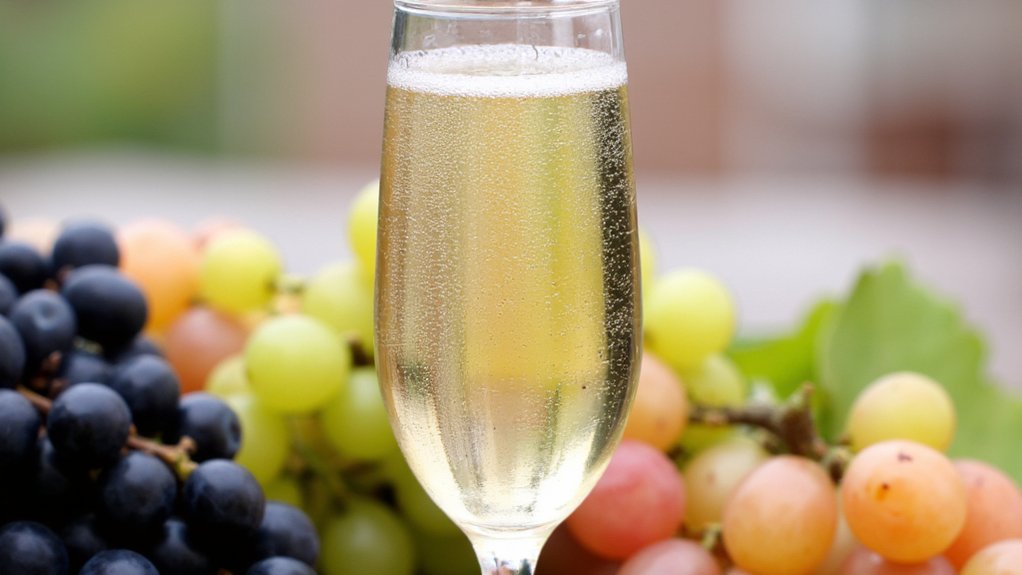
Three grapes, countless bubbles. That’s the secret trio behind Champagne’s magic. When you hold a glass, you’re meeting Pinot Noir, Chardonnay, and Meunier. Pinot Noir characteristics jump out first—think power, boldness, and that gentle backbone holding things up. Chardonnay flavors? Oh, they’re fresh, zesty, and sometimes a little flirty, bringing elegance and finesse like a cool breeze on a hot day. Now, don’t forget Meunier. It’s the party-starter, adding fruitiness, softness, and a playful vibe that keeps things lively. Each grape brings its own charm. Together, they’re like a band that never plays a boring tune. Next time you sip Champagne, give a little wink to this trio—you’re not just drinking wine, you’re joining the show.


Toasty Brioche, Citrus Notes
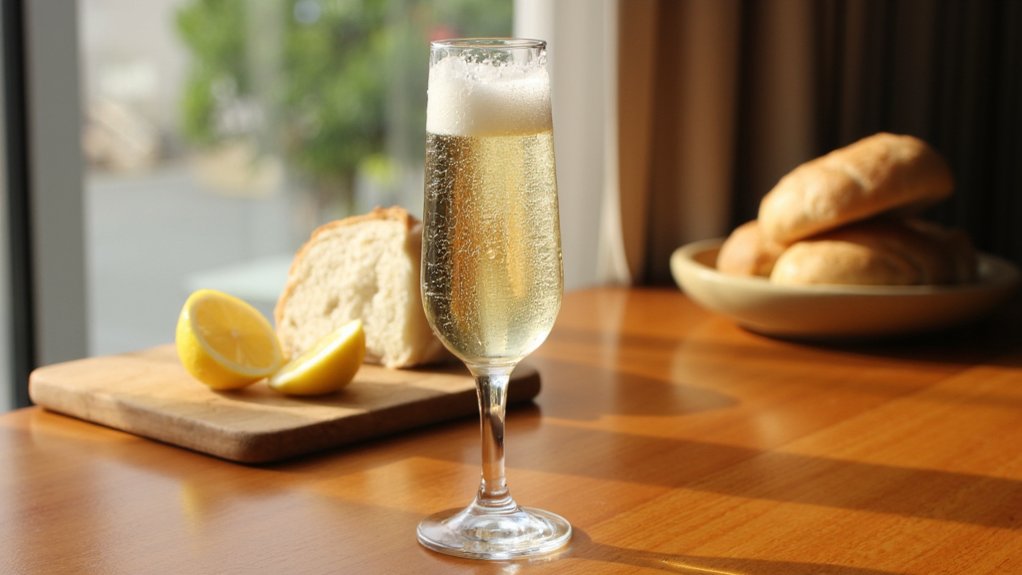
When you take that first sip of Champagne, you might notice something magical happening—your senses wake up to a swirl of flavors that feel both familiar and a little bit fancy. Right away, the toasty aromas hit you, almost like someone just pulled a loaf of brioche out of the oven and waved it under your nose. It’s warm, comforting, and just a bit decadent. But wait, there’s more! Alongside those rich brioche flavors, you’ll pick up zesty citrus notes—think lemon zest or a splash of grapefruit juice, bright and lively. It’s a dance of flavors, really. The toasty and the tangy, twirling together. And if you let the bubbles tickle your nose, you might even giggle. Go ahead, enjoy it!
Famous Champagne Wine Brands
Plenty of Champagne lovers argue about their favorite brands, and honestly, it’s easy to see why—there’s a sparkling lineup out there, each bottle with its own story and flair. When you start exploring famous names from the sparkling regions, you’ll spot a wild mix of styles and vintage varietals. Some houses are legendary, practically royalty in the world of bubbles. Others might surprise you with their flavor fireworks, popping open a party in your mouth. Imagine these iconic brands:
- Moët & Chandon – Synonymous with celebration, it’s like the Beyoncé of Champagne.
- Veuve Clicquot – Instantly recognizable yellow label, and always classy.
- Dom Pérignon – The vintage varietals here are pure luxury, a real treat for special occasions.
Go ahead, pick your favorite!
Popular Champagne Choices For Any Budget
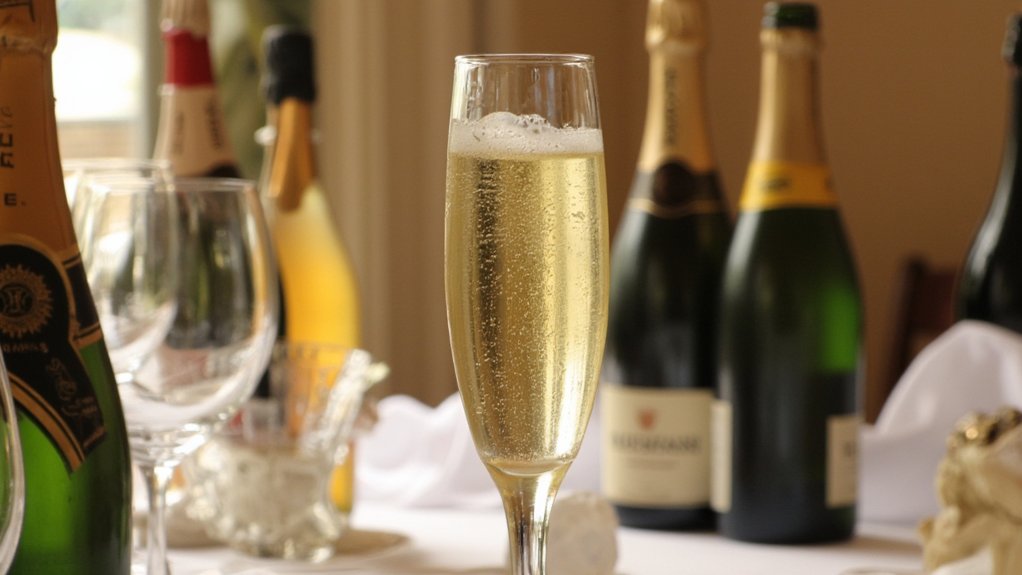
You don’t need a royal budget to pop a bottle of Champagne, and that’s the best news you’ll hear today. Whether you’re scoping out wallet-friendly finds under $20, eyeing that perfect $50 splurge, or feeling fancy enough to go all out with a show-stopper over $100, there’s bubbly for every mood and moment. Let’s check out some sparkling picks that let you celebrate big, no matter what your bank account says—because everyone deserves a little fizz!
Bargain Champagne Wines Under $20
- Gruet Brut (NewMexico) – crisp, apple notes, fine bubbles, crowd-pleaser
- Korbel Brut (California) – light-bodied, citrus, approachable, widely available
- Andre Brut (California) – fruity, easy-drinking, budget-friendly, festive
- Cook’s Brut (California) – lively, green apple, everyday celebrations
- Veuve du Vernay (France) – fresh, floral, value, celebratory style
Mid-Range Champagne Wines Between $20-$100
- Nicolas Feuillatte Brut Réserve (Champagne) – crisp, balanced, citrus, toasty, popular choice
- Piper-Heidsieck Cuvée Brut (Champagne) – lively, red fruit, structured, elegant, crowd-pleaser
- Moët & Chandon Impérial Brut (Champagne) – iconic, apple, pear, creamy, consistent favorite
- Louis Roederer Brut Premier (Champagne) – refined, brioche, fresh, harmonious, complex
- Taittinger Brut La Française (Champagne) – delicate, floral, vibrant, smooth, classic style


High-End Champagne Wines Above $100
- Dom Pérignon Vintage Brut (Champagne) – luxurious, fine bubbles, complex, creamy, legendary prestige
- Krug Grande Cuvée (Champagne) – rich, toasted, deep, multi-layered, exceptional craftsmanship
- Bollinger La Grande Année (Champagne) – powerful, nutty, structured, long finish, celebratory
- Veuve Clicquot La Grande Dame (Champagne) – elegant, floral, mineral-driven, refined, iconic
- Louis Roederer Cristal (Champagne) – silky, pure, citrus, harmonious, ultimate luxury
Classic Champagne Wine Food Pairings
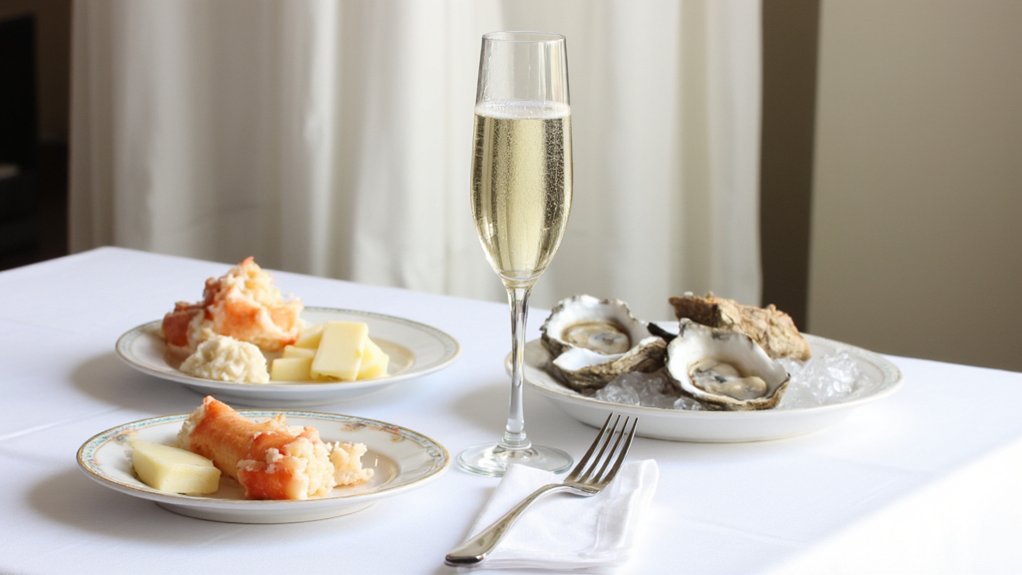
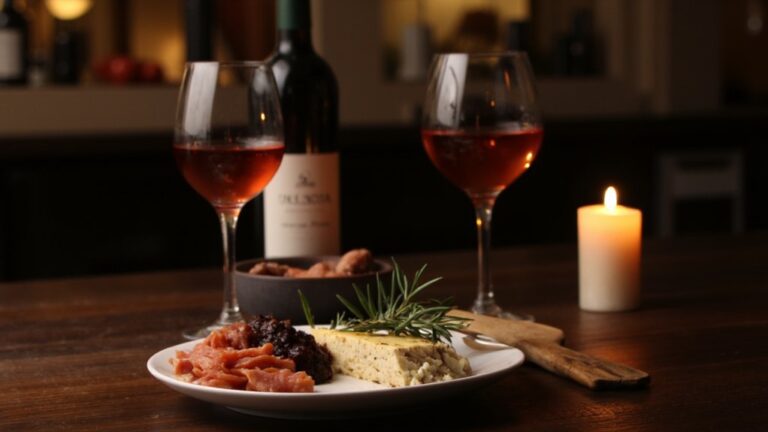
When it comes to classic Champagne wine food pairings, you’re in for a real treat. Champagne’s lively bubbles and bright acidity create food pairing magic, highlighting flavor profiles like no other drink can. Let’s be honest, Champagne’s not just for toasts and fancy parties. It’s the ultimate matchmaker for all sorts of delicious bites. Picture these:
- Buttery popcorn and crispy fried chicken – The salt and fat make Champagne sing, and the bubbles keep things light.
- Fresh oysters on ice – That briny, ocean taste meets Champagne’s zesty spark. Instant elegance.
- Creamy triple-cream cheese – Rich, decadent cheese plus crisp fizz? You’ll swoon.
Napoleon’s Champagne Pre-Battle Ritual
Envision this: Napoleon, the legendary French leader with a flair for drama, didn’t just storm into battle with military might—he popped open a bottle of Champagne before the chaos began. Picture it. Cannons ready, horses snorting, and there’s Napoleon, sabering a bottle like he’s at a wild party instead of a battlefield. Now, that’s a power move.
You might think Napoleon’s rituals were all about strategy, but he believed Champagne set the tone for victory. He’d raise his glass, toast his officers, and turn nerves into excitement. Some say he even declared, “In victory, you deserve Champagne; in defeat, you need it.” These battle celebrations weren’t just for show—they fired up the troops, proving that a little sparkle could go a long way.
Does Champagne Wine Age Well?
If you’ve ever wondered whether Champagne gets better with age, you’re not alone—this bubbly beverage is full of surprises. Most people think you should pop it open right away, but wait! Some Champagnes, especially vintage ones, have great aging potential. Non-vintage bottles are usually meant to be enjoyed young, delivering bright, fresh flavors. But when you crack open a vintage Champagne, you’ll discover evolving vintage characteristics: notes of honey, toasted nuts, and dried fruit that just get deeper and more complex over time. It’s like Champagne’s secret party trick. Not every bottle will age gracefully though, so don’t stash away just any fizz. Stick with top producers or special vintages, then let patience do its magic—your taste buds will thank you!
Champagne Wine Serving Tips
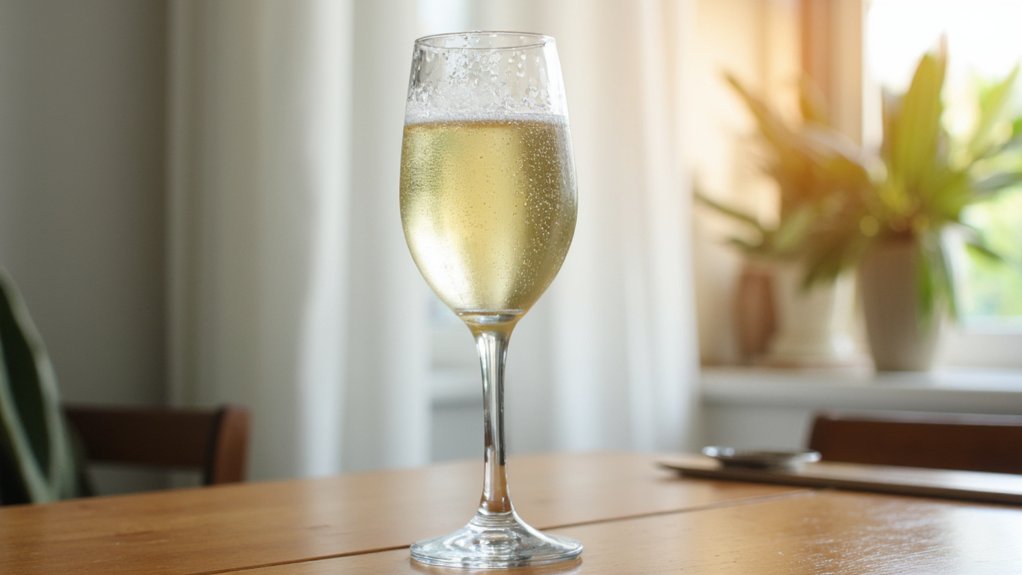
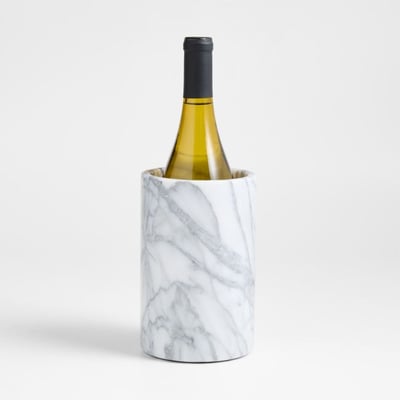
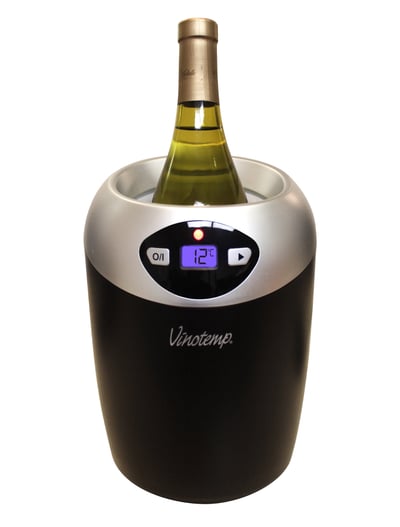
Now that you know Champagne can be a real show-off with age, let’s talk about serving it so you get the most sparkle for your sip. First, don’t just pop it in the freezer and hope for the best—serving temperature really matters. You want it chilled but not icy, around 45°F (7°C), to keep those bubbles lively and flavors bright. Glassware choice is your next secret weapon. Skip the old-school coupe. Go for a flute or, better yet, a tulip glass to capture those aromas.
Here’s what you should picture:
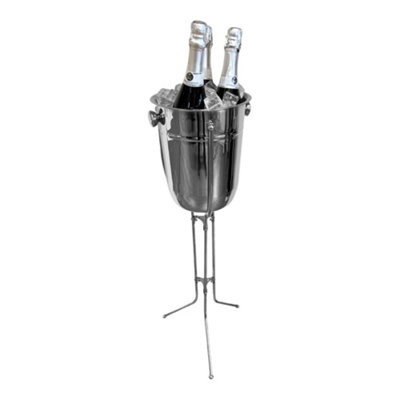
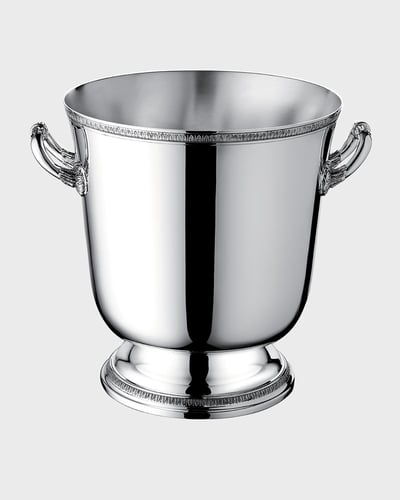
- A frosty bottle sweating in an ice bucket, just waiting for the celebration.
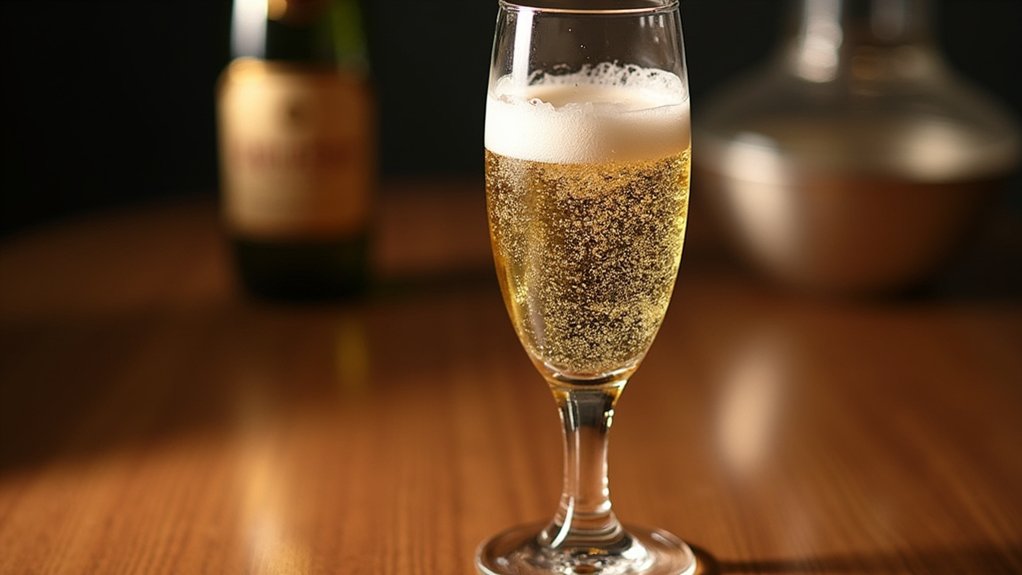
- Elegant flutes catching the light, bubbles racing to the top.
- Pouring slow, savoring every fizz, and toasting with friends—cheers!
Similar Wines to Champagne Wine
Bubbles. They’re not just for Champagne, you know. If you crave that celebratory sparkle but don’t want to splurge, you’ve got plenty of sparkling alternatives to pop open. Prosecco from Italy brings fresh, fruity vibes, and its price tag won’t make your wallet cry. Cava from Spain is another non Champagne fizz with crisp apple notes and a cheerful pop—great for brunch or just because it’s Tuesday. Crémant, made in France outside Champagne, mimics those beloved bubbles but at a friendlier price. Even California offers sparkling wines that’ll make you grin. So go ahead, experiment! Your tastebuds will thank you, and who knows—you might find a new favorite fizz. Life’s too short to wait for Champagne-only occasions.
Frequently Asked Questions
Is Champagne Vegan or Does It Use Animal Products in Production?
You might wonder if champagne’s vegan. Some producers use animal fining agents like egg whites or gelatin during production, so not all champagne’s vegan. Look for bottles with vegan certification or check with the producer for details.
Can Champagne Bottles Be Recycled or Reused?
You can recycle champagne bottles through most local recycling methods, ensuring the glass gets reused. Some companies also encourage bottle reuse, letting you return empties for refilling. Always check your area’s recycling guidelines for proper disposal or reuse options.
What Is the Origin of the Name “Champagne”?
When you explore Champagne history, you’ll discover its name’s origin lies in the Champagne region of France. Champagne etymology traces back to the Latin “campania,” meaning open country, which perfectly describes the region’s rolling vineyards and landscape.
Are There Health Benefits or Risks to Drinking Champagne?
When you consider health effects, moderate consumption of champagne may offer some heart benefits due to antioxidants. However, you shouldn’t overlook risks like increased calories, potential addiction, and negative impacts on liver health if you drink excessively.
How Are Champagne Bubbles Formed During Production?
When you explore bubble formation in Champagne, you’ll find it’s created during the fermentation process. Yeast transforms sugar into alcohol and carbon dioxide inside sealed bottles, trapping bubbles and giving Champagne its signature sparkle and delightful effervescence.