Ever wonder what gives Spanish celebrations their pop and fizz? That’s Cava, Spain’s answer to Champagne, and it’s way more fun to say than “sparkling wine.” You’ll taste green apples and almonds, maybe even a little sunshine if you believe hard enough. It’s made with grapes you probably can’t pronounce, but who cares when it tastes this good? And don’t even get me started on its secret cellars—curious yet?
Key Takeaways
- Cava is a Spanish sparkling wine, traditionally produced in Catalonia using the classic method similar to Champagne.
- The primary grapes in Cava are Macabeo, Xarel·lo, and Parellada, creating a crisp, fresh, and balanced flavor profile.
- Cava is available in a wide price range, from affordable everyday bottles to premium, aged selections.
- It is best enjoyed young, served chilled in flute or tulip glasses to preserve its bubbles and aromas.
- Cava is a versatile wine, great for celebrations, pairing with food, or enjoying as an alternative to Champagne or Prosecco.

Spanish Sparkling Wine Origins

If you’ve ever wondered where that lively fizz in your glass of cava comes from, let’s take a trip back in time—no passport required. You’ll find cava history bubbling up from the heart of Spain, where winemakers set out to create something truly special. They didn’t wake up one day and just decide to bottle sunshine and joy, but honestly, that’s not a bad description of cava production. People experimented, tasted, and tweaked until they struck gold—or rather, sparkling wine. Spanish vineyards, blessed with perfect weather, became the birthplace of this effervescent sensation. The process wasn’t exactly speedy; patience was essential, and so was a bit of luck. Before long, locals and visitors alike were hooked on the sparkle. You might say, history had popped its cork!
Cava’s 1872 Catalonia Debut
Imagine this: the year is 1872, and the rolling hills of Catalonia are buzzing with excitement. You’re there, right in the heart of Cava history, as local winemakers take a bold step. They pop their first bottles of sparkling wine and, just like that, Cava is born. Catalonia’s influence is everywhere. You can almost hear the corks flying and the laughter echoing through the vineyards. Unlike the French with their Champagne, these Catalan pioneers want something uniquely their own—crisp, bubbly, and full of Spanish flair. Catalonia isn’t just a backdrop; it’s the spark that lights the fuse. So, when you sip Cava today, you’re tasting the magic that started in 1872. Who knew history could be so effervescent?
Macabeo, Xarel·lo, Parellada Grapes

While Cava owes its sparkle to history, its soul comes from three superstar grapes: Macabeo, Xarel·lo, and Parellada. You’ll find that Macabeo characteristics bring freshness and a hint of floral charm, kind of like the friend who always knows what to say at a party. Xarel·lo versatility? Oh, it’s the grape that can do almost anything—bold, structured, and ready to handle whatever the winemaker throws at it. Parellada contributions are all about elegance, adding a light, crisp lift that makes every sip feel a bit like a spring morning. Together, these three grapes don’t just play nicely—they throw a grape-fueled fiesta in your glass, each one adding its own twist to the sparkling show.


Green Apple, Almond Notes

So, thanks to those three grapes throwing their flavor party, Cava isn’t just bubbles for the sake of bubbles—it’s a taste adventure. When you take a sip, you’re hit with bright green apple notes that snap across your tongue. It’s crisp, invigorating, and honestly, kind of fun. But wait, don’t walk away yet—just when you think it’s all about fruit, those sneaky almond flavors slide in. They add a nutty, almost creamy layer that keeps you guessing (and sipping again, you know, for science). The mix of green apple zing and soft almond undertones keeps things interesting. You might even catch yourself grinning. So, next time you pop a bottle, see if you can spot those flavors. It’s like a game.
Famous Cava Wine Brands
Even if you’re just dipping your toes into the sparkling wine pool, you’ll want to know the big players in the world of Cava. These famous brands are household names for a reason—they’ve mastered cava wine production and wowed drinkers with unforgettable cava tasting notes. You can practically hear the corks popping in celebration! Here are three brands you really shouldn’t miss:
- Freixenet: The iconic black bottle, always ready for a party.
- Codorníu: Oldest in the game, their bubbles are pure history (and pretty tasty).
- Juvé & Camps: Family-run, with a knack for crafting elegant, expressive wines.
Try them yourself and explore the zesty, nutty, and sometimes downright surprising flavors that make Cava famous. Cheers!
Popular Cava Choices For Any Budget

No matter what your wallet looks like, there’s a Cava with your name on it. You can grab a tasty bottle for under $20, treat yourself to a mid-range sparkler for a special dinner, or go all-out with a high-end option that’ll make you feel like royalty—though you might have to double-check your bank account first. So, whether you’re shopping on a shoestring or ready to splurge, let’s check out some bubbly picks that hit every price point and occasion!
Bargain Cava Wines Under $20
- Segura Viudas Brut Reserva (Penedès) – crisp, citrus, floral, everyday favorite
- Freixenet Cordon Negro Brut (Penedès) – classic, dry, apple notes, widely available
- Jaume Serra Cristalino Brut (Penedès) – fresh, balanced, pear, excellent value
- Casteller Cava Brut (Penedès) – lively, zesty, green apple, budget-friendly
- Campo Viejo Cava Brut Reserva (Rioja) – toasty, lemon, smooth bubbles, reliable
Mid-Range Cava Wines Between $20-$100
- Gramona Imperial Gran Reserva Brut (Penedès) – elegant, creamy, citrus, nutty, long finish
- Raventós i Blanc de Nit Rosé (Penedès) – floral, red fruit, mineral, refined bubbles
- Llopart Reserva Brut Nature (Penedès) – crisp, dry, apple, herbal, sophisticated
- Juvé & Camps Reserva de la Familia Brut Nature (Penedès) – fresh, toasty, balanced, citrus, persistent
- Agustí Torelló Mata Gran Reserva (Penedès) – complex, brioche, almond, structured, lingering finish
High-End Cava Wines Above $100
- Gramona Enoteca Brut Nature (Penedès) – ultra-aged, complex, creamy, honeyed, elegant, persistent bubbles
- Recaredo Turó d’en Mota (Penedès) – single vineyard, mineral, refined, toasty, depth, exceptional length
- Raventós i Blanc Manuel Raventós (Penedès) – limited, structured, floral, citrus, saline, sophisticated
- Agustí Torelló Mata Kripta Gran Reserva (Penedès) – iconic, rich, nutty, silky, layered, bottle-aged
- Llopart Original 1887 Gran Reserva (Penedès) – historic, elegant, mature fruit, toasted notes, complex, rare
Classic Cava Wine Food Pairings

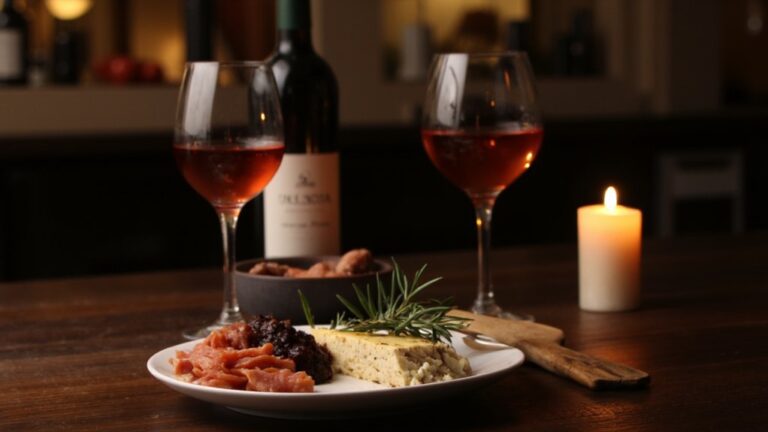
If you’ve ever wondered what foods bring out the best in Cava, you’re in for a treat. Cava’s crisp bubbles and zesty character make it a superstar at the table. Food pairings are practically endless, but some ideal dishes really let Cava shine. Ready to impress your taste buds? Try these classics:
- Tapas: Whether it’s salty olives, crispy croquetas, or spicy chorizo, tapas and Cava are a match made in foodie heaven.
- Seafood: Think shrimp, calamari, or sushi. The wine’s acidity lifts those fresh ocean flavors and keeps everything lively.
- Cheese plates: Soft cheeses like brie or tangy goat cheese pair perfectly, creating a creamy, fizzy dance party in your mouth.
Go on, give Cava a whirl!
Cava’s Secret Cellars Network
Deep beneath the sun-soaked vineyards of Catalonia, there’s a labyrinth that would make any treasure hunter’s heart race. You’re not just stumbling onto dusty bottles here—this is the secret world where cava production comes alive. Imagine walking through cool, echoing tunnels stacked with bottles, each one quietly transforming, thanks to centuries-old cellar techniques. It’s not just storage, it’s magic. Down here, winemakers work their craft with almost wizard-like precision, flipping bottles, checking bubbles, and whispering to the yeast. You’d think they’re plotting a heist, but really, they’re perfecting Spain’s most famous sparkling wine. If you ever get a chance to wander these cellars, you’ll feel the excitement in the air and maybe even wish you’d brought a treasure map.
Does Cava Wine Age Well?
So, can cava really stand the test of time, or should you just pop that cork tonight? Well, cava aging is a bit of a sparkling mystery. Most bottles are crafted for early enjoyment, so you’ll get vibrant bubbles and zesty flavors if you don’t wait too long. But don’t worry—some special types, like Gran Reserva, actually gain depth and richness over a few years. Think of it as cava’s version of a glow-up. Still, cava’s sparkling longevity isn’t endless; wait too long and you might end up with flat, tired fizz instead of that lively sparkle you crave. Bottom line: savor most cava young, but if you spot a fancy aged bottle, go ahead—let curiosity pop the cork for you!
Cava Wine Serving Tips

You’ve got your cava bottle in hand, eyeing it with anticipation—now what? First, don’t just grab any old glass from the cupboard. Cava glassware types make a difference! Flutes are classic, but white wine glasses work too, letting those bubbles really show off. Next, let’s hit the cava serving temperature sweet spot: chill your bottle to around 40–45°F (that’s 4–7°C if you’re feeling fancy). Too warm, and you’ll lose those lively bubbles; too cold, and the flavors hide out like shy cats.
Here’s a quick cheat sheet:
- Use flute or tulip glasses for aroma and fizz.
- Serve cava well-chilled (not frozen!).
- Pour gently—no bubble explosions needed.
Sip, savor, and enjoy. Cava’s a party in a glass, isn’t it?
Similar Wines to Cava Wine
While cava’s popping bubbles have you hooked, you might wonder what else is out there in the sparkling wine universe. You’re in luck. There are plenty of cava alternatives just waiting to fizz their way into your glass. Let’s talk sparkling comparisons. Champagne from France is the most famous, with those tiny bubbles and a taste that practically shouts, “Celebrate me!” Prosecco from Italy brings a fruitier, lighter vibe—like cava’s fun-loving cousin who always starts the dance party. Crémant, also French, offers a smoother sparkle at a friendlier price. Even German Sekt gets in on the action, surprising you with zippy freshness. So go ahead, explore the dazzling world beyond cava. Your taste buds will thank you—maybe even with a standing ovation.
Frequently Asked Questions
Is Cava Suitable for Vegans or Vegetarians?
If you’re vegan or vegetarian, you’ll want to check Cava ingredients and Cava production methods. Some producers use animal-derived fining agents, so it’s best to look for bottles labeled vegan or vegetarian-friendly before buying.
Does Cava Contain Added Sugar or Is It Naturally Sweet?
When you drink cava, you’ll notice its natural sweetness comes from the grapes. Winemakers sometimes add sugars, called dosage, after fermentation, so check the label if you’re concerned about added sugars in your glass.
How Many Calories Are in a Glass of Cava?
When you check the caloric content of cava, you’ll find a standard 5-ounce serving size has about 90-120 calories. If you’re watching your calorie intake, cava’s generally a lighter sparkling wine option to enjoy.
Can Cava Be Used in Cocktails or Mixed Drinks?
You can absolutely use Cava in cocktails or mixed drinks. Try Cava cocktails like a sparkling sangria or a classic mimosa. Experiment with Cava mixers such as fruit juices, liqueurs, or fresh herbs for unique flavors.
Is Cava Gluten-Free?
You don’t have to worry—cava is gluten-free, so you can enjoy it safely. Not only does it fit gluten-free diets, but cava also offers health benefits and pairs beautifully with a variety of foods.