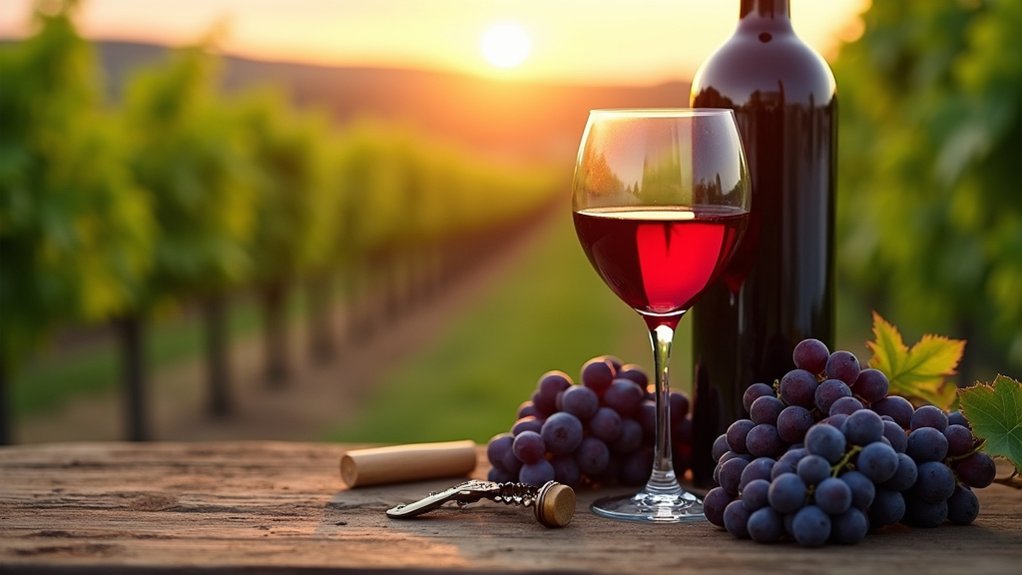
Ever wondered why Bordeaux wine gets so much buzz? You’re not alone—it’s like the Beyoncé of the wine world: famous, complex, and always a crowd favorite. When you pop open a bottle, you’re tasting French history and serious grape wizardry, all wrapped up in flavors that can go from bold blackcurrant to a whisper of cedar. But what really makes Bordeaux tick? Stick around, because the secrets are juicier than you’d think.
Key Takeaways
- Bordeaux wine is a French wine produced in the Bordeaux region, primarily using Merlot, Cabernet Sauvignon, and Cabernet Franc grapes.
- The wines are famous for their complex flavors, aging potential, and harmonious blends of different grape varieties.
- Bordeaux’s winemaking dates back to ancient Roman times and its reputation is shaped by centuries of tradition and classification.
- Bottles range from affordable everyday selections to prestigious, high-priced collectible wines from renowned châteaux.
- Bordeaux pairs well with rich foods, and its structured style serves as a benchmark for many red wines worldwide.
French Region’s Signature Red Blend

Blending is Bordeaux’s secret sauce. You can’t talk about Bordeaux wine without mentioning the magic behind its signature red blend. Picture yourself wandering through Bordeaux vineyards, the sun hitting rows of vines, each rooted deep in Bordeaux terroir. It’s not just one grape doing all the work. Nope, it’s a team effort. Think of Merlot, Cabernet Sauvignon, and Cabernet Franc as the Avengers of wine—each brings its own superpower. Merlot’s plush fruit, Cabernet’s sturdy structure, and Franc’s spicy kick. The winemakers blend these together, aiming for harmony and style. It’s like mixing the perfect playlist. You don’t want just one song on repeat, do you? That’s why Bordeaux’s blend keeps your tastebuds dancing. It’s wine, but with a wink.
Roman-Era Bordeaux Beginnings
Long before Bordeaux became the superstar of wine lists everywhere, ancient Romans were already making things interesting. Picture it: togas, sandals, and the first ancient vineyards popping up along the Garonne River. You might think wine history is reserved for stuffy textbooks, but not here. The Roman influence in Bordeaux wasn’t just a passing fad—they brought grapevines, winemaking know-how, and a love for good drink that still lingers today. As you walk through modern Bordeaux, you’re actually tracing the steps of Roman settlers who knew a thing or two about cultivating the land. They picked prime spots for vineyards, setting the stage for centuries of wine greatness. So, next time you sip Bordeaux, remember—you’re drinking history, Roman style.
Cabernet Sauvignon-Merlot Blend
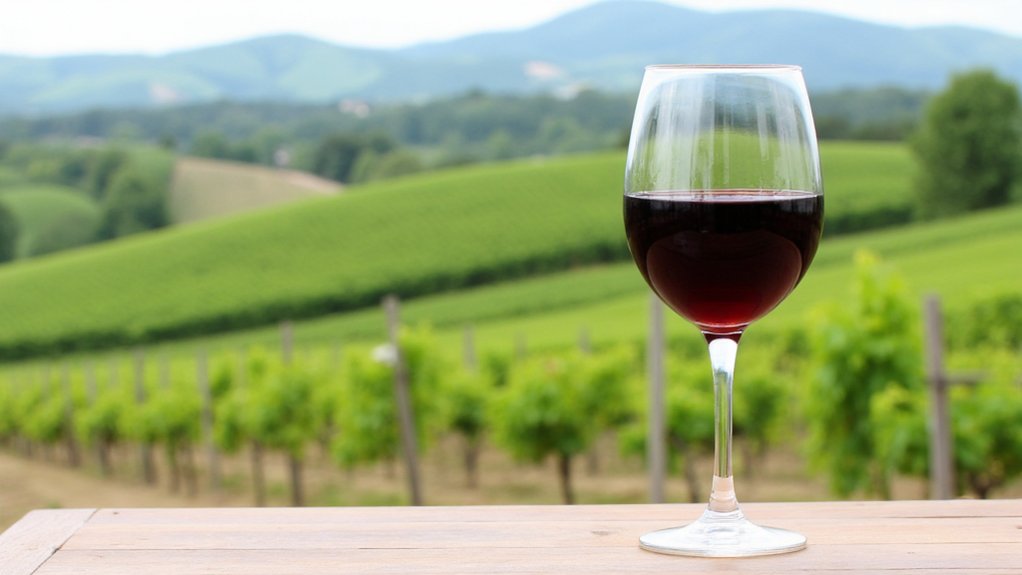
If you thought the Romans had some tricks up their sleeves, just wait until you meet Bordeaux’s superstar duo: Cabernet Sauvignon and Merlot. These two grapes are like the Batman and Robin of French wine, swooping in to save your palate from boredom. Here’s the secret—Bordeaux owes its fame to the artful balance between Cabernet’s firm structure and Merlot’s lush fruitiness. The magic doesn’t stop there. Terroir influences every sip, with gravelly soils giving Cabernet its backbone, while clay boosts Merlot’s plushness. Winemakers use blending techniques worthy of a magician’s hat, mixing just the right proportions for harmony. So when you take a sip, remember: you’re tasting centuries of tinkering, teamwork, and a little French flair. Lucky you!
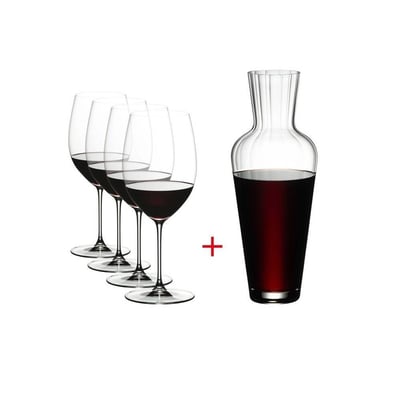
Notes of Blackcurrant and Cedar
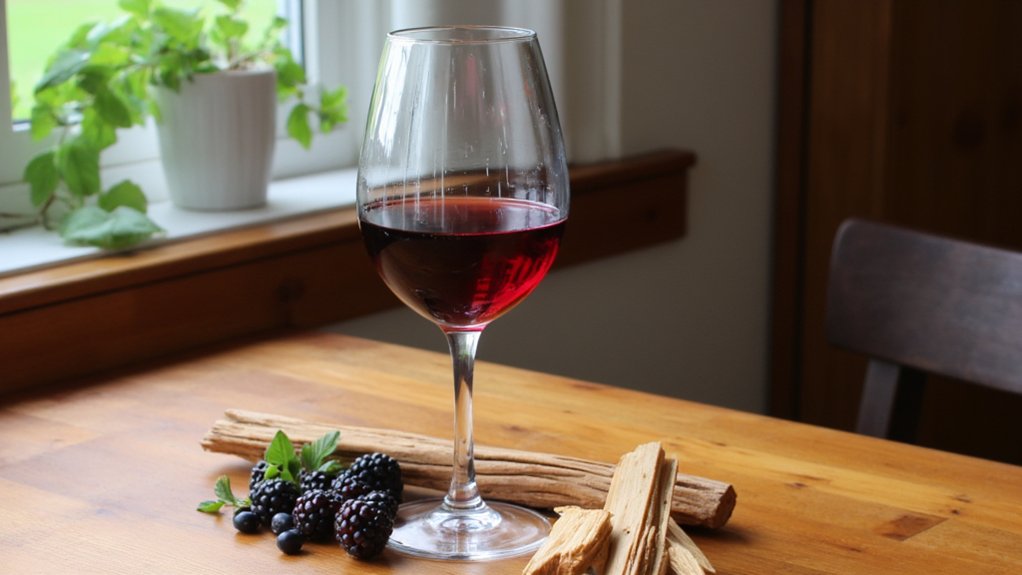
Blackcurrant and cedar—now there’s a pairing that sounds like a secret handshake among Bordeaux fans. When you pick up a glass of Bordeaux, these flavors play starring roles in the tasting notes. Take a sniff. The aroma profile often jumps out with a burst of ripe blackcurrant, almost as if you stumbled into a berry bush, mixed with the earthy scent of cedar, like walking through an old library or a fresh-cut lumber yard. That’s classic Bordeaux. You’ll notice these notes weaving through every sip, making each glass a tiny adventure. Wine geeks love to chase these flavors, but you don’t need a fancy palate to appreciate them. Just enjoy the ride—who knew berries and wood could taste so good together?
Famous Bordeaux Wine Brands
Even if you’ve never set foot in France, chances are you’ve heard whispers about Bordeaux’s legendary wine houses—names that swirl around tasting rooms and dinner parties like old friends. These famous vineyards have crafted iconic labels that wine lovers dream about, sometimes even before their first legal sip. You might not have a castle, but you can still drop these names at your next gathering and sound like a pro:
- Château Margaux – The queen bee of elegance, with bottles that could make any collector swoon.
- Château Lafite Rothschild – Synonymous with luxury, and sometimes, heartbreak when you check the price.
- Château Mouton Rothschild – Famous for both its bold reds and its ever-changing, artsy labels.
Who knew grapes could get this glamorous?
Popular Bordeaux Choices For Any Budget
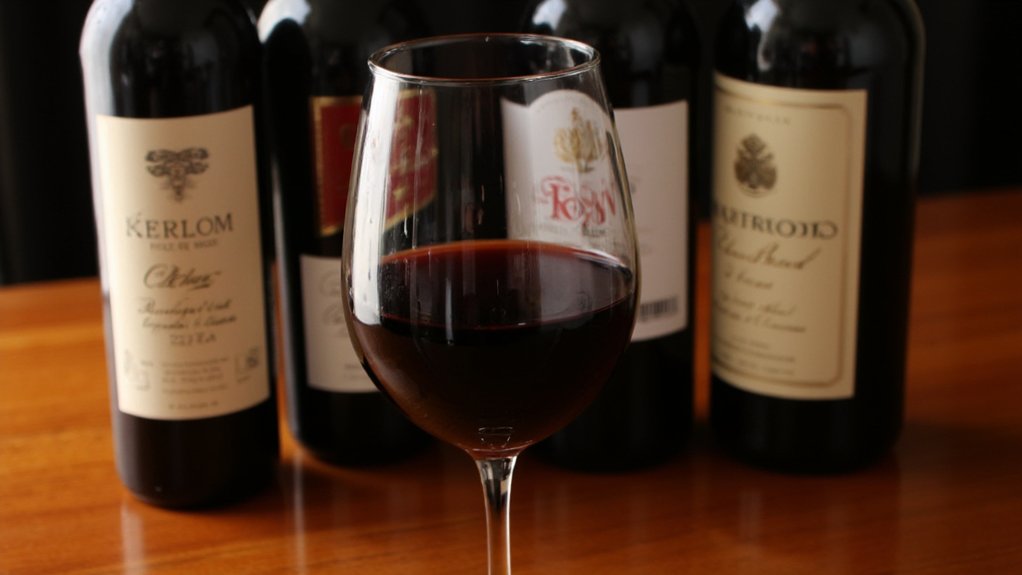
You don’t need a royal budget to enjoy Bordeaux—there’s something here for every wallet, whether you’re pinching pennies or ready to splurge like a wine-loving king. From tasty bottles under $20 to those show-off sips that’ll cost more than your weekly groceries, Bordeaux’s got layers, and you’re about to taste them all. Grab your glass, let’s explore the bargains, the sweet spot in the middle, and yes, the fancy stuff that might just make you feel a little bit famous.
Bargain Bordeaux Wines Under $20
- Château Recougne (Bordeaux) – classic, blackberry notes, smooth tannins, crowd-pleaser
- Château Pey La Tour (Bordeaux Supérieur) – fresh, plum, good structure, approachable
- Château Haut Vigneau (Graves) – earthy, subtle oak, balanced, versatile food pairing
- Château Laulerie (Bergerac) – juicy, red fruits, easy-drinking, value find
- Les Hauts de Lagarde (Entre-Deux-Mers) – crisp, citrus, organic, invigorating white
Mid-Range Bordeaux Wines Between $20-$100
- Château Lanessan (Haut-Médoc) – black cherry, cedar, structured, classic, age-worthy
- Château de Sales (Pomerol) – plush, plum, velvety, supple tannins, elegant
- Château Carbonnieux Blanc (Graves) – citrus, floral, mineral, crisp, lively
- Château La Vieille Cure (Fronsac) – ripe blackberry, mocha, powerful, smooth
- Château de Chantegrive (Graves) – red currant, earthy, balanced, versatile
High-End Bordeaux Wines Above $100
- Château Margaux (Margaux) – perfumed, silky, complex, legendary, long finish
- Château Lafite Rothschild (Pauillac) – elegant, graphite, floral, refined, age-worthy
- Château Haut-Brion (Pessac-Léognan) – smoky, deep, layered, earthy, historic
- Château Cheval Blanc (Saint-Émilion) – aromatic, plush, intricate, velvety, iconic
- Château Mouton Rothschild (Pauillac) – opulent, blackcurrant, cedar, powerful, collectible
Classic Bordeaux Wine Food Pairings
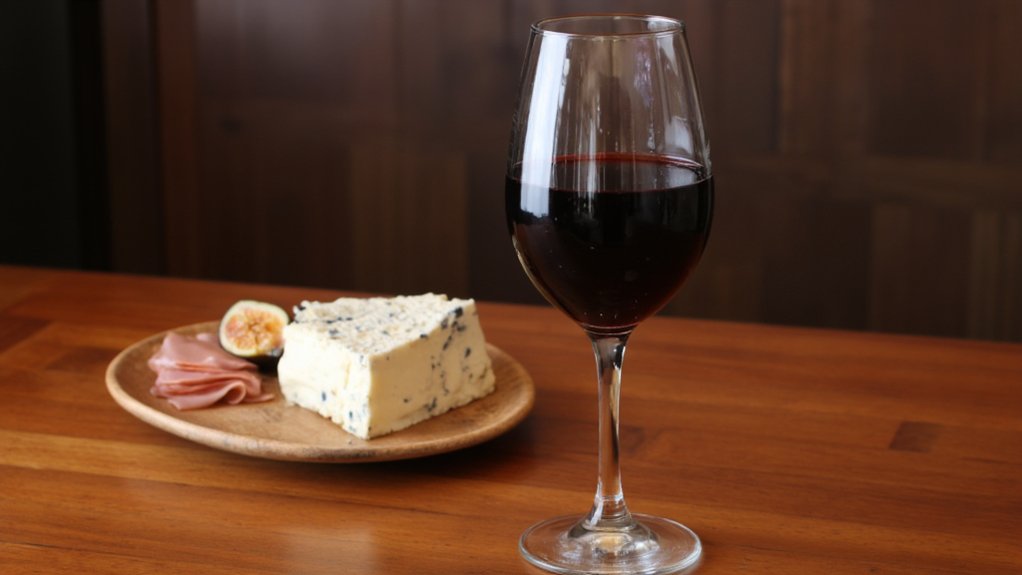
If you’ve ever wondered what food goes best with a glass of Bordeaux, you’re not alone—this is a classic question for wine lovers and dinner guests who want to impress (or just avoid a flavor disaster). Good news? Bordeaux loves food, and the classic pairings are pretty easy to remember, especially if you lean into regional dishes from France. Here are three mouthwatering combos you’ll want to try:
- Grilled lamb chops – a juicy classic, the earthy notes in Bordeaux make lamb sing like it’s on The Voice.
- Duck confit – rich, savory, and outrageously good with a Bordeaux blend.
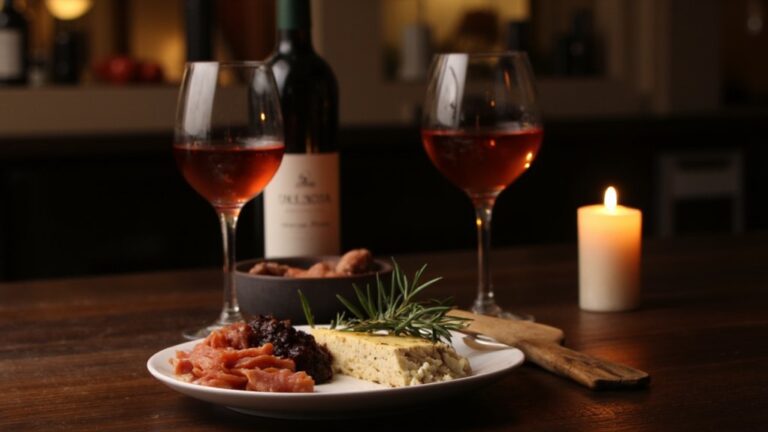
- Aged cheese – think Comté or aged cheddar, because nothing says “sophisticated snacking” like wine and cheese.
Go on, impress your tastebuds (and your guests)!
Bordeaux’s 1855 Classification Origins
When you hear someone talk about Bordeaux’s famous “1855 Classification,” you might think they’re referencing a secret wine society or maybe some mysterious French ritual involving velvet robes and candlelit cellars. But nope, it’s actually a bit more official—and way more influential. Envision this: it’s 1855, and Napoleon III wants the world to know just how amazing Bordeaux wine is, so he asks wine brokers to rank the region’s best châteaux. The result? The legendary 1855 classification, which grouped wines by quality and price. People still geek out over it today because of its historical significance. It’s like a wine hall of fame, still shaping perceptions and prices. So, next time you sip Bordeaux, remember, you’re tasting history.
Does Bordeaux Wine Age Well?
Although it’s tempting to pop open a bottle the minute you bring it home, Bordeaux wine has a reputation for being a real show-off when given some time to chill out in the cellar. Don’t rush it—this stuff was practically born to age. The secret? Bordeaux’s blend of grapes, tannins, and acidity gives it serious aging potential. With good wine storage, you can watch (well, not literally, unless you have tiny binoculars) as flavors evolve, soften, and get more complex over the years. Think of it as wine’s version of leveling up. Not every Bordeaux needs decades, though. Some are ready sooner, others want a long nap. So next time you’re eyeing your collection, remember: patience pays off, and your tastebuds will thank you!
Bordeaux Wine Serving Tips
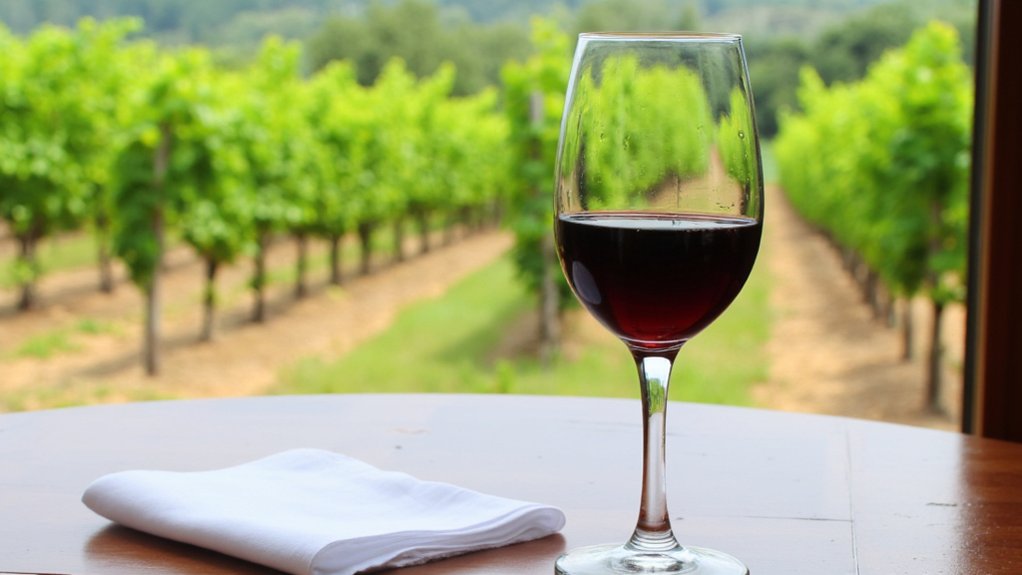
Even the best bottle of Bordeaux can fall flat if you don’t serve it right, so let’s talk about getting this wine to truly sing. You don’t need a tux or a fancy decanter, but there are a few tricks to make your Bordeaux experience memorable and delicious. Here’s what you should keep in mind:
- Ideal temperature matters: Serve red Bordeaux around 60–65°F (that’s cool room temp), and whites about 48–53°F. Too cold or too warm? You’ll miss the magic.
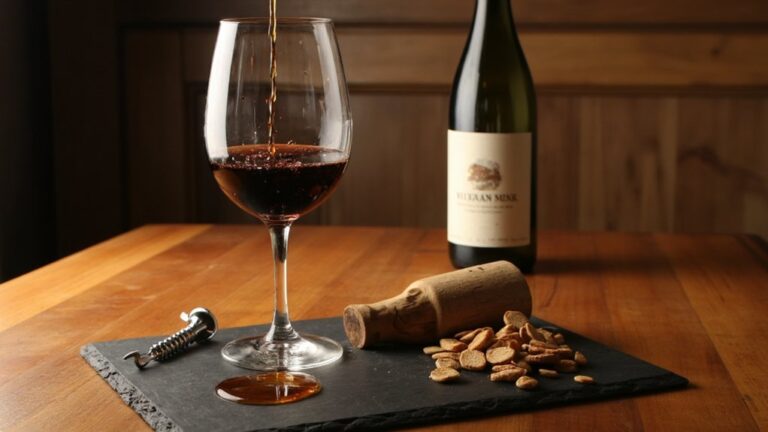
- Glassware selection: Big, round glasses let those gorgeous aromas swirl and develop. Don’t be shy—grab your largest wine glass!
- Let it breathe: Pour your Bordeaux and give it a little time. Good things come to those who wait (at least 15–30 minutes).
Similar Wines to Bordeaux Wine
If you’re in love with Bordeaux but want to shake things up a bit, you’re in luck—there’s a whole world of wines out there that’ll scratch that same delicious itch. Let’s talk Bordeaux alternatives. If you enjoy the structure and depth of Bordeaux, you’ll probably fall hard for Cabernet Sauvignon from California or Chile. Merlot from Washington State or Italy’s Super Tuscans can be just as charming, with similar varietals that offer lush fruit and elegance. Maybe you’re craving a little adventure? Give Malbec from Argentina a try—it’s bold and smooth, like Bordeaux’s mysterious cousin who rides motorcycles. Even Rioja from Spain, with its Tempranillo soul, brings a Bordeaux-like balance. The world’s your wine list, so go exploring.
Frequently Asked Questions
Is Bordeaux Wine Vegan or Vegetarian Friendly?
You might wonder if Bordeaux wine suits a vegan or vegetarian lifestyle. Bordeaux wine ingredients sometimes include animal-based fining agents, but some producers use vegan wine production methods. Always check labels or ask wineries to confirm.
Are There Organic or Biodynamic Bordeaux Wines?
You’ll find Bordeaux wines made with organic practices and biodynamic methods. Many producers now embrace these sustainable approaches, so you can choose bottles with certifications or ask your retailer for organic or biodynamic Bordeaux options.
What Is the Average Alcohol Content of Bordeaux Wine?
When you explore Bordeaux characteristics, you’ll notice the average alcohol content ranges from 12.5% to 14.5%. Bordeaux varieties like Merlot and Cabernet Sauvignon influence this, so you’ll find some bottles slightly stronger than others.
Can Bordeaux Wine Cause Allergies or Sensitivities?
You might experience allergies or sensitivities from Bordeaux wine due to sulfite sensitivity or histamine reactions. If you’re prone to these, you could notice symptoms like headaches, flushing, or congestion after drinking Bordeaux wine.
How Should Bordeaux Wine Be Stored at Home?
When you store Bordeaux wine at home, prioritize temperature control—aim for 55°F (13°C)—and maintain humidity levels around 70%. Keep bottles lying on their sides, away from light and vibrations, to preserve quality and flavor.