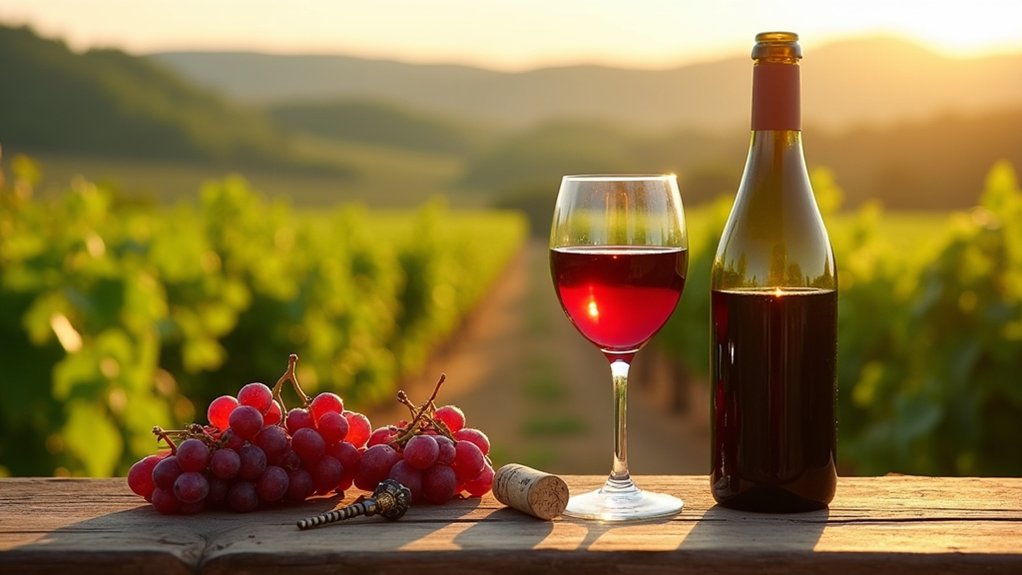
Ever wondered why everyone suddenly starts talking about Beaujolais every November? Well, you’re about to find out. This French wine isn’t just another bottle on the shelf—it’s light, juicy, and a little bit cheeky, perfect for those who think red wine should be fun, not fussy. Pop it in the fridge, pour a glass, and you might just taste the start of a new obsession. But that’s just the beginning…
Key Takeaways
- Beaujolais is a French red wine made primarily from the Gamay grape, known for its juicy cherry and raspberry flavors.
- It is a light, playful, and easy-drinking wine, often enjoyed slightly chilled and suitable for casual occasions.
- The Beaujolais region’s granite soils and cool climate give the wine its fresh, lively character and soft tannins.
- Most Beaujolais wines are best consumed young, though certain “Crus” can age and develop more complex, earthy notes.
- Notable producers include Georges Duboeuf and Louis Jadot, offering options from affordable bottles to high-end selections.
French Gamay-Based Red Wine
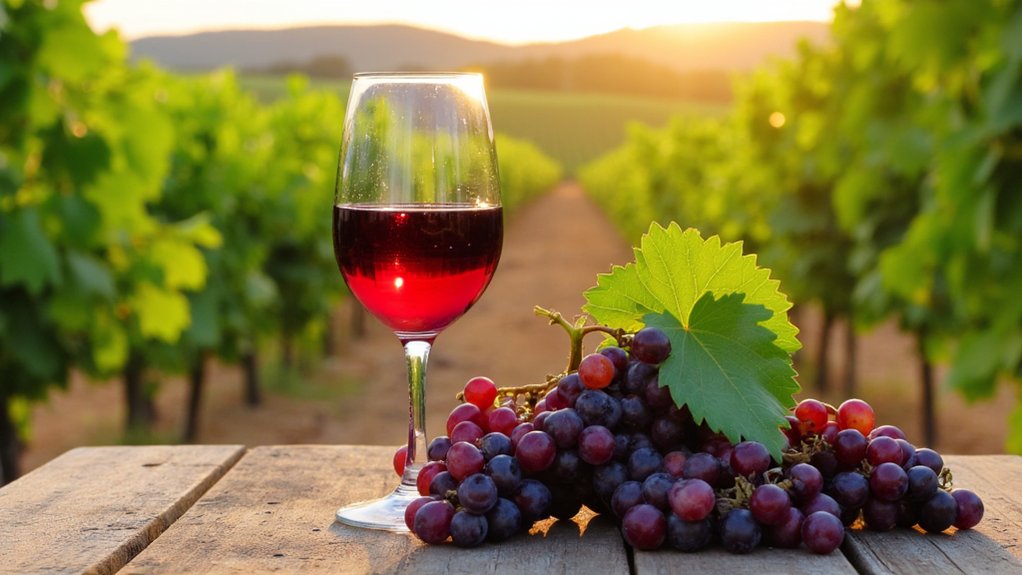
Let’s talk about the heart and soul of Beaujolais: Gamay. If you love discovering new wines, you’ll want to pay attention to this French superstar. Gamay characteristics are instantly charming—juicy cherry, bright raspberry, and sometimes a little whiff of banana or bubblegum (yes, really). It’s light, playful, and you don’t need a PhD in wine to enjoy it.
French vineyards in Beaujolais know how to work magic with this grape, coaxing out its lively acidity and soft tannins. The result? A red wine that’s invigorating, easy to drink, and versatile with food. You can serve it chilled, which should make you feel like a wine rebel. So, raise your glass and let Gamay’s joyful spirit dance on your tongue!
Roman-Era Beaujolais Beginnings
Long before the French fell in love with their famous Gamay grape, Roman soldiers were already eyeing these rolling hills for something special. Imagine Roman boots crunching through Beaujolais soil, plotting vineyards instead of battle lines. You can thank roman influence for kicking off ancient viticulture here—those clever conquerors knew a good wine region when they saw one! They weren’t just about roads and aqueducts; wine was serious business. You’d probably laugh at their old-school winemaking, but their methods set the stage for everything to come. Grapevines crept across the countryside, thriving in the stony ground, and before long, wine culture was bubbling up. If you squint, you might even spot a toga among the grapevines. Cheers, ancient Rome!
Gamay Noir Exclusivity
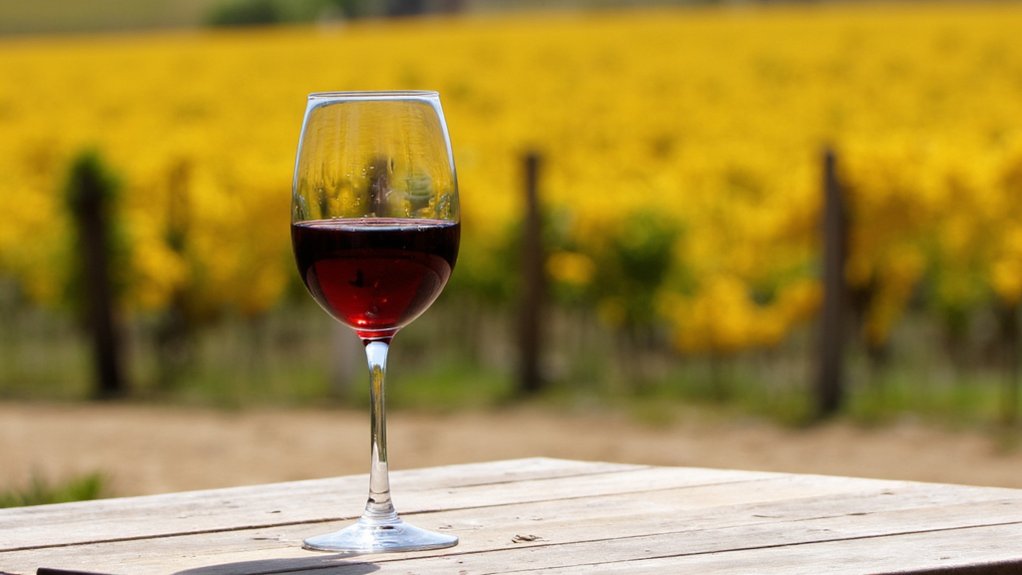
The Romans may have started the party, but it’s the Gamay Noir grape that really steals the show in Beaujolais today. If you’re looking for a true taste of this French region, Gamay Exclusivity is the name of the game. Forget Cabernet or Merlot—here, it’s all about Gamay. This grape thrives in Beaujolais because of a magical thing called Terroir Influence. The local granite soils, gentle hills, and cool climate come together like a perfectly rehearsed band, making Gamay sing its brightest notes. And let’s be honest, if grapes could talk, Gamay would be the life of the party, cracking jokes and charming everyone. When you sip Beaujolais, you’re tasting pure, unfiltered Gamay fun, straight from the vineyard.


Bright Red Fruit Aromas
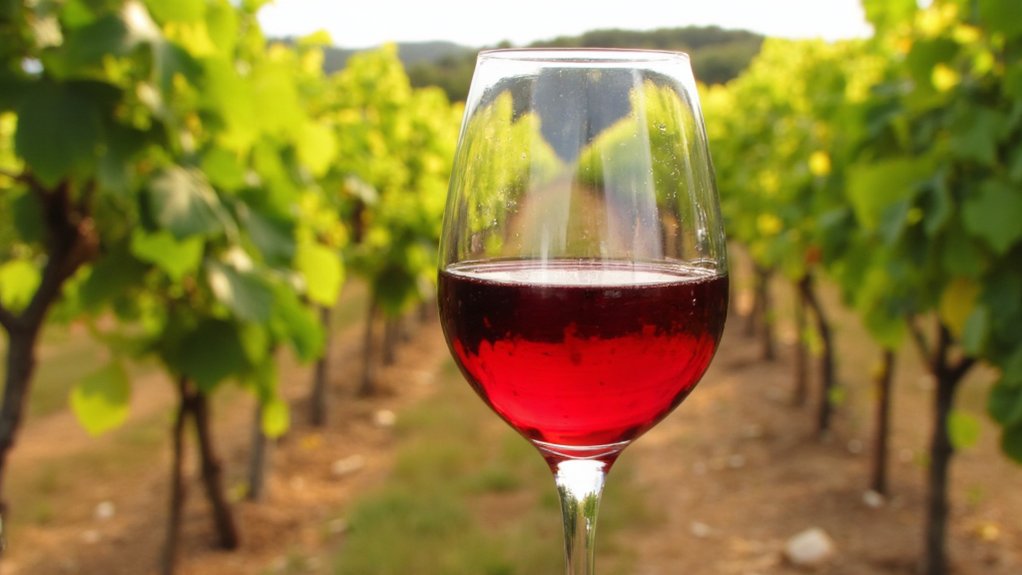
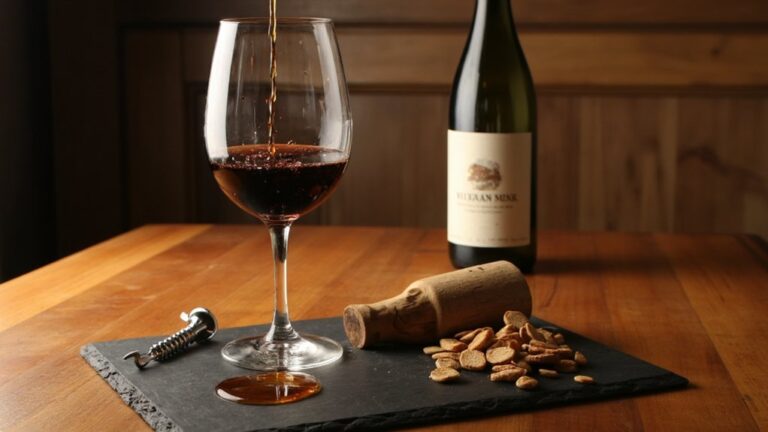
Juiciness practically leaps from the glass when you pour a Beaujolais. Right away, you’re hit with a wave of bright fruit—think strawberries, raspberries, and red cherries, all shouting for your attention. It’s like a fruit basket decided to throw a party in your nose. The aroma profiles are lively, crisp, and utterly irresistible, never weighed down or heavy. Take a sniff, and you might even catch a hint of banana or bubblegum, a quirky twist that keeps things interesting. Each sip delivers on that promise, overflowing with the same playful, bright fruit character you smelled. It’s invigoratingly uncomplicated, so you don’t need to be a wine snob to enjoy it. Go ahead, pour another glass—your senses will thank you!
Famous Beaujolais Wine Brands
Even if you’re just dipping your toes into the world of Beaujolais, you’ll quickly notice certain names popping up like confetti at a parade. These famous producers don’t just make wine—they shape the region’s reputation with their unique styles and regional characteristics. You’ll find that each brand brings something special to the table, from playful fruitiness to serious, age-worthy depth. Get ready to recognize these stars:
- Georges Duboeuf: The “King of Beaujolais,” known for lively, fruit-forward wines.
- Louis Jadot: Offers expressive bottles that highlight Beaujolais’ diverse terroir.
- Jean Foillard: A darling of natural wine lovers, focusing on purity and finesse.
- Château Thivin: Celebrated for classic, structured expressions from Côte de Brouilly.
Try them, and see which one makes your tastebuds dance!
Popular Beaujolais Choices For Any Budget
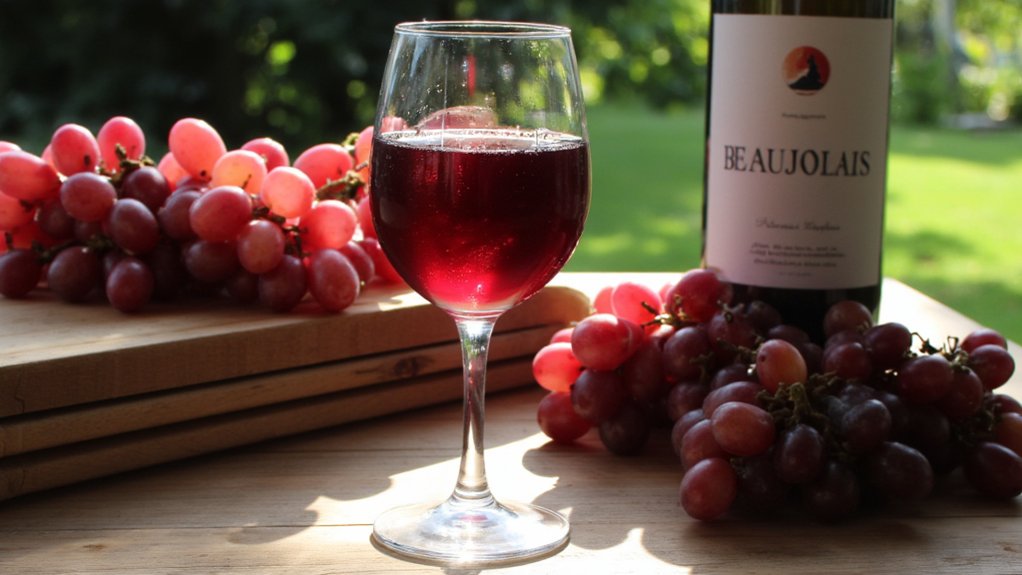
You don’t have to empty your wallet to enjoy Beaujolais, and honestly, that’s half the fun. Whether you’re hunting for a tasty bottle under $20, looking to impress with a mid-range gem, or planning to splurge on something truly special above $100, there’s a world of options waiting for you. So get ready, because Beaujolais has a treat for every budget, and maybe even a few surprises that’ll make your taste buds do a little happy dance.
Bargain Beaujolais Wines Under $20
- Jean-Paul Brun Terres Dorées Beaujolais (Beaujolais) – fresh, fruity, mineral-driven, versatile, crowd-pleasing
- Louis Jadot Beaujolais-Villages (Beaujolais-Villages) – classic, light-bodied, cherry notes, easy drinking
- Henry Fessy Beaujolais-Villages (Beaujolais-Villages) – juicy, balanced, red fruit, subtle spice
- Château de Jarnioux Beaujolais (Beaujolais) – vibrant, floral, raspberry, smooth finish
- Georges Duboeuf Beaujolais Nouveau (Beaujolais) – young, lively, banana aroma, festive, approachable
Mid-Range Beaujolais Wines Between $20-$100
- Domaine Dupeuble Beaujolais (Beaujolais) – elegant, bright red fruit, floral, silky, old vines
- Domaine Diochon Moulin-à-Vent (Moulin-à-Vent) – structured, earthy, dark cherry, age-worthy, classic
- Château Thivin Côte de Brouilly (Côte de Brouilly) – mineral, blue fruit, lively acidity, balanced, historic
- Jean Foillard Morgon “Côte du Py” (Morgon) – complex, juicy, wild berry, savory, natural
- Yvon Métras Fleurie (Fleurie) – perfumed, delicate, raspberry, smooth tannins, highly sought-after

High-End Beaujolais Wines Above $100
- Jean-Louis Dutraive “Clos de la Grand’Cour” (Fleurie) – floral, elegant, deep, complex, age-worthy, cult favorite
- Jules Desjourneys Moulin-à-Vent (Moulin-à-Vent) – powerful, structured, nuanced, long finish, limited production
- Yvon Métras “Ultime” (Fleurie) – rare, ethereal, silky, perfumed, highly collectible
- Jean Foillard “3.14” (Morgon) – profound, layered, wild berry, earthy, natural, sought-after
- Château Thivin “La Chapelle” (Côte de Brouilly) – intense, mineral-driven, concentrated, exceptional balance, cellar-worthy
Classic Beaujolais Wine Food Pairings
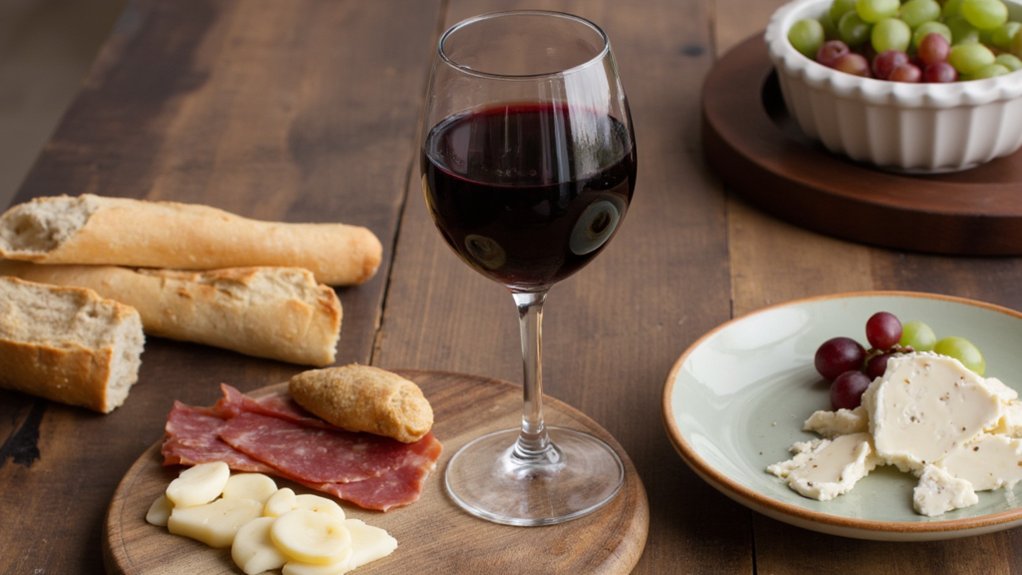
When it comes to pairing food with Beaujolais wine, you’re in for a seriously fun adventure. Beaujolais pairings are all about versatility—this wine brings out the best in so many classic dishes. The light, juicy character of Beaujolais means you don’t have to overthink your meal. Whether you’re hosting a dinner party or just snacking, you’ll find plenty of tasty matches.
Here are four classic dishes that sing with Beaujolais:
- Roast chicken: Simple, juicy, and oh-so-tasty with a chilled glass.
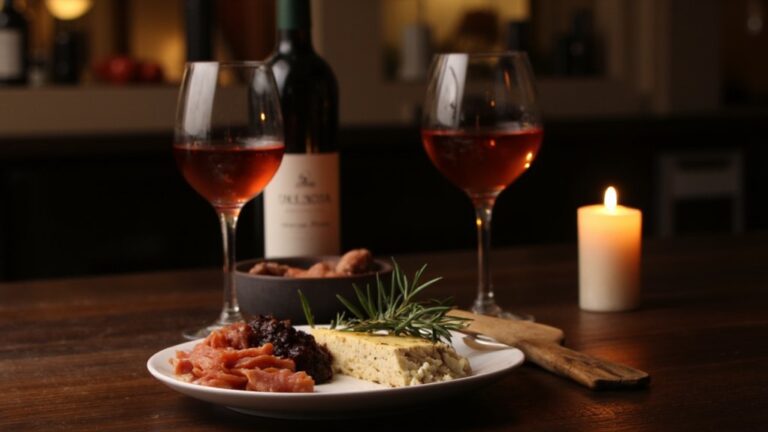
- Charcuterie board: Salty meats, tangy pickles, and cheese—Beaujolais loves them all.
- Grilled salmon: Yes, red wine with fish! Trust us, it works.
- Mushroom risotto: Earthy flavors meet fruity wine magic. Yum!
Beaujolais Run Paris-Lyon Race
You’ve just learned how Beaujolais works its magic at the dinner table, but wait—this wine isn’t just for sipping with your favorite foods. It’s got a wild side, too! Enter the famous Beaujolais race between Paris and Lyon. Every November, car enthusiasts, wine lovers, and adventure-seekers gather for the Beaujolais Run, a zany race where the goal is to dash from Paris to Lyon and deliver the year’s first bottles of Beaujolais Nouveau. It’s a little bit of a madcap tradition, half road rally, half wine celebration, with a dash of friendly rivalry thrown in. No tuxedo required, just a sense of humor, a taste for fun, and maybe a car that can handle some serious mileage. Ready, set, santé!
Does Beaujolais Wine Age Well?
So, can Beaujolais wine really stand the test of time, or does it fade faster than a summer tan? Well, it depends on which Beaujolais you’re sipping. Most bottles—think Beaujolais Nouveau—are meant for quick enjoyment, bursting with fresh fruit flavors that don’t stick around long. You’ll want to drink those young, not stash them away in your closet and hope for magic. But wait, don’t write off the aging potential just yet! The more serious Beaujolais Crus, like Morgon and Moulin-à-Vent, can actually improve with a few years of proper wine storage. Give them time, and you might discover deeper, earthier notes beneath that signature juiciness. So, some Beaujolais can age, but don’t expect miracles from every bottle.
Beaujolais Wine Serving Tips
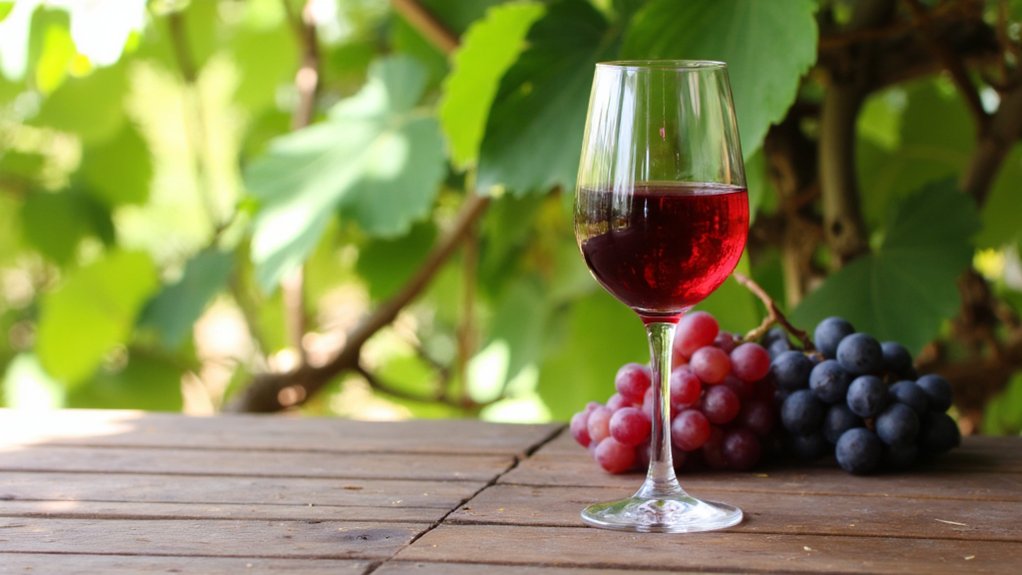
Aging potential is fun to ponder, but let’s get real—most Beaujolais ends up in your glass long before it ever gets a chance to collect dust. You want to enjoy it at its best, right? The ideal serving temperature is key. Aim for a cool 55–60°F (13–16°C) to keep those fruity flavors poppin’. Don’t reach for your biggest goblet, though. For glassware recommendations, choose a medium-sized glass to focus those fresh aromas. And don’t be afraid to chill it a little more if it’s hot out—Beaujolais loves a good cool-down.
- Chill to 55–60°F for max enjoyment.
- Use a medium-sized wine glass.
- Don’t overthink decanting—just pour!
- Pair with friends, laughter, and snacks.
Similar Wines to Beaujolais Wine
When Beaujolais has you hooked with its zippy, juicy charm, it’s only natural to wonder what other wines might scratch that same itch. You’re not alone! If you love the Gamay varietals from the Beaujolais regions, you’ll want to try wines that channel that same lively, light-hearted vibe. Pinot Noir from Burgundy or Oregon delivers bright fruit and freshness, almost like Beaujolais’s slightly older, sassier cousin. Want something a bit offbeat? Try a Loire Valley Gamay or even a Frappato from Sicily—both keep things light and playful. Austrian Zweigelt is another secret handshake for red wine fans in the know. Each glass brings its own twist, but all share that easy-drinking, smile-inducing goodness. Go on, explore and sip happy!
Frequently Asked Questions
Is Beaujolais Wine Vegan or Vegetarian Friendly?
You might find some Beaujolais wines vegan or vegetarian friendly, but it depends on wine production methods. Always check for vegan certification, since some producers use animal-derived fining agents. Look for labels or contact producers directly.
Are There Organic or Biodynamic Beaujolais Wines Available?
You’ll find plenty of Beaujolais producers embracing organic certification and biodynamic practices. Many vineyards avoid synthetic chemicals, so you can choose from a growing selection of organic or biodynamic Beaujolais wines to suit your preferences.
What Glassware Is Best for Serving Beaujolais Wine?
When you serve Beaujolais, choose ideal glassware like a medium-sized Burgundy glass to enhance its aromas. Keep the serving temperature slightly cool, around 55°F (13°C), so you’ll enjoy its fresh, vibrant flavors and bouquet.
How Many Calories Are in a Glass of Beaujolais Wine?
When you’re curious about the caloric content in a wine serving, expect about 120 to 125 calories in a standard 5-ounce glass of Beaujolais. You can enjoy a glass without worrying too much about your daily intake.
Can Beaujolais Wine Be Used for Cooking?
You can absolutely use Beaujolais wine for cooking. It’s great for lighter dishes and enhances Beaujolais pairings like chicken or pork. Try various cooking techniques, such as deglazing pans, making reductions, or braising meats.