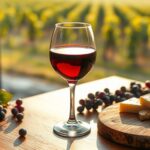
Ever wondered what makes Barolo the king of Italian reds? You’re not alone—this wine’s reputation is legendary, and for good reason. It comes straight from Piedmont’s rolling Langhe hills, crafted only with the Nebbiolo grape, and let me tell you, its flavor is as bold as its history. Imagine roses, cherries, even a whiff of tar. Intrigued? There’s more to this royal pour than meets the glass…
Key Takeaways
- Barolo is a prestigious Italian red wine made exclusively from the Nebbiolo grape in the Langhe region of Piedmont.
- Known as “the king of wines, the wine of kings,” Barolo is famous for its depth, complexity, and aging potential.
- The wine typically features aromas of dried roses, cherries, earthy notes, and high tannins with vibrant acidity.
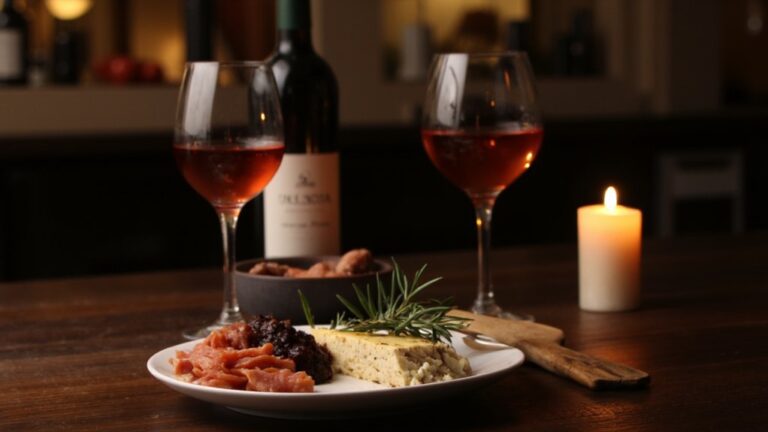
- Barolo pairs well with rich meats, aged cheeses, and classic Italian dishes, enhancing its food-friendly reputation.
- Renowned producers like Gaja, Giacomo Conterno, and Vietti are highly sought after for their exceptional Barolo vintages.
King of Italian Reds
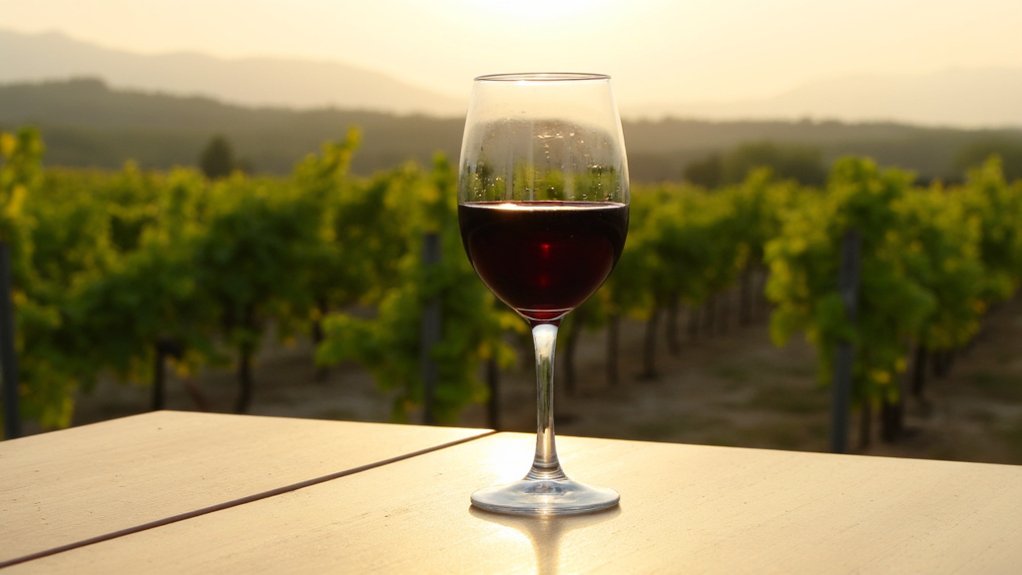
Step aside, ordinary reds—Barolo wears the crown. When you take your first sip, you’ll understand why this wine stands tall in Italy’s royal court. Barolo history is packed with legends, noble families, and a little bit of juicy gossip—seriously, it was once called “the wine of kings, the king of wines.” You can taste that majesty. But it’s not just the story that matters. The secret lies in Barolo terroir. Think rolling hills, perfect sunlight, and soils so rich they practically brag about it. These magical ingredients work together, creating a bold, complex wine that’s never boring. In fact, Barolo almost dares you to compare it to any other red. Go ahead, try. You’ll see why nothing else quite measures up.
Birthplace: Piedmont’s Langhe Hills
Although you might picture endless rows of vines when you hear “Barolo,” its story really begins in a magical corner of Italy called the Langhe hills. Imagine hills rolling like green waves under a sky that just can’t decide if it wants to be blue or gold. This is the heart of Piedmont culture, where food, family, and wine come together in a way that feels almost like a fairy tale. The Langhe terroir is special—chalky soils, foggy mornings, and sunny afternoons all work together like a quirky group of artists painting every grape with unique character. If you ever wondered why Barolo tastes so complex, thank the hills. Or better yet, thank the stubborn, passionate locals who refuse to change a thing.
100% Nebbiolo Grape Origin

If you’ve ever wondered where Barolo gets its bold personality, seek no further than the Nebbiolo grape. It’s the heart and soul of Barolo, and honestly, it’s a bit of a diva. Nebbiolo characteristics are legendary—high tannins, vibrant acidity, and a color that sometimes seems too pale for its powerful punch. But don’t let its light robe fool you. This grape means business.
Nebbiolo regions are mostly in northwestern Italy, with Piedmont as the star of the show. You’ll find Nebbiolo thriving in the misty vineyards of Langhe, Roero, and Gattinara. Each region teases out slightly different traits, but only Langhe gives you that classic Barolo magic. It’s like the grape knows it’s found its soulmate there!
Roses, Tar, and Cherries
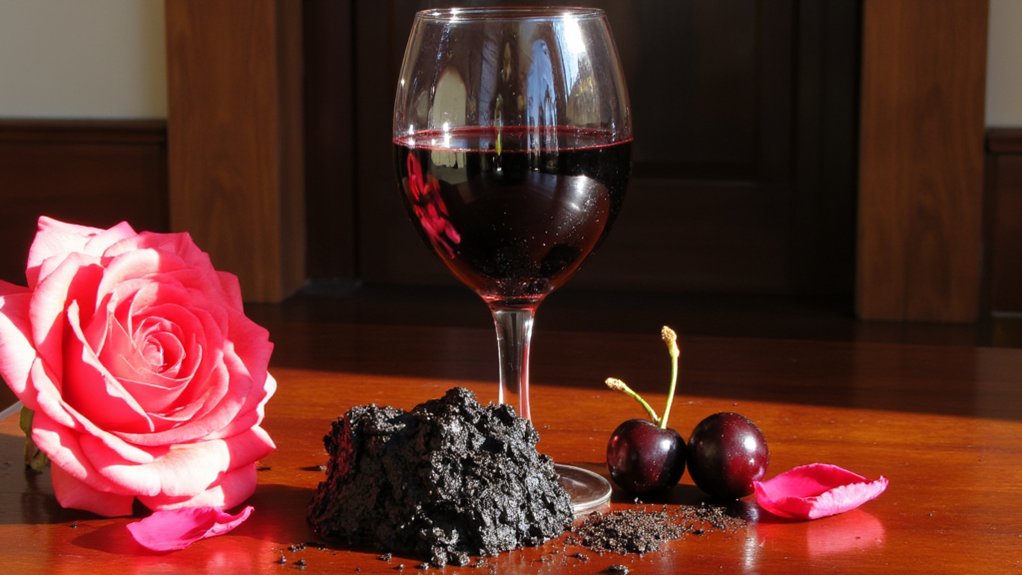
Aromas greet you like old friends when you pour a glass of Barolo—roses, tar, and cherries swirl up from the glass, and suddenly you’re not just drinking wine, you’re walking through a wild Italian garden with a mechanic’s garage next door. Let’s talk about those famous rose aromas. They’re floral, sure, but not the perfume-your-grandma-wore kind. It’s more like you fell face-first into a rosebush and liked it. Then, right behind that, you’ll pick up tar notes. Sounds weird, but it’s oddly delicious, earthy, and deep, adding mystery to the wine. And cherries? Juicy, ripe, sometimes tart, they dance on your tongue. Barolo’s bouquet is a wild ride. You’ll keep sniffing your glass. You might even forget to sip!
Famous Barolo Wine Brands
You’re swirling, sniffing, and maybe swooning over Barolo’s wild aromas, but let’s be honest—someone had to bottle that magic. Enter the famous producers who’ve turned Nebbiolo grapes into legends. Names like Gaja, Giacomo Conterno, and Vietti aren’t just labels—they’re the storytellers behind those iconic vintages everyone whispers about at wine bars. You’ll find yourself in awe of their craft, wishing you could taste history in every drop.
- A perfectly aged bottle from a legendary year, making you feel like you’ve won the wine lottery.
- The thrill of uncorking a Barolo from a famous producer, anticipation buzzing in the air.
- Sharing a glass with friends, realizing you’re sipping something truly special—no ordinary Tuesday night.
That’s Barolo fame, bottled.
Popular Barolo Choices For Any Budget
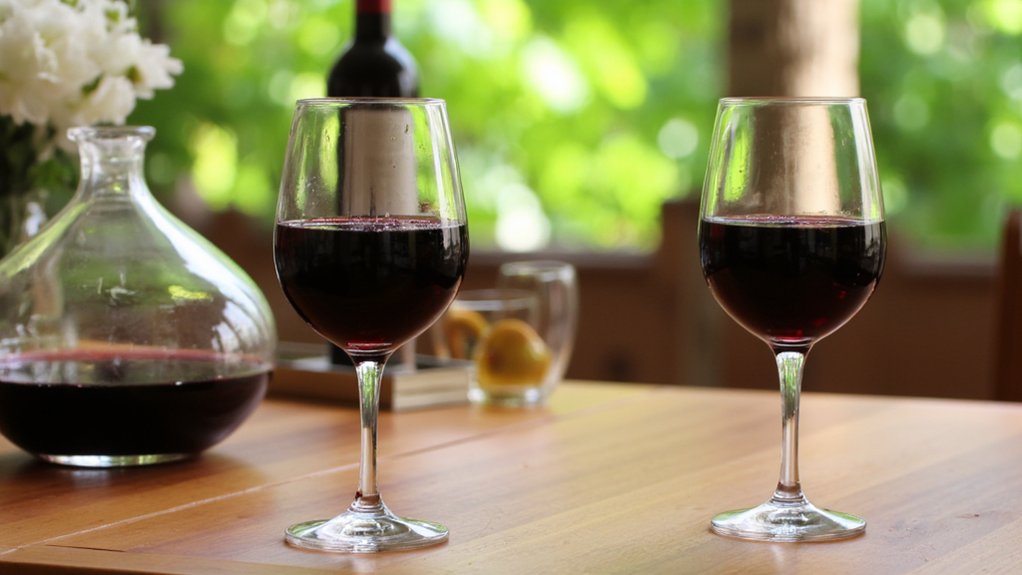
You don’t need a king’s ransom to enjoy Barolo—there are tasty options for every wallet. Maybe you’re hunting for a bargain under $20, ready to splurge a bit in the $20-$100 range, or going all-in on a high-end bottle that costs more than your last utility bill. Let’s check out some top picks and find the Barolo that fits your mood, your meal, and maybe even your sense of adventure.
Bargain Barolo Wines Under $20
- Terre di Barolo (Piedmont) – bright cherry, earthy, approachable tannins, crowd-pleaser
- Riva Leone Barolo (Piedmont) – floral, red fruit, balanced, classic entry-level Barolo
- Fontanafredda Serralunga (Piedmont) – spicy, plum, smooth, soft finish
- Barolo DOCG by Casa Sant’Orsola (Piedmont) – dried rose, tar, value, mellow
- Luigi Bosca Barolo (Piedmont) – savory, licorice, fresh acidity, easy-drinking
Mid-Range Barolo Wines Between $20-$100
- Paolo Scavino Barolo (Piedmont) – red cherry, rose, elegant tannins, classic, reliable
- Michele Chiarlo Tortoniano (Piedmont) – violet, licorice, balanced, silky, modern style
- Pio Cesare Barolo (Piedmont) – dark fruit, spice, structure, age-worthy, traditional
- Damilano Lecinquevigne (Piedmont) – floral, red berries, approachable, smooth, versatile
- G.D. Vajra Albe (Piedmont) – cranberry, mint, fresh acidity, refined, food-friendly
High-End Barolo Wines Above $100
- Giacomo Conterno Monfortino (Piedmont) – legendary, powerful, complex, long-lived, collector’s favorite
- Bruno Giacosa Falletto (Piedmont) – elegant, precise, truffle, red fruit, iconic
- Bartolo Mascarello Barolo (Piedmont) – traditional, floral, earthy, nuanced, highly sought-after
- Luciano Sandrone Cannubi Boschis (Piedmont) – plush, ripe, layered, modern classic, harmonious
- Elio Altare Barolo (Piedmont) – silky, concentrated, expressive, modern, persistent
Classic Barolo Wine Food Pairings

Barolo isn’t just a wine—it’s the life of the dinner party, the guest who tells great stories and always brings a little magic to the table. When you’re planning the perfect food pairing, go for classic dishes that let Barolo shine. This wine loves rich, earthy flavors and foods that can stand up to its bold personality. Picture yourself swirling a glass as you tuck into these mouthwatering combos:
- Braised beef or veal shank, meltingly tender and full of savory depth.
- Wild mushroom risotto, creamy and earthy, soaking up every last drop of Barolo goodness.
- Aged cheeses, like Parmigiano-Reggiano, that practically sing when paired with Nebbiolo’s tannins.
Go ahead, let Barolo be your dinner party’s secret weapon.
Barolo Boys Revolutionized Winemaking
Kick open the cellar doors and let a little rebellion in—because the story of the Barolo Boys is anything but boring. Imagine this: it’s the 1980s, and a young group of Barolo producers decides they’re tired of waiting decades for their wine to shine. So, what do they do? They shake up Barolo history. Out go the giant old barrels and endless aging. In come smaller French oak barrels, shorter macerations, and a flavor profile that’s brighter, bolder, and more approachable. Traditionalists gasp! Purists clutch their pearls! But you, standing there with a glass in hand, might just taste the electric energy they brought. The Barolo Boys didn’t just make wine—they made waves, challenging the old guard and putting Barolo on the modern wine map.
Does Barolo Wine Age Well?
If you’ve ever wondered whether that bottle of Barolo gets better with age, you’re in for a treat. Barolo aging is almost like a magic trick—except there’s no rabbit, just delicious wine. When you let Barolo sit, the wine maturation process softens those bold tannins and deepens the flavors. At first, it can taste a bit wild and stubborn, like a teenager who won’t clean their room. But give it time, and suddenly it’s all elegance and wisdom, showing off notes of dried fruit, earth, and spice. Some say great Barolos can age gracefully for decades. So, if you have patience (and a good hiding spot), you’ll be rewarded. Just don’t forget where you put the bottle!
Barolo Wine Serving Tips
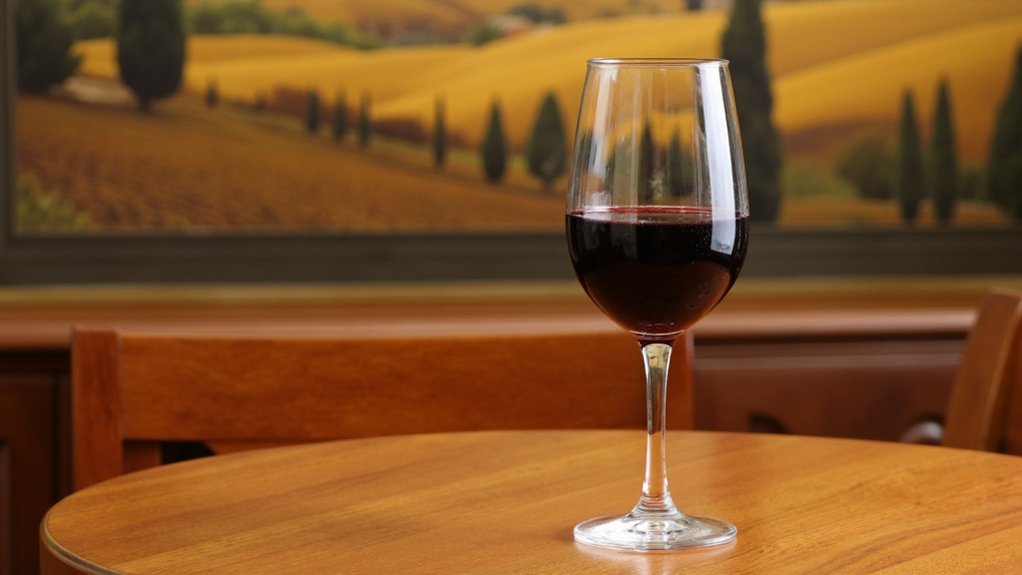
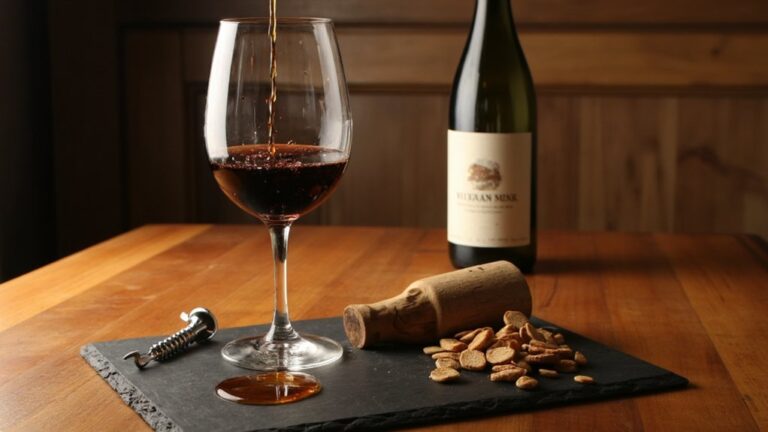
Even though you might feel tempted to just pop open your Barolo and pour a glass straight away, patience and a little know-how can turn a good sip into a truly epic experience. First off, serving temperature matters—aim for around 60 to 65°F. Too cold, and the wine goes shy; too warm, and it shouts over you. Go for a large, tulip-shaped glass. Trust me, the right glass choice lets those wild aromas swirl up and greet your nose like an old friend. And don’t forget to decant! Barolo loves air, so give it an hour or two to breathe.
- Imagine the aroma—dried roses, cherries, and the earth after rain.
- Savor the moment as flavors unfold, layer after layer.
- Toast to patience and reward yourself!
Similar Wines to Barolo Wine
You’ve mastered the art of savoring Barolo, and maybe now you’re curious—what else out there can bring that same kind of magic to your glass? Good news: you’ve got options. If you love Barolo’s depth and structure, try its sibling Barbaresco. It’s also made from Nebbiolo, but a bit softer, so your gums might thank you. Want even more adventure? Seek out Nebbiolo blends from regions like Langhe or Ghemme. These Barolo alternatives often deliver similar rose, cherry, and earthy notes, without the price tag that makes your wallet cry. Or, for a twist, try Sangiovese-based wines like Brunello di Montalcino. It’s not cheating—just expanding your horizons. Go ahead, explore. Your taste buds will totally forgive you.
Frequently Asked Questions
Is Barolo Suitable for Vegans or Vegetarians?
When you consider Barolo for vegans or vegetarians, check Barolo ingredients and Barolo filtration methods. Some producers use animal-based fining agents, but others don’t. Always ask the winery or check the label to be sure.
How Should Barolo Be Stored at Home?
To store Barolo at home, you’ll want to keep it at a proper temperature of around 55°F and maintain ideal humidity between 60-70%. Lay the bottles on their side, away from sunlight and vibrations for best results.
What Is the Average Alcohol Content of Barolo?
When you check Barolo’s alcohol percentage, you’ll find it typically ranges from 13% to 15%. This meets DOCG wine classification standards, so you’re always enjoying a robust, high-quality wine when you open a bottle.
Are There Organic or Biodynamic Barolo Producers?
Yes, you’ll find Barolo producers embracing organic vineyards and biodynamic practices. Many wineries avoid chemicals and focus on sustainability, so you can enjoy Barolo from estates that prioritize organic and biodynamic approaches to viticulture.
Can Barolo Be Used for Cooking?
You can definitely use Barolo for cooking. Barolo cooking enhances rich stews and sauces, while Barolo recipes often feature braised meats or risotto. Just remember, its price means you might save it for special dishes.