So, you’re curious about Barbera? Imagine a grape that’s been hanging out in northern Italy since the 1200s—yeah, it’s basically an OG of the vine world. This little red grape is like that friend who always brings the best snacks to the party: juicy, vibrant, and a little bit sassy with its cherry and violet vibes. But what really sets Barbera apart, and why did NASA decide to shoot it into space? Well, let’s just say, you’re about to find out.
Key Takeaways
- Barbera is a red grape variety native to Italy’s Piedmont region, especially in Asti, Alba, and Monferrato.
- It produces vibrant wines with juicy cherry flavors, delicate floral notes, and low, approachable tannins.
- Barbera wines are known for their silky texture and fresh, charming taste profile.
- Notable producers include Vietti, Braida, and Michele Chiarlo, with Barbera d’Asti and Barbera d’Alba being key sub-regions.
- Barbera pairs well with hearty Italian dishes and can be enjoyed young or aged for added complexity.

Barbera’s Piedmontese Italian Roots
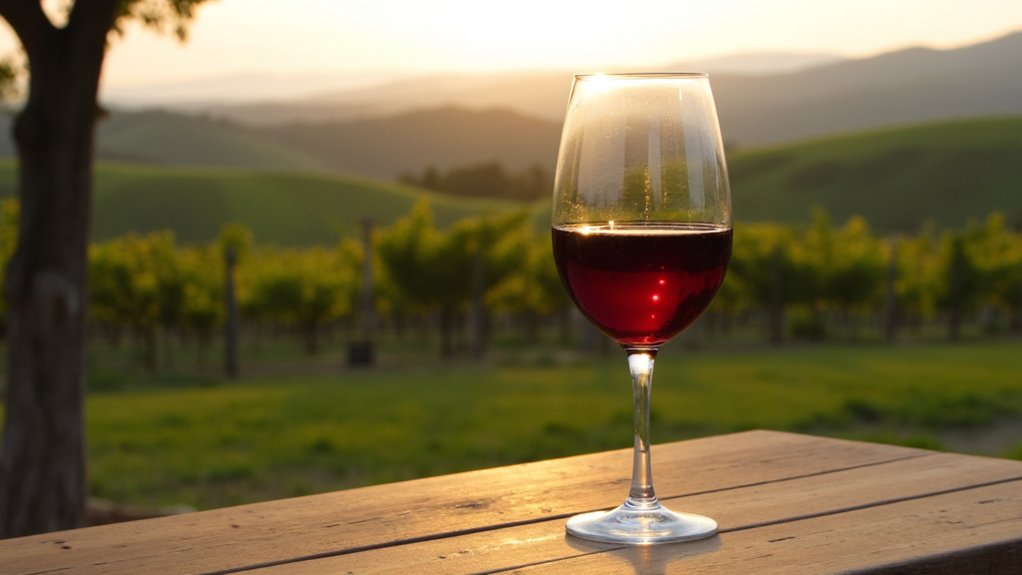
If you’ve ever wandered through the rolling hills of northern Italy, chances are you’ve caught a glimpse of Barbera’s homeland: Piedmont. This region isn’t just about jaw-dropping landscapes and rich cuisine—it’s where Barbera traditions run deep, like roots clinging to ancient soils. You’ll find Barbera thriving in the Barbera regions of Asti, Alba, and Monferrato. Locals have grown these grapes for generations, passing secrets from one stained hand to the next. You can almost hear them whispering, “Don’t forget the old ways!” It’s here that Barbera becomes more than wine; it’s a celebration. You can taste history, laughter, and maybe a little stubborn pride in every glass. So, next time you sip, remember: you’re drinking Piedmont’s very soul.
Earliest Barbera Records: 13th Century
Centuries ago—back when knights were still polishing their armor and people thought tomatoes were suspicious—Barbera was already making a name for itself. If you could time-travel to 13th-century Italy, you’d find Barbera mentioned in dusty records, cropping up in the hills of Piedmont. This grape’s ancient cultivation tells a story of farmers who knew they were onto something special, long before the world caught on. You can practically picture those medieval villagers, hands stained purple, debating the historical significance of their new favorite grape while avoiding tomatoes like they were cursed. Barbera’s deep roots in history aren’t just for show—they’re proof that this wine has been charming palates for ages. And honestly, who can resist a grape with that kind of pedigree?
Thin-Skinned Red Grape Characteristics
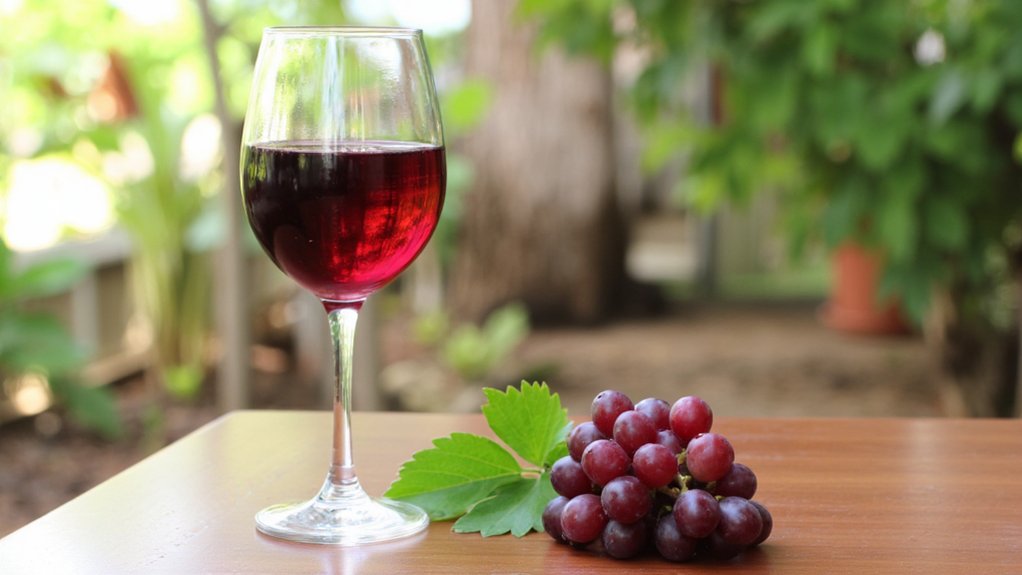
So, with Barbera already winning fans back in the Middle Ages, it’s only fair to ask—what exactly sets this grape apart from the rest? Here’s the juicy secret: Barbera is a thin-skinned red grape, and those thin skinned characteristics really make it stand out among other grape varietals. You might not realize it at first, but thin skins mean the grape lets in more sunlight and ripens quickly, giving you wines that are bursting with color but low in harsh tannins. That’s why Barbera feels so approachable. It doesn’t try to bully your taste buds. Instead, it’s all about freshness, brightness, and a silky texture. So, if you’re tired of heavy, mouth-drying reds, Barbera’s got your back.

Juicy Cherry and Violet Notes
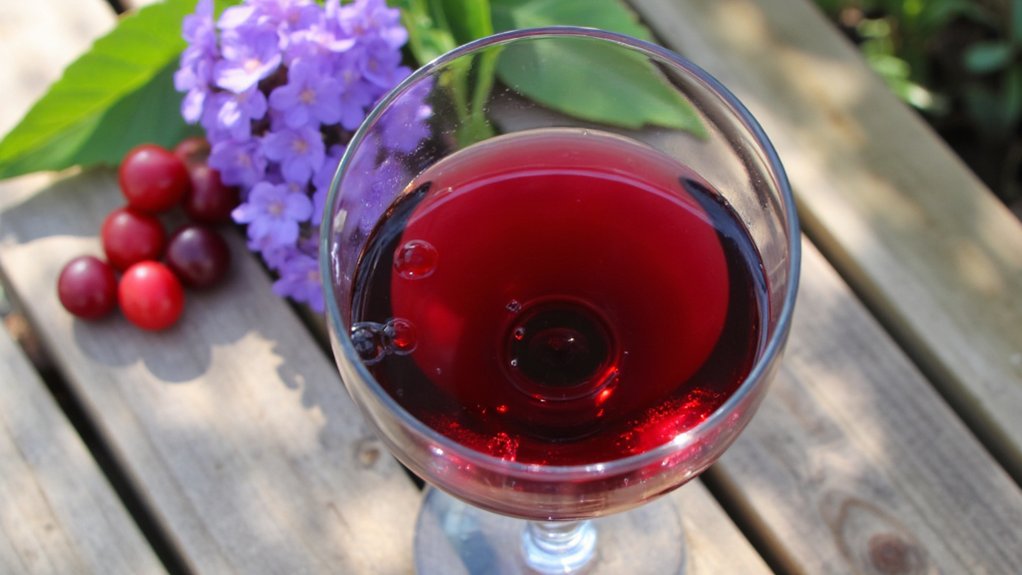
Flavor fireworks—that’s what you’re in for with Barbera’s juicy cherry and violet notes. When you pour a glass, those juicy aromas jump right at you—think fresh cherries just picked from the tree, bursting with flavor. Don’t be surprised if your nose picks up delicate floral notes, too. It’s almost like someone snuck a bouquet of violets into your wine glass, just for fun.
Swirl it, sniff it, and you’ll notice how the fruit and flowers play together, like a catchy duet you can’t stop humming. Take a sip, and the juicy cherry taste dances on your tongue, while the violet whispers sweet nothings in the background. It’s charming, a little flirty, and totally unforgettable. Who knew wine could be this much fun?
Famous Barbera Wine Brands
Although there are plenty of Barbera wines out there, a few names really rise to the top and steal the spotlight. If you want to impress your friends or just treat yourself, keep an eye out for these legendary producers. The Barbera grape shines brightest in certain Barbera regions, and these brands are proof of it. Ready for a little star power?
- Vietti – Based in Piemonte, Vietti crafts Barbera that’s as lively as a Saturday night.
- Braida – Famous for turning the Barbera grape into something truly special, Braida’s wines have fans worldwide.
- Michele Chiarlo – If you want to taste the heart of Barbera regions, Chiarlo’s bottles are an absolute must.
Can you taste the excitement already?
Popular Barbera Choices For Any Budget
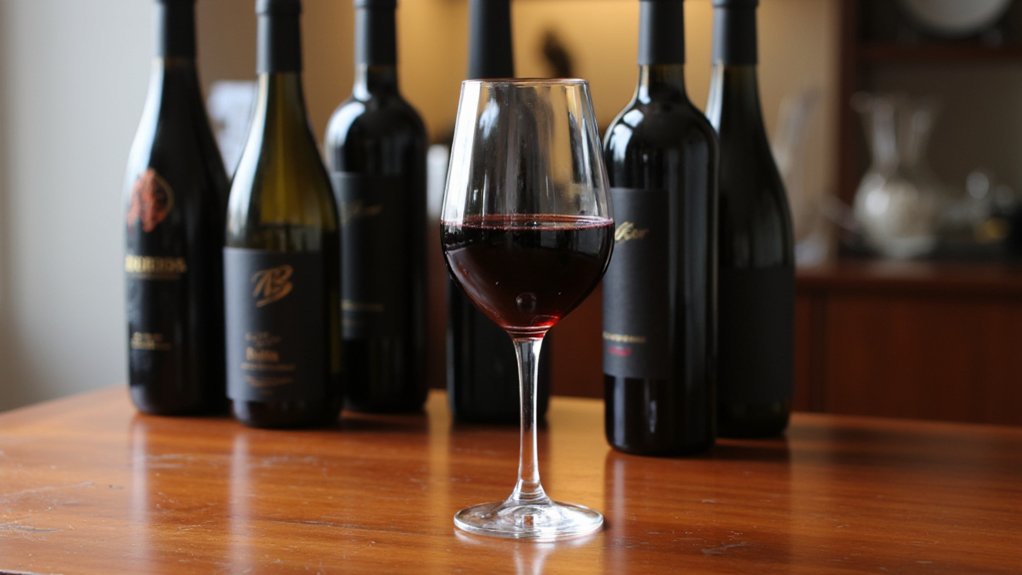
No matter what your wallet looks like after payday, you’ve got plenty of Barbera options to explore. You can score a tasty bottle for under $20, treat yourself to a mid-range gem, or—if you’re feeling fancy—splurge on a top-shelf stunner that’ll make your credit card sweat a little. Let’s check out which Barbera bottles bring the most joy at every price point, because everyone deserves a little wine magic, right?
Bargain Barbera Wines Under $20
- Vietti Barbera Tre Vigne (Piedmont) – juicy, fresh, red cherry, balanced acidity.
- Scarpetta Barbera del Monferrato (Piedmont) – vibrant, plum, smooth tannins, easy-drinking.
- Cecilia Beretta Barbera (Veneto) – lively, blackberry, soft, food-friendly, approachable.
- Bricco dei Tati Barbera (Piedmont) – bright, raspberry, light-bodied, everyday value.
- Marchesi di Barolo Maraia (Piedmont) – spicy, ripe berries, medium-bodied, classic style.
Mid-Range Barbera Wines Between $20-$100
- Vietti Barbera d’Asti Tre Vigne (Piedmont) – rich, black cherry, balanced, savory, persistent finish.
- Braida Montebruna Barbera d’Asti (Piedmont) – plush, dark fruit, velvety, elegant, integrated acidity.
- Castello di Neive Barbera d’Alba (Piedmont) – floral, wild berry, vibrant, medium-bodied, refined.
- La Spinetta Ca’ di Pian Barbera d’Asti (Piedmont) – ripe plum, smoky, structured, spice, long finish.
- Michele Chiarlo Le Orme Barbera d’Asti (Piedmont) – fresh, red currant, lively, balanced, food-friendly.
High-End Barbera Wines Above $100
- Giacomo Conterno Vigna Francia Barbera d’Alba (Piedmont) – powerful, concentrated, complex, ageworthy, deep fruit, earthy.
- Braida Bricco dell’Uccellone Barbera d’Asti (Piedmont) – plush, intense, spicy, opulent, vibrant acidity, long finish.
- Vietti Barbera d’Alba Scarrone Vigna Vecchia (Piedmont) – rich, layered, old vines, lush, elegant, persistent.
- Gaja Barbera d’Alba (Piedmont) – refined, polished, expressive, minerality, integrated oak, balanced.
- La Spinetta Barbera d’Asti Vigneto Bionzo (Piedmont) – bold, dark berry, structured, lush, seductive, lingering.
Classic Barbera Wine Food Pairings
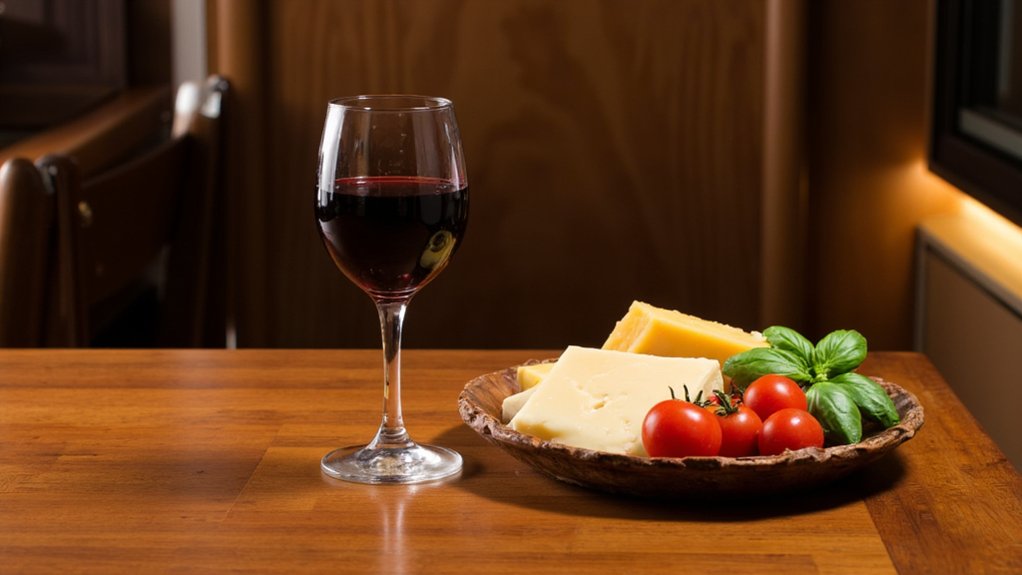
Pairing food with Barbera is like inviting your most charming friend to dinner—suddenly, the conversation just flows. You’ll find Barbera’s juicy acidity and gentle tannins make it a superstar at the table, especially with classic dishes from its Italian roots. It’s not picky. It loves food, and food loves it back. When you’re in the mood for perfect food pairings, think of Barbera as the life of the party, ready to mingle with hearty, rustic plates and even a little spice.
Try these classic dishes with your next bottle:
- Risotto al Barolo: Creamy rice, earthy flavors, and wine—what’s not to love?
- Eggplant Parmesan: Cheesy, saucy, crispy, and Barbera just sings alongside it.
- Grilled Italian sausage: Smoky, savory, and totally irresistible with a juicy red!
NASA Sent Barbera to Space
Even in your wildest dreams, you probably didn’t picture Barbera floating among the stars, but NASA actually sent this lively Italian wine into space. That’s right. Barbera spaceflight is a real thing! Scientists wanted to see how zero gravity would affect wine aging, so they strapped a few bottles in alongside all those fancy gadgets and brave astronauts. Imagine being a Barbera astronaut, circling Earth, while your travel buddy is a bottle of vino from Piedmont—talk about a cosmic pairing.
Of course, the wine didn’t get to sip itself; it came back down for taste tests. Did it become super wine? Or just a little dizzy? Either way, Barbera’s gone where few grapes have gone before. Cheers to that—next stop, Martian merlot?
Does Barbera Wine Age Well?
When it comes to aging Barbera wine, you might be surprised—there’s more here than meets the eye. Most folks think Barbera’s just for drinking young, but that’s not the whole story. Sure, you can pop a bottle open right away, enjoy those bright, juicy flavors, and call it a day. But with proper wine storage—think cool, dark, and slightly mysterious—certain Barberas can actually age quite well. The aging potential depends on the style and the winemaker’s magic touch. Top-tier Barberas from Italy’s Piedmont region, especially Barbera d’Asti Superiore, can develop more complex flavors over five to ten years. Don’t expect it to turn into a stuffy collector’s bottle, but hey, life’s more fun when you let your wine surprise you!
Barbera Wine Serving Tips
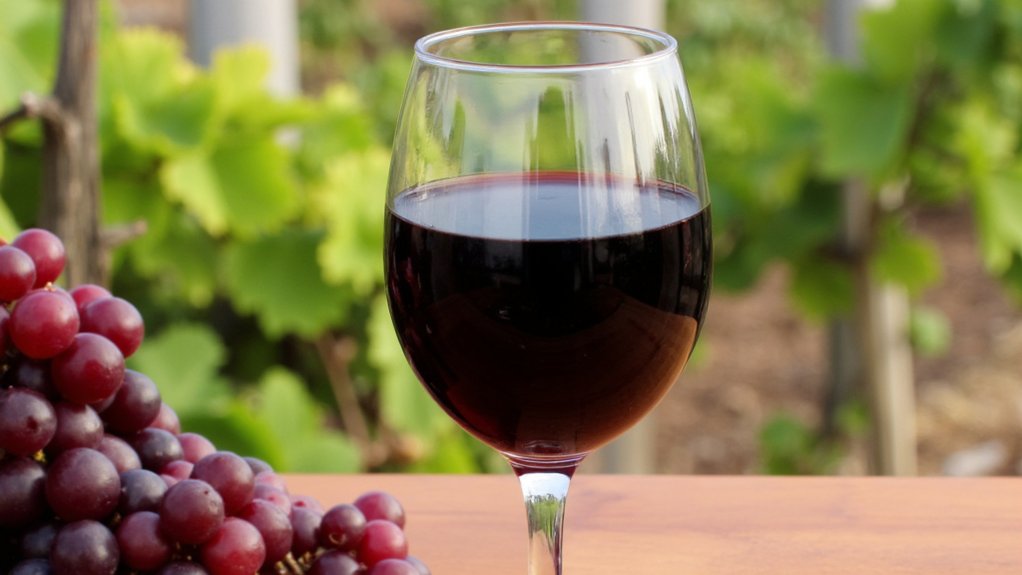
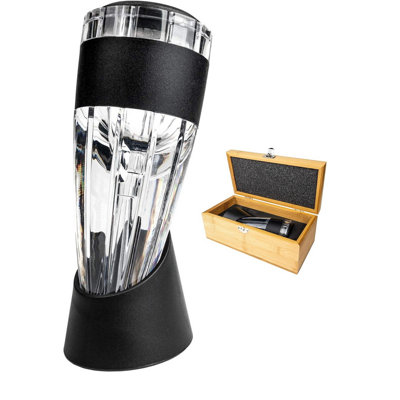
So, you’ve got a bottle of Barbera—maybe it’s young and zippy, maybe it’s a fancy Superiore you’ve been saving for a while. Now, let’s make sure your barbera serving game is on point. First, don’t serve it too warm or too cold. The ideal barbera temperature is around 60–65°F (16–18°C), which is cooler than room temp but not fridge cold. Grab a decanter if you’ve got one, Barbera loves a little air. And pick a glass with a big bowl, so all those juicy aromas can really sing.
- Let Barbera breathe for 20–30 minutes before serving.
- Serve with hearty foods—think pizza or roasted veggies.
- Chill your bottle for 20 minutes in the fridge if it feels too warm.
Happy sipping!
Similar Wines to Barbera Wine
If you’ve fallen for Barbera’s juicy charm, you’re probably wondering what other wines bring that same lively vibe to the table. Lucky for you, there’s a whole world of Barbera alternatives waiting to be sipped. Try Dolcetto if you want something equally vibrant and fruit-forward—think of it as Barbera’s cheeky cousin. Gamay, the grape behind Beaujolais, brings that same tart fruit and easy-drinking fun, like a party in a glass. If you’re feeling adventurous, check out Barbera blends; sometimes winemakers mix Barbera with Merlot or Nebbiolo for extra depth. Montepulciano d’Abruzzo is another solid pick. It’s plush, smooth, and keeps your tastebuds happy. Who knew wine could be this much fun? Go on, explore!
Frequently Asked Questions
Is Barbera Wine Suitable for Vegans or Vegetarians?
You’re wondering if Barbera is a vegan wine or suitable for vegetarian options. Many Barbera wines are vegan-friendly, but you’ll need to check the label or ask the producer, as some use animal-based fining agents.
What Is the Typical Alcohol Content of Barbera Wines?
You’ll usually find Barbera wines have an alcohol content between 12.5% and 14.5%. This complements Barbera’s flavor profile—bright acidity, red fruit, and subtle spice—making it versatile for Barbera food pairings like pasta, pizza, and roasted meats.
Are Barbera Grapes Used in Any Sparkling Wines?
You’ll find Barbera grapes occasionally used in sparkling varieties, especially in Italy. The grape’s high acidity and bright fruit characteristics make it suitable for sparkling wines, though it’s more commonly crafted into dry reds than bubbles.
How Does Barbera Wine Affect People With Wine Allergies?
If you have wine sensitivity or allergies, Barbera wine might trigger allergy symptoms like headaches, rashes, or congestion. Since personal experiences vary, you should consult your doctor before drinking Barbera wine if you’re concerned about reactions.
Can Barbera Wine Be Found Outside of Italy?
You can find Barbera wine outside Italy, especially in Barbera regions like California and Argentina. These areas produce unique Barbera varieties, letting you explore different expressions of this grape beyond its traditional Italian roots.