For roast duck, you can’t go wrong with a medium-bodied Pinot Noir! It’s bright acidity cuts through the rich fat while its earthy notes complement the meat’s subtle game flavors. If you’re feeling adventurous, try an oaked Chardonnay or even a Gewürztraminer with Asian-spiced duck. The key is matching your wine to your specific preparation—serving temperature matters too! Proper decanting will take your duck dinner from merely delicious to absolutely magnificant.
Key Takeaways
- Pinot Noir pairs exceptionally with roast duck, offering earthy notes and bright acidity to balance the meat’s richness.
- Oaked Chardonnay from Burgundy complements crispy duck skin with its buttery texture and subtle oak influence.
- Serve red wines at 55-60°F and decant for 45 minutes to fully enhance earthy notes that complement duck.
- Gewürztraminer works wonderfully with duck prepared with Asian spices or plum sauce for a harmonious flavor profile.
- Regional pairings enhance the experience—try Burgundy wines with French preparations and Riesling with Chinese duck dishes.

Why Duck and Wine Demand Special Attention

Unlike pairing wine with simpler dishes, mastering the art of wine pairing with roast duck isn’t something you’ll figure out in five minutes. Duck sits in that fascinating middle ground between poultry and red meat, making it a unique challenge for even experienced food enthusiasts.
Your duck preparation dramatically affects what ends up in your glass. A crispy Peking-style duck calls for something entirely different than a duck confit, which is why you can’t just grab any old bottle off the shelf. The flavor balance is essential here—you’re juggling the rich, fatty qualities of duck meat with its slightly gamey undertones, plus whatever herbs or sauce you’ve incorporated. It’s like conducting a delicious orchestra where one wrong note could throw everything off! To enhance your experience, consider the wine regions that can guide your selection process.
The Flavor Profile of Duck: What Makes It Unique

Duck sits at the culinary crossroads of flavors that you won’t find in any other meat on your dinner table. Unlike chicken or turkey, it boasts a rich, almost beef-like intensity with a distinctive gamey undertone that creates a fascinating paradox on your palate. The duck taste comes from its higher fat content, particularly in that glorious crispy skin that you’re probably dreaming about right now!
What makes duck truly special is how it responds to unique spices and preparations. It’s like nature’s flavor sponge, happily absorbing everything from five-spice powder to orange zest without loosing its fundamental “duckiness.” You’ll notice that even when cooked simply, the meat remains succulant and complex, with that perfect balance of savory depth and subtle sweetness.
Classic Red Wine Pairings for Roast Duck

When you’re serving that gorgeously roasted duck with its crispy, golden skin, you’ll want to reach for a red wine that can stand up to its rich, gamey goodness. The perfect match? Pinot Noir is your trusty sidekick here, with its earthy notes and bright acidity cutting through the fat like a superhero slicing through villains!
For those who prefer something more robust, Cabernet Sauvignon brings bold tannins and dark fruit flavors that complement duck’s intensity. It’s like inviting the life of the party to your dinner table—they’ll get along famously! Additionally, the right wine pairing enhances the overall dining experience, ensuring that each bite of duck is savored to the fullest.

White Wine Options That Surprise and Delight

Three surprising white wines often steal the spotlight when it’s time to pair with duck, despite what traditionalists might tell you! A rich, slightly oaked Chardonnay from Burgundy creates magic with crispy duck skin, balancing fat with acidity in ways you’d never expect.
Don’t overlook unconventional whites like Gewürztraminer, whose aromatic spice notes complement duck’s gamey character beautifully, especially when your duck features Asian flavors or fruit glazes. It’s like they were made for each other!
For a truly unexpected treat, try sparkling options like a dry Cremant d’Alsace or even Champagne. The bubbles cut through richness while the toasty notes enhance crispy duck skin. You’ll wonder why you ever limited yourself to reds—these whites bring a revitalizing twist to your duck dinner! Additionally, the bright acidity of Sauvignon Blanc enhances orange flavors, making it a fantastic option for duck à l’orange.
Regional Pairings: Matching Duck Dishes With Local Wines

When it comes to regional food and wine marriages, you can’t beat the classic pairings that have evolved over centuries in duck-loving regions. In Burgundy, you’ll find that a local Pinot Noir alongside a traditional French duck confit creates a harmony that’s almost musical, while the sweet-and-sour notes of Chinese plum duck practically beg for an off-dry Gewürztraminer or Riesling. The Mediterranean offers it’s own duck wisdom, where herbs like rosemary and thyme infuse the bird and pair beautifuly with local varieties such as Grenache from southern France or Sangiovese from Tuscany.
Burgundy With French Duck
If you’ve ever savored a traditional French duck dish, you’ll understand why Burgundy wine is its most celebrated companion. The magic happens when Pinot Noir, Burgundy’s star red varietal, meets the rich, fatty goodness of duck confit or magret de canard. It’s like they were made for each other!
The French terroir gives these wines their distinctive character—earthy, with hints of cherries and that funky, forest-floor quality that wine snobs love to talk about. You don’t need to be a sommelier to appreciate how the wine’s acidity cuts through duck fat like a hot knife through butter.
Next time you’re feeling fancy, try a Gevrey-Chambertin or Nuits-Saint-Georges with your duck. Trust me, your taste buds will thank you, and you’ll finaly understand what all the fuss is about!
Chinese Plum Duck Wines
Moving from French elegance to Asian brilliance, let’s explore the world of Chinese plum duck pairings! When you’re enjoying that succulent duck with sweet-tart plum sauce, you’ll want something that can stand up to those bold flavors.
Chinese varietals like Cabernet Gernischt work wonderfully, offering fruity notes that complement without overpowering. You’ll be amazed how the right wine transforms your meal!
| Wine Type | Flavor Profile | Duck Pairing |
|---|---|---|
| Ningxia Riesling | Crisp, mineraly | Plain roast duck |
| Grace Vineyard Tasya | Cherry, spice | Peking duck |
| Changyu Cabernet | Bold, structured | Plum sauce duck |
| Yunnan Rose | Light, floral | Duck spring rolls |
Don’t be afraid to experiment! The contrast between the rich duck, tangy plum sauce, and your chosen wine creates a dining experience that’ll impress your freinds.
Mediterranean Duck Traditions
While French and Chinese duck preparations have captivated our taste buds, the Mediterranean region offers its own delectable duck traditions that you’ve got to try! In Spain, you’ll find duck with orange and rosemary, perfectly complemented by a robust Tempranillo that cuts through the richness with its cherry notes.
Italy’s duck cooking techniques often incorporate Mediterranean flavors like fresh herbs, olives, and tomatos—yes, a crisp Vermentino from Sardinia works wonders here! Greek-style duck with lemon and oregano? Reach for an Assyrtiko from Santorini, its minerality and citrus profile creating a match made in culinary heaven.
When exploring these sun-soaked traditions, don’t be afraid to experiment! After all, the Mediterranean approach to food is all about celebrating life, and what better way than with a perfectly paired glass of regional wine?
Expert Serving Tips for Duck and Wine Harmony
You’ll be amazed at how much temperature affects your wine’s ability to complement roast duck, so always serve reds slightly cooled (around 60°F) and whites properly chilled but not ice-cold. Decanting isn’t just for show—it’s a game-changer that allows your wine to breathe, releasing those complex aromas that’ll dance beautifully with the duck’s rich flavors. And don’t rush the process, give your decanted wine at least 30 minuets before serving, allowing oxygen to work it’s magic and transform good pairings into unforgettable dining experiences.
Temperature Matters Greatly
How often have you popped open a bottle of wine and immediately poured it for your carefully prepared duck dinner, only to be disappointed by the taste? The culprit might not be your wine selection but its temperature! Temperature influences every aspect of wine’s character, from aroma to finish, and can make or break your pairing experience.
Red wines served too warm become boozey and flabby, while whites that are too cold lose their nuanced flavors. For duck pairings, try chilling your reds slightly (55-60°F) and letting whites warm up a bit (45-50°F) before serving. These serving techniques will transform your duck dinner from good to mind-blowingly delicious! Remember, a wine thermometer is your best friend here—or just trust your instinct and palm that bottle like your checking a babys forehead!
Decanting For Maximum Flavor
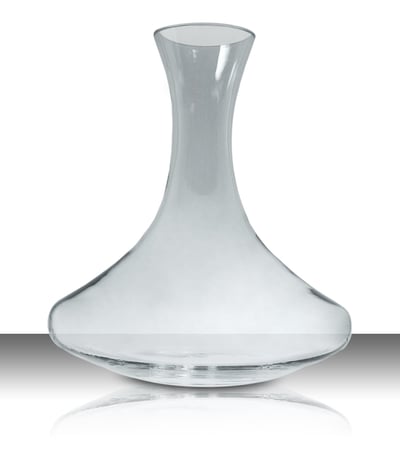
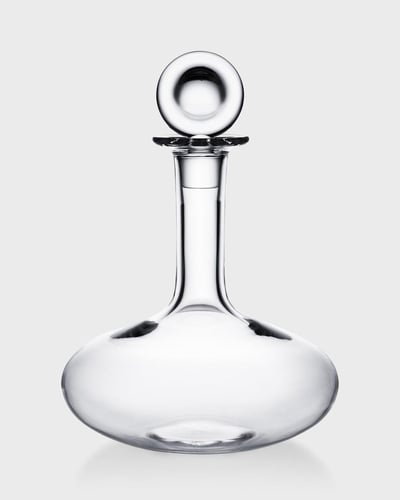
When it comes to serving that perfect wine with your roast duck, decanting isn’t just for wine snobs—it’s a game-changer that’ll transform your dinner party! By mastering a few simple decanting techniques, you’ll reveal hidden flavor enhancements that perfectly complement your crispy-skinned fowl.
| Wine Type | Decanting Time | Flavor Enhancement |
|---|---|---|
| Young Red | 1-2 hours | Softens tannins, reveals fruit |
| Aged Red | 30 minutes | Separates sediment, awakens aromas |
| Full Pinot | 45 minutes | Brings out earthy notes for duck |
You’ll notice the difference immediately—those tight, closed-up wines will literally “breathe” and open up. Don’t rush this process! A properly decanted Burgundy or Syrah creates a magical marriage with duck, highlighting both the wine’s complexity and the rich, gamey flavors of your beautifully roasted bird.
Frequently Asked Questions
Should Wine Temperature Differ When Serving Duck Versus Other Poultry?
You’ve noticed wine tastes sharper with turkey? Yes, wine serving temperatures should differ for duck versus other poultry differences. Red wines for duck are best slightly cooler than you’d serve with lighter poultry.
Can Rosé Wines Work With Duck, or Should I Stick to Reds?
Rosé wines can work beautifully with duck! Different rosé profiles complement duck flavors wonderfully, especially fuller-bodied ones with a touch of berry richness. You’ll find they’re quite versatile with this poultry.
How Long Should Duck Wines Breathe Before Serving?
For your duck wines, aim for 30-60 minutes of breathing duration. You’ll notice improved flavors when using proper aeration techniques like decanting reds or swirling rosés in your glass.
Are There Any Dessert Wines That Pair Well With Duck?
Like a cherry on top, you’ll find late-harvest Riesling and Sauternes pair wonderfully with duck. These dessert wine varieties offer sweet wine characteristics that complement the rich, fatty flavors beautifully.
What Non-Alcoholic Beverages Complement Roast Duck for Non-Drinkers?
You’ll enjoy tart cranberry or pomegranate fruit juices with roast duck. Hibiscus or cinnamon herbal teas provide complexity that complements duck’s richness. Sparkling apple cider’s acidity also works wonderfully.