Ever wondered what makes Riesling so special? You’re about to find out. This grape isn’t just a one-trick pony—it comes packed with zingy flavors like peach, lime, and even a hint of flowers. It’s fresh, but also a bit mysterious, dancing between sweet and dry in a way that keeps your tastebuds on their toes. So, why did Napoleon’s troops go wild for it, and does it really age like a fine cheese? Well…
Key Takeaways
- Riesling is an aromatic white grape variety originating from Germany, known for vibrant acidity and flavors of green apple, peach, and lime.
- It produces wines ranging from dry to sweet, often celebrated for their balance and age-worthiness.
- Riesling’s parent grapes are gouais blanc and traminer, giving it a unique genetic lineage.
- Notable Riesling producers include Dr. Loosen (Germany), Trimbach (France), Pewsey Vale (Australia), and Chateau Ste. Michelle (USA).
- Riesling pairs well with spicy foods, seafood, and soft cheeses, and should be served chilled for best aroma and flavor.
German White Aromatic Wine

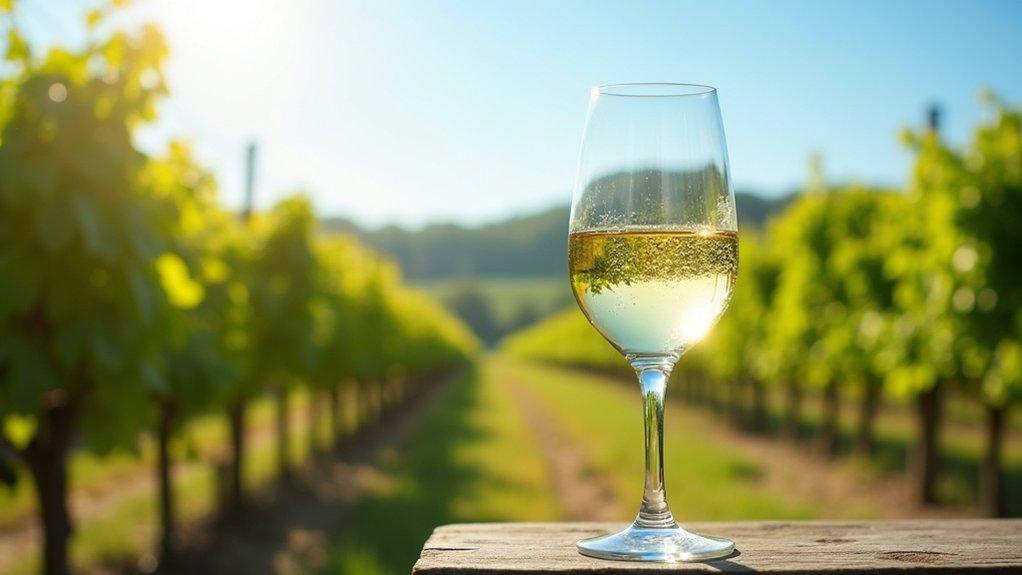
Imagine this: you’re swirling a glass filled with golden sunshine, sniffing something that smells like a summer orchard after a rainstorm. That’s your first hint you’re holding a German Riesling, the white aromatic wine that’s practically poetry in a bottle. Let’s talk about the aromatic profile. It’s vibrant—think green apple, peach, and a cheeky hint of lime. Sometimes you’ll spot a floral note, or even a whiff of petrol, and yes, that’s a good thing! German wine regions like Mosel, Rheingau, and Pfalz are where Riesling struts its stuff, each area putting its own twist on the grape. Don’t worry if you can’t pronounce those regions—just raise your glass, sip, and let your tastebuds do the traveling. Prost!
First Recorded in 1435
So, you’ve got this vibrant, aromatic glass of German Riesling swirling in your hand, but have you ever wondered where all this magic started? Imagine this: it’s 1435, and some forward-thinking soul in the Rhine region scribbles down the very first mention of Riesling in a storage inventory. Yep, this isn’t just any wine—it’s got a birth certificate! Riesling history isn’t just about old castles and monks. It’s a wild journey through centuries, with Riesling regions like the Mosel and Rheingau shining as stars along the way. Back then, people probably didn’t realize they were launching a legend. If only they’d had Instagram, right? You can almost see the hashtags: #RieslingOrigins #WineGoals. So, next time you sip, raise a toast to 1435!
Parentage: Gouais Blanc Offspring
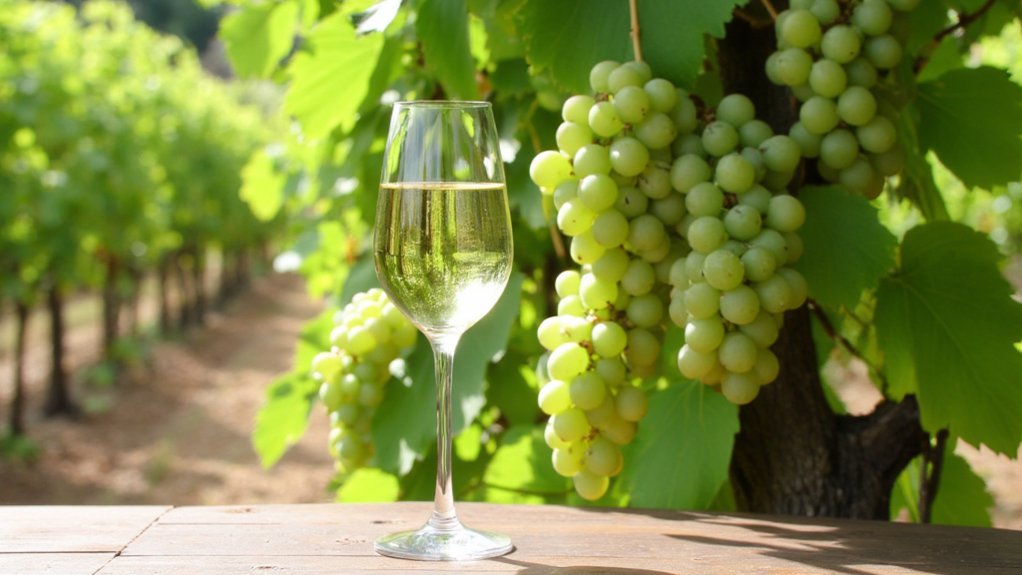
Family trees can get pretty wild, especially when wine grapes are involved. If you explore wine genetics, you’ll find Riesling has a parent called gouais blanc. Doesn’t exactly roll off the tongue, right? Gouais blanc might sound obscure, but it’s the unsung hero of the grape world. This grape parented a whole gang of famous varieties, not just Riesling. It’s like the grape equivalent of that great-great-grandparent you never met, but you probably inherited your nose from.
Thanks to some clever genetic testing, scientists figured out that gouais blanc, paired with a grape called traminer, gave birth to Riesling. So, next time you swirl a glass of Riesling, remember you’re sipping on a story that started with a couple of grape oddballs getting together.

Notes of Peach and Lime
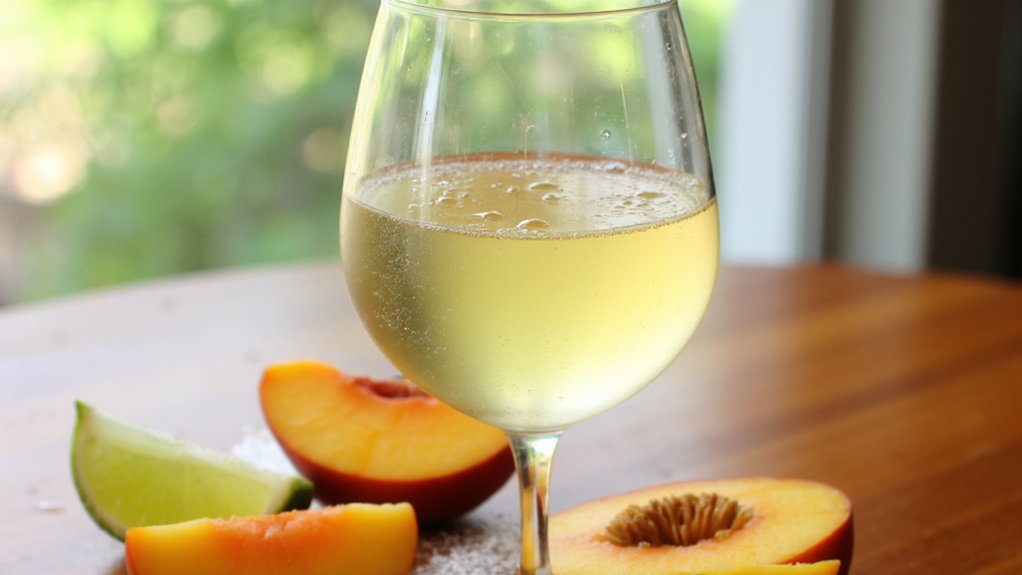
Gouais blanc and traminer might have kicked off Riesling’s wild family history, but let’s talk about what actually ends up in your glass. Pour yourself a taste, and you’ll notice it right away: a peach aroma that leaps out, bold and juicy, like summer in a bottle. Then, just as you’re dreaming of orchards, bam! That lime acidity hits your tongue. Crisp. Electric. You might even pucker a little—don’t worry, it’s supposed to happen. The balance is what makes Riesling so special. It’s playful, dancing between soft, fuzzy peach and that zesty, mouthwatering lime. Each sip keeps you guessing. Is it sweet? Is it tart? It’s both, it’s neither, it’s Riesling. Go ahead, take another sip. You know you want to.
Famous Riesling Wine Brands
Legends. That’s what you’ll find when you plunge into the world of famous Riesling wine brands. You’re not just sipping wine—you’re tasting history, tradition, and a bit of winemaking magic. Want to know which bottles to brag about at your next dinner party? Let’s explore some notable producers and their dazzling regional variations:
- Dr. Loosen (Germany): A household name, crafting crisp, mineral-driven Rieslings from the Mosel region.
- Trimbach (France): Alsace’s pride, serving up dry, elegant wines with a zingy kick.
- Pewsey Vale (Australia): This Eden Valley icon delivers bright, citrusy Rieslings with a playful twist.
- Chateau Ste. Michelle (USA): Washington State’s darling, known for approachable, fruit-forward styles.
Go ahead, impress your friends—drop these names.
Popular Riesling Choices For Any Budget

You don’t need a fancy bank account to enjoy good Riesling—there are tasty bottles under $20 that’ll surprise you with their crisp charm. Maybe you want to treat yourself to something a little snazzier in the $20 to $100 range, or you’re ready to go all out and splurge on a high-end bottle that’s basically liquid gold. Whatever your budget, there’s a Riesling out there waiting to make your taste buds dance, so let’s check out some top picks for every wallet size!
Bargain Riesling Wines Under $20
- Dr. Loosen “Dr. L” (Mosel) – crisp, apple, citrus, invigorating, off-dry
- Clean Slate (Mosel) – mineral, peach, balanced, light-bodied, versatile
- Chateau Ste. Michelle (Washington) – floral, peach, slightly sweet, crowd-pleaser
- Relax Riesling (Mosel) – fruity, easy-drinking, tropical, semi-sweet
- Kung Fu Girl (Washington) – vibrant, lime, white peach, lively acidity
Mid-Range Riesling Wines Between $20-$100
- Trimbach Riesling (Alsace) – dry, citrus, floral, structured, classic, food-friendly
- Dönnhoff Estate Riesling (Nahe) – mineral, stone fruit, precise, vibrant, balanced acidity
- Pewsey Vale “The Contours” (Eden) – aged, lime, honey, toasty, complex, elegant
- Dr. Loosen Blue Slate Kabinett (Mosel) – slate, apple, crisp, off-dry, invigorating
- Pewsey Vale Riesling (Eden) – lemon, floral, zesty, dry, classic, long finish
High-End Riesling Wines Above $100
- Egon Müller Scharzhofberger Riesling (Mosel) – legendary, ethereal, floral, mineral, complex, age-worthy
- Keller G-Max Riesling (Rheinhessen) – rare, powerful, layered, citrus, saline, cult-status
- Trimbach Clos Ste. Hune Riesling (Alsace) – iconic, structured, dry, floral, intense, collectible
- Wittmann Morstein GG Riesling (Rheinhessen) – concentrated, spicy, stone fruit, long finish, profound
- Joh. Jos. Prüm Wehlener Sonnenuhr Auslese (Mosel) – honeyed, apricot, slate, lush, balanced, cellar-worthy
Classic Riesling Wine Food Pairings
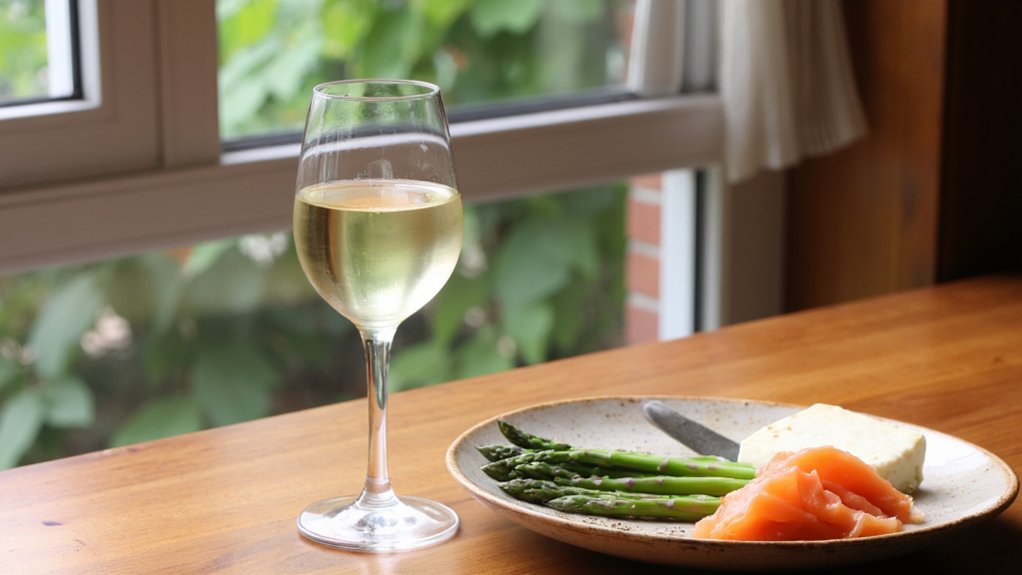
Ever wonder why Riesling gets so much love at the dinner table? It’s all about those amazing Riesling pairings and high-quality food compatibility. This wine dances with flavors, making your taste buds want to stand up and cheer. You’ll notice how versatile it is, whether you’re snacking or feasting. Check out these classic matches:
- Spicy Asian Cuisine – Riesling tames the heat and amps up the flavor. It’s like a fire extinguisher, but tastier.
- Roast Pork – The crisp acidity cuts through richness, making each bite sing.
- Seafood (especially shellfish) – It’s practically a beach party, right in your mouth.
- Soft Cheeses – Creamy, funky, or mild, cheese loves hanging out with Riesling.
Try these combos and thank yourself later!
Napoleon’s Troops Loved Riesling
Imagine this: thousands of Napoleon’s soldiers marching across Europe, and what’s tucked into their rucksacks? Not just hardtack or cheese—Riesling! Turns out, Napoleon’s admiration for this crisp white wine wasn’t just some royal quirk. He loved it, and his troops’ preferences quickly followed suit. You might picture them clanking swords, but honestly, they probably argued more about who got the last drop of Riesling at camp.
There’s something about Riesling’s fresh flavors—fruity, floral, a touch of sweetness—that made it perfect for weary soldiers. It’s easy to see why it became a battlefield favorite. After all, who wouldn’t want a sip of sunshine after a long day of marching? Even Napoleon himself would raise a glass. Cheers to history!
Does Riesling Wine Age Well?
Although Riesling might seem like a wine you’d just crack open for a quick, easy sip, there’s a whole world waiting if you let it sit and age. Seriously, don’t underestimate its aging potential. Some Rieslings improve for decades, developing flavors that’ll make your taste buds do a happy dance—think honey, petrol (oddly delicious, trust me), and dried apricot. You just need a bit of patience and the right wine storage conditions. Keep your bottles lying down, away from sunlight, and somewhere cool. That’s not just fancy wine talk; it actually matters. Good storage helps Riesling evolve from fresh and zippy to rich and complex. So next time you’re tempted to pop that cork early, maybe let it nap a little longer!
Riesling Wine Serving Tips

When it comes to serving Riesling, you’ve got more options than a diner at a breakfast buffet. Let’s make sure your wine sings, not snoozes. The right Riesling temperature and Riesling glassware can turn a simple pour into a party for your tastebuds. Here’s how to nail it every time:
- Chill it right: Serve Riesling between 45–50°F (7–10°C). Too cold? Flavors hide. Too warm? It’s a sugar rush.
- Pick good glassware: Go for tulip-shaped white wine glasses. They focus those lovely aromas straight to your nose.
- Open with confidence: Twist that cork or unscrew the cap, and let the wine breathe for a few minutes.
- Pair with snacks: Riesling loves spicy food, cheese, and fruit. Your snacks will thank you.
Similar Wines to Riesling Wine
If you’ve fallen for the charm of Riesling, you’re probably wondering what else out there can tickle your taste buds in a similar way. You’re in luck—there’s a whole world of aromatic whites just waiting for you. Ever tried Gewürztraminer? It’s a little spicier, a bit like Riesling’s wild cousin who shows up at family gatherings and tells the best stories. Or maybe you’ll like Moscato, which is sweet, floral, and pretty much dessert in a glass. Chenin Blanc brings a nice zing, brightening your palate with zesty fruit and a playful attitude. And don’t forget Grüner Veltliner, Austria’s answer to lively, food-friendly wines. These Riesling alternatives are perfect when you want something familiar, yet just different enough to keep things interesting!
Frequently Asked Questions
Is Riesling Typically Sweet or Dry?
When you try Riesling, you’ll notice it comes in both sweet styles and dry varieties. You can’t assume all Rieslings are sweet—many winemakers craft crisp, dry versions, so check the label or ask before choosing.
Where Is Riesling Grown Outside Germany?
You’ll find Riesling regions outside Germany in places like Austria, France’s Alsace, Australia’s Clare and Eden Valleys, and the United States, especially Washington and New York. Each region produces unique Riesling varieties with distinct characteristics.
What Is the Ideal Glassware for Riesling?
When you choose Riesling glassware, select a narrow, tulip-shaped wine glass. You’ll focus the delicate aromas, enhance wine tasting, and preserve acidity. Don’t use large glasses, as they diffuse the bouquet and reduce flavor intensity.
How Many Calories Are in a Glass of Riesling?
When you check the caloric content in a glass of Riesling, consider the serving size—typically five ounces. You’ll generally consume about 120 to 130 calories per serving, but sweeter Rieslings can bump that number up slightly.
Can Riesling Be Used in Cooking?
You can definitely use Riesling in cooking. Its bright acidity and sweetness enhance many Riesling recipes, like sauces, seafood, or chicken. Explore Riesling pairings to complement dishes, balancing flavors while adding depth and complexity to your meals.