So, you think you know Merlot? It’s that smooth, crowd-pleasing red you’ve probably seen at every dinner party, right? There’s way more to it than just being “the soft one.” From juicy plums to whispers of chocolate, Merlot’s got tricks up its sleeve that might surprise you—and don’t even get me started on what a certain Hollywood movie did to its rep. Curious yet? Good, because the story’s just getting interesting…
Key Takeaways
- Merlot is a popular red wine grape known for its smooth, soft tannins and plush plum and cherry flavors.
- Originating from Bordeaux, France, Merlot thrives in cool climates and is valued for its early ripening and gentle profile.
- The wine ranges in style from light and fruity to rich and chocolaty, making it approachable for many wine drinkers.
- Merlot is versatile, pairing well with hearty dishes, cheeses, and is enjoyed both at casual gatherings and special occasions.
- Popular Merlot wines are available across all price ranges, from affordable everyday bottles to prestigious collectible labels.
Merlot’s Signature Softness Explained
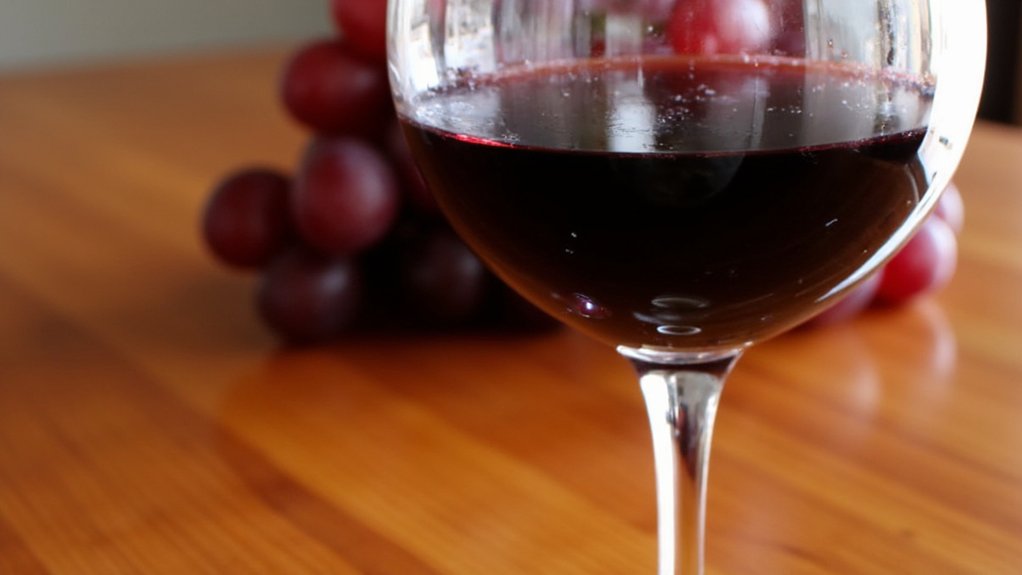
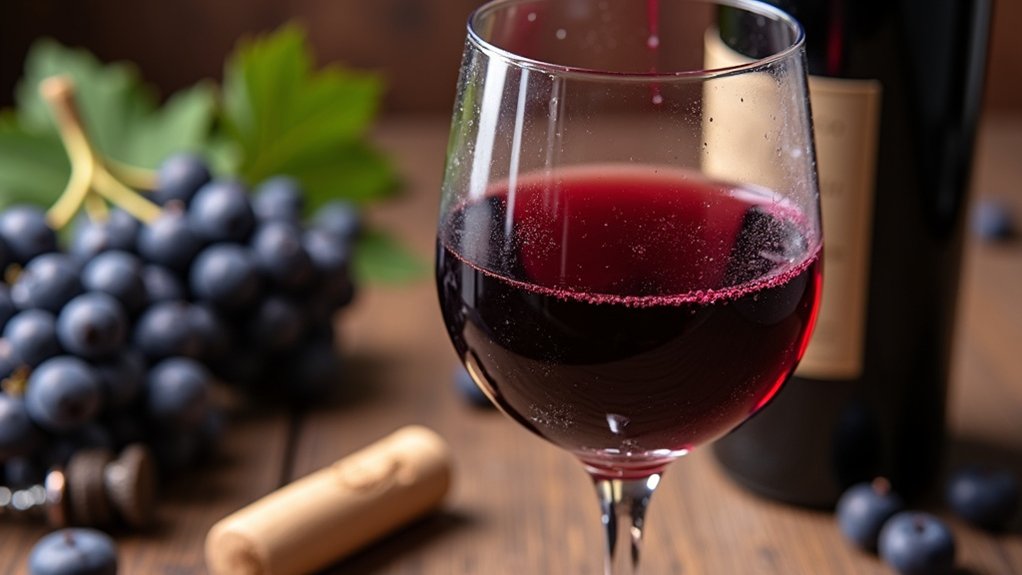
Even if you’ve only sipped Merlot once, you’ve probably noticed its famously soft, smooth character. That’s no accident—Merlot characteristics are all about plushness. When you take a sip, you’ll find gentle tannins, juicy plum and cherry flavors, and a texture so velvety you might think you’re drinking wine wrapped in a silk scarf. It’s like the cozy blanket of red wines.
Merlot styles range from light and fruity to rich and chocolaty, but that signature softness always shines through. Whether you’re picking up a bottle from California or Chile, Merlot rarely bullies your taste buds. Instead, it charms them—like the friend who brings brownies to every party. If you’re after a smooth ride, Merlot’s got your back.
Bordeaux Roots: Merlot’s Beginnings
If you’ve ever wondered where Merlot got its start, you’ll want to look toward the rolling hills and misty mornings of Bordeaux, France. Picture yourself wandering through Bordeaux vineyards, breathing in that fresh, earthy air. This is where Merlot cultivation truly found its groove. Local winemakers recognized early on that Merlot’s mellow personality worked wonders with their soils and climate. They didn’t just stumble on greatness—they crafted it, one vine at a time. Bordeaux’s magic isn’t just in the landscape; it’s in the people who nurture each grape, coaxing out flavors that made Merlot a star. So next time you swirl a glass, remember you’re sipping a little French history. And hey, who wouldn’t want to do that?
Thin-Skinned Red Grape Origins
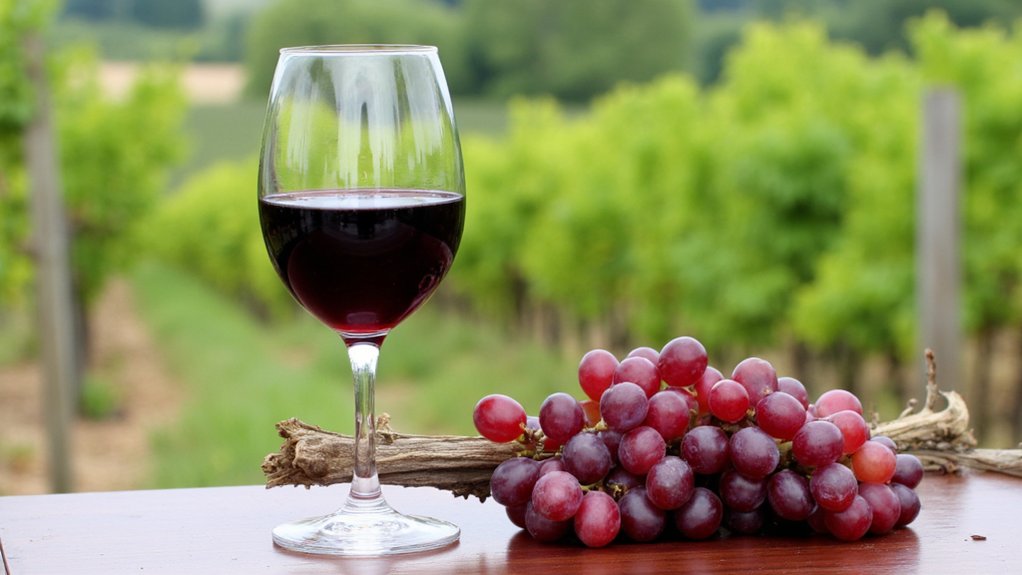
Now that you’ve got a taste of Merlot’s Bordeaux beginnings, let’s get up close and personal with the grape itself. You might be surprised to learn that Merlot grapes are thin-skinned and a bit sensitive—think of them as the divas of the vineyard. These grapes ripen early, making Merlot cultivation less risky in cooler climates. That’s one reason growers love them, even if they do need a little extra TLC. The thin skins give Merlot characteristics that set it apart: the wines are softer, less tannic, and super approachable. You won’t find big, bold structure here; instead, Merlot brings a gentle touch. It’s like the friend who always knows what to say at parties. Even grapes can have charm!
Plush Plum and Chocolate Notes
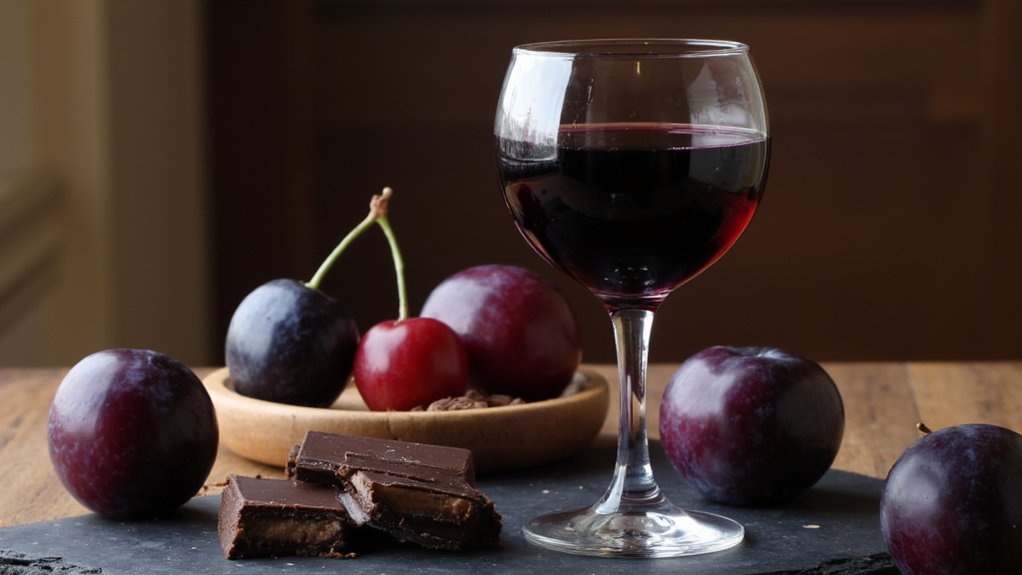
Plums. That’s the first thing you’ll probably taste when you sip a glass of Merlot. The plum flavors are front and center, juicy and plush, like biting into the ripest fruit at the farmer’s market. But wait, there’s more—your taste buds get a treat as velvety chocolate notes sneak in, adding a smooth, almost decadent twist. It’s like dessert and wine had a delicious, grape-fueled baby. You’ll notice how these flavors play together, creating a rich and satisfying sip that keeps you coming back for more. There’s a reason people love Merlot’s charm. It’s approachable, never too sharp, with enough flavor to make your mouth do a happy dance. Seriously, who knew wine could be this fun?
Famous Merlot Wine Brands
Although Merlot has fans all around the world, not all bottles are created equal—some brands have reached superstar status, and for good reason. You’ll find that certain names always pop up when people talk about the very best Merlot varieties. These iconic wines hail from legendary Merlot regions like Bordeaux, Napa Valley, and beyond. If you want to taste what all the fuss is about, check out these famous brands that make Merlot lovers swoon:
- Château Pétrus (the Beyoncé of Merlot, honestly)
- Duckhorn Vineyards (California’s silky-smooth superstar)
- Château Cheval Blanc (part magician, part legend)
- Stags’ Leap Winery (Napa’s velvety crowd-pleaser)
- Tenuta dell’Ornellaia (Italy’s Merlot marvel—bellissimo!)
Grab a bottle from one of these stars, and you’ll see why Merlot’s reputation is so well-deserved!
Popular Merlot Choices For Any Budget
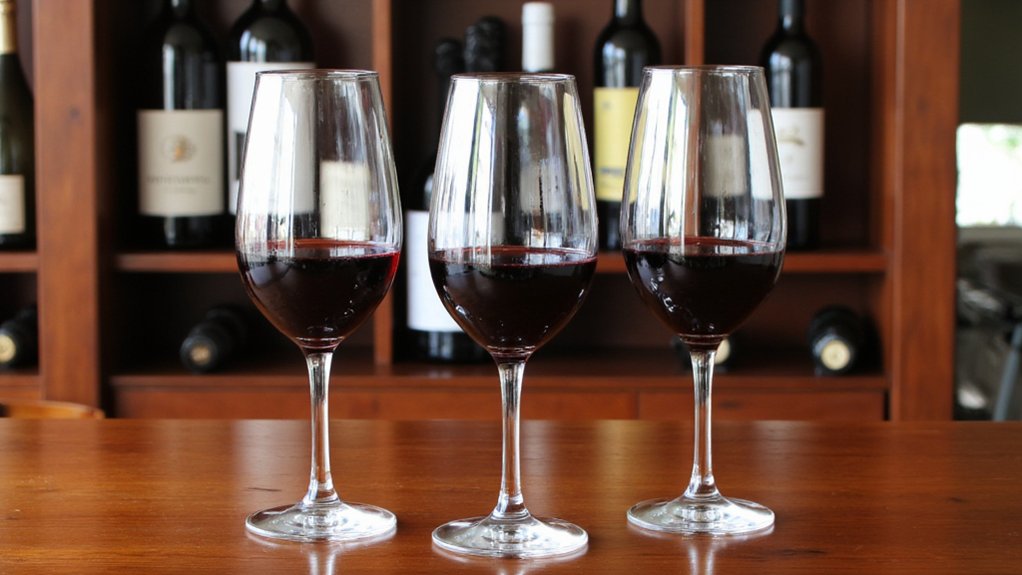
You don’t need a trust fund to enjoy a good glass of Merlot. Whether you’re hunting for a wallet-friendly bottle under $20, eyeing something a bit fancier in the $20-$100 range, or feeling flush and ready to splurge on a high-end showstopper, there’s a Merlot out there with your name on it. Let’s check out some tasty picks for every budget—because your taste buds deserve a party, no matter what your bank account says!
Bargain Merlot Wines Under $20
- Bogle Merlot (California) – ripe plum, vanilla, smooth, easy-drinking, versatile.
- Columbia Crest Grand Estates Merlot (Washington) – cherry, chocolate, medium-bodied, balanced, approachable.
- Chateau Ste. Michelle Merlot (Washington) – blackberry, mocha, soft tannins, classic, crowd-pleaser.
- Blackstone Merlot (California) – jammy fruit, spice, mellow, everyday wine.
- Barefoot Merlot (California) – plum, raspberry, light, budget-friendly, popular.
Mid-Range Merlot Wines Between $20-$100
- Duckhorn Vineyards Merlot (California) – plum, cherry, elegant, silky, balanced, Napa classic.
- Chateau Bonalgue (Bordeaux) – rich, dark fruit, earthy, supple tannins, Right Bank.
- Markham Merlot (California) – juicy, blackberry, vanilla, smooth, approachable, reliable.
- Trefethen Merlot (California) – vibrant, raspberry, balanced, structured, refined finish.
- St. Francis Merlot (California) – bold, chocolate, cherry, full-bodied, Sonoma favorite.
High-End Merlot Wines Above $100
- Château Pétrus (Bordeaux) – legendary, opulent, complex, velvety, rare, collectible.
- Masseto (Tuscany) – powerful, intense, dark fruit, lush, Italian icon.
- Duckhorn Three Palms (California) – structured, elegant, layered, rich, Napa benchmark.
- Le Pin (Bordeaux) – exotic, plush, silky, concentrated, exclusive.
- La Mondotte (Bordeaux) – dense, floral, mineral, refined, sought-after.
Classic Merlot Wine Food Pairings

Even if you’re just starting to explore the world of wine, you’ll quickly discover that Merlot is a real team player when it comes to food pairings. This isn’t one of those wines you have to tiptoe around. Nope! Merlot’s juicy fruitiness and gentle tannins make it a superstar with classic pairings. Let’s talk pairing suggestions that’ll make your next meal sing. Picture yourself at the table, glass in hand, ready for a flavor adventure.
- Grilled steak, sizzling and smoky, practically begs for Merlot’s company
- Roasted chicken, with crispy skin, gets even better with a fruity sip
- Creamy mushroom risotto and Merlot? Oh yes, pure comfort
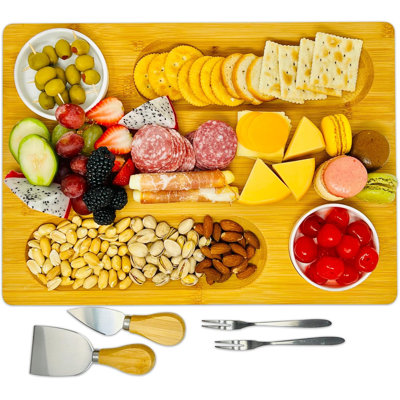
- Soft cheeses like Brie, melting right into every juicy sip
- Tomato-based pasta, rich and tangy, absolutely loves Merlot
Sideways Movie’s Merlot Impact
You’ve got your Merlot poured, your favorite dish in front of you, and maybe you’re feeling like a wine expert already. But wait—have you heard about the Sideways effect? This quirky movie from 2004 did a number on Merlot’s reputation. One character’s not-so-nice rant about Merlot sent shockwaves through the wine world, making people question if Merlot was even cool anymore. Suddenly, folks swapped Merlot for Pinot Noir, thinking they’d revealed some hidden wine wisdom. But honestly, most Merlot misconceptions started there! You might laugh, but it’s true—a single movie scene made people skip Merlot for years. Don’t let Hollywood fool you. Merlot’s still fantastic, smooth, and so easy to enjoy. Give it another try—you won’t regret it!
Does Merlot Wine Age Well?
So, can Merlot really stand the test of time in your wine rack, or is it more of a drink-it-now kind of bottle? Here’s the scoop: Merlot aging depends a lot on the Merlot characteristics in your glass. Most Merlot wines are made to be enjoyed young, showing off their soft tannins and juicy fruit flavors right away. But don’t count it out for aging just yet! Some Merlots, especially those from top regions or with a bit more structure, can age beautifully for five to ten years, sometimes longer if they’re feeling fancy. Think of it as the difference between a sprinter and a marathon runner—both are great, but only one’s built for the long haul. Choose wisely!
Merlot Wine Serving Tips

Three simple tweaks can turn your next Merlot night from “meh” to magical. First, let’s talk temperature serving—don’t just pull it off the shelf and pour. Merlot loves a little chill, about 60–65°F. Too warm, and it’s flabby. Too cold, and the flavors hide like shy kittens. Next up, glassware selection. Go for a large, round glass so those rich aromas can swirl and dance. Now, let’s make your Merlot moments special:
- Pour with confidence, not hesitation—show your wine who’s boss.
- Let it breathe for 20 minutes. It needs its beauty sleep.
- Pair with cozy lighting. Ambience is everything.
- Invite laughter. Wine is best with friends.
- Savor every sip, don’t rush—life’s too short for that!
Similar Wines to Merlot Wine
If you love Merlot but feel like mixing things up, you’re in for a treat—there’s a whole world of wines out there with similar vibes just waiting for your glass. You might want to try Cabernet Franc or Malbec, both of which share those juicy Merlot characteristics: soft tannins, lush fruit flavors, and a crowd-pleasing charm. Pinot Noir can surprise you too, offering a lighter body but still rocking that smooth, easy-going style. And don’t forget about Merlot blends—these wines mix Merlot with grapes like Cabernet Sauvignon or Syrah, dialing up complexity while keeping things mellow. Basically, if Merlot is your jam, you’ve got a lineup of cousins at the party, all ready to keep your taste buds entertained.
Frequently Asked Questions
Is Merlot Typically Produced as a Single Varietal or in Blends?
When you explore Merlot, you’ll find both Merlot varietals and Merlot blends. Many wineries craft single-varietal Merlot, but it’s also widely blended—especially with Cabernet Sauvignon—to balance flavors and enhance complexity in the finished wine.
What Is the Ideal Climate for Growing Merlot Grapes?
You want Merlot grapes to thrive, so choose a moderate climate—think warm days, cool nights. The ideal soil is well-drained clay or limestone, which encourages proper grape maturation and helps develop those signature smooth tannins and rich flavors.
Are There Organic or Biodynamic Merlot Wines Available?
You’ll find plenty of Merlot wines crafted with organic practices and biodynamic methods. Many vineyards embrace these sustainable approaches, so you can enjoy Merlot that’s produced without synthetic chemicals and with respect for environmental harmony.
How Does Merlot Compare to Cabernet Sauvignon in Tannin Levels?
When you compare Merlot to Cabernet Sauvignon, you’ll notice Merlot’s tannin structure is softer and smoother. Cabernet Sauvignon delivers a firmer tannin structure and a bolder flavor profile, while Merlot tends to feel rounder and more approachable.
Can Merlot Grapes Be Used to Make Rosé or Sparkling Wines?
You can take advantage of Merlot versatility by using its grapes for Rosé production or even sparkling wines. Although Merlot’s more famous as a red, it’s perfectly suitable for crafting invigorating Rosé or unique sparkling styles.