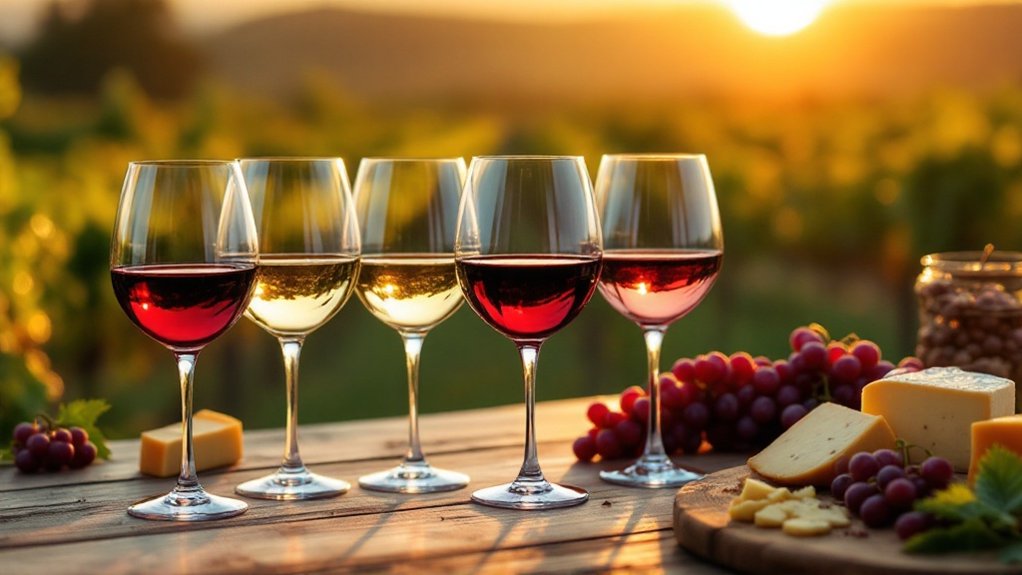
The Five S’s of wine tasting will transform you from casual drinker to connoisseur! Start by Seeing the wine’s color and clarity, then Swirl to release aromas and assess body. Next, Smell those fruity, floral, and earthy notes before you Sip, letting the wine dance across your tongue. Finally, Savor the finish and overall experience. Don’t worry about finding “correct” flavors—your personal connection to the wine matters most. The journey awaits!
Key Takeaways
- The five S’s of wine tasting are See, Swirl, Smell, Sip, and Savor, forming a systematic approach to evaluation.
- See involves assessing color intensity, clarity, and “legs” to gauge age, quality, and alcohol content.
- Swirling releases aromas, exposes wine to oxygen, and reveals body characteristics through movement patterns.
- Smell detects aromatic profiles including fruit, floral, earthy, and spice notes through short, focused sniffs.
- Sip and Savor focus on tasting technique, mouthfeel assessment, flavor identification, and finish evaluation.


See: Appreciating Wine’s Visual Appeal
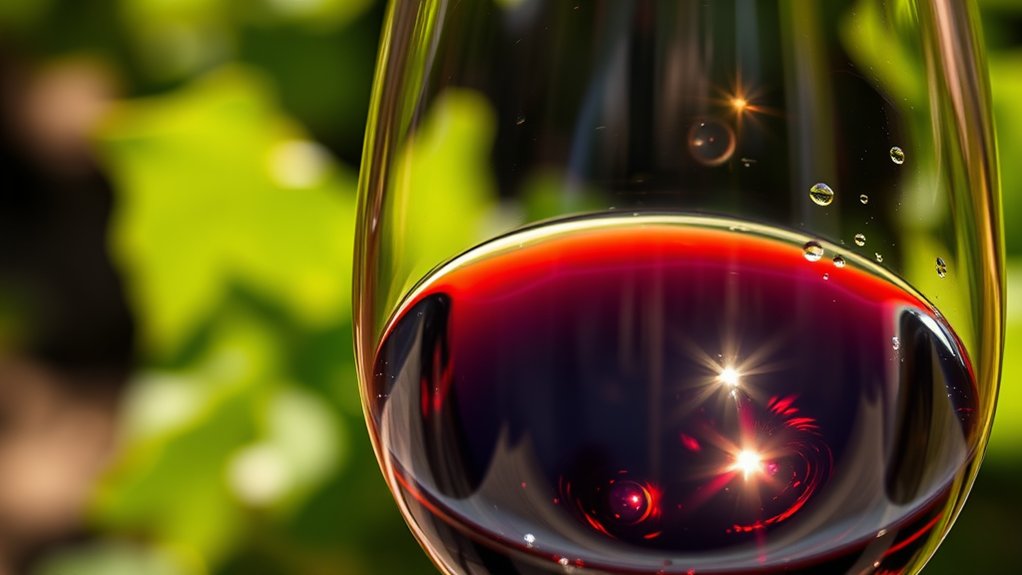
The art of wine appreciation begins with your eyes, long before the liquid ever touches your lips. Tilt your glass against a white background—a napkin works perfectly—and observe the wine’s color intensity, which reveals its age and character. Notice how younger reds appear vibrant purple, while older ones shift to brick or amber tones!
Next, perform a clarity assessment by holding your glass up to the light. You’re looking for brilliance and transparency, as cloudy wine might indicate problems (unless it’s unfiltered, which is totally fine). Don’t worry if you can’t identify every nuance yet—wine tasting’s supposed to be fun, not a test!
Those gorgeous “legs” or “tears” streaming down the glass? They’re telling you about the alcohol content and body, so pay attention to these visual clues.
Swirl: Releasing Aromas and Evaluating Body

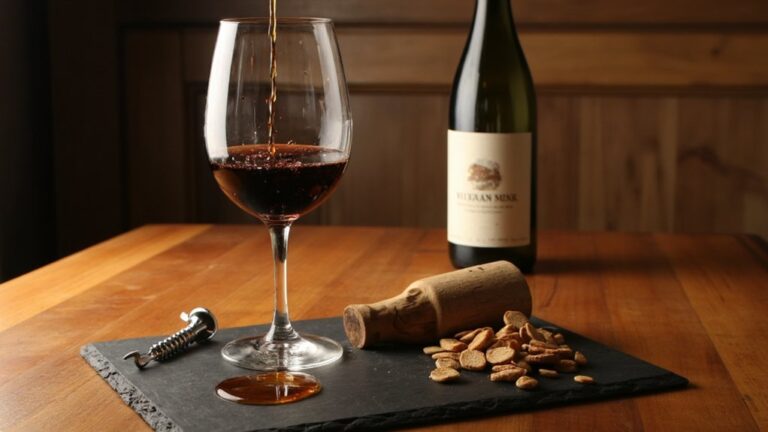
This isn’t just for show, my friends! Swirling serves two essential purposes: aroma release and body evaluation. The action exposes wine to oxygen, releasing a bouquet of scents that were previously locked inside. It’s like giving your wine permission to breathe and tell its story!
The way wine moves also reveals its body—is it light and nimble, or rich and viscous? Heavier wines tend to move more slowly, clinging to the glass with determination.
Smell: Identifying Aromatic Profiles
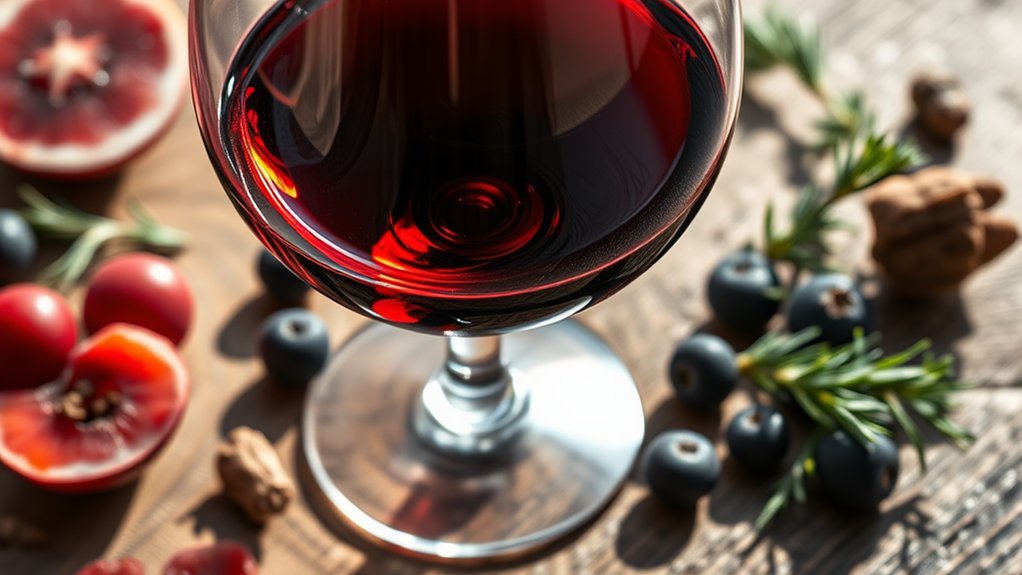
Once you’ve given your wine a proper swirl, it’s time to dive nose-first into what many consider the most revealing aspect of wine tasting! Hold the glass about an inch from your nose and take several short sniffs, rather than one deep inhale. The aromatic profile will tell you incredible things about the wine’s character and quality.
| Aroma Family | Common Examples | Wine Types | Detection Tip |
|---|---|---|---|
| Fruity aromas | Berries, citrus | Pinot Noir, Sauvignon Blanc | Detected first, most accessible |
| Floral | Roses, violets | Gewürztraminer, Viognier | Subtle, need concentration |
| Earthy notes | Mushroom, wet leaves | Burgundy, Barolo | Emerges gradually, be patient |
| Spice/Wood | Vanilla, cinnamon | Cabernet, Chardonnay | Often from barrel aging |
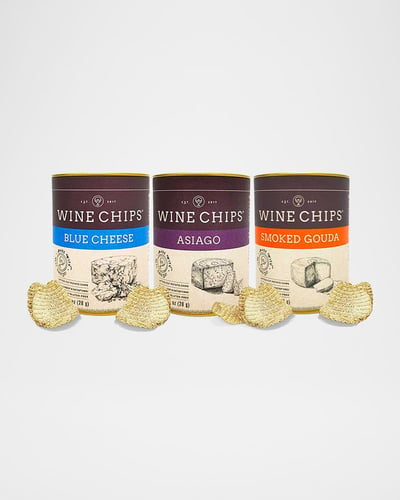
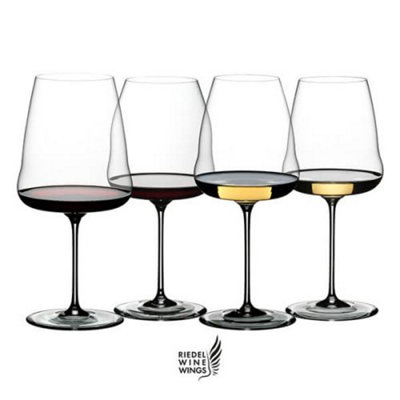
Sip: Tasting Techniques and Flavor Assessment

Now comes the moment you’ve been waiting for—actually tasting the wine! Take a small sip, but don’t swallow right away. Instead, let it dance across your tongue while drawing in a bit of air through your lips—yes, it’ll make a slightly embarassing slurping sound, but trust me, everyone does it! This aerates the wine and helps release its complete flavor profiles.
Pay attention to how the wine feels in your mouth. Is it light and crisp or rich and velvety? Notice the different flavors that emerge as you hold the wine—fruity, earthy, spicy? Making mental tasting notes helps you remeber what you enjoy. Don’t worry about finding the “correct” flavors; your personal experience is what matters most when enjoying a glass of your favorite vino!
Savor: Evaluating the Finish and Overall Experience

After you’ve appreciated the flavors dancing across your palate, it’s time to focus on the wine’s finish—that lingering sensation after you’ve swallowed. Did it disappear quickly or stick around like that friend who doesn’t get your hints to leave? A quality wine’s finish evaluation should consider both length and character.
When judging your overall experience, ask yourself: Would I buy this again? Did it deliver what the label promised? Take a moment to connect with your feelings about the wine, not just its technical merits. Maybe it wasn’t technically perfect, but it made you smile—that counts for something!
Frequently Asked Questions
How Do Taste Preferences Evolve With Experience?
As you taste more, your sensory perception evolves to recognize greater flavor complexity. You’ll start appreciating subtleties you’d previously missed, with your palate becoming increasingly sensitive and discerning over time.
Can Medications Affect Wine Tasting Ability?
Ah, you’ve noticed your precious Bordeaux tastes like cough syrup? Yes, your medications can dramatically alter sensory perception. Many drug interactions dull your palate, making that $100 bottle tragically wasted on your compromised taste buds.

How Do You Recover From Palate Fatigue?
To recover from palate fatigue, you’ll need proper palate cleansing techniques. Sip water, eat plain crackers, or try flavor resetting methods like smelling coffee beans between tastings. Rest helps too.
What Causes Wine Headaches Besides Sulfites?
Wine headaches can hit you like a FREIGHT TRAIN! They’re often caused by histamine reactions your body releases with certain wines. Dehydration effects are also culprits, as alcohol makes you’ve lost precious water.
How Does Wine Glass Shape Impact the Tasting Experience?
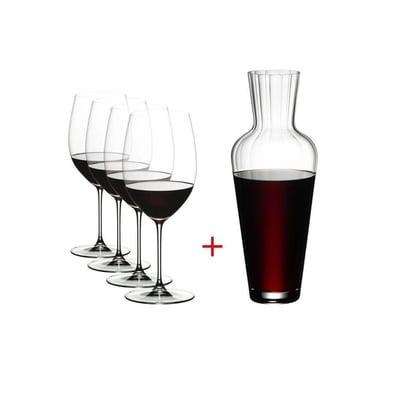
Different glass designs affect how you experience wine. Tall, narrow glasses capture aromas better, while wider bowls enhance oxidation. You’ll notice distinct flavors depending on where wine hits your palate.