You don’t need to be a pro to have coffee and wine dancing together on your taste buds—you just need curiosity (and maybe a notebook for those oops moments). Try swirling bold coffee with hearty breakfasts or sipping zingy white wine with croissants, and don’t forget to laugh when pairings get weird! Grab the right glass, serve at the right temp, and let your palate flirt with bold combos, sweet desserts, and savory surprises. Stick around, this party’s just getting started.
Key Takeaways
- Match coffee and wine based on complementary or contrasting flavor profiles, focusing on notes like fruit, spice, or chocolate.
- Use proper tasting tools (wine glasses, good mugs) and keep beverages at ideal temperatures for best flavor expression.
- Pair light roasts with pastries or fruit, and dark roasts with savory breakfast foods to enhance both coffee and food flavors.
- Document your tasting experiences and experiment with unusual pairings to discover personal favorites and learn from mistakes.
- Keep tastings relaxed and fun, inviting friends or trying solo, and prioritize exploration over perfection.

Understanding Flavor Profiles: Coffee vs. Wine

Even though coffee and wine might seem like they come from totally different worlds—one wakes you up, the other winds you down—they actually have a lot more in common than you’d think. Both are all about flavor complexity and aroma profiles. When you swirl a glass of wine, you’re sniffing for hints of cherry, spice, maybe even a little barnyard if you’re feeling adventurous. With coffee, you’re hunting for notes like chocolate, citrus, or even blueberry—yes, really, blueberry. You’ll find some coffees are bright and zippy, just like a crisp white wine, while others are bold and deep, calling to mind a rich cabernet. So, next time you sip, don’t just drink—take a moment to smell, taste, and explore! The contrast of flavors is what makes both coffee and wine pairings unique and enjoyable experiences.
Essential Tools for Tasting at Home

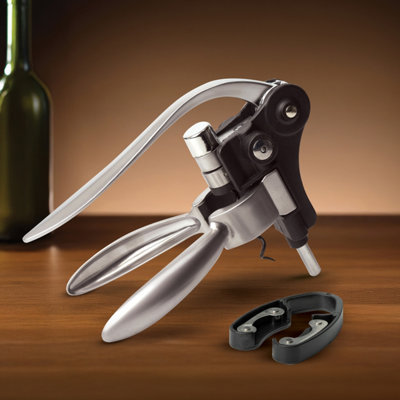
If you’re ready to host your own coffee and wine tasting at home, you don’t need a fancy lab or a monocle—just a few simple tools and a sense of adventure. Grab a couple of good mugs for your coffee brewing, and some wine glasses that let you swirl and sniff like a pro (or at least look like one). A kettle is key for coffee, and a reliable corkscrew is a must for wine. Don’t forget about proper wine storage—a cool, dark spot works just fine, unless you’re secretly building a wine cellar in your basement. Keep some water on hand to cleanse your palate. Most important? Bring an open mind, a notebook for notes, and a big grin. Taste, laugh, repeat! Pairing your desserts with the right wine, such as sweet dessert wines, can elevate the overall tasting experience.
Pairing Coffee With Breakfast Foods

While you might think breakfast is all about the food, the real magic happens when you bring coffee into the mix. Let’s be honest—nobody dreams of dry toast and a glass of water. It’s the right cup that lifts your morning. The trick? Match your coffee brewing style to your breakfast ingredients. Got buttery croissants or pancakes? Go for a light roast with a pour-over method, and you’ll taste hints of citrus dancing with the sweetness. If eggs and bacon are your jam, a French press with a bold, dark roast brings out those savory notes. Oatmeal or fruit bowls? Try a medium roast brewed in a drip machine. Experiment with combos, laugh at your flops, and celebrate those “aha!” pairings. Breakfast just leveled up. Remember, just like with wine pairings for turkey dinner, the right brew can enhance the flavors of your meal and elevate the overall experience.


Matching Wines With Savory Dishes

Once you step into the world of pairing wines with savory dishes, you’ll wonder why you ever settled for “red goes with meat, white goes with chicken.” Forget the old rules. Let’s play with flavor. Just like coffee bean varieties—from robusta to arabica—bring unique tastes, wine grape types deliver endless possibilities. Try a zippy Sauvignon Blanc with herby chicken or a peppery Syrah with barbecue ribs. You don’t have to match flavors perfectly; sometimes opposites attract, like a bold Cabernet meeting a salty blue cheese. Feeling adventurous? Pair a smoky Malbec with spicy tacos, and you’ll get fireworks in your mouth. Don’t stress. Experiment, laugh at your mistakes, and let your tastebuds dance. Wine and food should be fun, not homework! For dessert, consider pairing with a Port wine’s rich sweetness to elevate your chocolate creations.
Coffee and Wine With Desserts: Sweet Success
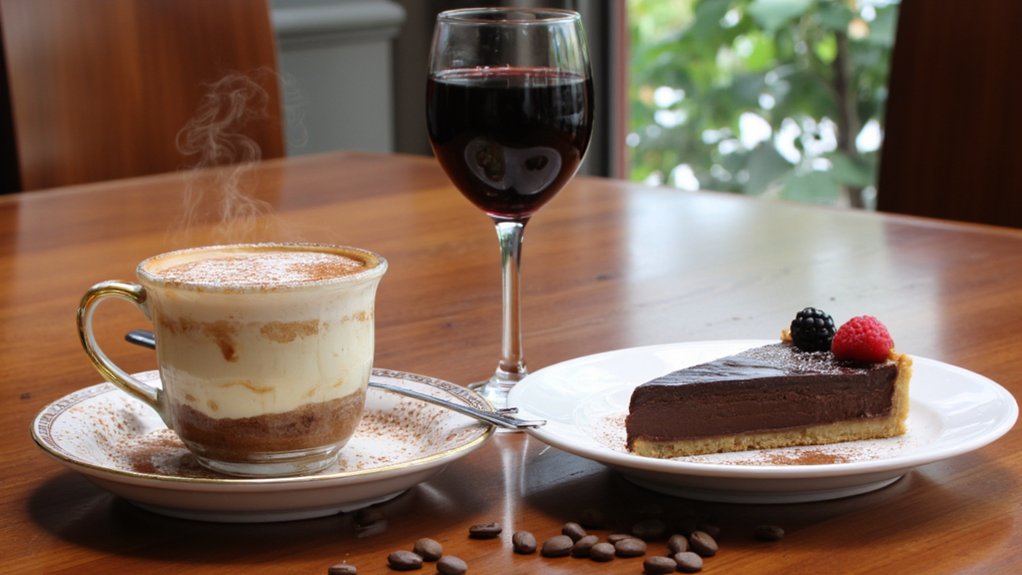
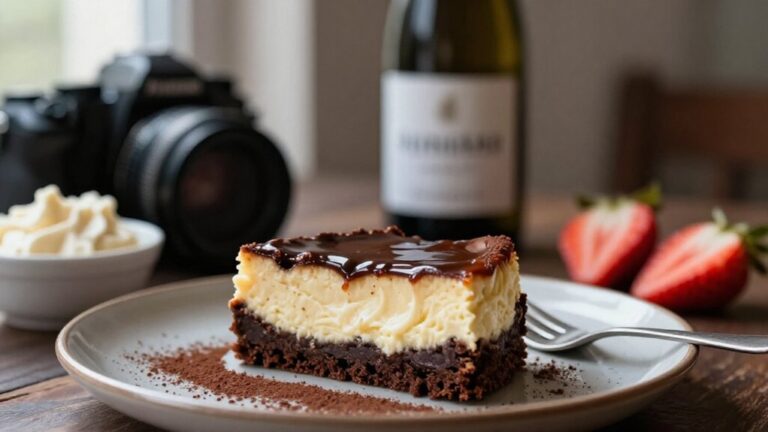
Because dessert is where the party really gets started, let’s talk about the magic that happens when you bring coffee and wine into the sweet zone. Imagine a warm brownie, a glass of port, and a cup of single origin brew—suddenly, you’re in flavor heaven. The trick is matching sweetness levels; your wine should be at least as sweet as your dessert, or it’ll taste sour. When it comes to coffee, try different brewing methods: French press brings out richer notes, while pour-over stays light and crisp. Pair a berry pie with Ethiopian single origin for a bright, juicy surprise, or go classic and dunk biscotti in espresso. Don’t be shy—experiment! Dessert’s all about fun, so play with your flavors. Keep in mind that pairing dessert wines with coffee can elevate the experience, as these wines are specifically designed to complement sweet dishes.
Common Pairing Mistakes to Avoid

Let’s be honest—pairing coffee and wine isn’t rocket science, but it’s easy to mess things up if you’re not careful. You don’t want flavors fighting in your mouth, acidity going haywire, or your drink tasting like it sat in a sauna all day. So let’s chat about the classic traps folks fall into, and how you can avoid a pairing disaster that’ll make your taste buds file a complaint. Remember, sweetness levels in both coffee and wine should be considered for optimal pairing.
Overpowering Flavor Combinations
Even if you’re feeling bold and ready to experiment, it’s surprisingly easy to stumble into the pitfall of overpowering flavor combinations when pairing coffee and wine. You know the drill: you grab your favorite dark roast and a robust red, thinking they’ll be best friends. But pow! Flavor clashes happen, and suddenly, your taste buds are in a wrestling match—no clear winner, just confusion. Taste clashes like these can leave you wondering if your mouth just signed up for a food fight.
Here’s a quick table of emotional reactions you might face:
| Overwhelmed | Disappointed |
|---|---|
| Frustrated | Perplexed |
| Regretful | Surprised |
| Annoyed | Deflated |
| Confused | Determined |
Pick wisely, or your tongue might call for backup!
Ignoring Acidity Balance
While you might think acidity is just a fancy word sommeliers and baristas toss around, it’s actually the secret handshake between coffee and wine. Ignore it, and your pairing can turn from delightful to disastrous faster than you can say “acidic aftertaste.” If you don’t balance acidity, you risk one drink totally hijacking the other, creating flavor dominance that’s about as fun as socks with sandals. Here’s how ignoring acidity balance can trip you up:
- Pairing two super acidic drinks? You’ll pucker like you’ve eaten a lemon.
- Coffee too mellow with a zippy wine? The wine shouts, the coffee whispers.
- Too much acidity? That lingering acidic aftertaste will haunt you.
- Not enough? Both drinks fall flat, like a karaoke singer missing every note.


Neglecting Serving Temperatures
So you’ve nailed the acidity—your taste buds are singing, but suddenly something feels off. It’s not you, it’s the temperature! If you serve coffee piping hot with a chilled red wine, you’re basically throwing a dance party where no one knows the beat. Temperature control isn’t just a fancy term, it’s your secret weapon for perfect pairings. Follow serving suggestions: let your coffee cool just a bit, and don’t be afraid to let your wine breathe, or even chill slightly if the pairing calls for it. Forgetting this step can kill flavors faster than a power outage at a karaoke bar. Remember, when you get the temperature right, both coffee and wine show off their best moves. Don’t let them sit out of sync!
Creating Your Own Tasting Experience

If you’ve ever dreamed of becoming the master of your own coffee and wine universe, now’s your moment to shine. Forget stuffy rules—this is about fun, flavor, and a little bit of adventure. Grab a few single origin beans and a bottle with bold wine tannins. Invite a friend if you want, or just revel in your own company. Ready? Here’s how you can kick off your tasting journey:
- Brew two coffees: one light roast, one dark.
- Pour two wines: something red and tannic, something white and crisp.
- Taste each coffee with each wine. Take notes, but don’t get too serious.
- Laugh at your weirdest combo—sometimes the “disasters” are the most fun!
Let your palate lead. Experiment, laugh, repeat. Consider exploring traditional French wine pairings to elevate your tasting experience even further!
Frequently Asked Questions
How Should I Store Coffee and Wine to Preserve Their Flavors?
For ideal flavor preservation, follow these storage tips: keep coffee in an airtight container, away from light, heat, and moisture. Store wine on its side in a cool, dark place with consistent temperature. Don’t refrigerate opened reds.
Are There Health Benefits to Drinking Coffee and Wine Together?
You might wonder if combining coffee and wine offers antioxidant synergy. While both have antioxidants, drinking them together doesn’t necessarily boost benefits. Be mindful of health risk considerations, like increased heart rate or potential digestive issues from mixing them.
Can Coffee and Wine Be Mixed in a Single Cocktail?
Yes, you can mix coffee and wine in a single cocktail. You’ll find coffee infused wine cocktails, like the Espresso Martini with red wine or cold brew sangria. Experimenting lets you discover unique flavors and combinations.
What Are the Caffeine and Alcohol Content Differences?
You’ll notice caffeine levels in coffee are quite high, giving you a noticeable energy boost, while wine’s alcohol potency is moderate, leading to relaxation. Unlike coffee, wine doesn’t contain caffeine, so their effects on your body differ markedly.
Is Decaf Coffee Suitable for Pairing With Wines?
You’re wondering if decaf coffee’s suitable for pairing with wines. Absolutely! Decaf compatibility works well, since you won’t get extra caffeine. Focus on flavor harmony—choose decaf coffee with subtle notes to complement the wine’s unique characteristics.