You're about to discover the mouthwatering magic that happens when perfectly paired wines meet a well-crafted charcuterie board. Whether you're hosting an intimate gathering or simply treating yourself to an elevated snack experience, knowing which wines dance best with your favorite cured meats can transform a good spread into an unforgettable feast. From bold reds that embrace spicy salamis to crisp whites that kiss prosciutto, let's uncork the secrets to creating your perfect pairing adventure.
Key Takeaways
- Bold red wines like Cabernet and Syrah pair excellently with aged meats such as prosciutto and chorizo.
- Light white wines including Sauvignon Blanc and Pinot Grigio complement delicate charcuterie like mortadella.
- Match wine intensity with meat flavors: stronger-flavored cured meats need fuller-bodied wines.
- Bright, acidic wines cut through fatty meats, creating a balanced taste experience.
- Consider seasonal pairings: light wines with summer charcuterie, full-bodied reds with winter selections.
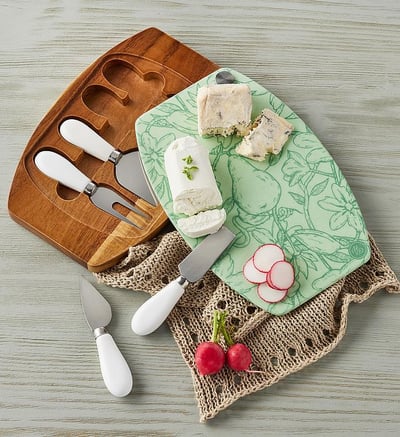
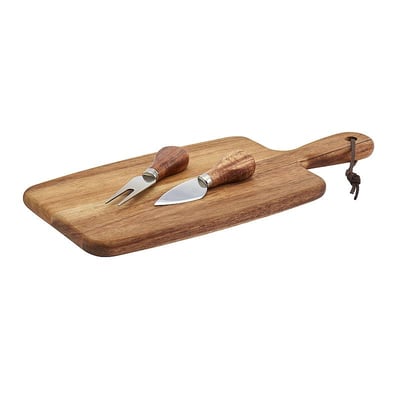
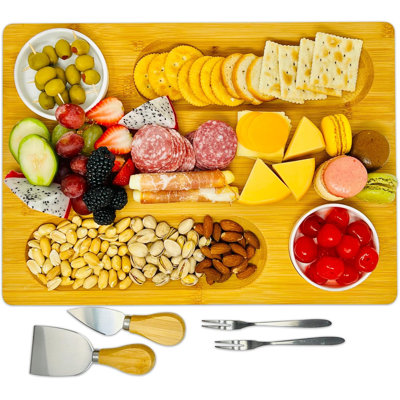
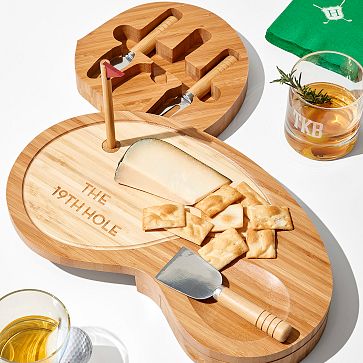
The Essential Elements of a Classic Charcuterie Board

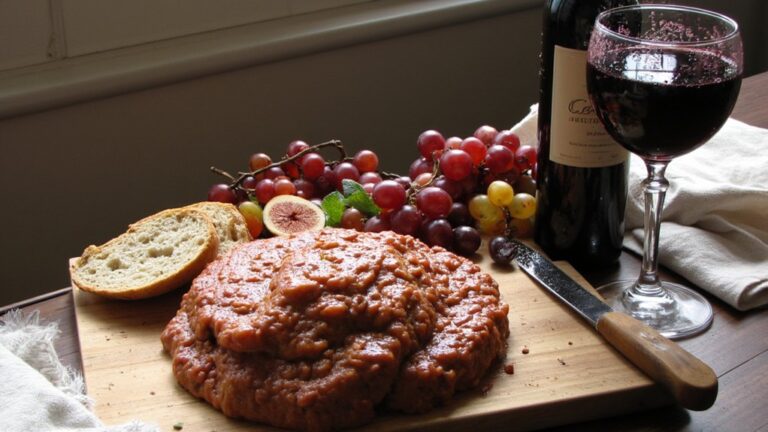
A masterfully crafted charcuterie board is like edible art, bringing together an array of cured meats, cheeses, and complementary ingredients that'll make your taste buds dance. You'll want to start with your meat varieties, like prosciutto, salami, and chorizo, strategically placed alongside a diverse cheese selection ranging from aged cheddar to creamy brie.
Your bread options should include crusty baguette slices and crispy crackers, creating perfect vehicles for those delicious bites. Don't forget the garnish choices – think colorful cornichons, honey drizzles, and fresh fruits – they're not just for looks! The key to a show-stopping board lies in the flavor contrasts and color coordination, while portion sizes should be bite-sized and serving styles casual yet elegant. Proper serving temperatures for both wine and charcuterie can further enhance the overall experience. Trust me, your guests will be fighting over the last piece of manchego!
Understanding Wine Flavor Profiles for Perfect Pairings
Wine's complex personality traits can make finding the perfect match feel like setting up your best friend on a blind date. When you're exploring wine acidity and tannin levels, you'll discover they're just as picky about their companions as your foodie friends are! To master pairing techniques, you'll want to understand how flavor intensity works – it's like a dance where neither partner should step on the other's toes. Regional varieties bring their own aroma profiles to the party, from bold Cabernets to flirty Pinot Noirs. The key to palate balance is matching the wine's character with your charcuterie's personality traits. Think of food compatibility like a matchmaking game: bright, acidic wines cut through fatty meats, while robust reds embrace intense flavors. Once you understand these basics, you'll be playing culinary cupid like a pro! Additionally, knowing which wine and cheese pairings work well together can elevate your charcuterie experience.
Matching Bold Red Wines With Aged Meats

Bold red wines and aged meats create an irresistible power couple that'll have your taste buds swooning. When you're planning your charcuterie board, understanding the tannin balance in your wine selection is essential for highlighting those deep savory notes in aged meats.
| Wine Type | Regional Meats |
|---|---|
| Cabernet | Aged Prosciutto |
| Syrah | Spanish Chorizo |
| Malbec | Bresaola |
| Tempranillo | Serrano Ham |
| Barolo | Coppa |
You'll want to match wine intensity with your charcuterie styles – the longer the aging process, the bolder your wine should be. Think of it like a dance: your bold flavor profiles need partners with equal confidence! When you pair an intensely aged meat with a wine that's got some muscle to it, you're in for a flavor party that's nothing short of magical. Additionally, the tannins in red wine bind with meat proteins, enhancing the overall taste experience.

Light and Fresh: White Wine Charcuterie Combinations
While bold reds command attention with aged meats, lighter fare deserves its moment in the spotlight. You'll find that crisp whites, especially those with herbaceous notes, create magic when paired with delicate charcuterie options.
Try matching a zesty Sauvignon Blanc with prosciutto – the wine's bright acidity cuts through the meat's saltiness like a charm. For something fun, pair a citrusy Pinot Grigio with mortadella; you'll be amazed how the wine's subtle sweetness complements the meat's subtle spices. And don't overlook the classic combination of Chablis with chicken liver pâté – it's a match made in culinary heaven! Additionally, exploring light-bodied reds can add variety to your charcuterie experience, enhancing the overall flavor profile.
Sparkling Wine and Delicate Cured Meats

Sparkling wines bring an effervescent charm to delicate cured meats, creating a sophisticated yet playful dance of flavors on your palate. You'll love how the bubbles cut through the richness of prosciutto, while complementing the subtle notes of Spanish jamón and delicate coppa.
| Sparkling Wine | Cured Meat | Flavor Magic |
|---|---|---|
| Prosecco | Prosciutto | Light & Airy |
| Champagne | Jamón | Elegant & Nutty |
| Cava | Coppa | Bright & Spicy |
| Crémant | Mortadella | Creamy & Fresh |
When you're planning your next gathering, remember that lighter cured meats are your best friends with sparkling wines. The wine's acidity and effervescence work like tiny flavor ninjas, cleansing your palate between bites and making each taste feel like the first. It's like having a party in your mouth – minus the confetti!
Regional Wine and Charcuterie Traditions
Throughout history's delicious journey, every region has perfected its own magical marriage of local wines and cured meats. You'll find the French tradition of pairing bold Bordeaux with rustic pâtés, while Spanish tapas culture celebrates jamón ibérico alongside crisp Albariño. In Italy, you can't go wrong with antipasti platters featuring prosciutto and Chianti, and German wurst practically begs for a robust Riesling.
The Mediterranean mezze approach brings a delightful twist, matching light rosés with spiced cured meats, while American BBQ regions have carved their own niche by pairing smoked meats with local wines. You're in for a treat as you explore these time-tested combinations that'll make your taste buds dance – each region's unique pairing wisdom is like a love letter to gastronomy! Additionally, understanding Brie's texture and flavor is essential for creating harmonious pairings with charcuterie.
Seasonal Approaches to Wine and Meat Pairings

Seasons shape the perfect wine and charcuterie experience, bringing fresh possibilities to your board as the weather changes. You'll find that embracing seasonal ingredients can transform your pairings from good to spectacular, while flavor enhancements shift with nature's rhythm.
| Season | Wine Picks | Charcuterie Choices |
|---|---|---|
| Summer | Rosé, Sauvignon Blanc | Prosciutto, Light Salami |
| Fall | Pinot Noir, Chianti | Aged Ham, Wild Boar |
| Winter | Cabernet, Syrah | Smoked Duck, Pâté |
When winter calls for hearty reds, you'll want rich pâtés and smoky meats to match those bold flavors. Spring and summer? That's when you'll lighten things up with crisp whites and delicate cured meats. It's like nature's giving you a delicious playbook, and you're the star chef of your own seasonal wine party!
Creating Balance: Sweet, Salty, and Wine Selection
While finding the perfect wine for your charcuterie board might seem challenging, mastering the balance between sweet and salty flavors is your secret weapon. You'll want to embrace contrasting flavors that dance on your palate – think honey-drizzled cheese paired with a crisp Riesling, or prosciutto with fresh figs alongside a bold Syrah.
Creating that sweet savory balance isn't rocket science, but it's definitely an art worth mastering. When you're selecting wines, remember that sweeter wines can tame saltier meats, while dry wines can complement sweet accompaniments. Don't be afraid to mix it up – pair a jammy Zinfandel with salty aged gouda, or try a sparkling wine with candied nuts. Your taste buds will thank you for this flavor adventure!
Presentation Tips for the Ultimate Wine and Charcuterie Experience
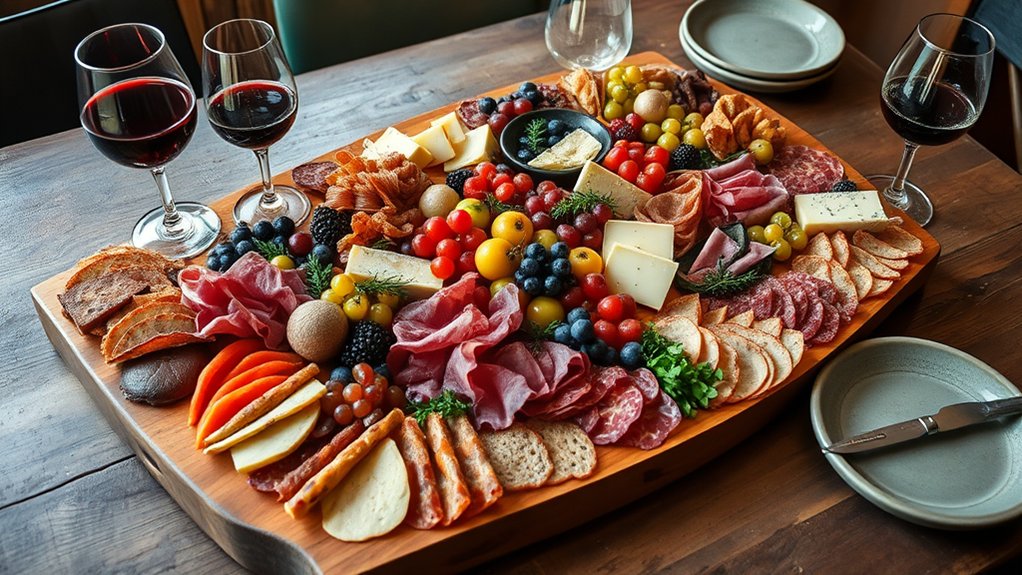
To elevate your charcuterie board from tasty snack to Instagram-worthy masterpiece, presentation is key. Transform your serving platters into edible artwork by creating height variations and creative arrangements that'll make your guests' jaws drop. Don't forget to add colorful garnishes like fresh herbs, edible flowers, or fruit slices to bring your board to life!
Here's how to make your spread truly spectacular:
- Arrange meats in waves or rosettes instead of boring straight lines
- Create themed decorations based on seasons or holidays (think mini pumpkins for fall!)
- Layer different textures and colors, moving from light to dark items
Frequently Asked Questions
How Long Can a Charcuterie Board Sit Out at Room Temperature?
Play it safe and don't let your spread linger too long. For food safety, you shouldn't keep meats and cheeses at room temperature beyond 2 hours. Follow serving suggestions carefully.
What's the Ideal Number of Guests for a Standard Charcuterie Board?
You'll find that a standard charcuterie board serves 6-8 guests comfortably. This guest capacity allows everyone to enjoy the board variety while maintaining fresh, appealing presentations throughout your gathering.
Can I Prepare My Charcuterie Board the Night Before Serving?
Your taste buds will dance with joy! You can prepare your charcuterie board the night before, but store components separately in airtight containers. Arrange meats, cheeses, and garnishes just before serving.
Are There Vegetarian Alternatives That Work Well on Charcuterie Boards?
You can create delicious vegetarian boards using aged cheeses, plant-based meats, roasted vegetables, marinated artichokes, olives, nuts, dried fruits, and spreads like hummus or olive tapenade.
How Much Should I Expect to Spend on a Quality Charcuterie Board?
You'll typically spend $50-100 for quality ingredients to serve 4-6 people. A cost comparison shows premium meats, cheeses, and accompaniments can push prices higher for larger gatherings.