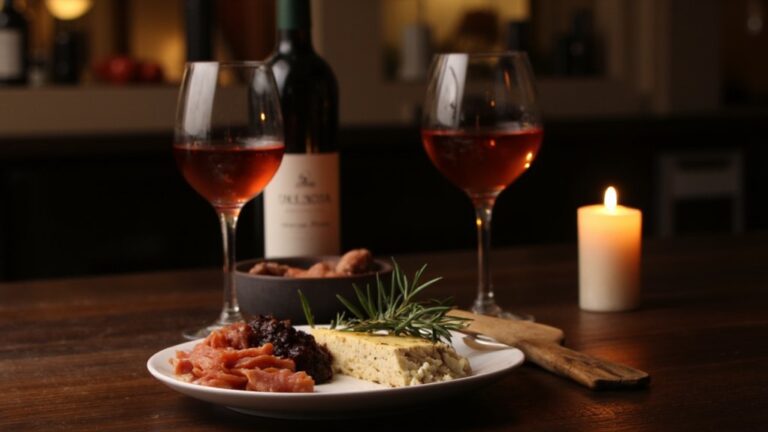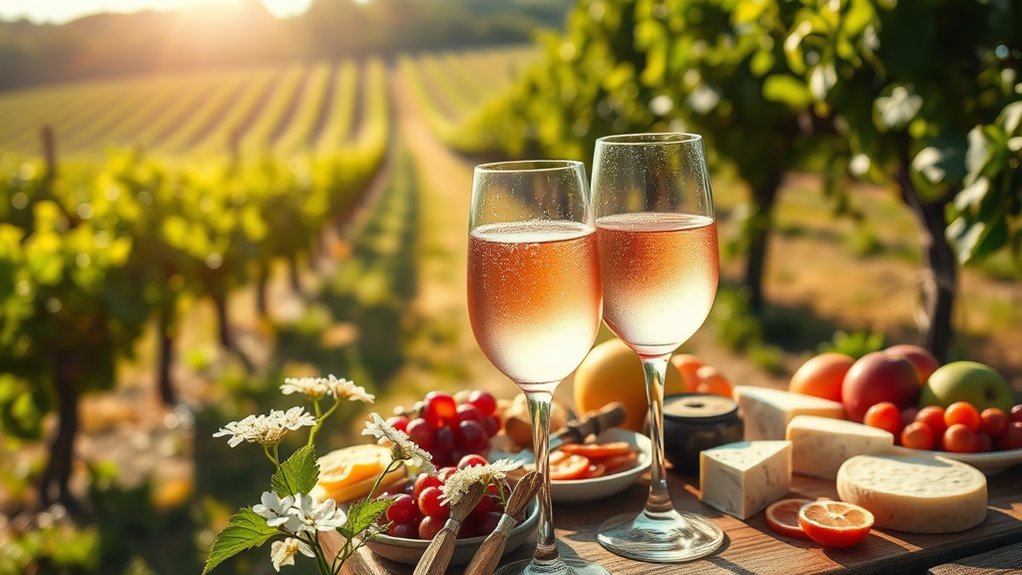
Rosé isn’t just a summer fling – it’s a sophisticated wine with ancient roots and modern appeal. You’ll find these pretty-in-pink wines ranging from bone-dry Provençal styles to fruity California blends, each offering unique flavors from strawberry to citrus and herbs. Whether you’re pairing it with sushi, BBQ, or simply sipping solo, serve your rosé chilled between 45-55°F for ideal enjoyment. There’s so much more to discover about this versatile, vibrant wine.
Key Takeaways
- Rosé gets its pink color from brief contact between red grape skins and juice during the winemaking process.
- Popular rosé regions include Provence, Spain, and California, each offering distinct flavor profiles from strawberry to peach notes.
- Serve rosé between 45-55°F in standard white wine glasses to enhance its aromatic qualities and flavors.
- Most rosés are best consumed within two years of purchase and should be enjoyed within 3-5 days after opening.
- Light rosés pair with salads and sushi, while fuller-bodied versions complement grilled meats and hard cheeses.

The History Behind Rosé’s Pink Hue

While many wine lovers today swoon over rosé’s Instagram-worthy pink hues, this beloved wine style wasn’t always the social media darling it is now. You might be surprised to learn that ancient civilizations were sipping on pink wines long before the first “rosé all day” hashtag hit the internet!
The color symbolism of rosé has evolved dramatically through history, from being considered a mark of sophistication in ancient Greece to facing a rather unfortunate “sweet and cheap” reputation in the 1970s. Its cultural significance runs deep in regions like Provence, France, where locals have been perfecting the art of rosé-making for centuries. You’ll find it fascinating that the pink shade you’re admiring actually comes from a brief love affair between red grape skins and juice – talk about a delicious chemistry experiment! Interestingly, rosé is often made using direct press methods, which contribute to its unique flavor and color profile.
How Rosé Wine Is Made
The fascinating world of rosé winemaking involves three distinct methods, each creating those gorgeous pink hues you know and love. First, there’s the direct press method, where red grape varieties are gently crushed and the juice has minimal contact with the skins. Then you’ve got the saignée method (fancy French for “bleeding”), where some juice is “bled” off during red wine production. Finally, there’s the blending method, where a splash of red wine is mixed with white wine – though this technique isn’t allowed in most French regions.
The fermentation process is equally essential, as winemakers carefully monitor temperature and timing to preserve those fresh, fruity flavors you’ll love sipping on your patio. Who knew making that perfect summer sipper could be so deliciously complex?
Popular Rosé Wine Regions Around the World

Now that you know how that beautiful pink wine gets its color, let’s explore where the world’s most celebrated rosés call home. From the sun-kissed vineyards of France to the rugged coastlines of Australia, you’ll find distinctive pink wines that’ll make your taste buds dance!
| Region | Famous Style | Tasting Notes |
|---|---|---|
| Provence | Pale & Crisp | Strawberry, Citrus, Herbs |
| Spain | Tempranillo | Cherry, Rose Petal, Spice |
| Italy | Sangiovese | Watermelon, Orange, Mineral |
| California | Mixed Blends | Raspberry, Peach, Floral |
| Greece | Assyrtiko | Grapefruit, Sea Salt, Stone |
Whether you’re sipping Chilean Merlot rosé on a beach or enjoying South African Syrah on your patio, these pink beauties prove that rosé isn’t just a wine—it’s a global adventure in a glass!


Understanding Different Rosé Styles
Most wine lovers can spot three distinct rosé styles when browsing their favorite wine shop: light and crisp, medium-bodied and fruity, or rich and bold. Each style brings its own unique rosé characteristics to the table, and you’ll find your perfect match depends on your taste preferences and the occasion.
Light rosés, often from Provence, dance on your palate with delicate notes of citrus and flowers. Medium-bodied styles, like those from Spain, deliver juicy strawberry and raspberry flavors that’ll make you feel like you’re sipping summer in a glass. And if you’re craving something more substantial, rich rosés from Tavel pack a punch with their intense berry and spice notes. While current rosé trends lean toward the paler, crisper styles, don’t let that stop you from exploring the whole delicious spectrum!
Rosé Food Pairing Essentials

Perfect food pairings can turn your rosé experience from lovely to legendary, making this versatile wine a fantastic companion for countless dishes. You’ll discover that rosé cheese pairings work magic with creamy brie or tangy goat cheese, while rosé seafood suggestions include everything from grilled shrimp to zesty ceviche. Let’s explore some foolproof combinations that’ll make your taste buds dance!
| Style | Perfect Pairings |
|---|---|
| Light Rosé | Salads, Sushi |
| Medium Rosé | Grilled Chicken, Soft Cheeses |
| Full-Bodied Rosé | BBQ Ribs, Hard Cheeses |
| Sparkling Rosé | Oysters, Strawberry Desserts |
Whether you’re hosting a summer barbecue or enjoying a picnic in the park, there’s a rosé pairing that’ll knock your socks off and have your guests begging for your secret sommelier tips!
Best Serving Temperature and Glassware
Getting the temperature and glassware right can make your carefully chosen food pairings shine even brighter. For most rosés, the ideal temperature falls between 45-55°F, cool enough to be invigorating but not so cold that you’ll miss those delicate fruit flavors. Pro tip: if you’re in a pinch, 30 minutes in the fridge should do the trick!
When it comes to glass types, you’ve got options that’ll make your pink drink sing. A standard white wine glass works perfectly, but if you want to get fancy, try a tulip-shaped glass that’ll capture those gorgeous aromas. Just steer clear of those trendy coupe glasses – unless you enjoy watching your wine’s beautiful bouquet float away! Remember, the right glass isn’t just about looks; it’s about delivering maximum enjoyment to your taste buds.
Top Rosé Wine Varieties to Try

Three spectacular rosé varieties stand out as must-tries for anyone diving into the world of pink wines. First up, you’ll want to get your hands on a classic French Rosé from Provence – it’s basically summer in a glass, with delicate strawberry notes that’ll make you feel like you’re lounging in the French Riviera. Next, treat yourself to a Spanish Garnacha rosé, which brings a bold, fruit-forward punch that’s perfect for those who like their wines with attitude. Finally, don’t miss out on Sparkling Rosé – these bubbly beauties, especially from Italy’s Prosecco region, are like a party in your mouth, combining the festive nature of sparkling wine with those irresistible berry flavors we all love in rosé.
Seasonal Guide to Drinking Rosé
While many wine enthusiasts think rosé is strictly a summer sipper, you’ll be thrilled to know this versatile pink drink shines throughout the year. In spring, reach for lighter, floral rosés that complement seasonal flavors like fresh herbs and tender vegetables. Summer calls for crisp, fruit-forward varieties that’ll make your outdoor gatherings pop, especially when paired with grilled dishes and invigorating salads.
Don’t pack away your rosé when autumn arrives! Fuller-bodied versions perfectly match harvest favorites like roasted squash and apple-based dishes. Even winter welcomes rosé’s charm – opt for richer styles that can stand up to heartier fare. And here’s a fun tip: sparkling rosé is your year-round party companion, ready to jazz up any celebration from beach picnics to holiday soirées.
Selecting the Perfect Rosé for Your Taste
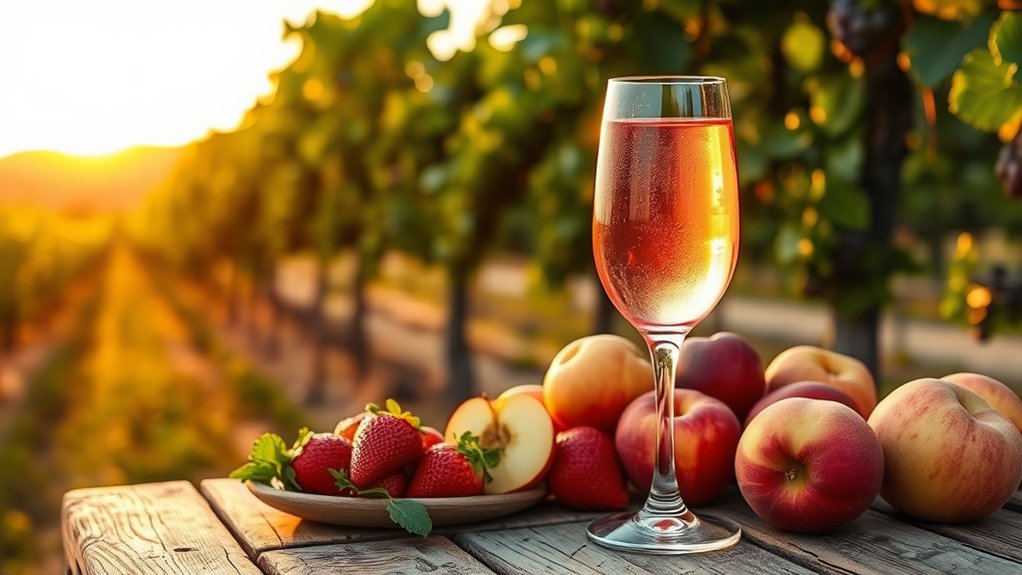
Choosing your perfect rosé doesn’t have to feel like solving a wine-world puzzle, especially when you know what to look for. Start by considering flavor profiles that match your taste buds – if you’re into sweet treats, you’ll probably enjoy a fruitier California rosé with hints of strawberry and watermelon. For those who prefer their wines crisp and dry, a classic Provençal rosé with delicate tasting notes of citrus and herbs might be your perfect match.
Don’t be afraid to experiment with different styles, and remember that the wine’s color can be a helpful clue. Lighter salmon-colored rosés tend to be more subtle and refined, while deeper pink hues often signal bolder, more fruit-forward wines. Think of it as your personal wine adventure – there’s no wrong choice when you’re following your palate!
Storing and Preserving Your Rosé Wine
Because rosé is best enjoyed fresh and vibrant, proper storage is key to maintaining those delightful summer flavors you’ve carefully selected. Keep your bottles away from direct sunlight and heat, as these sworn enemies of wine can turn your precious pink drink into something that tastes more like sad fruit punch.
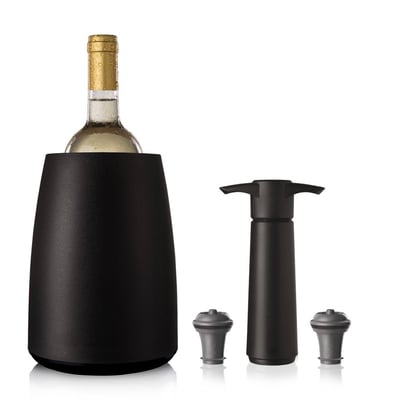
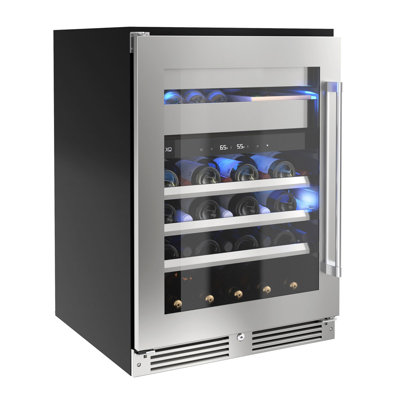
For ideal wine preservation, store your rosé in a cool, dark place at around 55°F (13°C), and always keep the bottles on their sides. You’ll want to drink most rosés within two years of purchase – they’re not like those show-off red wines that get better with age! If you’ve opened a bottle but haven’t finished it (who are we kidding?), pop it in the fridge with a good wine stopper, and you’ll have about 3-5 days to enjoy the rest.
Frequently Asked Questions
Can Pregnant Women Drink Rosé Wine?
You shouldn’t drink rosé or any alcohol while pregnant, as it can harm fetal development. Even small amounts of alcohol can affect your baby’s growth and health.
What’s the Average Calorie Count in a Glass of Rosé?
You’ll be thrilled to know your favorite pink sip won’t destroy your diet! A standard 5-ounce glass of rosé typically contains 80-120 calories, making it lighter than most sweet cocktails.
Does Rosé Wine Have Less Alcohol Content Than Red or White Wine?
You’ll find that rosé’s alcohol content typically matches other wine varieties, ranging from 11-13%. There isn’t a significant alcohol comparison difference between rosé, red, and white wines.
Why Do Some People Get Headaches Specifically From Drinking Rosé?
You might get rosé headaches due to histamine sensitivity or sulfite reactions. While these compounds exist in all wines, some people are particularly sensitive to their concentrations in rosé.
Can Rosé Wine Be Used for Cooking Like Other Wines?
You’ll find rosé works wonderfully in cooking techniques, just like red or white wine. It’s perfect for seafood dishes, light sauces, and risottos, creating unique flavor pairings with its fruity notes.