You don’t need to be a wine nerd to crush Thanksgiving sides. Grab three bottles and you’re golden: a bright Pinot Noir for stuffing, gravy, and roasted roots, a dry or off‑dry Riesling for creamy casseroles, mac and cheese, and sweet potatoes, and a crisp sparkling wine to cut through all that butter and reset your palate. Those three will play nice with cranberry sauce, veggies, and rolls too, and there’s a few more smart tricks that really tie it all together.
Key Takeaways
- Use a three‑bottle crowd‑pleaser strategy: bright Pinot Noir, dry/off‑dry Riesling, and a crisp sparkling wine for most Thanksgiving side spreads.
- Pair herb stuffing, mushroom dishes, and roasted roots with medium‑bodied, earthy reds like Pinot Noir, Cru Beaujolais, or a soft Côtes du Rhône.
- Match creamy potatoes, gravy, mac and cheese, and buttery rolls with oaked Chardonnay or other full‑bodied whites that echo the dishes’ richness.
- Choose off‑dry Riesling, Moscato d’Asti, or light Lambrusco for sweet potato casserole and cranberry sauce to balance sweetness and sharp tartness.
- For green vegetables and tangy sides with vinaigrettes or goat cheese, pick bright, high‑acid whites like Sauvignon Blanc or dry Riesling.

Understanding Wine Pairing for a Holiday Feast
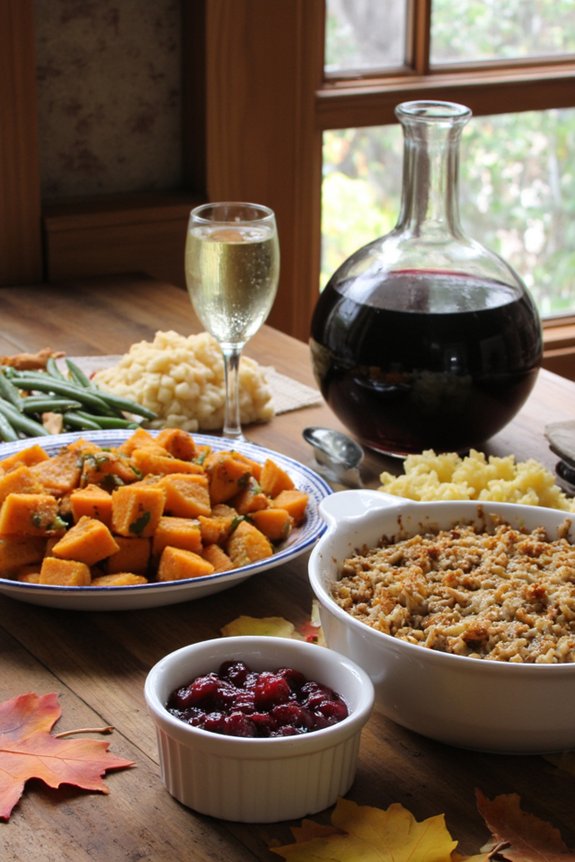
Even if you’re not a “wine person,” it really helps to know a few basics before you start matching bottles to a big holiday spread. Think of it as seasonal wine education, not a pop quiz. You’re just learning how flavors play nice together.
Thanksgiving sides can be rich, creamy, sweet, or tangy, so you want wines that don’t fight the food. Look for bottles with good acidity, because that brightness keeps everything from feeling heavy. That’s where simple palate cleansing techniques help, too. Take small sips, drink some water, maybe nibble a plain cracker, then go back for another taste. You’re just resetting. No fancy rules, no snobby vibes, just paying attention to what actually tastes good to you.
Perfect Pours for Classic Stuffing and Dressing
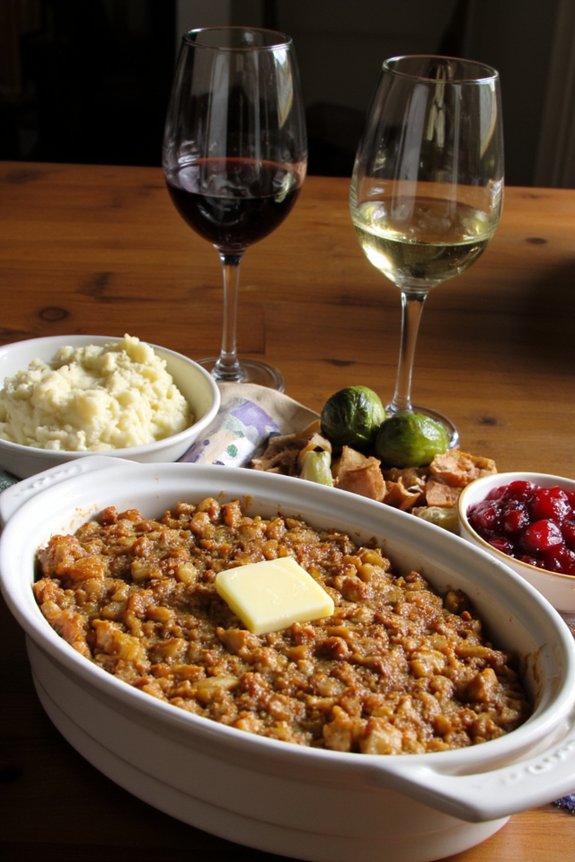
When you’re pouring wine for stuffing or dressing, you’re really trying to match all that toasty, herby comfort in the dish with a bottle that won’t steamroll it. You want something with good acidity, gentle fruit, and herb forward aromatics that can hang out with sage, thyme, and all those cozy flavors.
Think of how bread stuffing contrasts with crispy edges, soft centers, and bits of onion or celery. A bright, medium bodied wine keeps every bite feeling fresh, not heavy, so you can actually go back for thirds without regret. Well, maybe a little regret.
| Stuffing Style | Wine Type | Why It Works |
|---|---|---|
| Classic herb bread | Pinot Noir | Light, earthy, loves herbs |
| Sausage stuffing | Côtes du Rhône red | Spicy fruit, handles richness |
| Mushroom-heavy | Cru Beaujolais | Silky, savory-friendly |
| Cornbread dressing | Dry Riesling | Zippy acidity, lifts sweetness |
Best Wines for Mashed Potatoes and Gravy
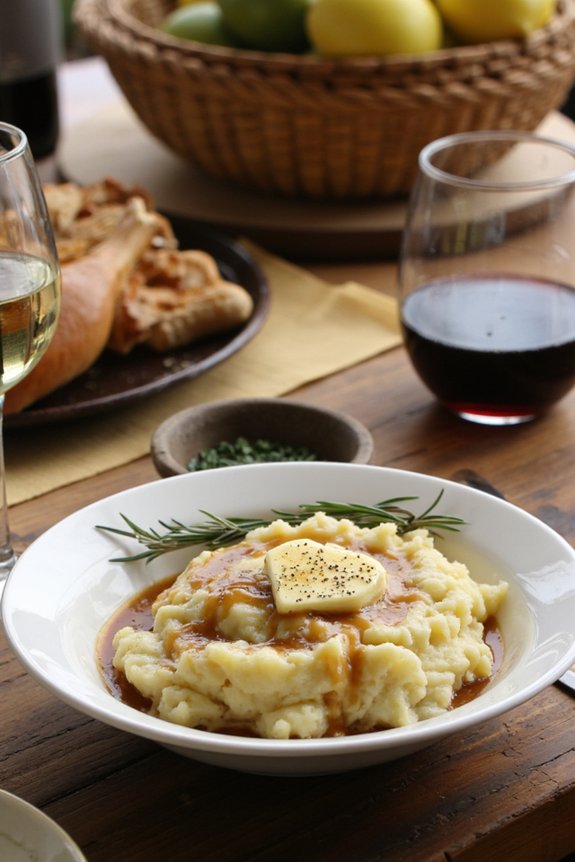
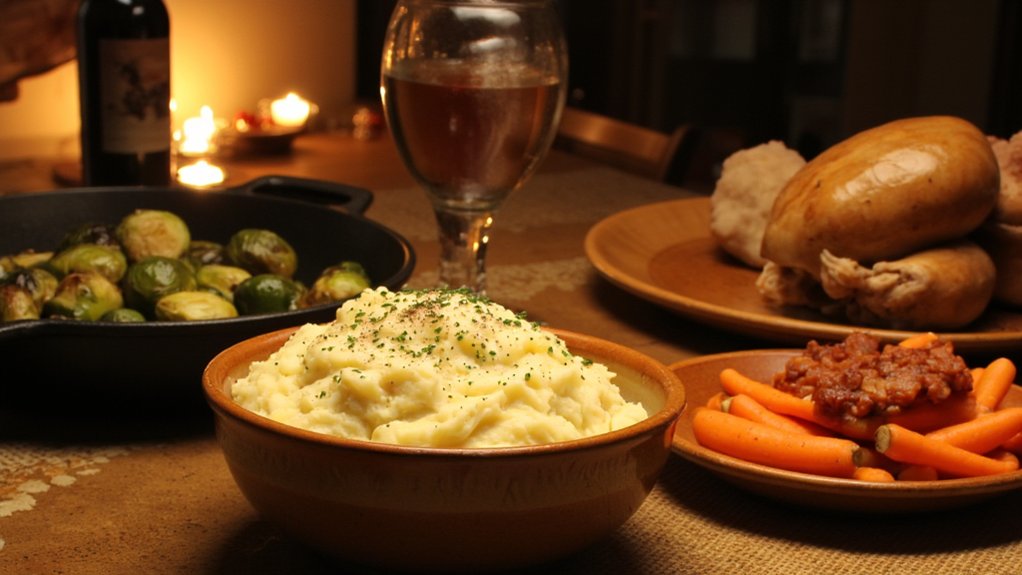
When you’re staring down a mountain of mashed potatoes and a lake of gravy, you want a wine that loves all that creamy texture and buttery flavor as much as you do. You’ll need something that can stand up to the rich, savory gravy without tasting flat or getting totally lost, which is where the right style really matters. So let’s look at how reds and full-bodied whites stack up with this classic comfort food, and figure out what actually belongs in your glass.


Creamy Texture, Buttery Flavors
If you’re spooning into a mountain of mashed potatoes covered in rich gravy, you’ll want a wine that’s just as cozy and comforting. You’re looking for creamy texture, a silky mouthfeel, and a little buttery oakiness that feels like a warm blanket for your taste buds.
Here’s a quick cheat sheet:
| Wine Style | What You’ll Taste | Why It Works With Mash |
|---|---|---|
| Oaked Chardonnay | Butter, vanilla, soft spice | Mirrors buttery potatoes |
| White Burgundy | Creamy texture, subtle oak | Elegant, not too showy |
| Viognier | Peach, floral, rich body | Adds flair without clashing |
| Chenin Blanc (oaked) | Apple, honey, gentle creaminess | Cozy, slightly nostalgic vibe |
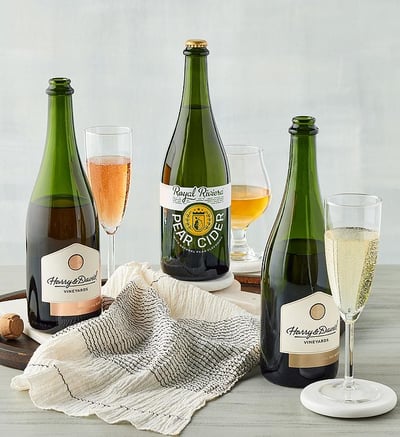
| Sparkling Brut | Light toast, bright bubbles | Fun contrast to all that fluff |
You’ll probably want seconds.
Balancing Rich Savory Gravy
Sauce up a simple bowl of potatoes with a ladle of gravy, and suddenly you’re not just dealing with “buttery and creamy” anymore, you’ve got salty, savory, meaty flavors barging into the party too. Your wine has to handle all that richness without getting steamrolled.
Look for bottles with enough acidity to cut through the fat so each bite still feels lively instead of heavy. A little grip from velvety tannins is great, since it clings to the roasted bits in the gravy without turning harsh. Wines that bring herb forward umami notes echo the thyme, rosemary, or sage in your sauce, making everything taste a bit more intentional, like you actually planned this pairing all week.
Reds Versus Full-Bodied Whites
Gravy’s handled, so now you’ve got a bigger question on your hands: do you pour a cozy red or reach for a rich white with those mashed potatoes and all that savory goodness on top? Think about texture first. Mashed potatoes are creamy and mellow, so you don’t want a bully in the glass.
A soft red like Pinot Noir or Gamay has gentle tannin structure, so it won’t fight the butter, and its bright fruit keeps each bite from feeling too heavy. If you go white, pick a full-bodied Chardonnay with a touch of oak influence, which can mirror the toasty, savory notes in the gravy. Just avoid anything too oaky or too tannic, or your potatoes might file a complaint.
Balancing Sweet Potato Casserole With the Right Wine
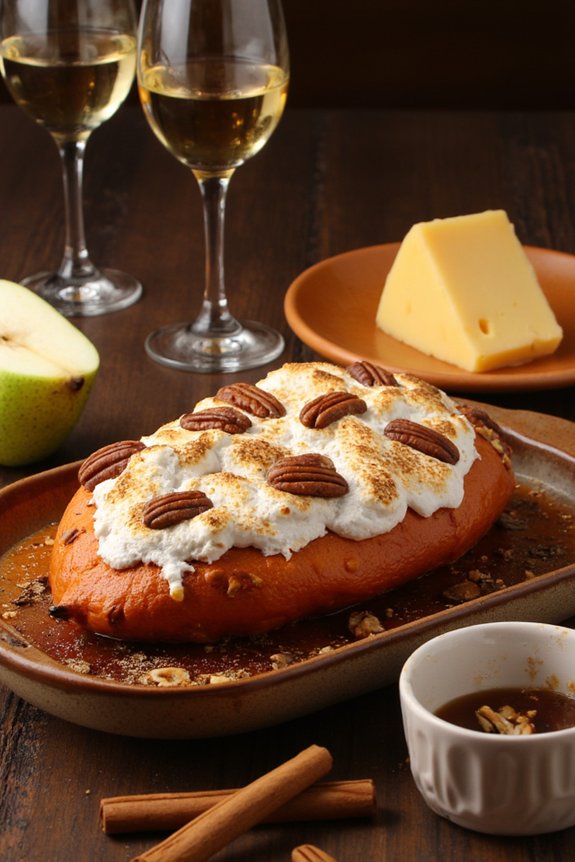
Although sweet potato casserole looks like a side dish, let’s be honest, it behaves like dessert, and that really affects what you want in your glass. If your wine isn’t at least as sweet as the casserole, it’ll taste sour and kind of sad.
This is where a little wine chemistry helps. All that brown sugar, marshmallow, and creamy sweetness calls for something with bright fruit, gentle acidity, and a touch of residual sugar. Think off‑dry Riesling, Moscato d’Asti, or a light, fruity Lambrusco.
Spice pairing matters too. If you’re using cinnamon, nutmeg, or clove, choose wines with similar warm notes or soft bubbles that “scrub” the sweetness. Skip big, tannic reds, unless you secretly hate your taste buds.
Tangy Cranberry Sauce and Its Ideal Wine Matches
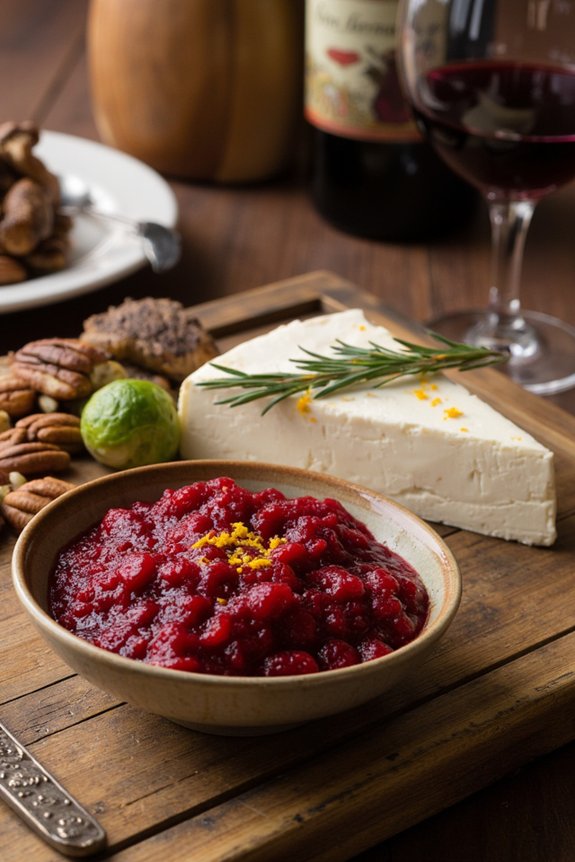
Now it’s cranberry sauce time, where that sharp, tangy bite meets a little sweetness and suddenly your wine has to work for a living. You’ll want bottles that can handle tart flavors, still taste fruity, and not get washed out, whether your sauce is chunky and rustic or smooth and glossy. We’ll look at wines that echo the cranberry’s bright fruit, balance the sugar, and play nicely with all those different textures without throwing a tantrum on your tongue.

Balancing Tart and Sweet
Even though it looks like a simple side, that bright, tangy cranberry sauce might be the bossiest flavor on your Thanksgiving plate, and your wine has to keep up without getting knocked around. You’re dealing with a tightrope of acid sugar, so you want a wine that’s a little sweet but still crisp. Too dry and it’ll taste harsh, too sugary and everything turns sticky.
Think of your sip as a quick palate refresh between bites, like a reset button for your tongue.
| What You Taste | What Your Wine Should Do |
|---|---|
| Sharp cranberry tang | Match acidity |
| Jellied sweetness | Add gentle sweetness |
| Spices or orange zest | Bring bright, zippy fruit |
| Rich gravy and sides nearby | Cut through with clean, crisp finish |
Wines That Highlight Fruit
Fruit-friendly wines are your cranberry sauce’s best friend, because the second that tangy, jiggly jewel hits your plate, it wants a wine that loves fruit just as much as it does. You’re looking for bottles that burst with red berry flavor, not shy little sippers hiding in the corner.
Think off-dry Riesling, with juicy stone fruit notes and bright acidity that snaps right back at the cranberry. A rosé with strawberries and light floral aromatics can feel like a little Thanksgiving vacation in your glass. If you like bubbles, reach for a fruity Lambrusco or a sparkling rosé, since the fizz keeps everything lively. Skip heavy oak bombs, they’ll just wrestle with the sauce and probably lose.
Pairing for Different Textures
Cranberry sauce really switches things up on the plate, because it’s not just about flavor, it’s about texture too, all that glossy jiggle and chewy bits of berry. To match that, you want wines that play up mouthfeel contrasts, not fight them. Think of it as choosing partners for a dance, not a wrestling match.
Try these tactile pairings:
- Off‑dry Riesling, which wraps around the tart berries, softening the edges while keeping things bright.
- Sparkling rosé, where the bubbles slice through the sauce and reset your palate so you keep going back for “just one more” bite.
- Beaujolais, light and juicy, with enough grip to handle the chewy bits without getting all serious about it.
Greens, Green Bean Casserole, and Vegetable Sides With Wine
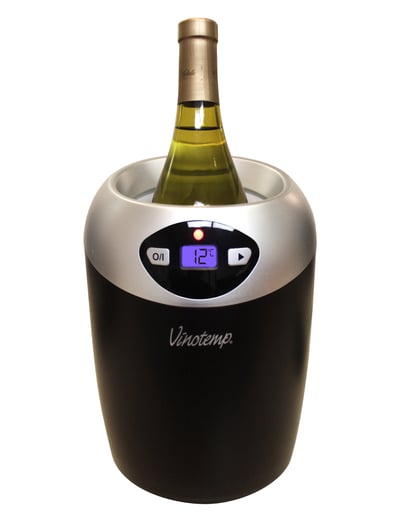
If you’ve got goat cheese pairings or citrus vinaigrettes in the mix, a crisp Sauvignon Blanc or dry Riesling keeps everything bright and zippy. Green bean casserole, with its creamy sauce and mushrooms, leans into earthier wines, so try Pinot Noir or a light Grenache. They’re soft enough not to steamroll the beans, but still bring enough flavor to feel like a real pairing, not an accident. For storing your favorite bottles for these pairings, consider a wine fridge with dual-zone capability to keep both reds and whites at their ideal serving temperatures.
Mac and Cheese, Rolls, and Other Comforting Carbs
Mac and cheese and a basket of warm rolls are where Thanksgiving stops pretending to be “balanced” and just gives in to pure comfort, and your wine can lean into that cozy vibe too. You’ve got creamy cheese, buttery breadcrumbs on top, maybe even herb infused pasta if you’re getting fancy, so you want a wine that can handle richness without feeling heavy.
Try:
- Oaked Chardonnay for that creamy, toasty match with the cheese and butter
- Off‑dry Riesling if your mac has a little spice or sharp cheddar bite
- Light Pinot Noir when you want something red that still stays silky and easy
These wines cut through all the gooey goodness, so you can actually go back for seconds. Or thirds, no judgement.
Pairing Wines With Roasted Root Vegetables and Squash
Even though the turkey gets all the glory, those roasted root veggies and caramelized squash are quietly stealing the show on the side of your plate. To match that caramelized sweetness and cozy, rustic presentation, reach for wines with soft edges and plenty of flavor.
You’ll love how a medium–bodied Pinot Noir lines up with earthy aromatics from roasted carrots, parsnips, and beets, letting those toasty edges really shine. If you’re serving squash with maple or brown sugar, try an off‑dry Riesling or Vouvray so the gentle sweetness keeps up instead of getting steamrolled.
For dishes loaded with rosemary, thyme, or sage, look for herbaceous contrasts. A Sauvignon Blanc or lighter Cabernet Franc adds a fresh, green snap that keeps every bite feeling bright.
Crowd-Pleasing Wine Strategies for a Mixed Side-Dish Spread
Roasted roots and cozy squash are pretty easy to match, but the real headache starts when you look at the whole table and realize you’ve got creamy potatoes, tangy cranberry sauce, savory stuffing, green beans, and who knows what else all fighting for attention. So you need flexible, seasonal crowd pleasers that won’t clash when plates get messy.
Try a simple, three-bottle strategy:
- A bright, juicy Pinot Noir for cranberry and stuffing
- A dry or off‑dry Riesling for creamy, salty, or spicy dishes
- A crisp sparkling wine to reset everyone’s palate
Put the bottles in the middle and let people play. You can even set up casual communal tasting games, asking which wine works best with each bite, so everyone feels like the house sommelier.
Frequently Asked Questions
Can I Use the Same Wine for Turkey and All Side Dishes?
You can, but you’ll enjoy the meal more if you don’t. You’ll want herb driven reds for stuffing, mushrooms, and darker sides, while acid balanced whites flatter turkey, potatoes, and brighter vegetable dishes.
What Non-Alcoholic Drinks Pair Like Wine With Thanksgiving Sides?
You can mirror wine pairings with sparkling grape juice, dry ginger ale, and tart cranberry spritzers. Try chilled herb infused teas—like rosemary or sage black tea—which echo savory stuffing, roasted vegetables, and creamy casseroles beautifully.
How Far in Advance Should I Chill Thanksgiving Wines?
You should chill Thanksgiving wines 24–48 hours ahead. Use fridge timing like this: whites/rosé two days, sparkling one day, lighter reds 2–3 hours. Rely on bottle rotation to keep everything cold as guests arrive.
Are Boxed Wines Acceptable for a Thanksgiving Side-Dish Feast?
Yes, you can absolutely pour boxed wines for your Thanksgiving side‑dish feast. They’re smart, budget friendly options with sustainable packaging, stay fresh longer, and let you offer multiple styles so everyone finds something they’ll enjoy.
How Much Wine Should I Buy per Guest for Thanksgiving Dinner?
You should plan about half a bottle per person for a relaxed meal. Adjust the bottle count based on each guest appetite: lighter drinkers need less, enthusiastic wine lovers might need closer to one bottle.
Conclusion
So now you’ve got a game plan for everything from stuffing to that wild sweet potato situation. You don’t need fancy bottles or perfect pairings, just a few reliable styles that can hang with salt, fat, and a little sugar. Pick a bright white, a juicy red, maybe a bubbly, and call it good. Most important? Pour what you like, keep glasses full, and let the wine just make the feast a bit more fun.